 EN
EN
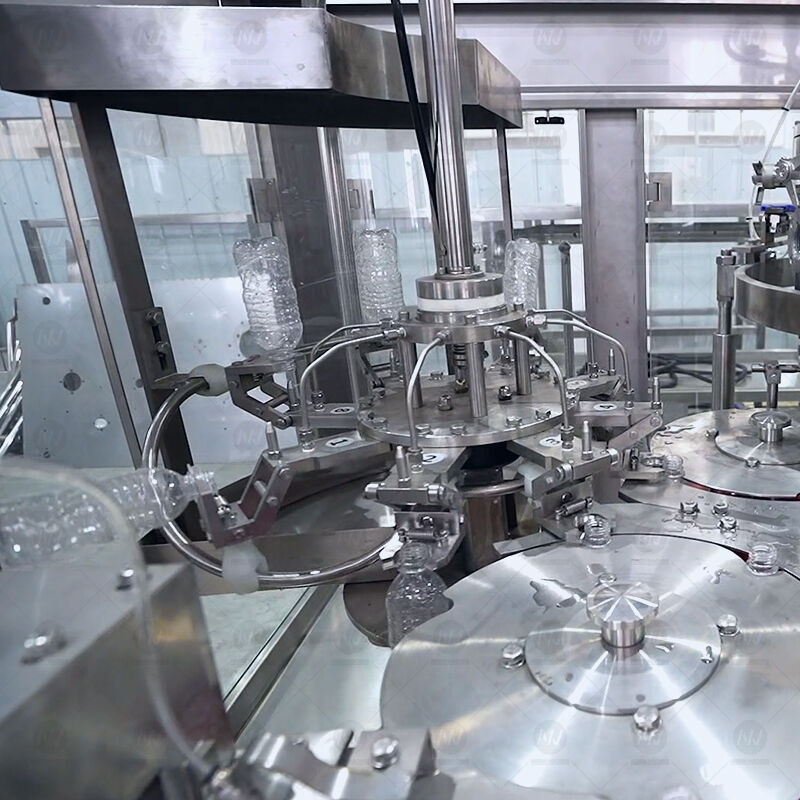
For modern breweries navigating rising consumer demand and tightening operational margins, production efficiency is no longer optional — it is a competitive necessity. One of the most impactful investments a brewery can make is in a high-performance carbonated drink filling machine that aligns filling speed, carbonation preservation, and hygienic standards with the demands of a scaled commercial operation. When selected and integrated correctly, the right equipment transforms a bottleneck-prone line into a streamlined, repeatable process that supports growth without sacrificing product quality.
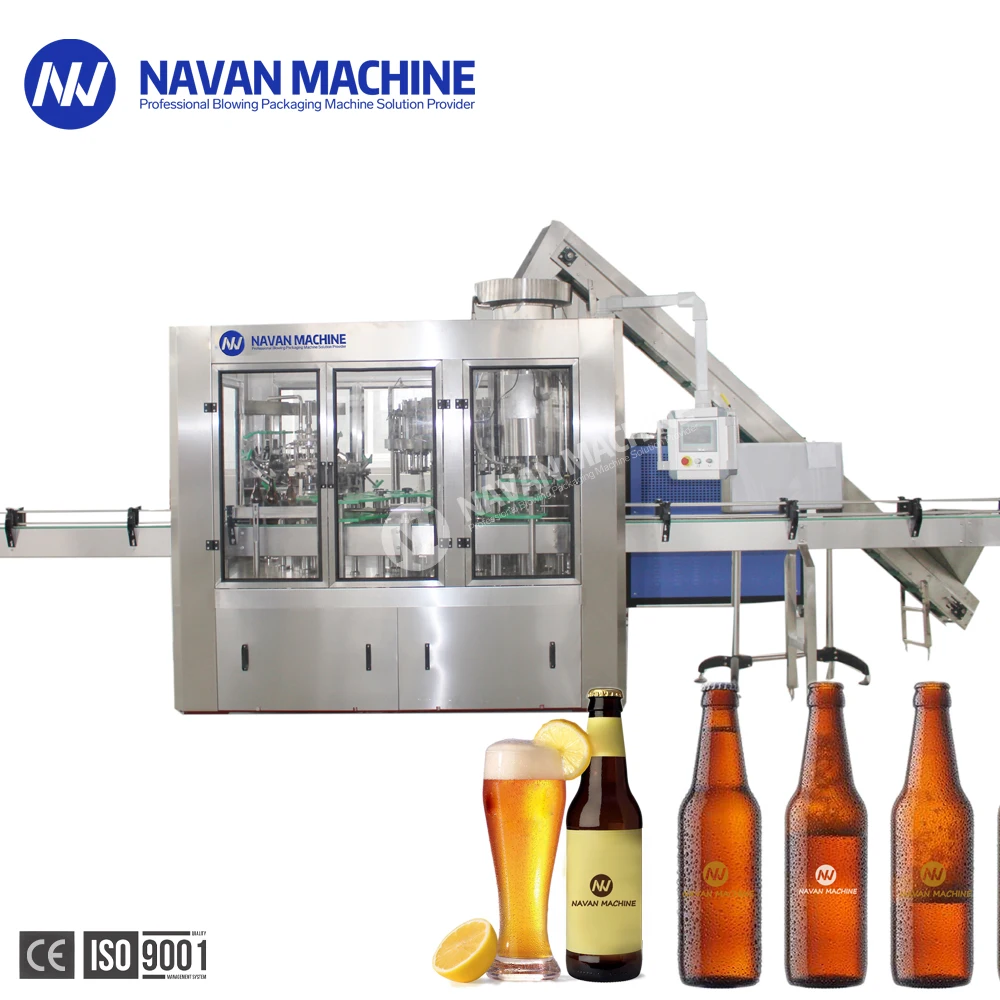
This article explores how breweries — from craft operations to large-scale producers — can systematically optimize their production workflow by leveraging the capabilities of a carbonated drink filling machine. We will cover the operational logic behind these systems, the variables that affect line efficiency, and the practical decisions that enable breweries to get the most from their filling infrastructure. Whether you are scaling up an existing operation or designing a new production line, understanding these principles is essential for sustainable output and consistent quality control.
Understanding the Role of a Carbonated Drink Filling Machine in Brewery Operations
What These Machines Actually Do in a Production Line
A carbonated drink filling machine is engineered to handle the unique challenges of filling CO2-charged beverages — including beer, sparkling wine, hard seltzers, and other effervescent alcoholic products — into bottles or cans at high speed without losing carbonation integrity. Unlike standard liquid filling systems, these machines must maintain counter-pressure environments to prevent foam formation, CO2 escape, and oxidation. Each of these factors directly affects the sensory quality and shelf life of the final product.
In a brewery production line, the carbonated drink filling machine is typically positioned downstream from the fermentation and conditioning tanks, integrated with a rinser, capper or crowner, and labeling unit to form a complete packaging solution. The machine's primary role is to transfer product from a pressurized holding vessel into individual containers with minimal agitation and maximum precision. This requires finely tuned pressure valves, temperature control systems, and fill-level sensors that work in concert to deliver consistent results across thousands of units per hour.
Understanding this operational context helps breweries make smarter procurement decisions. It is not just about filling speed — it is about the machine's ability to protect the product's CO2 content, prevent microbial contamination, and maintain output consistency across long production runs. A well-configured carbonated drink filling machine becomes a core quality assurance tool, not merely a packaging device.
The Counter-Pressure Principle and Why It Matters for Beer
The counter-pressure filling principle is the cornerstone of any carbonated drink filling machine used in brewery settings. Before liquid enters the container, the machine equalizes internal pressure using CO2 gas, preventing the premature release of dissolved carbon dioxide from the beer. This step is critical because turbulence or sudden pressure drops will cause foaming, resulting in underfilled containers, product waste, and inconsistent carbonation levels in the finished beverage.
Counter-pressure technology also plays a role in oxygen exclusion. When the container is pre-pressurized and the product is transferred under a controlled CO2 blanket, exposure to ambient oxygen is minimized. For breweries producing hop-forward IPAs or lagers with delicate flavor profiles, this oxidation protection is non-negotiable. Premature oxidation leads to staling, off-flavors, and shortened shelf life — all quality failures that damage brand reputation and customer retention.
Advanced carbonated drink filling machines offer adjustable counter-pressure settings, allowing breweries to customize the process for products with different carbonation levels. A highly carbonated wheat beer requires different pressure parameters than a mildly carbonated session ale. This flexibility makes the equipment versatile across a brewery's full product portfolio, reducing the need for separate equipment lines and enabling faster SKU changeovers.
Key Machine Features That Drive Production Optimization
Fill Speed, Volume Accuracy, and Throughput Management
Production optimization in a brewery context means maximizing output per unit of time while maintaining fill accuracy and minimizing rework or waste. A modern carbonated drink filling machine addresses this through multi-head filling systems that allow multiple containers to be filled simultaneously. The number of filling heads — which can range from 8 to over 100 in high-capacity configurations — directly correlates with throughput capacity and the machine's ability to meet target production volumes per shift.
Fill volume accuracy is equally critical and is typically managed through electronic liquid level detection or flow meter-based dosing systems. High-precision filling heads reduce the frequency of under-fill or over-fill events, both of which carry real costs — regulatory non-compliance in the case of under-fills, and product giveaway in the case of over-fills. When a carbonated drink filling machine operates with tight fill tolerances across high-speed runs, breweries realize significant savings over time without changing recipes or labor arrangements.
Throughput management also encompasses the machine's integration with upstream and downstream line components. A carbonated drink filling machine that communicates with the conveyor system, rinsing station, and capping unit through a centralized PLC controller enables dynamic speed adjustments in response to line conditions. This synchronization prevents bottlenecks, reduces manual intervention, and allows production managers to achieve higher overall equipment effectiveness (OEE) scores across the entire packaging line.
Sanitary Design and CIP Compatibility for Brewery Hygiene Standards
Breweries operate under stringent hygiene protocols because microbial contamination can spoil entire batches and undermine the quality of carbonated products. A carbonated drink filling machine designed for brewery applications must therefore meet sanitary engineering standards, including smooth internal surfaces, crevice-free contact parts, and full compatibility with Clean-in-Place (CIP) systems. CIP compatibility allows automated chemical cleaning cycles to be run without disassembling the machine, drastically reducing downtime and labor requirements between production runs.
Stainless steel construction — typically 304 or 316L grade — is standard for brewery-grade carbonated drink filling machines because it resists corrosion, withstands the acidic or alkaline cleaning agents used in CIP cycles, and does not harbor bacteria in micro-crevices. Machines with sanitary clamp fittings, drainable product pathways, and enclosed filling valves further reduce contamination risk. These design features are not cosmetic — they are structural quality controls embedded into the equipment's architecture.
For breweries producing a mix of filtered and unfiltered beers, or seasonal products with varying yeast loads, the ease and thoroughness of machine cleaning directly impacts how quickly the line can be turned over to a new product. A carbonated drink filling machine with comprehensive CIP connectivity and minimal manual cleaning requirements gives operations teams the agility to respond to production schedule changes without compromising sanitation standards.
How to Align Machine Selection With Brewery Production Goals
Matching Machine Capacity to Output Requirements
One of the most consequential decisions in brewery equipment procurement is matching the carbonated drink filling machine's rated capacity to both current output requirements and realistic growth projections. Undersized equipment creates immediate bottlenecks and forces overtime or additional shifts, increasing operational costs without corresponding efficiency gains. Oversized equipment, on the other hand, ties up capital and may operate below optimal efficiency thresholds, reducing the economic return on the investment.
Breweries should assess their maximum monthly production volume, peak-season demand patterns, and the number of container formats they plan to run before specifying machine capacity. A craft brewery producing 5,000 hectoliters annually has fundamentally different needs than a regional brewer producing 50,000 hectoliters. The carbonated drink filling machine selected for each operation must reflect not just today's numbers but the trajectory of the business over the next three to five years, factoring in planned SKU expansions, contract brewing agreements, and new market entries.
It is also worth evaluating the flexibility of the carbonated drink filling machine when it comes to container size changeovers. Breweries that package in multiple formats — 330ml cans, 500ml bottles, 750ml bombers — need filling equipment that can transition between formats quickly and accurately. Machines with tool-free format change systems and pre-set recipe storage on their HMI reduce changeover time from hours to minutes, which is a substantial productivity gain when running a diverse product portfolio.
Automation Level and Labor Efficiency
The degree of automation built into a carbonated drink filling machine has a direct impact on labor utilization and production consistency. Fully automated systems handle container input, filling, capping, and rejection of defective containers without manual intervention beyond setup and monitoring. This reduces the number of skilled operators required per shift and eliminates variability introduced by human handling, which is particularly valuable during extended overnight production runs or high-volume seasonal campaigns.
Semi-automatic carbonated drink filling machines offer a middle ground that suits smaller breweries or operations where product diversity demands frequent manual adjustments. While these systems require more hands-on operator involvement, they often carry a lower capital cost and greater setup flexibility. The key is ensuring that the automation level matches the brewery's operational structure — staffing levels, skill sets, and shift patterns — rather than defaulting to the highest automation tier purely on theoretical efficiency grounds.
Automation in a carbonated drink filling machine also extends to monitoring and data capture. Modern machines equipped with real-time production dashboards, fill volume logging, and alarm systems for pressure or temperature deviations give production managers actionable data to identify inefficiencies, prevent quality incidents before they escalate, and build a documented compliance trail for regulatory purposes. This operational intelligence turns the machine from a passive piece of equipment into an active contributor to the brewery's quality management system.
Operational Best Practices for Maximizing Machine Performance
Pre-Production Setup and Temperature Control Protocols
Getting the best performance from a carbonated drink filling machine requires disciplined pre-production protocols that go beyond basic machine startup. Beer temperature at the point of filling is one of the most influential variables affecting carbonation retention and foam behavior during the fill cycle. Most brewing experts recommend filling at temperatures between 0°C and 4°C, as colder product holds dissolved CO2 more effectively and produces less foam during pressure equalization. Breweries that maintain tight cold chain control from conditioning tank to filling head achieve noticeably better carbonation consistency and reduced product loss.
Before a production run begins, operators should verify that the carbonated drink filling machine's counter-pressure settings are correctly calibrated for the specific product being filled. This includes checking the CO2 supply pressure, confirming that all filling valves are functioning within specification, and running a short test fill to validate fill levels against target tolerances. These pre-run checks take only a few minutes but prevent costly mid-run adjustments that disrupt throughput and potentially contaminate a portion of the batch.
Temperature management also applies to the containers themselves. Pre-chilling bottles or cans before they enter the filling zone reduces thermal shock and minimizes condensation-related issues that can interfere with labeling adhesion downstream. Breweries with integrated cooling tunnels or can/bottle pre-chilling systems report fewer filling anomalies and better downstream packaging quality when the carbonated drink filling machine receives containers at or near product temperature.
Preventive Maintenance and Long-Term Equipment Reliability
A carbonated drink filling machine that is not consistently maintained will gradually lose its performance advantage through increased downtime, rising reject rates, and unpredictable quality deviations. Preventive maintenance programs — scheduled at intervals specified by the equipment manufacturer — are the single most effective way to protect the machine's operating lifespan and sustain production efficiency. These programs typically include inspection of filling valve seals, pressure gauge calibration, lubrication of mechanical components, and replacement of wear parts before failure occurs.
Filling valve integrity is particularly critical in a carbonated drink filling machine because worn or fouled valves are the most common source of fill volume inconsistency, dripping, and cross-contamination between products. Breweries running two or three shifts per day should establish a valve inspection and replacement schedule based on actual cycle counts rather than calendar time alone, since usage intensity varies significantly between operations. Keeping a stock of critical spare parts on-site — valves, seals, sensors, and flow control components — reduces the mean time to repair when unexpected failures occur.
Investing in operator training is inseparable from a successful preventive maintenance strategy. Operators who understand the mechanical and pneumatic logic of their carbonated drink filling machine are better positioned to identify early warning signs of wear, communicate maintenance needs accurately to engineering teams, and perform first-level troubleshooting that prevents minor issues from escalating into extended shutdowns. A brewery that treats its people and its equipment as interconnected assets builds a production culture that sustains efficiency gains over the long term.
FAQ
What types of containers can a carbonated drink filling machine handle?
Most modern carbonated drink filling machines are designed to handle a range of container formats including glass bottles, PET bottles, and aluminum cans. The specific configurations supported depend on the machine model and its filling head design. Many brewery-grade machines offer adjustable tooling that accommodates multiple bottle neck sizes, crown cap and screw cap closures, and different container heights, allowing a single machine to serve a diverse packaging line. Confirming container compatibility before purchase is essential to avoid costly tooling retrofits later.
How does a carbonated drink filling machine prevent oxygen pickup during filling?
Oxygen pickup is controlled through a combination of counter-pressure pre-purging and careful fill valve design. Before filling begins, the container is purged with CO2 to displace ambient air and establish a protective gas blanket. The filling valve then transfers product under pressure, maintaining this inert atmosphere throughout the fill cycle. High-quality carbonated drink filling machines also minimize turbulence during product transfer, reducing the risk of oxygen being reintroduced through splashing or foam collapse. These mechanisms together help breweries achieve the low dissolved oxygen levels required for extended shelf life.
How often does a carbonated drink filling machine need to be cleaned?
Cleaning frequency depends on production volume, product type, and the brewery's internal hygiene protocols. In most commercial brewery settings, a full CIP cycle is performed at the end of each production day or at the completion of each product run if multiple SKUs are filled in sequence. Breweries producing unfiltered or live-yeast products may require more frequent CIP cycles due to the higher microbial activity in those products. The carbonated drink filling machine's CIP system should be validated periodically using microbial swab tests to confirm that cleaning protocols are achieving the required sanitation outcomes.
What should breweries consider when scaling up to a faster carbonated drink filling machine?
Scaling up requires a holistic line assessment, not just a machine upgrade. A higher-speed carbonated drink filling machine will only deliver its rated throughput if all upstream and downstream equipment — depalletizers, rinsers, cappers, labelers, and case packers — can operate at matching speeds. Breweries should conduct a full line balance audit before committing to a faster filling machine to identify the true bottlenecks in their packaging line. Additionally, tank capacity, cold storage infrastructure, and CO2 supply systems must all be evaluated to ensure they can support the higher throughput without creating new constraints.
Table of Contents
- Understanding the Role of a Carbonated Drink Filling Machine in Brewery Operations
- Key Machine Features That Drive Production Optimization
- How to Align Machine Selection With Brewery Production Goals
- Operational Best Practices for Maximizing Machine Performance
-
FAQ
- What types of containers can a carbonated drink filling machine handle?
- How does a carbonated drink filling machine prevent oxygen pickup during filling?
- How often does a carbonated drink filling machine need to be cleaned?
- What should breweries consider when scaling up to a faster carbonated drink filling machine?