 EN
EN
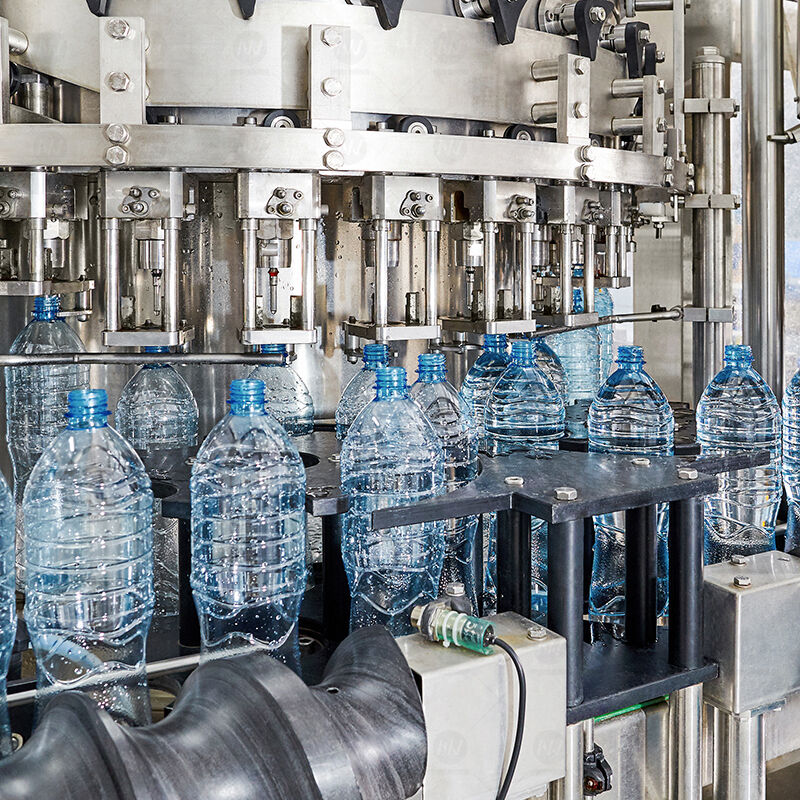
Selecting the optimal water filling line for 200ml–2000ml bottles requires careful consideration of production capacity, bottle size flexibility, and cost-effectiveness. Modern water filling line systems offer factory direct pricing that eliminates intermediary markups while ensuring access to cutting-edge technology designed specifically for small to medium-sized bottle formats. The key to maximizing return on investment lies in understanding how different water filling line configurations handle varying bottle sizes and production demands within this specific range.
Factory direct pricing for water filling line equipment provides beverage manufacturers with significant advantages including immediate technical support, customization options, and elimination of distributor fees. This direct-to-factory approach ensures that your water filling line investment delivers maximum value through competitive pricing while maintaining the highest quality standards for 200ml–2000ml bottle production runs.
Technical Specifications for Multi-Size Bottle Compatibility
Bottle Format Flexibility and Changeover Systems
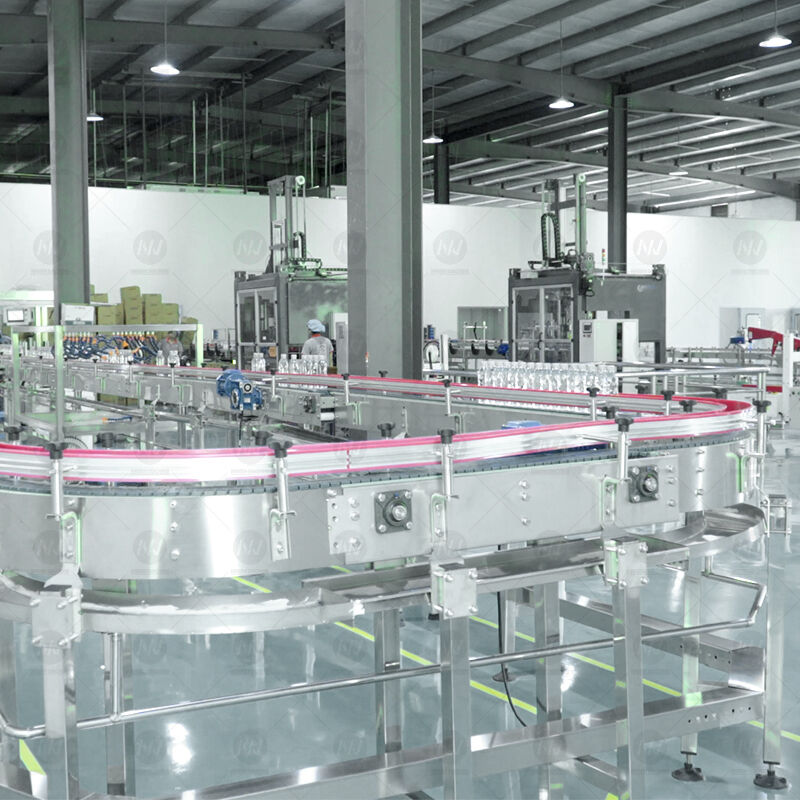
The most effective water filling line for 200ml–2000ml bottles incorporates advanced changeover mechanisms that minimize downtime between different bottle sizes. These systems typically feature adjustable conveyor guides, variable-height filling nozzles, and programmable control systems that store parameters for each bottle format. The changeover process should ideally take no more than 15-20 minutes between size transitions, ensuring maximum production efficiency across your entire bottle range.
Modern water filling line technology includes servo-driven adjustment systems that automatically position filling heads, capping mechanisms, and conveyor components based on selected bottle profiles. This automation reduces manual labor requirements and eliminates human error during size changes, while maintaining consistent fill accuracy across all bottle formats within the 200ml–2000ml spectrum.
The filling valve design plays a crucial role in handling different bottle volumes effectively. High-quality water filling line systems utilize pressure-vacuum filling technology that adapts automatically to varying bottle volumes, ensuring consistent fill levels whether processing 200ml bottles or 2000ml containers. This technology prevents foam generation and maintains product quality across all bottle sizes.
Production Capacity and Speed Optimization
Factory direct water filling line systems for this bottle range typically offer production speeds between 2,000 to 12,000 bottles per hour, depending on configuration and bottle size. Smaller bottles generally allow for higher production rates, with 200ml bottles achieving maximum throughput, while 2000ml bottles operate at the lower end of the speed range due to increased filling time requirements.
The relationship between bottle size and production efficiency requires careful consideration when selecting a water filling line. Most manufacturers recommend calculating production requirements based on your smallest bottle size to ensure adequate capacity during peak demand periods. This approach prevents bottlenecks and maintains consistent output regardless of product mix variations throughout production shifts.
Advanced water filling line systems incorporate variable frequency drives that automatically adjust machine speed based on bottle size and desired fill accuracy. This intelligent speed control ensures optimal performance while minimizing wear on mechanical components, ultimately extending equipment lifespan and reducing maintenance costs over the long term.
Cost Analysis and Factory Direct Pricing Benefits
Price Comparison Between Direct and Distributor Channels
Factory direct pricing for water filling line equipment typically offers savings of 15-30% compared to distributor channels, while providing identical or superior technical specifications. This cost advantage stems from eliminated middleman markups, reduced logistics costs, and direct access to manufacturer incentives and volume discounts. For water filling line investments ranging from $50,000 to $300,000, these savings represent substantial budget allocation improvements.
Direct factory relationships also provide access to flexible payment terms, extended warranty coverage, and priority technical support that distributors cannot match. Many water filling line manufacturers offer customized financing packages that align equipment payments with projected production revenue, improving cash flow management during equipment installation and startup phases.
The total cost of ownership for a water filling line purchased through factory direct channels includes comprehensive training programs, installation supervision, and ongoing technical consultation that significantly reduce operational learning curves and minimize production disruptions during implementation.
Return on Investment Calculations
Calculating return on investment for water filling line equipment requires analyzing production volume increases, labor cost reductions, and quality improvement benefits across the 200ml–2000ml bottle range. Most manufacturers achieve payback periods between 18-36 months when implementing modern water filling line systems, with faster returns realized through higher production volumes and reduced waste rates.
Energy efficiency improvements in modern water filling line technology contribute significantly to operational cost savings. Advanced systems consume 20-40% less energy per bottle filled compared to older equipment, while maintenance requirements decrease due to improved component design and automated lubrication systems. These operational savings compound over time, improving overall investment returns.
Quality consistency improvements from modern water filling line systems reduce product rejection rates and associated waste costs. Precision filling technology ensures minimal product loss during production, while automated quality control systems detect and correct issues before they impact finished product quality, protecting brand reputation and customer satisfaction levels.
Installation and Operational Considerations
Facility Requirements and Layout Planning
Proper facility preparation for water filling line installation requires adequate floor space, utility connections, and environmental controls suited to 200ml–2000ml bottle production requirements. Typical space requirements range from 800-1500 square feet depending on line configuration, with additional areas needed for raw material storage and finished product handling systems.
Electrical infrastructure must support water filling line power requirements, typically ranging from 30-75 KW depending on production capacity and automation level. Three-phase power supply with appropriate voltage regulation ensures consistent operation, while backup power systems protect against production interruptions during utility outages. Compressed air systems require 6-8 bar pressure with appropriate filtration and moisture removal capabilities.
Environmental controls including temperature regulation, humidity control, and air filtration systems ensure optimal water filling line performance and product quality maintenance. Production areas should maintain temperatures between 15-25°C with relative humidity below 65% to prevent condensation issues and ensure consistent filling accuracy across all bottle sizes.
Training and Technical Support Programs
Comprehensive training programs included with factory direct water filling line purchases typically span 2-3 weeks and cover operation, maintenance, troubleshooting, and quality control procedures specific to multi-size bottle production. Training includes hands-on practice with changeover procedures, preventive maintenance schedules, and emergency response protocols that ensure smooth operation from day one.
Ongoing technical support through factory direct relationships provides access to remote diagnostic capabilities, spare parts availability, and expert consultation for production optimization. Many water filling line manufacturers offer 24/7 technical hotlines and video conferencing support to resolve issues quickly and minimize production downtime impacts.
Regular performance reviews and optimization consultations help maximize water filling line efficiency as production requirements evolve. Factory engineers provide guidance on capacity upgrades, additional automation integration, and production scheduling optimization that maintains competitive advantages in dynamic market conditions.
Quality Control and Compliance Standards
Sanitation and Hygiene Systems
Modern water filling line systems incorporate automated cleaning-in-place (CIP) systems that ensure consistent sanitation standards across all bottle sizes from 200ml to 2000ml. These systems utilize programmable cleaning cycles with variable chemical concentrations and temperatures optimized for different production requirements and contamination risks associated with varying bottle formats.
Hygienic design principles in contemporary water filling line construction include stainless steel surfaces, smooth welded joints, and minimal dead spaces that could harbor bacterial contamination. Food-grade materials and approved lubricants ensure product safety compliance while facilitating easy cleaning and maintenance procedures that maintain production efficiency.
Air filtration systems integrated into water filling line designs prevent airborne contamination during filling operations. HEPA filtration and positive pressure systems create controlled environments that protect product integrity while accommodating the different fill times required for varying bottle volumes within the specified range.
Regulatory Compliance and Documentation
Factory direct water filling line systems include comprehensive documentation packages covering FDA compliance, CE certification, and other relevant regulatory standards for beverage production equipment. This documentation simplifies facility inspections and regulatory audits while ensuring full compliance with local and international food safety requirements.
Traceability systems built into modern water filling line controls maintain detailed production records including fill volumes, production times, and quality control parameters for each bottle size produced. These systems generate automated reports that support regulatory compliance requirements and facilitate quality management system maintenance across all production activities.
Validation protocols provided with factory direct water filling line installations include performance qualification procedures, operational qualification testing, and installation qualification documentation that demonstrates equipment capability and regulatory compliance from initial startup through ongoing operations.
FAQ
What is the typical lead time for a factory direct water filling line designed for 200ml-2000ml bottles?
Factory direct water filling line lead times typically range from 8-16 weeks depending on customization requirements and current production schedules. Standard configurations for 200ml-2000ml bottle ranges usually require 8-12 weeks, while highly customized systems may extend to 16 weeks. This timeline includes manufacturing, factory testing, documentation preparation, and shipping arrangements to your facility location.
How does changeover time between different bottle sizes affect overall production efficiency?
Modern water filling line systems achieve changeover times of 15-20 minutes between bottle sizes in the 200ml-2000ml range, which represents less than 1% of daily production time when changes occur 2-3 times per shift. Automated adjustment systems minimize changeover impact by storing size-specific parameters and executing transitions with minimal manual intervention, maintaining high overall equipment effectiveness throughout varied production schedules.
What maintenance requirements are specific to multi-size bottle water filling lines?
Multi-size water filling line maintenance focuses on adjustable components including conveyor guides, filling valve positions, and capping mechanisms that experience more wear due to frequent adjustments. Daily maintenance includes lubrication of adjustment mechanisms, weekly calibration checks of fill volumes across different bottle sizes, and monthly inspection of servo motors and drive systems that control size changeovers.
Can existing water filling lines be upgraded to handle the 200ml-2000ml bottle range?
Existing water filling line upgrades are possible depending on current equipment age, condition, and mechanical design flexibility. Most upgrades require new conveyor systems, adjustable filling heads, and updated control systems, with costs typically ranging from 40-60% of new equipment prices. Factory direct manufacturers can evaluate upgrade feasibility and provide detailed proposals comparing upgrade costs versus new equipment benefits for your specific production requirements.
Table of Contents
- Technical Specifications for Multi-Size Bottle Compatibility
- Cost Analysis and Factory Direct Pricing Benefits
- Installation and Operational Considerations
- Quality Control and Compliance Standards
-
FAQ
- What is the typical lead time for a factory direct water filling line designed for 200ml-2000ml bottles?
- How does changeover time between different bottle sizes affect overall production efficiency?
- What maintenance requirements are specific to multi-size bottle water filling lines?
- Can existing water filling lines be upgraded to handle the 200ml-2000ml bottle range?