
 EN
EN
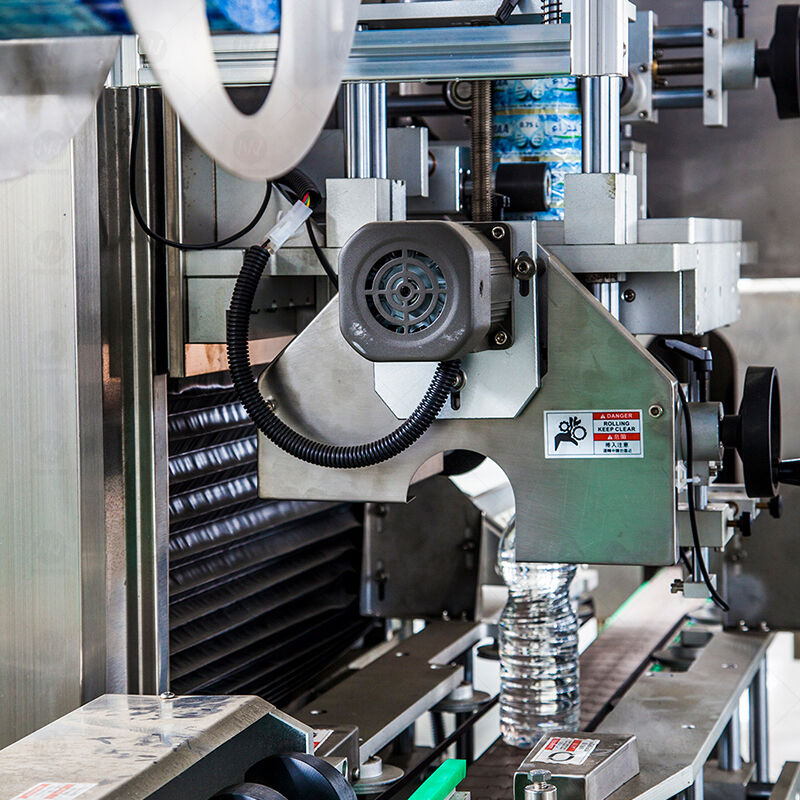
Temperature control stands as one of the most critical engineering considerations in juice filling machine design, directly impacting product quality, shelf life, and production efficiency. The thermal management of juice during the filling process affects everything from microbial safety to flavor preservation, making it a fundamental aspect that determines the success of any juice filling operation. Modern juice filling machine systems must maintain precise temperature parameters to ensure that beverages retain their nutritional value, taste profile, and safety standards throughout the packaging process.
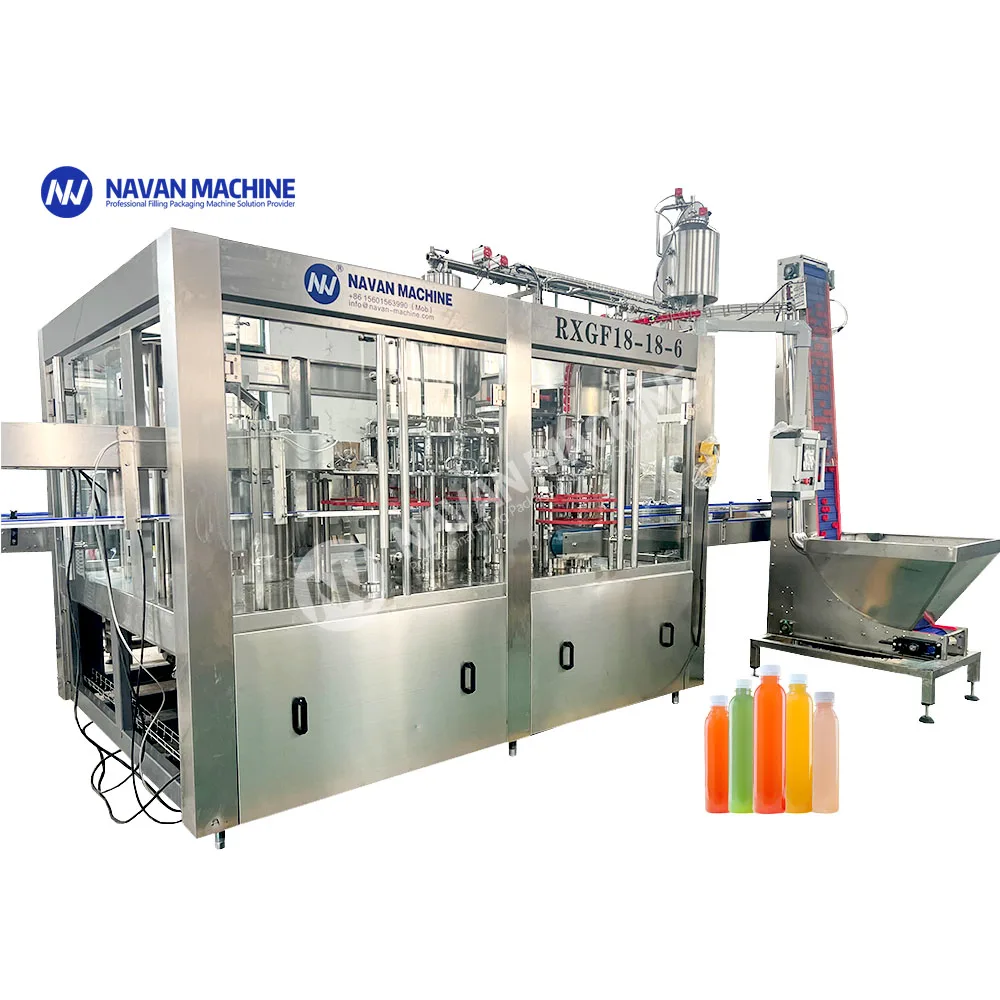
The complexity of temperature management in juice filling applications extends beyond simple heating or cooling requirements. Different juice varieties demand specific thermal conditions during filling, with factors such as viscosity changes, chemical stability, and microbial control all influenced by temperature variations. Understanding why temperature control is essential helps manufacturers select appropriate juice filling machine configurations and optimize their production processes for maximum quality and efficiency outcomes.
Product Quality Preservation Through Temperature Management
Nutritional Value Protection
Temperature control in juice filling machine design plays a crucial role in preserving the nutritional integrity of fruit and vegetable juices. Excessive heat exposure during the filling process can degrade heat-sensitive vitamins, particularly vitamin C, folate, and certain B-complex vitamins that are naturally present in fresh juices. A properly designed juice filling machine maintains optimal temperature ranges that minimize nutrient loss while ensuring safe processing conditions.
The thermal sensitivity of different juice components requires careful consideration during machine design. Antioxidants, flavonoids, and other beneficial compounds found in juices can undergo structural changes when exposed to inappropriate temperatures during filling. Advanced juice filling machine systems incorporate precise temperature monitoring and control mechanisms to maintain these valuable nutrients at their peak levels throughout the packaging process.
Flavor and Aroma Retention
Temperature fluctuations during juice filling can significantly impact the sensory characteristics that consumers expect from high-quality beverages. Volatile aromatic compounds that give juices their distinctive flavors are particularly susceptible to temperature-induced changes. An effective juice filling machine design ensures that these delicate flavor compounds remain stable and concentrated during the filling operation.
The relationship between temperature and flavor stability varies among different juice types. Citrus juices, for example, may experience flavor degradation when exposed to elevated temperatures, while certain vegetable juices might require controlled warming to maintain optimal viscosity for proper filling. Understanding these specific requirements allows manufacturers to configure their juice filling machine systems for optimal sensory outcomes.
Microbial Safety and Product Integrity
Pathogen Prevention Strategies
Temperature control serves as a critical food safety measure in juice filling machine operations, helping prevent the growth and proliferation of harmful microorganisms. Proper thermal management creates an environment that is hostile to pathogenic bacteria, yeasts, and molds that could compromise product safety. The juice filling machine must maintain temperatures that effectively control microbial activity without negatively impacting product quality.
The thermal death time relationship for different pathogens guides the temperature control requirements in juice filling machine design. While some microorganisms are eliminated at relatively low temperatures, others require more aggressive thermal treatment. Balancing these microbial safety requirements with quality preservation needs represents a key engineering challenge in modern juice filling machine systems.
Shelf Life Extension Mechanisms
Effective temperature management during the filling process directly contributes to extended shelf life by reducing the initial microbial load and slowing enzymatic reactions that lead to quality degradation. A well-designed juice filling machine creates conditions that maximize the time between packaging and noticeable quality changes, providing greater flexibility for distribution and retail operations.
Enzymatic browning, oxidation reactions, and other chemical processes that reduce juice quality are temperature-dependent phenomena. By maintaining optimal thermal conditions during filling, the juice filling machine helps establish a foundation for long-term product stability. This thermal control becomes particularly important for natural juices without synthetic preservatives, where temperature management may be the primary preservation method available.
Process Efficiency and Equipment Performance
Viscosity Management for Optimal Flow
Temperature directly affects juice viscosity, which in turn impacts filling accuracy, speed, and overall equipment performance. Cold juices typically exhibit higher viscosity, potentially leading to slower filling rates and less precise volume control. Conversely, juices that are too warm may become overly fluid, creating challenges for accurate portioning and potentially causing spillage or foaming issues in the juice filling machine.
The viscosity-temperature relationship varies significantly among different juice types and concentrations. Pulpy juices, concentrated juices, and those containing natural thickening agents show more pronounced viscosity changes with temperature variations. Advanced juice filling machine designs account for these characteristics by incorporating temperature control systems that maintain optimal flow properties throughout the filling cycle.
Equipment Longevity and Maintenance
Temperature extremes can accelerate wear and tear on juice filling machine components, particularly seals, gaskets, and precision filling mechanisms. Thermal cycling, where equipment repeatedly experiences temperature changes, can cause material expansion and contraction that leads to premature failure of critical components. Proper temperature control helps extend equipment life and reduce maintenance requirements.
The materials used in juice filling machine construction must be selected with temperature considerations in mind. Stainless steel components, food-grade polymers, and precision mechanical parts all respond differently to thermal conditions. By maintaining stable operating temperatures, the juice filling machine experiences less thermal stress, resulting in more consistent performance and longer operational life between major maintenance intervals.
Energy Efficiency and Operational Costs
Thermal Energy Optimization
Efficient temperature control in juice filling machine design contributes to reduced energy consumption and lower operational costs. Systems that minimize heating and cooling requirements while maintaining necessary temperature parameters help manufacturers achieve better energy efficiency. This becomes particularly important in high-volume production environments where energy costs represent a significant portion of operational expenses.
Heat recovery systems integrated into juice filling machine designs can capture and reuse thermal energy from various process stages. By recycling heat that would otherwise be wasted, these systems reduce the overall energy input required for temperature control. This approach not only lowers operating costs but also supports sustainability initiatives in juice production facilities.
Production Speed and Throughput
Temperature control directly impacts the speed at which a juice filling machine can operate while maintaining quality standards. Optimal thermal conditions allow for faster filling cycles without compromising accuracy or product integrity. This relationship between temperature management and production efficiency makes thermal control a key factor in maximizing manufacturing throughput.
The thermal responsiveness of the juice filling machine system affects how quickly operators can adjust to different product requirements or respond to process variations. Rapid temperature control capability allows for efficient product changeovers and reduces downtime between different juice varieties or packaging formats, ultimately improving overall production flexibility and efficiency.
FAQ
What temperature range is typically maintained in juice filling machines?
Most juice filling machines maintain temperatures between 35-45°F (2-7°C) for cold-filled products or 160-185°F (71-85°C) for hot-filled products, depending on the specific juice type and preservation method. The exact temperature range depends on factors such as juice acidity, expected shelf life, and packaging materials used in the filling process.
How does temperature control affect juice filling accuracy?
Temperature control significantly impacts filling accuracy by managing juice viscosity and flow characteristics. Consistent temperatures ensure predictable fluid behavior, allowing the juice filling machine to maintain precise volume measurements and reducing variation between individual containers during the filling process.
Can poor temperature control cause juice filling machine breakdowns?
Yes, inadequate temperature control can lead to equipment failures through thermal stress on components, condensation-related corrosion, and viscosity-related blockages in filling mechanisms. Extreme temperatures can also cause seals and gaskets to fail prematurely, resulting in leaks and contamination issues that require immediate equipment shutdown for repairs.
What are the signs that temperature control needs adjustment in a juice filling machine?
Common indicators include inconsistent fill volumes, unusual foaming during filling, visible condensation on equipment surfaces, changes in juice color or clarity, and variations in filling speed or machine cycling times. Regular monitoring of product temperature at various points in the filling process helps identify control system issues before they impact product quality or equipment performance.