
 EN
EN
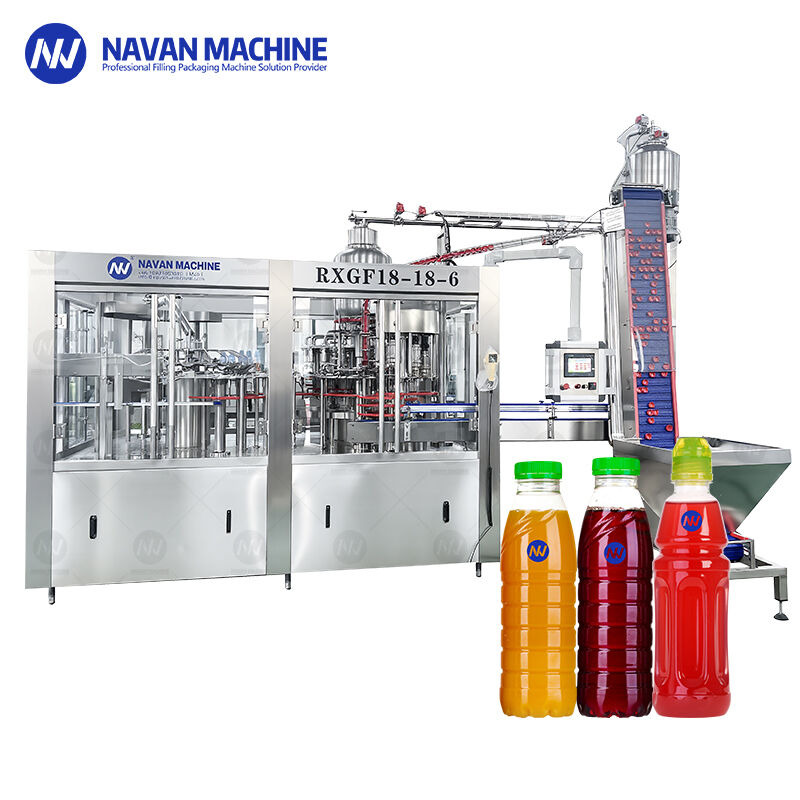
A juice filling machine serves as the critical link between fresh juice production and maintaining the authentic taste and nutritional quality that consumers expect. The preservation of flavor and freshness during the filling process represents one of the most challenging aspects of beverage manufacturing, as exposure to air, light, temperature fluctuations, and contamination can rapidly degrade the sensory and nutritional properties of juice products. Understanding how modern juice filling machine technology addresses these challenges is essential for manufacturers seeking to deliver premium quality beverages to market.
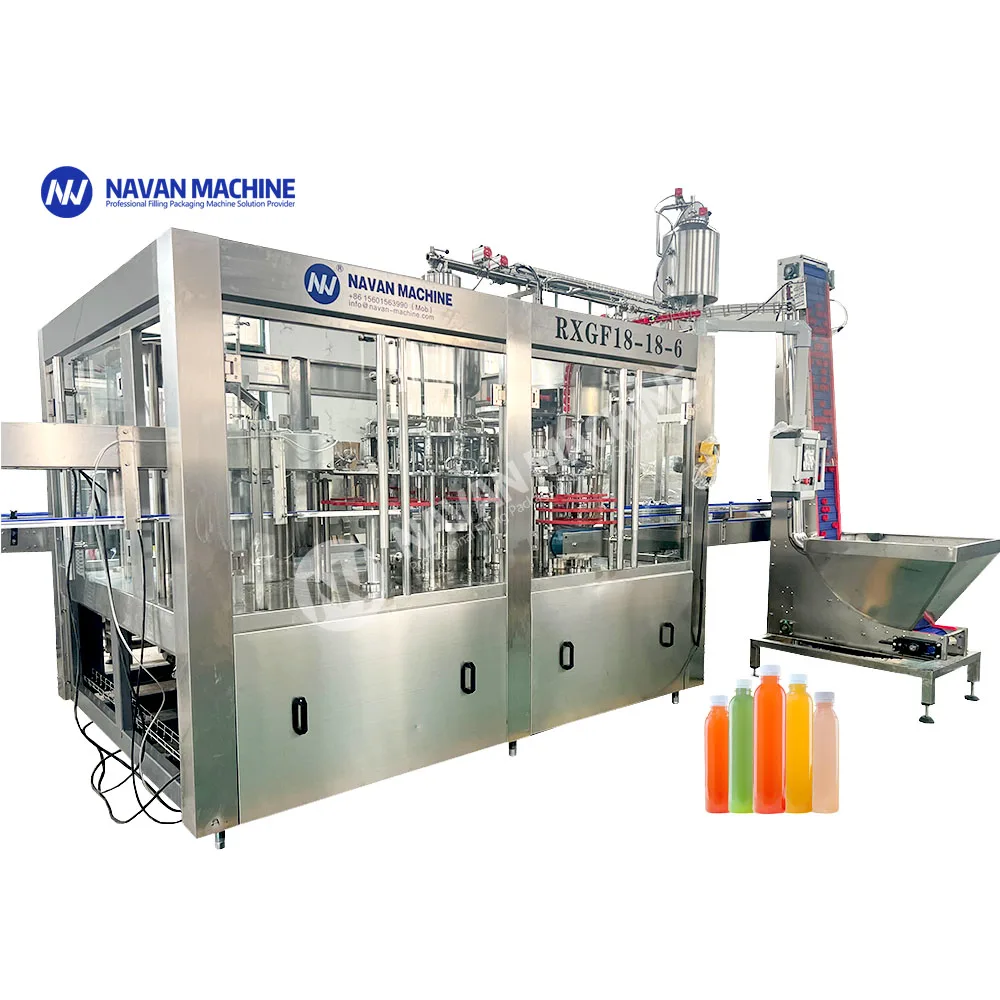
The sophisticated engineering behind contemporary juice filling machine systems incorporates multiple preservation mechanisms that work synergistically to protect delicate flavor compounds and prevent oxidation during the filling process. These systems employ controlled atmosphere technology, precise temperature management, sterile filling environments, and advanced sealing techniques to ensure that the juice maintains its original characteristics from production through final packaging. The effectiveness of these preservation methods directly impacts product shelf life, consumer satisfaction, and brand reputation in the competitive beverage market.
Controlled Atmosphere Technology in Juice Filling Systems
Nitrogen Purging and Inert Gas Protection
Modern juice filling machine designs incorporate nitrogen purging systems that create an inert atmosphere within the filling chamber and packaging containers. This technology replaces oxygen with nitrogen gas, effectively eliminating the primary cause of flavor degradation and color changes in juice products. The nitrogen purging process begins before the juice filling machine operation starts, ensuring that containers are completely free of oxygen before receiving the juice product.
The controlled atmosphere maintained by the juice filling machine prevents enzymatic browning reactions and lipid oxidation that typically occur when juice comes into contact with atmospheric oxygen. This preservation method is particularly crucial for citrus juices, apple juices, and other products containing high levels of ascorbic acid and natural antioxidants. The precision of nitrogen flow rates and timing ensures consistent protection throughout the entire filling cycle.
Advanced juice filling machine systems monitor atmospheric composition in real-time, automatically adjusting nitrogen flow rates to maintain optimal inert conditions. This continuous monitoring capability ensures that even minor variations in production speed or container sizes do not compromise the protective atmosphere, maintaining consistent flavor preservation across all filled products.
Vacuum Filling Technology Implementation
Vacuum filling represents another critical preservation mechanism employed by sophisticated juice filling machine systems. This technology creates a partial vacuum within the containers before and during the filling process, further reducing oxygen contact and preventing foam formation that can trap air bubbles within the juice product. The vacuum environment also facilitates complete container filling without introducing air pockets that could serve as oxidation sites.
The vacuum filling process in a juice filling machine requires precise pressure control to prevent excessive degassing of the juice product while still achieving the desired oxygen removal. Modern systems utilize variable vacuum levels that can be adjusted based on the specific juice characteristics, container size, and desired shelf life parameters. This flexibility ensures optimal preservation regardless of product variations.
Integration of vacuum filling with temperature control systems in the juice filling machine creates synergistic preservation effects. The reduced pressure environment lowers the boiling point of volatile compounds, requiring careful temperature management to prevent loss of desirable flavor components while still achieving effective preservation through oxygen removal.
Temperature Management and Thermal Processing Integration
Cold Filling Process Optimization
Cold filling technology in juice filling machine systems preserves heat-sensitive vitamins, natural enzymes, and delicate flavor compounds that would be damaged by traditional hot filling processes. This preservation method maintains juice temperature between 2°C and 8°C throughout the filling operation, requiring sophisticated refrigeration systems integrated directly into the juice filling machine design.
The cold filling process demands precise temperature monitoring and control systems that prevent temperature fluctuations during production. Even brief exposure to elevated temperatures can trigger enzymatic reactions and vitamin degradation, making consistent thermal management essential for flavor preservation. Modern juice filling machine designs incorporate multiple temperature sensors and automated control systems that maintain optimal conditions throughout the entire filling cycle.
Cold filling requires specialized container handling systems within the juice filling machine to prevent condensation formation and ensure proper sealing despite the temperature differential between the cold juice and ambient environment. This technical complexity necessitates advanced engineering solutions that balance preservation effectiveness with production efficiency requirements.
Heat Tunnel Integration and Post-Fill Processing
When thermal processing is required for shelf-stable juice products, the juice filling machine must integrate seamlessly with heat tunnel systems to minimize thermal exposure time while achieving necessary pathogen elimination. This integration involves precise timing control to ensure that filled containers enter the heat treatment process immediately after sealing, preventing any opportunity for recontamination.
The heat tunnel integration with the juice filling machine requires sophisticated temperature profiling to achieve the minimum thermal treatment necessary for safety while preserving maximum flavor and nutritional quality. Modern systems employ variable speed control and multi-zone heating to create optimal thermal profiles for different juice products and container sizes.
Post-fill thermal processing coordination with the juice filling machine involves automated quality control systems that monitor both temperature achievement and product flow rates. This integration ensures that every container receives identical thermal treatment while maintaining the production efficiency necessary for commercial operations.
Sterile Filling Environment and Contamination Prevention
Clean Room Technology and Air Filtration
Sterile filling environments integrated into juice filling machine designs prevent microbial contamination that could cause off-flavors, spoilage, and reduced shelf life. These systems employ HEPA filtration, positive air pressure maintenance, and continuous environmental monitoring to create and maintain sterile conditions throughout the filling process. The sterile environment prevents introduction of spoilage organisms that could multiply during storage and create undesirable flavor changes.
The air filtration systems in modern juice filling machine installations remove particles, microorganisms, and airborne contaminants that could compromise product quality. Multiple filtration stages ensure that air entering the filling zone meets pharmaceutical-grade cleanliness standards, providing protection against both immediate contamination and long-term quality degradation.
Environmental monitoring systems integrated with the juice filling machine continuously track air quality parameters including particle count, microbial levels, temperature, and humidity. These monitoring systems provide real-time feedback that allows immediate corrective action if environmental conditions deviate from optimal parameters, ensuring consistent protection throughout production runs.
Sanitization Systems and Cross-Contamination Prevention
Automated sanitization systems within the juice filling machine ensure that all product contact surfaces remain free of microorganisms and residues that could affect flavor quality. These systems employ multiple sanitization methods including chemical sanitizers, steam treatment, and UV sterilization to achieve comprehensive pathogen elimination without leaving chemical residues that could impact taste.
Cross-contamination prevention in juice filling machine designs involves sophisticated product flow control systems that prevent mixing of different products or contamination from external sources. These systems include dedicated product lines, automated cleaning cycles between product changes, and physical separation of different processing zones to maintain product integrity.
The sanitization integration with production scheduling in the juice filling machine ensures that cleaning and sterilization cycles occur at optimal intervals without disrupting production efficiency. Automated documentation systems track all sanitization activities, providing complete traceability for quality assurance and regulatory compliance requirements.
Advanced Sealing Technology and Package Integrity
Hermetic Sealing Systems and Oxygen Barrier Properties
The sealing technology integrated into juice filling machine systems creates hermetic seals that prevent oxygen ingress and maintain the protective atmosphere established during filling. These sealing systems must accommodate various container materials and closure types while consistently achieving leak-proof seals that preserve product quality throughout the intended shelf life period.
Advanced sealing systems in the juice filling machine employ multiple quality control mechanisms including seal integrity testing, pressure verification, and automated rejection of improperly sealed containers. This comprehensive quality control ensures that every package maintains its protective barrier properties and prevents flavor degradation due to seal failures.
The sealing force and temperature control systems in modern juice filling machine designs automatically adjust parameters based on container material, closure type, and environmental conditions. This adaptive capability ensures consistent sealing quality regardless of production variables, maintaining flavor preservation effectiveness across diverse operating conditions.
Container Material Compatibility and Barrier Enhancement
The juice filling machine must accommodate various container materials with different oxygen barrier properties, requiring flexible sealing systems that optimize preservation for each packaging format. Glass containers provide excellent barrier properties but require specialized handling systems, while plastic containers may need additional barrier coatings or multi-layer constructions to achieve equivalent preservation performance.
Container preparation systems integrated with the juice filling machine include inspection and cleaning processes that ensure optimal sealing surface conditions. These systems remove dust, moisture, and contamination that could compromise seal integrity and create pathways for oxygen ingress and flavor deterioration.
The compatibility between juice filling machine sealing systems and emerging packaging technologies continues to evolve, with new barrier materials and closure designs requiring ongoing equipment adaptation. This technological evolution enables improved flavor preservation while meeting changing consumer preferences and sustainability requirements in packaging materials.
FAQ
What role does oxygen exposure play in juice flavor degradation during filling?
Oxygen exposure represents the primary cause of flavor degradation during juice filling operations. When juice comes into contact with atmospheric oxygen, it triggers enzymatic browning reactions, vitamin C degradation, and lipid oxidation that create off-flavors and reduce the fresh taste characteristics. Modern juice filling machine systems address this challenge through nitrogen purging, vacuum filling, and controlled atmosphere technology that eliminates oxygen contact throughout the filling process.
How does temperature control in juice filling machines affect flavor preservation?
Temperature control during juice filling directly impacts the preservation of heat-sensitive flavor compounds, vitamins, and natural enzymes that contribute to fresh taste. Cold filling processes maintain juice temperature between 2°C and 8°C to prevent thermal degradation, while integrated refrigeration systems in the juice filling machine ensure consistent temperature maintenance. Proper temperature management prevents enzymatic reactions and volatile compound loss that would otherwise compromise flavor quality and reduce shelf life.
Why is sterile filling environment important for maintaining juice freshness?
A sterile filling environment prevents microbial contamination that leads to spoilage and off-flavor development during storage. Contaminating microorganisms multiply over time, producing metabolic byproducts that create undesirable tastes and odors while consuming natural sugars and acids that contribute to fresh juice flavor. The juice filling machine incorporates HEPA filtration, positive air pressure, and continuous environmental monitoring to maintain sterile conditions that preserve the original flavor profile throughout the product's shelf life.
How do sealing systems in juice filling machines contribute to flavor preservation?
Sealing systems create hermetic barriers that maintain the protective atmosphere established during filling while preventing oxygen ingress and contamination during storage. The quality of the seal directly determines whether the flavor preservation achieved during filling will be maintained throughout the product's shelf life. Advanced juice filling machine sealing technology includes integrity testing, adaptive force control, and compatibility with various container materials to ensure consistent barrier properties that protect flavor compounds from environmental degradation factors.
Table of Contents
- Controlled Atmosphere Technology in Juice Filling Systems
- Temperature Management and Thermal Processing Integration
- Sterile Filling Environment and Contamination Prevention
- Advanced Sealing Technology and Package Integrity
-
FAQ
- What role does oxygen exposure play in juice flavor degradation during filling?
- How does temperature control in juice filling machines affect flavor preservation?
- Why is sterile filling environment important for maintaining juice freshness?
- How do sealing systems in juice filling machines contribute to flavor preservation?