 EN
EN
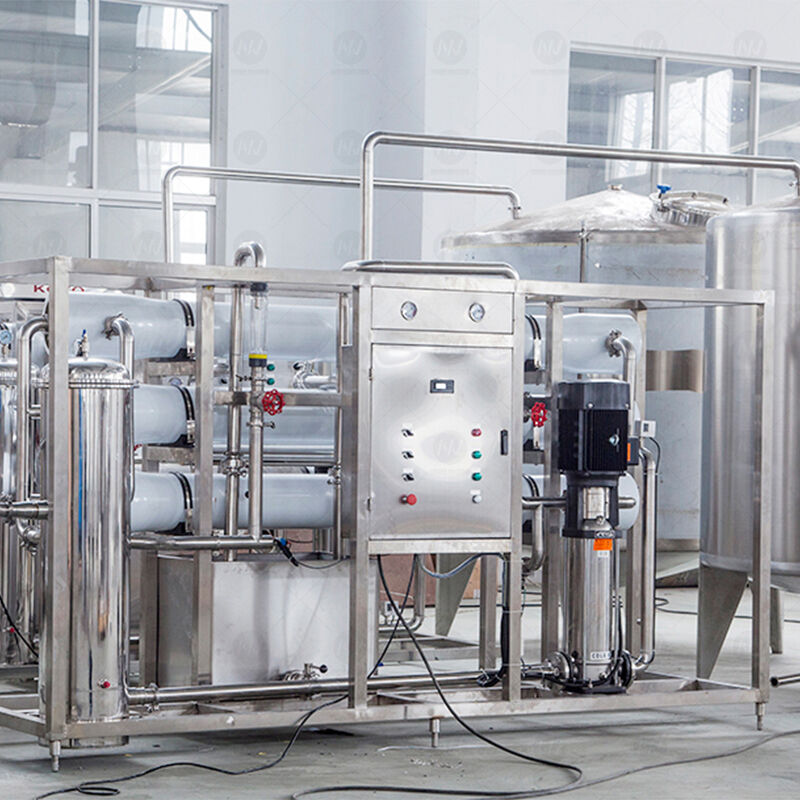
Selecting the best water filling line for bottles ranging from 200ml to 2000ml requires careful consideration of production capacity, precision, reliability, and cost-effectiveness. Modern manufacturing facilities demand automated water filling systems that can handle diverse bottle sizes while maintaining consistent quality standards and meeting regulatory requirements. The ideal water filling line combines advanced technology with robust engineering to deliver exceptional performance across multiple bottle formats without compromising speed or accuracy.
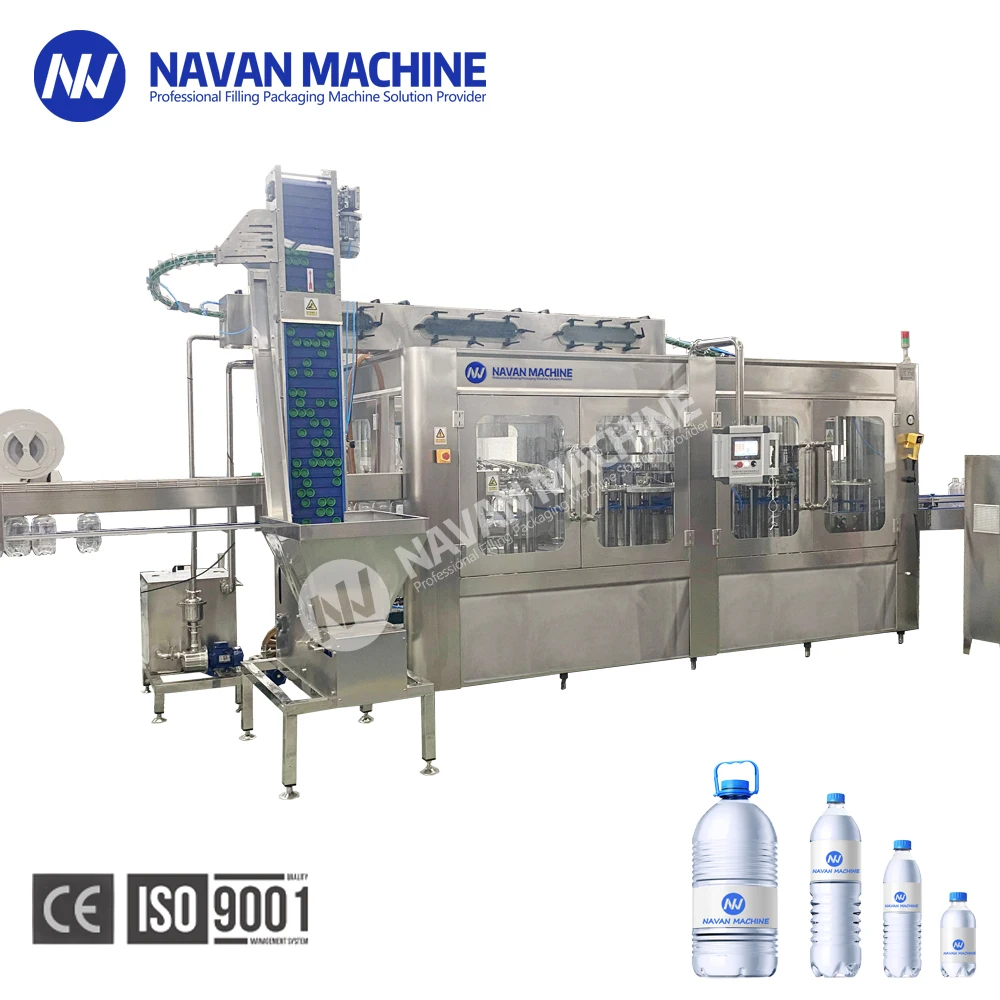
Factory direct pricing for water filling equipment provides significant cost advantages by eliminating intermediary markups and ensuring direct technical support from the manufacturer. This approach enables beverage manufacturers to access premium water filling line technology at competitive rates while establishing long-term partnerships with equipment suppliers. Understanding the key features that define the best water filling solutions helps manufacturers make informed decisions that maximize return on investment and operational efficiency.
Essential Features of Premium Water Filling Lines
Multi-Format Bottle Compatibility
The best water filling line systems incorporate advanced bottle handling mechanisms designed to accommodate the complete range from 200ml to 2000ml containers seamlessly. These systems feature adjustable conveyor guides, variable-height filling nozzles, and programmable control systems that automatically adjust parameters based on bottle specifications. The flexibility to handle multiple bottle sizes without extensive changeover procedures reduces downtime and increases overall production efficiency.
Modern water filling line configurations utilize servo-driven positioning systems that precisely align bottles regardless of their dimensions. This technology ensures consistent fill levels across all bottle sizes while maintaining the high-speed operation essential for commercial production. The ability to switch between different bottle formats within minutes rather than hours represents a critical competitive advantage in today's dynamic beverage market.
Precision Filling Technology
Advanced water filling line systems employ multiple filling technologies including gravity filling, pressure filling, and vacuum filling depending on specific application requirements. Gravity filling systems work excellently for standard water bottles, providing accurate volume control while minimizing foam generation and product waste. The precision of modern filling valves ensures consistent fill levels within tolerances of ±1ml across the entire production run.
Electronic flow meters and weight-based filling controls integrated into premium water filling line equipment provide real-time monitoring and automatic adjustment capabilities. These systems continuously monitor fill accuracy and make micro-adjustments to maintain consistent product quality. The integration of advanced sensors and control systems ensures that every bottle meets specification requirements regardless of production speed variations.
Sanitary Design Standards
Food-grade construction materials and sanitary design principles are fundamental requirements for any water filling line intended for beverage production. Stainless steel components with smooth, crevice-free surfaces facilitate thorough cleaning and prevent bacterial contamination. All product-contact surfaces must meet FDA and international food safety standards to ensure product integrity and consumer safety.
Automated cleaning-in-place (CIP) systems integrated into modern water filling line designs eliminate manual cleaning procedures while ensuring consistent sanitization results. These systems use programmed wash cycles with controlled temperature, chemical concentration, and contact time parameters. The ability to validate cleaning effectiveness through integrated monitoring systems provides documentation required for regulatory compliance and quality assurance programs.
Production Capacity and Efficiency Considerations
Speed and Throughput Optimization
The best water filling line systems balance maximum production speed with consistent quality output across the entire bottle size range. High-performance lines can achieve filling speeds exceeding 1000 bottles per hour for smaller containers while maintaining proportional efficiency for larger bottle formats. Variable-speed drive systems allow operators to optimize production rates based on specific bottle requirements and quality standards.
Integrated line efficiency monitoring systems track overall equipment effectiveness (OEE) by measuring availability, performance, and quality metrics in real-time. This data enables continuous process improvement and helps identify optimization opportunities that increase throughput without compromising product quality. The ability to maintain consistent production rates across different bottle sizes maximizes facility utilization and reduces per-unit production costs.
Automated Quality Control Integration
Modern water filling line systems incorporate multiple quality control checkpoints including fill level inspection, cap torque verification, and leak detection. Vision systems using high-resolution cameras and advanced image processing algorithms inspect every bottle for proper fill levels and detect defects that could compromise product quality. Automatic rejection systems remove non-conforming products without interrupting production flow.
Statistical process control (SPC) capabilities built into advanced water filling line controllers provide real-time quality trend analysis and predictive maintenance alerts. These systems track critical parameters such as fill accuracy, line speed, and reject rates to identify potential issues before they impact product quality. The integration of quality data with production reporting systems enables comprehensive process documentation and regulatory compliance reporting.
Cost-Effectiveness and ROI Analysis
Factory Direct Pricing Advantages
Purchasing a water filling line directly from the manufacturer eliminates distributor markups that can increase equipment costs by 20-40%. Direct factory relationships also provide access to customization options and technical support that may not be available through intermediary suppliers. This approach enables manufacturers to specify exact requirements and receive equipment optimized for their specific production needs.
Factory direct procurement typically includes comprehensive technical support, operator training, and extended warranty coverage that reduces long-term operating costs. Direct communication with engineering teams facilitates rapid resolution of technical issues and access to upgrade options as production requirements evolve. The ability to establish ongoing relationships with equipment manufacturers provides valuable support for facility expansion and process improvement initiatives.
Long-term Operating Economics
The best water filling line investments deliver superior long-term value through reduced maintenance costs, improved energy efficiency, and extended equipment life. Premium components and robust construction minimize unplanned downtime while standardized replacement parts ensure reasonable maintenance costs throughout the equipment lifecycle. Energy-efficient motors and optimized control systems reduce operating costs while supporting sustainability initiatives.
Flexible production capabilities enable manufacturers to respond quickly to market opportunities and product line extensions without additional capital investment. The ability to efficiently produce multiple bottle sizes on a single water filling line reduces facility requirements and inventory complexity. This flexibility provides significant competitive advantages in markets with diverse product portfolios and changing consumer preferences.
Installation and Implementation Success Factors
Facility Integration Requirements
Successful water filling line installation requires careful consideration of facility layout, utility requirements, and integration with existing production systems. Adequate space allocation for equipment access, maintenance activities, and material handling ensures efficient operation and compliance with safety regulations. Proper utility planning including compressed air, electrical power, and water supply prevents installation delays and ensures reliable operation.
Integration with upstream bottle preparation and downstream packaging systems requires compatible conveyor systems and synchronized control systems. Modern water filling line installations utilize programmable logic controllers (PLCs) that communicate seamlessly with other production equipment to maintain smooth material flow and consistent production rates. Proper system integration minimizes manual handling and reduces labor requirements while improving overall production efficiency.
Operator Training and Support Programs
Comprehensive operator training programs ensure safe and efficient water filling line operation while maximizing equipment performance and longevity. Training curriculum should cover equipment operation, routine maintenance procedures, troubleshooting techniques, and safety protocols. Hands-on training with actual production scenarios prepares operators to handle normal operations and respond appropriately to common production challenges.
Ongoing technical support and preventive maintenance programs help maintain optimal water filling line performance throughout the equipment lifecycle. Regular maintenance schedules, replacement part availability, and technical assistance ensure minimal unplanned downtime and consistent production quality. Access to remote diagnostic capabilities and 24/7 technical support provides rapid response to operational issues that could impact production schedules.
FAQ
What bottle size range can the best water filling lines accommodate?
The best water filling line systems are designed to handle bottles ranging from 200ml to 2000ml with minimal changeover requirements. Advanced systems feature adjustable components including conveyor guides, filling nozzles, and capping mechanisms that automatically adjust to different bottle dimensions. This flexibility allows manufacturers to produce multiple product sizes on a single production line, maximizing equipment utilization and reducing capital investment requirements.
How does factory direct pricing compare to distributor pricing for water filling equipment?
Factory direct pricing typically provides cost savings of 20-40% compared to distributor pricing by eliminating intermediary markups and sales commissions. Direct factory relationships also provide access to customization options, extended warranty coverage, and comprehensive technical support that may not be available through distributors. Additionally, factory direct purchasing often includes operator training and installation support that reduces total project costs and accelerates production startup.
What production speeds can be expected from modern water filling line systems?
Modern water filling line systems can achieve production speeds exceeding 1000 bottles per hour for smaller containers (200ml-500ml) while maintaining proportional efficiency for larger bottle formats. Production rates for 1000ml-2000ml bottles typically range from 400-800 bottles per hour depending on specific system configuration and quality requirements. Variable-speed controls allow operators to optimize production rates based on product specifications and quality standards while maintaining consistent fill accuracy.
What maintenance requirements should be expected for water filling line equipment?
Routine maintenance for water filling line equipment includes daily cleaning and sanitization, weekly lubrication of mechanical components, and monthly inspection of critical wear parts such as filling nozzles and conveyor components. Preventive maintenance schedules typically require professional service every 3-6 months to inspect control systems, calibrate sensors, and replace consumable components. Proper maintenance programs can extend equipment life to 15-20 years while maintaining optimal performance and product quality standards.
Table of Contents
- Essential Features of Premium Water Filling Lines
- Production Capacity and Efficiency Considerations
- Cost-Effectiveness and ROI Analysis
- Installation and Implementation Success Factors
-
FAQ
- What bottle size range can the best water filling lines accommodate?
- How does factory direct pricing compare to distributor pricing for water filling equipment?
- What production speeds can be expected from modern water filling line systems?
- What maintenance requirements should be expected for water filling line equipment?