 EN
EN
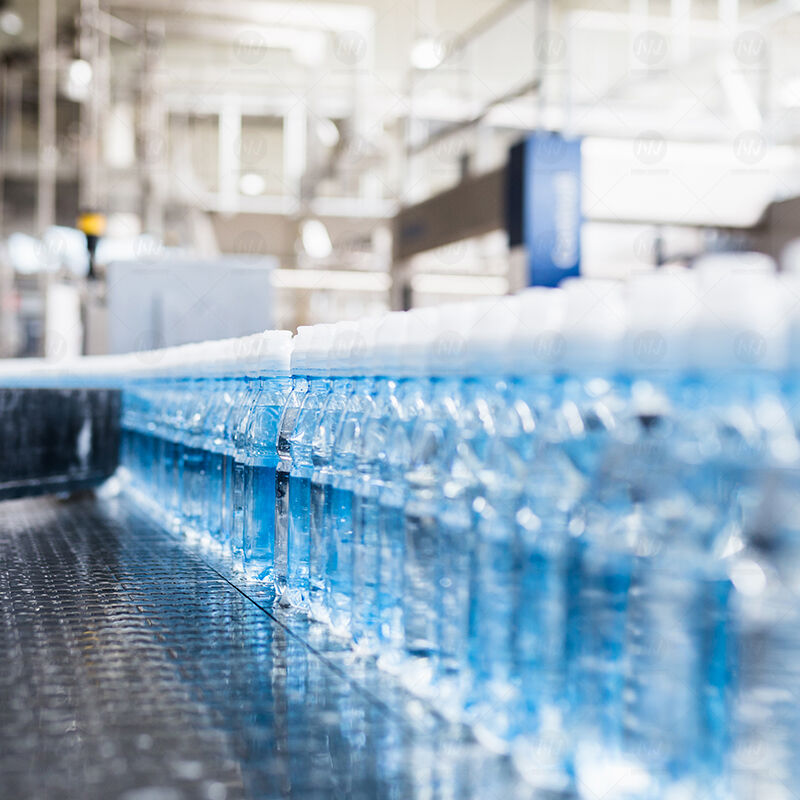
When investing in industrial water bottling equipment, selecting the right water filling line supplier becomes crucial for operational success and long-term profitability. The global market for water filling line systems has evolved significantly, with leading suppliers offering diverse capacity ranges, pricing structures, and technological capabilities that cater to different production requirements from small-scale operations to high-volume industrial facilities.
Understanding the comparative landscape of water filling line suppliers enables businesses to make informed procurement decisions based on production capacity needs, budget constraints, and technical specifications. This comprehensive analysis examines five prominent suppliers in the global market, evaluating their pricing structures, capacity offerings, and distinctive advantages to help manufacturers identify the most suitable water filling line solution for their specific operational requirements.
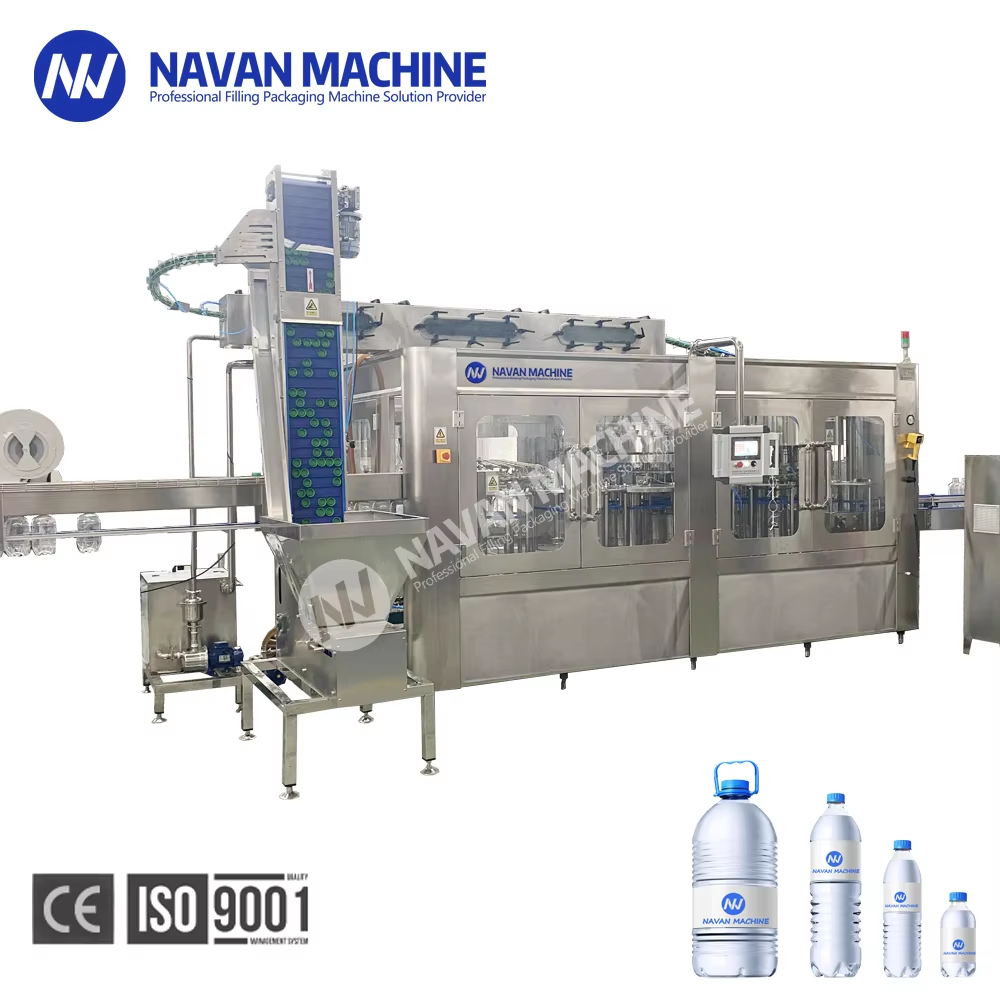
Leading Global Water Filling Line Suppliers Overview
Supplier Selection Criteria and Market Positioning
The selection of top water filling line suppliers is based on several critical factors including production capacity range, technological innovation, global market presence, and customer satisfaction metrics. These suppliers have established themselves through consistent delivery of reliable water filling line systems that meet international quality standards and regulatory requirements across different markets.
Each supplier brings unique strengths to the water filling line market, whether through specialized capacity ranges, innovative filling technologies, or competitive pricing strategies. The diversity in their offerings allows manufacturers to find solutions that align with specific production goals, from entry-level systems for emerging businesses to high-capacity water filling line installations for established industrial operations.
Market positioning among these suppliers varies significantly, with some focusing on premium technology solutions while others emphasize cost-effective water filling line systems for price-sensitive markets. Understanding these positioning strategies helps buyers identify which supplier aligns best with their operational philosophy and budget parameters.
Geographic Distribution and Service Networks
The global reach of water filling line suppliers significantly impacts service delivery, maintenance support, and spare parts availability. Leading suppliers have established comprehensive service networks that ensure prompt technical support and minimize production downtime for water filling line operations worldwide.
Regional presence affects not only initial installation and commissioning but also ongoing operational support for water filling line systems. Suppliers with strong local partnerships can provide faster response times, cultural understanding of local business practices, and compliance with regional regulatory requirements that govern water bottling operations.
The distribution strategy of each water filling line supplier influences pricing structures, delivery timelines, and after-sales support quality. Manufacturers should consider the supplier's presence in their target markets when evaluating long-term partnership potential and operational sustainability.
Capacity Range Analysis Across Suppliers
Small to Medium Scale Production Capabilities
Small to medium scale water filling line systems typically handle production volumes ranging from 500 to 5,000 bottles per hour, making them ideal for regional bottling operations, startup companies, and businesses testing market demand. These systems balance affordability with functionality, offering essential filling capabilities without the complexity of high-volume industrial equipment.
The water filling line suppliers focusing on this segment provide modular systems that allow for future expansion as production demands grow. These scalable solutions enable businesses to start with basic capacity and gradually add components or upgrade to higher-capacity water filling line configurations as their market presence strengthens.
Pricing for small to medium capacity water filling line systems generally ranges from $15,000 to $80,000, depending on automation level, bottle size flexibility, and included peripheral equipment such as capping machines, labeling systems, and quality control mechanisms.
High Volume Industrial Production Systems
High-volume water filling line systems are designed for large-scale operations requiring production speeds exceeding 10,000 bottles per hour, with premium systems reaching capacities of 36,000 bottles per hour or more. These industrial-grade systems incorporate advanced automation, precision filling controls, and integrated quality assurance mechanisms.
The complexity of high-volume water filling line systems requires sophisticated engineering and robust construction materials to maintain consistent performance under continuous operation. These systems often include features such as automatic bottle inspection, precise fill-level control, nitrogen dosing for extended shelf life, and integrated cleaning-in-place systems.
Investment requirements for high-capacity water filling line systems typically range from $200,000 to $1.5 million, with prices varying based on production speed, automation sophistication, and customization requirements for specific bottle formats or production environments.
Pricing Structure Comparison
Initial Investment Requirements
The initial investment for a water filling line varies dramatically based on production capacity, automation level, and supplier positioning in the market. Entry-level systems suitable for small operations typically require investments between $10,000 and $50,000, while mid-range water filling line systems for growing businesses fall within the $50,000 to $200,000 range.
High-end water filling line systems designed for industrial-scale operations represent significant capital investments, often exceeding $500,000 for complete production lines including ancillary equipment. The pricing structure reflects the sophisticated engineering, precision manufacturing, and advanced control systems required for consistent high-volume production.
Suppliers often provide financing options, leasing arrangements, or phased implementation plans to make water filling line investments more accessible. These financial structures allow businesses to balance cash flow requirements with production capacity needs while maintaining competitive market positioning.
Total Cost of Ownership Considerations
Beyond initial purchase price, the total cost of ownership for a water filling line includes ongoing operational expenses, maintenance requirements, spare parts availability, and energy consumption. These factors significantly impact the long-term financial viability of different supplier options and should be carefully evaluated during the selection process.
Maintenance costs for water filling line systems typically range from 5% to 15% of the initial investment annually, depending on system complexity, operating conditions, and maintenance program quality. Suppliers offering comprehensive maintenance packages or training programs can reduce these costs while ensuring optimal system performance.
Energy efficiency varies among water filling line suppliers, with modern systems incorporating variable frequency drives, efficient motors, and optimized control algorithms that can reduce operational costs by 15% to 30% compared to older technology platforms.
Technology and Innovation Comparison
Filling Technology Advancements
Modern water filling line systems incorporate various filling technologies including gravity filling, pressure filling, and vacuum filling methods, each optimized for different bottle materials, sizes, and production requirements. The choice of filling technology significantly impacts production efficiency, product quality, and system maintenance requirements.
Advanced water filling line systems feature servo-driven filling valves that provide precise volume control, reducing product waste and ensuring consistent fill levels across production runs. These precision systems maintain filling accuracy within ±1% tolerance levels, meeting stringent quality standards required for commercial water bottling operations.
Integration of smart sensors and real-time monitoring systems in water filling line equipment enables predictive maintenance, quality assurance, and production optimization. These technological advancements reduce downtime, improve product consistency, and provide valuable operational data for continuous improvement initiatives.
Automation and Control Systems
The level of automation in water filling line systems varies from basic manual operations to fully automated production lines with integrated quality control, packaging, and palletizing capabilities. Higher automation levels reduce labor requirements while improving production consistency and safety standards.
Modern water filling line control systems utilize programmable logic controllers with human-machine interfaces that simplify operation, enable rapid changeovers between bottle formats, and provide comprehensive production reporting capabilities. These systems support multiple recipe storage, automatic parameter adjustment, and remote monitoring capabilities.
The sophistication of automation in water filling line systems directly correlates with production efficiency, quality consistency, and operational flexibility. Advanced systems can automatically adjust filling parameters based on bottle variations, environmental conditions, and production targets without manual intervention.
Supplier Evaluation Criteria
Technical Support and Service Quality
The quality of technical support provided by water filling line suppliers significantly impacts long-term operational success and system reliability. Leading suppliers offer comprehensive support packages including installation supervision, operator training, preventive maintenance programs, and 24/7 technical assistance for critical production issues.
Service network coverage affects response times for water filling line maintenance and emergency repairs. Suppliers with local service centers can provide faster support, reducing production downtime and maintaining operational efficiency during critical production periods.
Training programs offered by water filling line suppliers vary in comprehensiveness and effectiveness. Quality training ensures operators understand system capabilities, maintenance requirements, and troubleshooting procedures, directly impacting system performance and longevity.
Customization Capabilities and Flexibility
The ability to customize water filling line systems for specific production requirements, bottle formats, or facility constraints distinguishes premium suppliers from standard equipment providers. Customization capabilities enable optimal integration with existing production infrastructure and unique operational requirements.
Flexibility in water filling line design allows for future modifications, capacity expansions, or format changes without requiring complete system replacement. This adaptability provides long-term value and protects capital investments against changing market demands or business growth requirements.
Some water filling line suppliers specialize in turnkey solutions that include facility design, utility requirements, and integration with packaging and quality control systems. This comprehensive approach simplifies project management while ensuring optimal system performance and regulatory compliance.
FAQ
What factors determine the price of a water filling line system?
The price of a water filling line system depends on production capacity, automation level, filling technology type, bottle size range, and included peripheral equipment. Basic systems for small operations start around $15,000, while high-capacity industrial systems can exceed $1 million. Additional factors include customization requirements, supplier brand positioning, service package inclusions, and regional market conditions that affect pricing strategies.
How do I determine the right capacity for my water filling line needs?
Capacity selection for a water filling line should be based on current production requirements plus 20-30% growth allowance for future expansion. Consider peak demand periods, shift patterns, and maintenance downtime when calculating capacity needs. Analyze market projections, distribution capabilities, and storage limitations to ensure the selected water filling line capacity aligns with realistic business projections and operational constraints.
What ongoing costs should I budget for a water filling line operation?
Ongoing costs for water filling line operations include maintenance expenses (5-15% of initial investment annually), spare parts inventory, energy consumption, operator training, and periodic system upgrades. Factor in consumables like filters, seals, and lubricants, plus potential costs for capacity expansions or format changes. Quality control testing, regulatory compliance, and insurance should also be included in operational budgets.
How important is local service support when choosing a water filling line supplier?
Local service support is crucial for water filling line operations as it directly affects response times for maintenance, emergency repairs, and technical assistance. Suppliers with regional service centers can provide faster support, reducing costly production downtime. Consider the supplier's service network coverage, spare parts availability, and local technical expertise when evaluating long-term operational viability and support quality for your water filling line investment.