 EN
EN
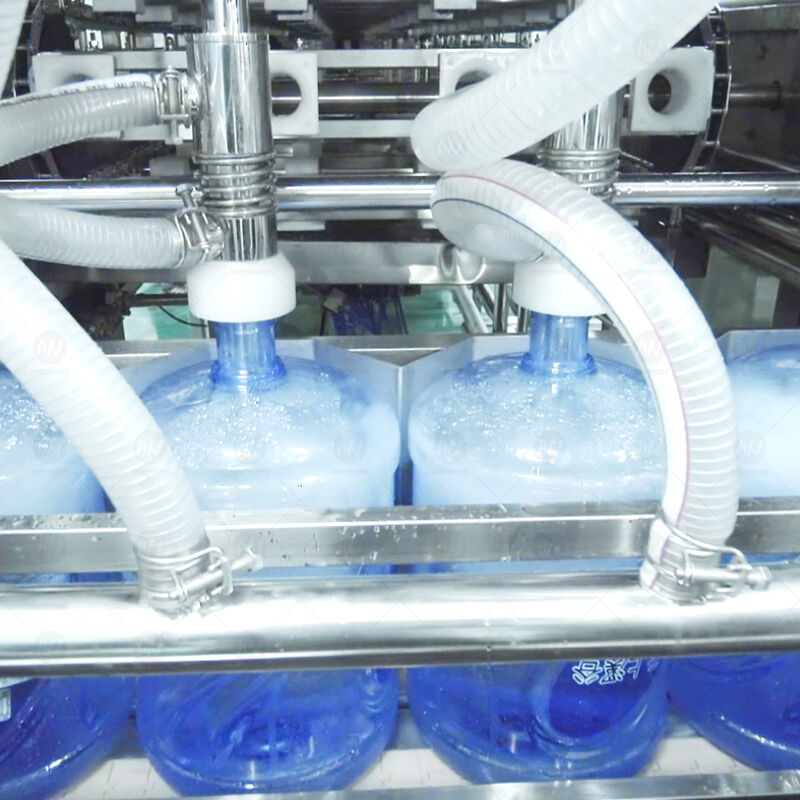
Modern beverage manufacturing demands seamless integration between production equipment to maintain efficiency, quality, and cost-effectiveness. When implementing a juice filling machine in a production facility, the critical question becomes how this core equipment synchronizes with downstream labeling and packaging operations to create a unified workflow.
The integration process involves multiple technical considerations, from conveyor belt synchronization to control system compatibility, each playing a vital role in ensuring smooth material flow from filling through final packaging. Understanding these integration mechanisms helps manufacturers optimize their production lines for maximum throughput while maintaining product quality and minimizing downtime.
Conveyor System Synchronization and Material Flow
Belt Speed Coordination
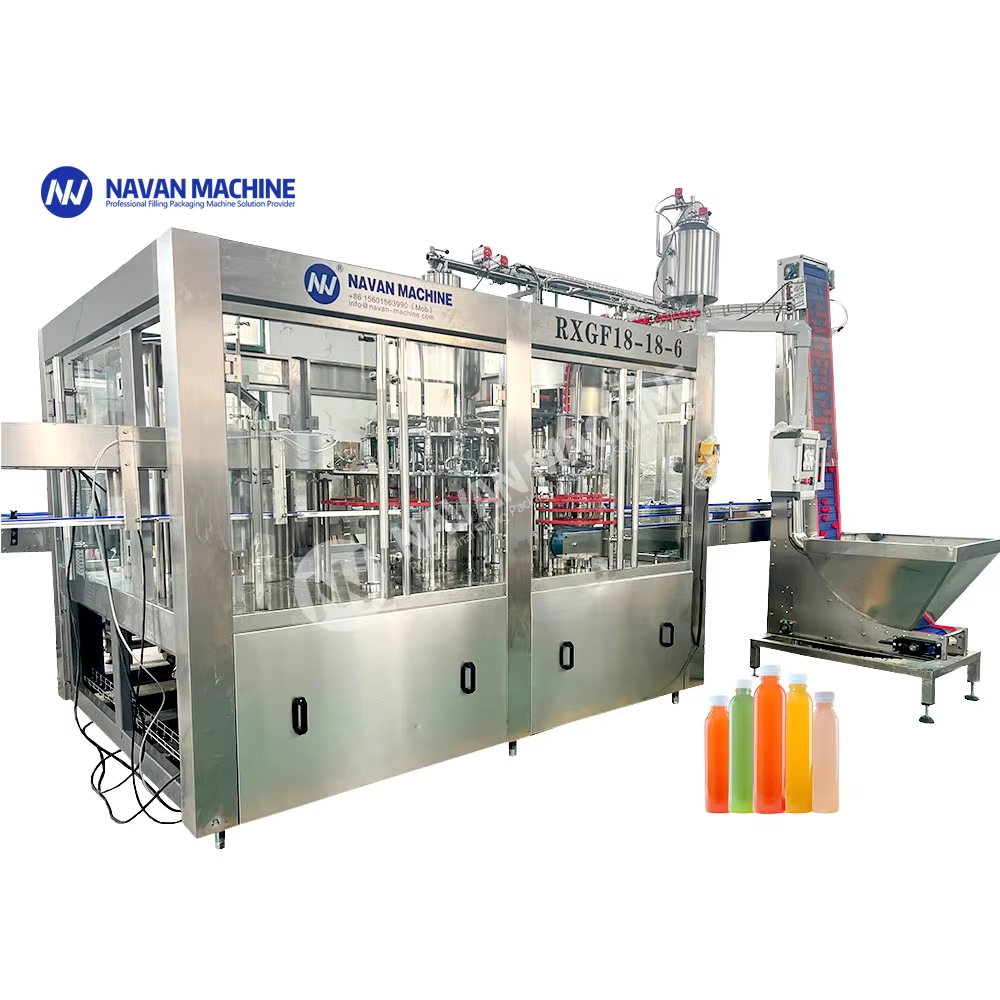
The foundation of successful juice filling machine integration lies in precise conveyor belt speed synchronization across all stations. Each juice filling machine operates at a specific cycles-per-minute rate, which must match the downstream labeling and packaging equipment to prevent bottlenecks or product accumulation. Modern systems utilize variable frequency drives that allow real-time speed adjustments to accommodate different container sizes and production requirements.
Speed coordination extends beyond simple matching of belt velocities. The system must account for acceleration and deceleration zones where containers transition between different processes. Buffer zones between the juice filling machine and labeling stations provide temporary storage to compensate for minor speed variations, ensuring continuous operation even when minor timing discrepancies occur.
Advanced integration systems employ feedback loops that monitor container position and automatically adjust conveyor speeds to maintain optimal spacing. This dynamic adjustment capability proves essential when switching between different product types or container configurations, allowing the juice filling machine to adapt seamlessly to varying production demands.
Container Positioning and Transfer Mechanisms
Precise container positioning represents another critical aspect of juice filling machine integration with labeling systems. Star wheels, timing screws, and indexing mechanisms ensure containers maintain proper orientation and spacing as they move from filling to labeling stations. These mechanical components must be calibrated to handle the specific container geometry and weight distribution after filling.
Transfer mechanisms between stations require careful engineering to prevent container damage or spillage. Gentle handling becomes particularly important for juice products, where foam generation or product agitation can affect final product quality. Smooth transitions with minimal height changes and gradual acceleration curves help maintain product integrity throughout the integrated line.
Container guides and rails must accommodate the filled containers' changed weight distribution and potential label application requirements. The juice filling machine integration design considers label placement zones, ensuring adequate clearance for labeling heads while maintaining secure container control throughout the process.
Control System Integration and Communication Protocols
PLC Network Architecture
Modern juice filling machine integration relies heavily on programmable logic controller networks that enable real-time communication between filling, labeling, and packaging equipment. These systems typically employ industrial Ethernet protocols or fieldbus networks to share operational data, alarm conditions, and production statistics across all connected equipment.
The network architecture must support bidirectional communication, allowing the juice filling machine to receive production schedule information while simultaneously providing fill-level feedback and operational status to downstream equipment. This communication enables predictive adjustments, such as pre-positioning labeling equipment when the filling machine approaches changeover requirements.
Integration protocols standardize data formats and communication timing to ensure compatibility between equipment from different manufacturers. Common protocols include EtherNet/IP, Profibus, and Modbus, each offering specific advantages for different aspects of juice filling machine integration depending on the complexity and scale of the production line.
Synchronized Start-Stop Operations
Coordinated start-stop sequences prevent product waste and equipment damage during line startup and shutdown procedures. The juice filling machine integration system manages these sequences to ensure downstream equipment is ready before filling operations begin, preventing overfilling of buffer zones or improper container positioning during labeling operations.
Emergency stop systems require integration across all line components, ensuring that a safety trigger at any station immediately halts the entire production sequence. The juice filling machine must respond to these signals within specified time limits to prevent product spillage or container damage during emergency situations.
Restart procedures following planned or emergency stops require careful coordination to clear any containers remaining in the system and ensure proper timing alignment before resuming production. Automated restart sequences reduce operator intervention requirements while maintaining safety and quality standards.
Quality Control and Inspection Integration
In-Line Monitoring Systems
Quality control integration between juice filling machine operations and labeling systems ensures that only properly filled containers receive labels and proceed to packaging. Vision systems positioned after the filling station can detect under-filled, over-filled, or improperly capped containers before they reach labeling equipment, preventing waste of labels and packaging materials.
These monitoring systems communicate rejection decisions to downstream equipment, triggering automatic container removal before labeling occurs. The juice filling machine integration includes rejection mechanisms that divert defective containers without disrupting the flow of acceptable products, maintaining production efficiency while ensuring quality standards.
Data collected by quality monitoring systems feeds back to the juice filling machine control system, enabling automatic adjustments to filling parameters when trends indicate potential quality issues. This closed-loop control minimizes waste while maintaining consistent product quality throughout production runs.
Traceability and Data Collection
Integrated traceability systems track individual containers from filling through final packaging, creating comprehensive production records for quality assurance and regulatory compliance. The juice filling machine contributes filling timestamps, batch codes, and quality measurements to a central database that labeling and packaging equipment can access for lot tracking purposes.
Barcode or QR code application during labeling operations incorporates data generated at the filling station, creating unique identifiers that link each finished product to its production history. This integration enables rapid response to quality issues and facilitates efficient product recall procedures when necessary.
Production analytics derived from integrated data collection help identify optimization opportunities across the entire line. Patterns in juice filling machine performance data combined with labeling accuracy statistics and packaging efficiency metrics provide insights for continuous improvement initiatives.
Changeover Procedures and Format Flexibility
Container Format Changes
Efficient changeover procedures for different container sizes or shapes require coordinated adjustments across the juice filling machine and all downstream equipment. Automated changeover systems can simultaneously adjust filling head positions, conveyor guides, labeling station settings, and packaging equipment configurations to minimize downtime between production runs.
Format change procedures must account for the time required to purge product lines, clean filling nozzles, and verify proper equipment positioning before production resumes. The juice filling machine integration system coordinates these activities to optimize changeover timing while maintaining sanitary conditions and quality standards.
Recipe management systems store configuration parameters for different products and container combinations, enabling rapid recall of proven settings during changeover operations. These systems ensure consistent setup accuracy while reducing the potential for operator errors that could affect product quality or equipment performance.
Product Type Variations
Different juice products may require varying filling temperatures, viscosities, or foam control measures that affect integration with labeling and packaging operations. The juice filling machine must communicate these product characteristics to downstream equipment, enabling appropriate adjustments for adhesive selection, label application pressure, or packaging material handling.
Cleaning-in-place procedures between different product types require coordination across the integrated line to ensure complete sanitation without cross-contamination. The juice filling machine integration system manages cleaning sequences that may affect multiple stations simultaneously, optimizing cleaning time while maintaining hygienic production standards.
Product-specific quality parameters established at the filling station must be communicated to inspection systems positioned throughout the integrated line. This ensures that labeling accuracy, cap torque specifications, and packaging integrity checks align with the specific requirements of each juice product being processed.
FAQ
What are the main communication protocols used for juice filling machine integration?
The most commonly used communication protocols include EtherNet/IP, Profibus, and Modbus. These industrial networking standards enable real-time data exchange between the juice filling machine and labeling or packaging equipment, supporting coordinated operation, alarm management, and production data collection across the integrated line.
How do buffer systems work between filling and labeling stations?
Buffer systems typically consist of accumulation conveyors or rotary tables that provide temporary container storage between the juice filling machine and labeling equipment. These buffers compensate for minor speed variations between stations and allow continued operation during brief maintenance activities, maintaining overall line efficiency while preventing production interruptions.
What safety considerations are important for integrated juice filling lines?
Safety integration requires coordinated emergency stop systems, proper guarding across all stations, and lockout-tagout procedures that account for multiple pieces of interconnected equipment. The juice filling machine integration must also include safety interlocks that prevent operation when access doors are open or when downstream equipment is not ready to receive containers.
How does integration affect overall equipment effectiveness measurements?
Integrated systems provide comprehensive OEE data by combining availability, performance, and quality metrics from the juice filling machine and all connected equipment. This integrated measurement approach identifies bottlenecks more accurately and enables targeted improvement efforts that optimize the entire production line rather than individual equipment pieces.
Table of Contents
- Conveyor System Synchronization and Material Flow
- Control System Integration and Communication Protocols
- Quality Control and Inspection Integration
- Changeover Procedures and Format Flexibility
-
FAQ
- What are the main communication protocols used for juice filling machine integration?
- How do buffer systems work between filling and labeling stations?
- What safety considerations are important for integrated juice filling lines?
- How does integration affect overall equipment effectiveness measurements?