 EN
EN
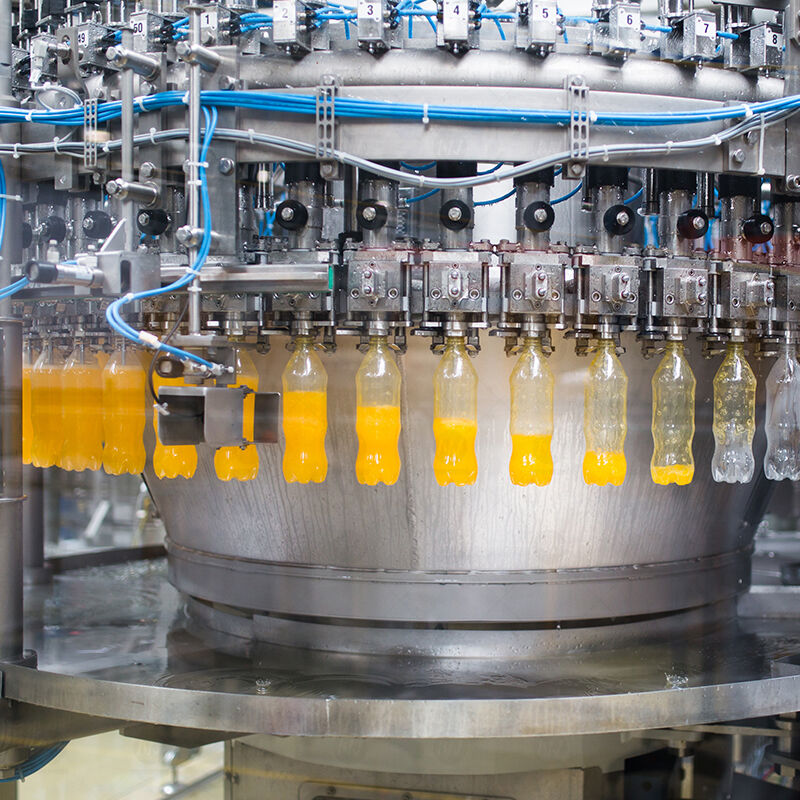
Selecting the appropriate juice filling machine for your production line represents a critical decision that directly impacts product quality, operational efficiency, and long-term profitability. The choice between equipment designed for PET bottles versus glass containers requires careful evaluation of multiple technical and business factors. Understanding the specific requirements of your juice product, container specifications, and production volume goals forms the foundation for making an informed equipment selection decision.
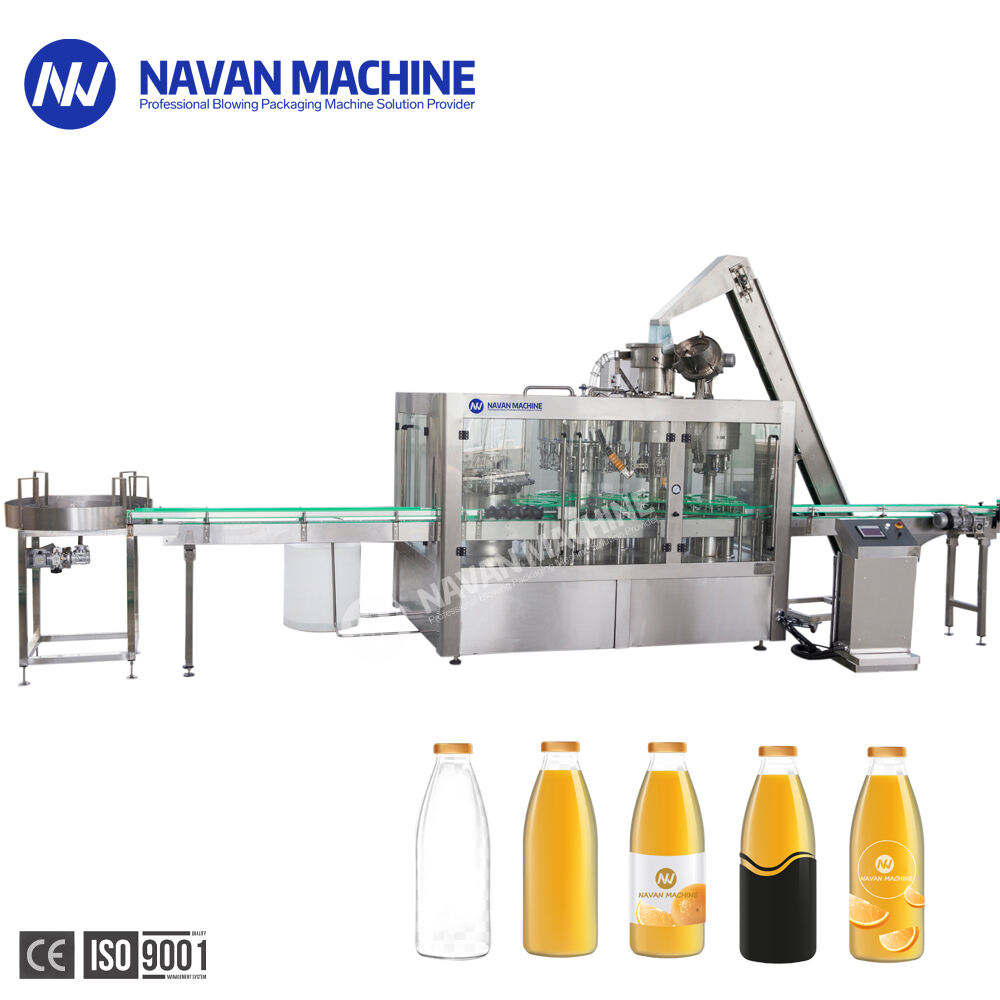
Modern juice filling machine technology offers sophisticated solutions tailored to handle different container materials while maintaining product integrity and maximizing throughput efficiency. The selection process involves analyzing container compatibility, filling accuracy requirements, production capacity needs, and specialized features necessary for juice preservation. This comprehensive evaluation ensures your chosen equipment aligns with both current operational demands and future scaling requirements for sustainable business growth.
Understanding Container Material Requirements
PET Bottle Specifications and Handling
PET bottles present unique handling characteristics that influence juice filling machine selection significantly. These lightweight containers require precise grip mechanisms and gentle handling to prevent deformation during the filling process. The filling speed must be carefully calibrated to accommodate PET's flexibility while maintaining consistent volume accuracy across high-speed production runs.
Temperature considerations become particularly important when working with PET containers, as excessive heat can cause bottle distortion or compromised structural integrity. Your juice filling machine should incorporate temperature monitoring systems and cooling mechanisms to ensure optimal filling conditions. Additionally, the equipment must accommodate various PET bottle shapes and sizes commonly used in juice packaging applications.
Static electricity control represents another crucial factor when handling PET bottles in automated filling systems. The machine design should include anti-static measures to prevent bottle adherence issues and ensure smooth material flow throughout the production process. Proper PET bottle orientation and positioning mechanisms are essential for achieving consistent fill levels and minimizing product waste.
Glass Bottle Handling Considerations
Glass bottles require robust handling systems capable of managing heavier weights while preventing breakage during the filling operation. The juice filling machine must incorporate specialized gripping mechanisms designed specifically for glass container dimensions and weight distribution. Impact-resistant conveyor systems and cushioned bottle guides help minimize the risk of container damage during transport.
Thermal shock considerations become critical when filling glass bottles with temperature-sensitive juice products. The equipment should provide controlled temperature management to prevent rapid temperature changes that could cause glass stress fractures. Gradual temperature adjustment capabilities ensure container integrity while maintaining optimal juice quality throughout the filling process.
Glass bottle cleaning and preparation requirements often necessitate integrated washing stations within the filling line. Your selected juice filling machine should accommodate pre-filling bottle preparation procedures, including rinsing, sanitizing, and air drying capabilities. These features ensure proper hygiene standards while optimizing overall production efficiency for glass container operations.
Production Capacity and Speed Analysis
Volume Requirements Assessment
Determining your current and projected production volumes provides the foundation for selecting an appropriately sized juice filling machine. Calculate daily, weekly, and seasonal production targets to identify peak capacity requirements that your equipment must handle efficiently. Consider market growth projections and expansion plans to ensure the selected machine can accommodate future scaling without requiring immediate replacement.
Different container sizes and juice varieties may require varying filling speeds and cycle times. Analyze your product portfolio to understand the complexity of changeovers between different bottle types and juice formulations. The juice filling machine should provide flexible configuration options to handle diverse production requirements without significant downtime between product runs.
Seasonal demand fluctuations in juice consumption patterns require equipment capable of operating efficiently at various production levels. Your machine selection should consider both minimum viable production rates and maximum surge capacity requirements. This flexibility ensures optimal resource utilization throughout different market demand cycles while maintaining consistent product quality standards.
Operational Efficiency Metrics
Evaluate the overall equipment effectiveness metrics including availability, performance rate, and quality rate when comparing different juice filling machine options. Higher efficiency ratings translate directly into improved profitability through reduced waste, minimized downtime, and optimized labor utilization. Consider machines that offer real-time monitoring and reporting capabilities for continuous performance optimization.
Changeover time requirements between different products or container types significantly impact overall production efficiency. Modern juice filling machine designs incorporate quick-change features and tool-free adjustments to minimize transition periods. Evaluate the complexity and duration of format changes required for your specific product mix and container variety needs.
Energy consumption patterns and utility requirements affect long-term operational costs beyond the initial equipment investment. Compare power consumption ratings, compressed air usage, and water consumption requirements across different machine models. Energy-efficient designs often provide substantial cost savings over the equipment's operational lifetime while supporting sustainability initiatives.
Technical Features and Precision Requirements
Filling Accuracy and Consistency
Precision filling capabilities directly impact product quality, regulatory compliance, and material cost management in juice production operations. Modern juice filling machine technology offers various filling methods including gravity filling, pressure filling, and vacuum filling, each suited to different product characteristics and container requirements. Evaluate the accuracy specifications and repeatability performance of different filling technologies for your specific applications.
Temperature-sensitive juice products require filling systems that maintain precise temperature control throughout the process. The equipment should provide consistent thermal management to preserve flavor profiles, nutritional content, and shelf stability. Advanced temperature monitoring and control systems ensure optimal filling conditions while preventing product degradation during the packaging process.
Foaming control represents a critical consideration for juice filling applications, particularly with citrus-based products and those containing natural pulp or fiber content. The selected juice filling machine should incorporate anti-foaming mechanisms such as controlled fill rates, specialized nozzle designs, and vacuum systems to minimize foam generation during the filling process.
Hygiene and Sanitation Systems
Food safety regulations require comprehensive cleaning and sanitization capabilities built into juice filling machine designs. Clean-in-place systems should provide automated washing cycles with programmable parameters for different cleaning agents and sanitizing solutions. The equipment design must facilitate easy access for manual cleaning procedures while minimizing contamination risks during maintenance operations.
Product contact surfaces require food-grade materials and finishes that resist corrosion, wear, and bacterial growth. Stainless steel construction with appropriate surface treatments ensures compliance with food safety standards while providing durability for long-term operation. Evaluate the material specifications and certifications provided with different juice filling machine options.
Sterile filling capabilities become essential for extended shelf-life juice products and those targeting premium market segments. Aseptic filling technology requires sophisticated environmental controls, sterilization systems, and contamination prevention measures. Consider whether your product portfolio requires these advanced features or if standard sanitary filling methods meet your quality requirements.
Integration and Automation Capabilities
Production Line Compatibility
Seamless integration with existing production equipment ensures optimal workflow efficiency and minimizes installation complexity. Evaluate the mechanical and electrical interface requirements for connecting your chosen juice filling machine with upstream bottle handling systems and downstream capping, labeling, and packaging equipment. Standardized communication protocols facilitate easier integration and future equipment additions.
Conveyor system compatibility affects material flow efficiency and reduces potential bottlenecks in the production line. The filling machine should accommodate your existing conveyor specifications including belt width, speed ranges, and height requirements. Adjustable conveyor interfaces provide flexibility for future line modifications and equipment upgrades.
Control system integration enables centralized monitoring and management of the entire production line from a single operator interface. Modern juice filling machine designs offer advanced connectivity options including Ethernet, fieldbus communication, and cloud-based monitoring capabilities. These features support real-time production optimization and predictive maintenance programs.
Quality Control and Monitoring
Automated quality control systems built into the juice filling machine provide continuous monitoring of critical parameters including fill levels, container integrity, and product quality indicators. Vision systems can detect fill level variations, foam levels, and container defects to automatically reject non-conforming products. These features reduce manual inspection requirements while ensuring consistent quality standards.
Data collection and reporting capabilities support quality management systems and regulatory compliance documentation requirements. The equipment should provide detailed production logs, quality metrics, and traceability information for batch tracking and recall procedures. Integration with enterprise resource planning systems enables real-time production visibility and inventory management.
Preventive maintenance scheduling and condition monitoring features help optimize equipment reliability and minimize unplanned downtime. Advanced juice filling machine designs incorporate sensors and diagnostic systems that monitor component wear, lubrication levels, and performance parameters. Predictive maintenance capabilities reduce maintenance costs while ensuring consistent production availability.
FAQ
What are the main differences between filling machines for PET and glass bottles?
The primary differences lie in handling mechanisms, weight capacity, and safety requirements. Glass bottle filling machines require more robust gripping systems and impact-resistant conveyors due to the heavier weight and fragility of glass containers. PET bottle machines focus on gentle handling to prevent deformation and include anti-static measures. Temperature control systems also vary, with glass requiring more gradual thermal management to prevent stress fractures.
How do I determine the right production capacity for my juice filling machine?
Calculate your peak production requirements by analyzing current volumes, seasonal demand fluctuations, and growth projections over the next 3-5 years. Consider the variety of container sizes and juice types in your product portfolio, as these affect changeover times and overall efficiency. Factor in a capacity buffer of 20-30% above current peak demands to accommodate unexpected growth and ensure consistent delivery during high-demand periods.
What maintenance requirements should I consider when choosing a juice filling machine?
Evaluate daily cleaning and sanitization procedures, preventive maintenance schedules, and availability of replacement parts. Consider machines with clean-in-place systems to reduce manual cleaning time and ensure consistent hygiene standards. Access to technical support, training programs, and local service representation affects long-term operational success. Review warranty terms and maintenance cost estimates to understand total ownership expenses beyond the initial purchase price.
How important is automation level in juice filling machine selection?
Automation level directly impacts labor requirements, consistency, and scalability potential. Higher automation reduces manual intervention, minimizes human error, and enables faster production speeds. However, increased automation requires higher initial investment and more sophisticated maintenance capabilities. Evaluate your current workforce skills, training capabilities, and long-term growth plans to determine the optimal automation level that balances efficiency gains with operational complexity and investment requirements.
Table of Contents
- Understanding Container Material Requirements
- Production Capacity and Speed Analysis
- Technical Features and Precision Requirements
- Integration and Automation Capabilities
-
FAQ
- What are the main differences between filling machines for PET and glass bottles?
- How do I determine the right production capacity for my juice filling machine?
- What maintenance requirements should I consider when choosing a juice filling machine?
- How important is automation level in juice filling machine selection?