
 EN
EN
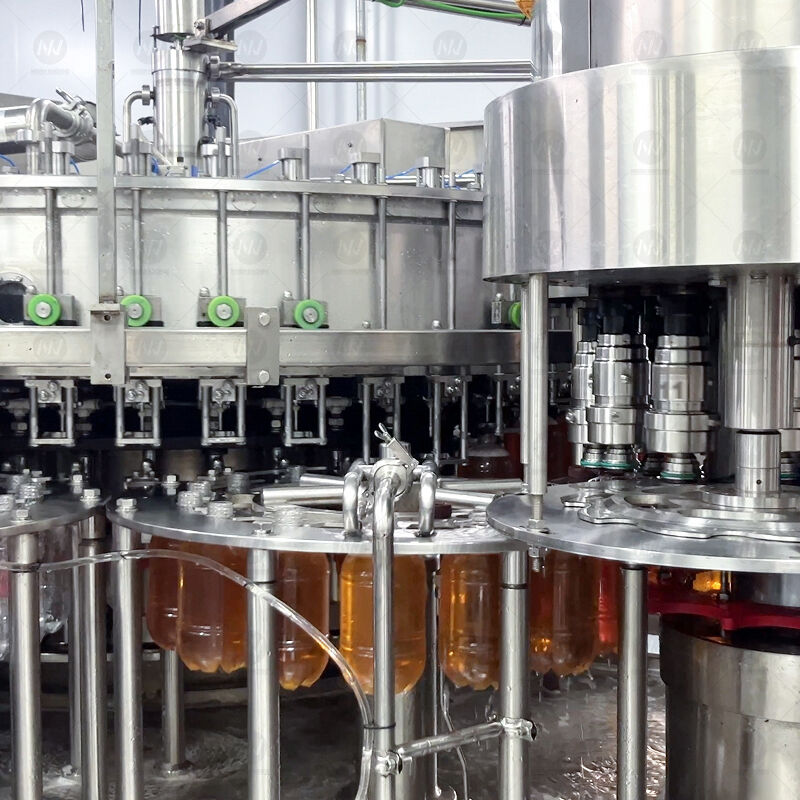
Modern beer production relies heavily on specialized equipment to preserve the delicate balance of carbonation and foam that defines quality beer. A beer filling machine operates through sophisticated engineering principles that protect dissolved carbon dioxide while controlling foam formation during the bottling process. These machines use precise pressure control systems, counter-pressure filling techniques, and temperature management to ensure that carbonated beverages maintain their intended characteristics from brewery tank to consumer bottle.
The complexity of maintaining carbonation during filling requires understanding both the physical chemistry of dissolved gases and the mechanical systems that prevent their premature release. Professional beer filling machine designs incorporate multiple technological approaches to address pressure differentials, temperature fluctuations, and agitation forces that could otherwise compromise product quality. This intricate process demands precise coordination between various subsystems to achieve consistent results across thousands of bottles per hour.
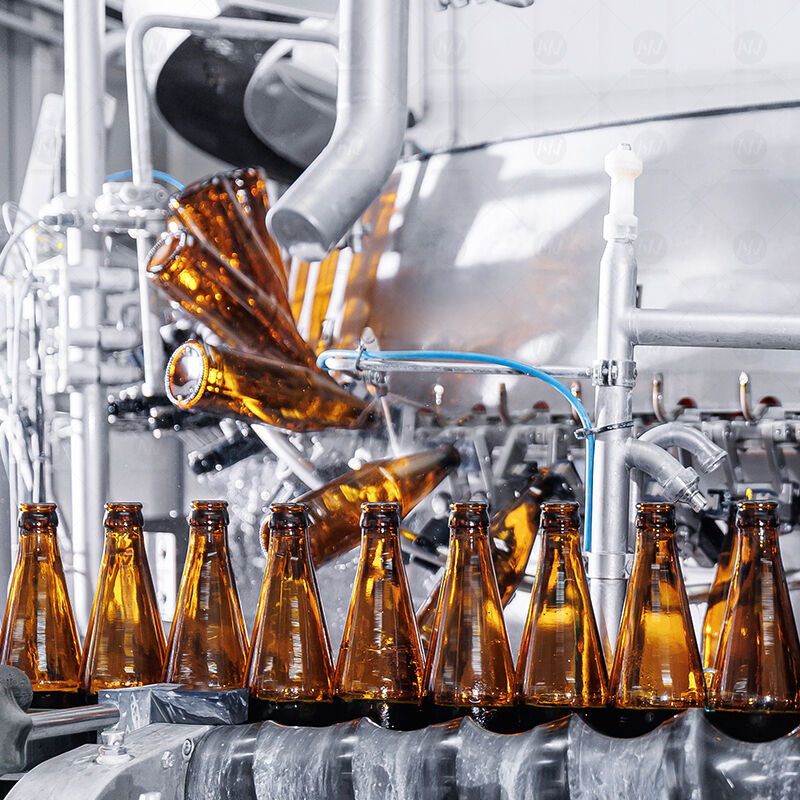
Counter-Pressure Filling Technology
Pressure Equalization Mechanism
The foundation of carbonation preservation in any beer filling machine lies in counter-pressure technology, which creates an environment where bottles are pressurized before filling begins. This system introduces carbon dioxide or nitrogen gas into empty bottles at pressures matching or slightly exceeding the carbonation pressure of the incoming beer. The pressure equalization prevents rapid degassing that would occur if carbonated liquid were introduced into an unpressurized container.
During the equalization phase, the beer filling machine carefully monitors pressure differentials using precision sensors and control valves. The timing of this process typically requires several seconds to ensure complete pressure matching throughout the bottle volume. Advanced systems incorporate feedback loops that adjust gas introduction rates based on real-time pressure measurements, accounting for variations in bottle volume, ambient temperature, and incoming beer characteristics.
The effectiveness of pressure equalization directly impacts foam formation during filling. When pressure differentials exist between the beer and bottle environment, dissolved carbon dioxide rapidly expands into gas bubbles, creating excessive foam that displaces liquid volume and affects fill accuracy. Professional beer filling machine designs minimize these differentials through precise pressure control protocols.
Gas Recovery Systems
Sophisticated beer filling machine installations incorporate gas recovery systems that capture and recycle the pressurization gases used during filling operations. These systems serve dual purposes of reducing operational costs and maintaining consistent pressure environments throughout the filling process. Recovery systems typically include gas purification components that remove moisture and contaminants before reintroducing captured gases into the pressurization cycle.
The gas recovery process begins during bottle evacuation phases, where previously introduced pressurization gas is extracted and processed through filtration systems. Quality beer filling machine designs ensure that recovered gases maintain purity standards equivalent to fresh gas supplies, preventing contamination that could affect product flavor or carbonation stability. These systems often incorporate real-time gas analysis equipment to monitor purity levels continuously.
Integration of gas recovery systems with beer filling machine control systems enables automatic adjustment of gas composition based on specific beer styles and carbonation requirements. Different beer types require varying carbonation levels, and recovery systems can blend recovered gases with fresh supplies to achieve precise carbon dioxide concentrations for each production run.
Foam Control Strategies
Fill Valve Design and Operation
The design of fill valves within a beer filling machine plays a crucial role in controlling foam generation during liquid transfer. Modern fill valves incorporate multiple design features including variable flow rates, laminar flow patterns, and specialized nozzle geometries that minimize turbulence during filling. These valves operate on principles that reduce fluid agitation while maintaining efficient filling speeds required for commercial production.
Progressive fill valve systems employed in advanced beer filling machine designs begin with slow flow rates that gradually increase as bottles reach target fill levels. This approach prevents the sudden pressure changes and fluid impacts that typically trigger excessive foam formation. The initial slow-fill phase allows beer to enter bottles with minimal disturbance to dissolved carbon dioxide, while subsequent flow increases maintain production efficiency.
Specialized nozzle designs direct beer flow patterns to minimize contact with bottle walls and previously filled liquid surfaces. Some beer filling machine configurations use bottom-up filling techniques where beer enters through tube extensions that reach near bottle bottoms, allowing liquid levels to rise smoothly without creating splash patterns that promote foam formation. These systems require precise coordination between fill valve positioning and liquid flow control.
Temperature Management Systems
Temperature control represents another critical aspect of foam management in beer filling machine operations. Lower temperatures increase the solubility of carbon dioxide in beer, reducing the tendency for gas to escape during filling processes. Professional filling systems incorporate temperature monitoring and control systems that maintain beer temperatures within optimal ranges throughout the filling operation.
Cooling systems integrated with beer filling machine designs typically include jacketed supply lines, temperature-controlled holding tanks, and sometimes bottle pre-cooling systems that prepare containers for cold beer reception. The temperature differential between beer and bottles can significantly impact foam formation, with large differentials creating thermal shock that promotes rapid degassing.
Advanced beer filling machine installations may include real-time temperature monitoring at multiple points throughout the filling process, with automatic adjustments to fill rates, pressure settings, and gas composition based on temperature variations. These systems ensure consistent foam control even when ambient temperatures fluctuate or when processing different beer batches with varying thermal characteristics.
Pressure Control Systems
Dynamic Pressure Regulation
Modern beer filling machine systems employ dynamic pressure regulation that continuously adjusts operating pressures based on real-time conditions during filling operations. These systems incorporate multiple pressure sensors positioned throughout the filling circuit, monitoring conditions in supply tanks, distribution manifolds, individual fill stations, and bottle headspaces. The collected data enables automatic pressure adjustments that maintain optimal conditions for carbonation preservation.
The complexity of dynamic pressure control in a beer filling machine requires sophisticated control algorithms that account for multiple variables simultaneously. These include beer temperature variations, carbonation levels of incoming product, bottle volume differences, and environmental factors such as atmospheric pressure changes. Advanced systems use predictive control strategies that anticipate pressure requirements based on historical data and current operating parameters.
Pressure regulation systems within beer filling machine designs often incorporate redundant control elements to ensure consistent operation even if primary control components experience failures. These backup systems maintain critical pressure relationships that prevent carbonation loss or excessive foam formation during equipment malfunctions or maintenance activities.
Headspace Management
Controlling the headspace environment above filled beer represents a crucial aspect of carbonation maintenance in beer filling machine operations. After liquid filling completes, the remaining headspace typically contains a mixture of air and carbon dioxide that can affect long-term carbonation stability. Professional filling systems incorporate headspace purging or displacement procedures that replace air with carbon dioxide or nitrogen gas.
Headspace management systems integrated with beer filling machine designs calculate optimal gas volumes based on bottle dimensions, fill levels, and desired shelf-life characteristics. Some systems inject measured quantities of gas to create slight positive pressure that prevents oxygen ingress during capping operations, while others use vacuum extraction followed by controlled gas introduction to achieve precise headspace compositions.
The timing of headspace management procedures requires coordination with capping operations to minimize exposure to atmospheric conditions. Advanced beer filling machine systems incorporate automated headspace analysis equipment that verifies gas composition before sealing, ensuring that each bottle meets specifications for carbonation retention and flavor stability.
Quality Control and Monitoring
Carbonation Level Verification
Professional beer filling machine installations incorporate various methods for verifying carbonation levels in filled products to ensure consistency and quality. These verification systems may include online carbonation analyzers that measure dissolved carbon dioxide concentrations in real-time, allowing immediate adjustments to filling parameters when deviations occur. Such systems provide continuous feedback about the effectiveness of carbonation preservation strategies.
Laboratory analysis protocols complement automated monitoring systems in beer filling machine quality control programs. Regular sampling and testing procedures verify that filled products meet carbonation specifications and identify trends that might indicate equipment drift or process variations. These analyses often include measurements of dissolved carbon dioxide, foam stability, and sensory characteristics that affect consumer perception.
Statistical process control methods applied to beer filling machine operations track carbonation-related parameters over time, identifying patterns that help optimize filling conditions. Control charts monitoring fill volumes, pressure variations, temperature fluctuations, and carbonation levels enable proactive adjustments that maintain consistent product quality while minimizing waste from off-specification products.
Process Optimization Techniques
Continuous improvement methodologies applied to beer filling machine operations focus on optimizing the balance between production efficiency and carbonation preservation. These techniques involve systematic analysis of process variables, identification of optimization opportunities, and implementation of improvements that enhance both product quality and operational performance.
Data collection systems integrated with modern beer filling machine designs capture detailed information about operating conditions, product characteristics, and quality outcomes. Advanced analytics applied to this data reveal relationships between process parameters and carbonation retention, enabling evidence-based optimization decisions that improve overall system performance.
Predictive maintenance programs for beer filling machine systems include specific attention to components that affect carbonation control, such as pressure sensors, control valves, and gas handling systems. Regular calibration and maintenance of these critical components ensure consistent performance in maintaining carbonation and foam balance throughout extended production campaigns.
FAQ
What happens if pressure equalization fails during beer filling?
When pressure equalization fails in a beer filling machine, excessive foam formation occurs as dissolved carbon dioxide rapidly expands due to pressure differentials. This results in incomplete fills, product waste, and potential contamination of filling equipment. Most modern systems include automatic detection of pressure failures and will halt filling operations to prevent quality issues until proper pressure conditions are restored.
How does temperature affect carbonation retention in beer filling machines?
Temperature significantly impacts carbonation solubility, with colder beer holding more dissolved carbon dioxide and producing less foam during filling. Beer filling machine systems typically maintain temperatures between 32-38°F (0-3°C) during filling operations. Higher temperatures reduce carbon dioxide solubility and increase foam formation, while temperatures that are too low can cause packaging material brittleness and handling difficulties.
Can beer filling machines handle different carbonation levels for various beer styles?
Yes, modern beer filling machine systems include programmable controls that adjust pressure settings, fill rates, and gas compositions to accommodate different beer styles with varying carbonation requirements. Light lagers typically require 2.4-2.6 volumes of CO2, while wheat beers may need 3.0-4.0 volumes. The filling machine automatically adjusts operating parameters based on product specifications programmed for each beer style.
What role does bottle material play in carbonation preservation during filling?
Bottle material affects both the filling process and long-term carbonation retention. Glass bottles provide excellent gas barrier properties but require careful temperature management to prevent thermal shock. PET bottles offer lighter weight but have higher gas permeability, requiring adjusted headspace management and sometimes barrier coatings. Beer filling machine systems adjust filling parameters based on bottle material characteristics to optimize carbonation preservation for each packaging type.
Table of Contents
- Counter-Pressure Filling Technology
- Foam Control Strategies
- Pressure Control Systems
- Quality Control and Monitoring
-
FAQ
- What happens if pressure equalization fails during beer filling?
- How does temperature affect carbonation retention in beer filling machines?
- Can beer filling machines handle different carbonation levels for various beer styles?
- What role does bottle material play in carbonation preservation during filling?