 EN
EN
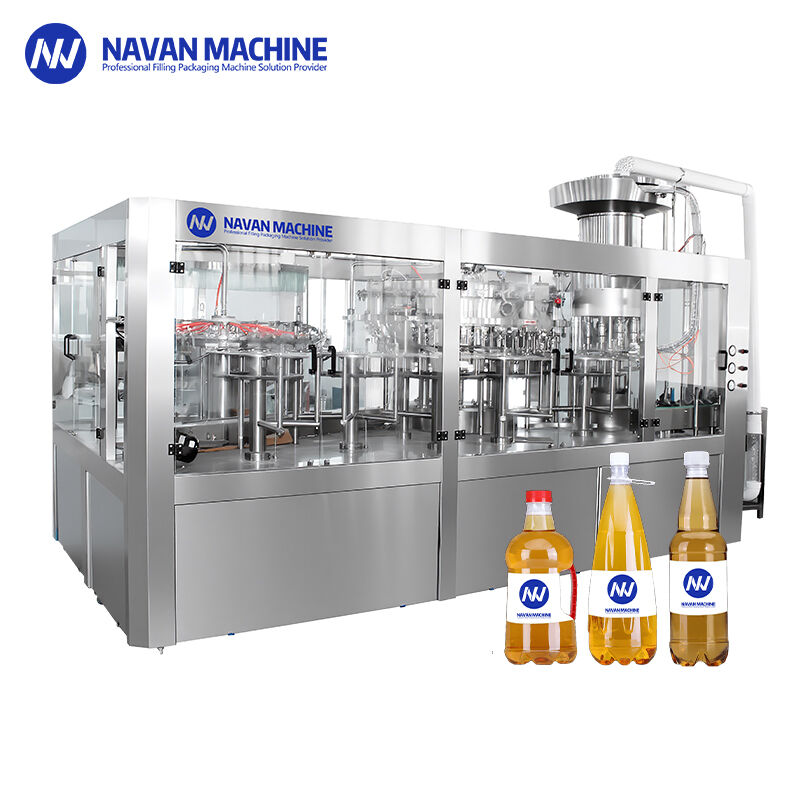
Selecting the right supplier for commercial beer filling equipment represents one of the most critical decisions in establishing or expanding a brewery operation. The choice directly impacts production efficiency, product quality, operational costs, and long-term business success. With numerous suppliers offering varying levels of expertise, equipment quality, and service support, breweries must navigate a complex landscape to identify partners who can deliver reliable, high-performance solutions that align with their specific production requirements and growth objectives.
The supplier selection process for commercial beer filling equipment extends far beyond comparing basic specifications and pricing. Successful breweries recognize that the right supplier partnership encompasses technical expertise, manufacturing quality, after-sales support, spare parts availability, and the ability to provide customized solutions that meet unique operational requirements. Understanding the key evaluation criteria and following a systematic approach to supplier assessment ensures that brewery operators make informed decisions that support both immediate production needs and future expansion plans.
Technical Capabilities and Manufacturing Standards
Equipment Design and Engineering Expertise
A reliable supplier of commercial beer filling equipment must demonstrate comprehensive engineering capabilities and deep understanding of brewery operations. Evaluate suppliers based on their technical team's experience in designing filling systems specifically for beer applications, including knowledge of foam control, oxygen pickup prevention, and fill level accuracy requirements. The supplier should provide detailed technical documentation, including process flow diagrams, equipment specifications, and performance guarantees that align with your production goals.
Manufacturing standards play a crucial role in determining equipment reliability and longevity. Assess the supplier's production facilities, quality control processes, and adherence to international standards such as ISO certifications and food-grade manufacturing requirements. Suppliers with robust quality management systems typically produce more consistent, reliable equipment that requires less maintenance and delivers better long-term performance for brewery operations.
Customization and Scalability Options
Commercial beer filling equipment requirements vary significantly based on production volumes, bottle sizes, packaging formats, and specific brewery processes. A qualified supplier should offer customization capabilities to adapt equipment designs to your specific operational needs. This includes flexibility in line speeds, container handling systems, filling valve configurations, and integration capabilities with existing brewery equipment and control systems.
Scalability considerations are essential for growing brewery operations. Evaluate suppliers who can provide modular equipment designs that allow for capacity expansion without requiring complete system replacement. The ability to upgrade line speeds, add additional filling heads, or integrate new packaging formats ensures that your commercial beer filling equipment investment remains viable as your business grows and market demands evolve.
Quality Control and Compliance Standards
Food Safety and Regulatory Compliance
Food safety compliance represents a non-negotiable requirement for commercial beer filling equipment suppliers. Verify that suppliers understand and adhere to relevant food safety regulations, including FDA guidelines, USDA requirements, and international food safety standards. Equipment designs should incorporate sanitary design principles, easy cleaning access, and materials that meet food-grade specifications for direct product contact applications.
Documentation and compliance support from suppliers should include material certificates, cleaning validation protocols, and guidance on implementing proper sanitation procedures. Reliable suppliers provide comprehensive documentation packages that support brewery compliance efforts and facilitate regulatory inspections. This includes detailed cleaning and sanitization procedures, maintenance schedules, and validation testing protocols for critical control points.
Testing and Validation Procedures
Comprehensive testing and validation procedures demonstrate a supplier's commitment to delivering reliable commercial beer filling equipment. Inquire about factory acceptance testing protocols, including fill accuracy testing, contamination prevention verification, and system performance validation under various operating conditions. Suppliers should provide detailed test reports and performance data that verify equipment meets specified requirements before shipment.
Site acceptance testing capabilities and support ensure proper equipment installation and commissioning at your brewery facility. Reliable suppliers offer on-site testing services, performance verification, and operator training to ensure smooth startup and optimal equipment performance. This includes validation of integration with existing brewery systems and verification that all safety and quality parameters meet established specifications.
Service Support and Technical Assistance
Installation and Commissioning Services
Professional installation and commissioning services significantly impact the success of commercial beer filling equipment implementation. Evaluate suppliers based on their ability to provide experienced installation teams, comprehensive commissioning procedures, and thorough operator training programs. Proper installation ensures optimal equipment performance, minimizes startup issues, and reduces the risk of operational problems that could impact production schedules.
Commissioning support should include system optimization, process parameter validation, and documentation of all equipment settings and procedures. Reliable suppliers work closely with brewery personnel to ensure complete understanding of equipment operation, maintenance requirements, and troubleshooting procedures. This collaborative approach facilitates smooth transition to production operations and helps establish proper maintenance practices from the outset.
Ongoing Technical Support and Training
Long-term technical support capabilities distinguish reliable suppliers from those offering only transactional relationships. Assess suppliers based on their technical support infrastructure, including availability of experienced service technicians, remote diagnostic capabilities, and response times for critical support requests. Comprehensive support programs should include preventive maintenance guidance, troubleshooting assistance, and access to technical expertise when operational issues arise.
Training programs for brewery personnel ensure proper operation and maintenance of commercial beer filling equipment throughout its service life. Reliable suppliers offer multiple training formats, including on-site instruction, facility-based training programs, and ongoing educational resources. Comprehensive training covers equipment operation, maintenance procedures, safety protocols, and troubleshooting techniques that enable brewery staff to maximize equipment performance and minimize downtime.
Financial Considerations and Value Assessment
Total Cost of Ownership Analysis
Evaluating suppliers for commercial beer filling equipment requires comprehensive analysis of total cost of ownership rather than focusing solely on initial purchase prices. Consider factors including equipment acquisition costs, installation expenses, training costs, ongoing maintenance requirements, spare parts availability, and expected equipment lifespan. Suppliers offering lower initial prices may result in higher long-term costs due to increased maintenance requirements, higher spare parts costs, or shorter equipment life.
Energy efficiency and operational costs represent significant ongoing expenses for commercial beer filling equipment operations. Compare suppliers based on equipment energy consumption, compressed air requirements, water usage, and other operational inputs. More efficient equipment designs may justify higher initial investments through reduced operating costs over the equipment's service life, particularly in high-volume production environments.
Financing Options and Payment Terms
Financing flexibility can significantly impact the feasibility of commercial beer filling equipment investments, particularly for growing brewery operations with limited capital resources. Evaluate suppliers based on available financing programs, lease options, and payment terms that align with your cash flow requirements and business growth plans. Some suppliers offer equipment financing programs or partnerships with equipment financing companies that provide favorable terms for brewery applications.
Payment term flexibility and milestone-based payment structures help manage cash flow during equipment procurement and installation phases. Reliable suppliers typically offer reasonable payment terms that align payments with project milestones, including design approval, manufacturing completion, delivery, installation, and final acceptance testing. This approach helps breweries manage working capital requirements while ensuring supplier performance throughout the project lifecycle.
Supplier Track Record and References
Industry Experience and Project Portfolio
Evaluating a supplier's track record in commercial beer filling equipment applications provides valuable insights into their capabilities and reliability. Review the supplier's project portfolio, including similar brewery installations, equipment types supplied, and project complexity handled. Suppliers with extensive brewery experience better understand industry-specific requirements, common challenges, and best practices for successful equipment implementation.
Project references from existing brewery customers offer firsthand insights into supplier performance, equipment reliability, and service quality. Request references from breweries with similar production requirements, equipment configurations, and operational challenges. Direct communication with reference customers provides valuable information about equipment performance, supplier responsiveness, and overall satisfaction with the supplier relationship.
Long-term Partnership Potential
Assessing suppliers for long-term partnership potential ensures continued support throughout the equipment lifecycle and future expansion projects. Consider factors including supplier financial stability, commitment to the brewery industry, ongoing product development efforts, and willingness to invest in long-term customer relationships. Suppliers demonstrating commitment to continuous improvement and industry innovation provide better long-term value for brewery operations.
Geographic proximity and service network coverage impact the supplier's ability to provide responsive support and service. While global suppliers may offer competitive pricing and advanced technology, local or regional presence often translates to better service response times, reduced service costs, and more personalized support relationships. Balance these considerations based on your specific support requirements and operational priorities.
FAQ
What are the most important technical specifications to evaluate when choosing commercial beer filling equipment suppliers?
Key technical specifications include fill accuracy capabilities, line speed ranges, container size flexibility, foam control systems, oxygen pickup prevention features, and integration capabilities with existing brewery equipment. Additionally, evaluate sanitary design features, cleaning system compatibility, and automation levels that align with your production requirements and quality standards.
How can I verify the reliability and quality of a commercial beer filling equipment supplier?
Verify supplier reliability through reference checks with existing brewery customers, facility visits to assess manufacturing capabilities, review of quality certifications and compliance documentation, and evaluation of technical support infrastructure. Request detailed project portfolios, performance data, and warranty terms to assess the supplier's commitment to quality and customer satisfaction.
What service and support capabilities should I expect from a reliable equipment supplier?
Reliable suppliers should provide comprehensive installation and commissioning services, operator training programs, ongoing technical support, preventive maintenance guidance, and responsive troubleshooting assistance. Additionally, expect access to spare parts, remote diagnostic capabilities, and periodic equipment performance reviews to ensure optimal long-term operation.
How do I balance initial equipment costs with long-term value when selecting suppliers?
Focus on total cost of ownership analysis that includes initial purchase price, installation costs, operating expenses, maintenance requirements, spare parts costs, and expected equipment lifespan. Consider energy efficiency, reliability history, and supplier support quality as factors that impact long-term value beyond initial pricing comparisons.
Table of Contents
- Technical Capabilities and Manufacturing Standards
- Quality Control and Compliance Standards
- Service Support and Technical Assistance
- Financial Considerations and Value Assessment
- Supplier Track Record and References
-
FAQ
- What are the most important technical specifications to evaluate when choosing commercial beer filling equipment suppliers?
- How can I verify the reliability and quality of a commercial beer filling equipment supplier?
- What service and support capabilities should I expect from a reliable equipment supplier?
- How do I balance initial equipment costs with long-term value when selecting suppliers?