 EN
EN
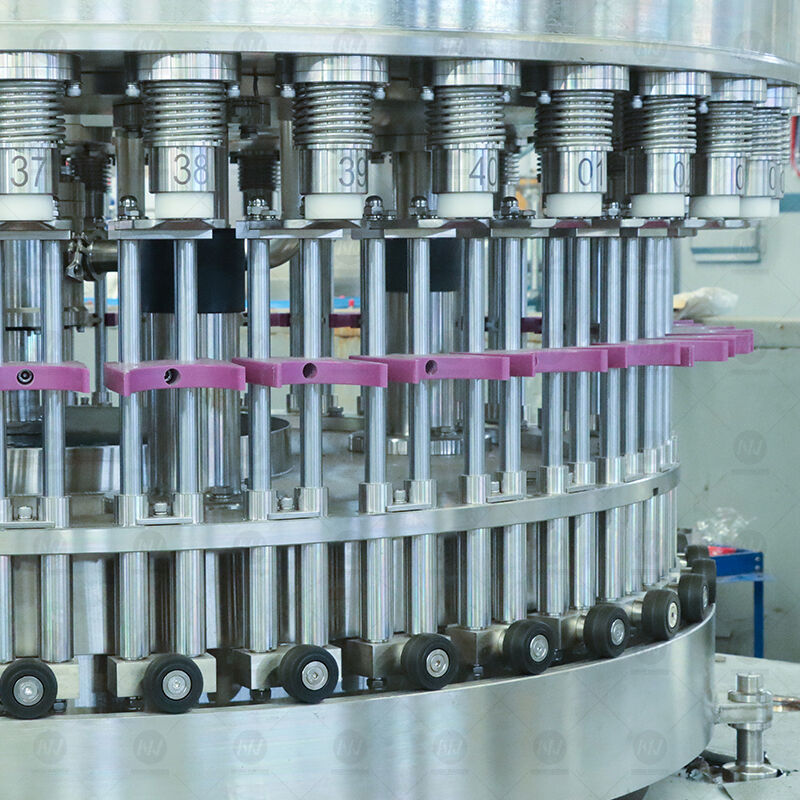
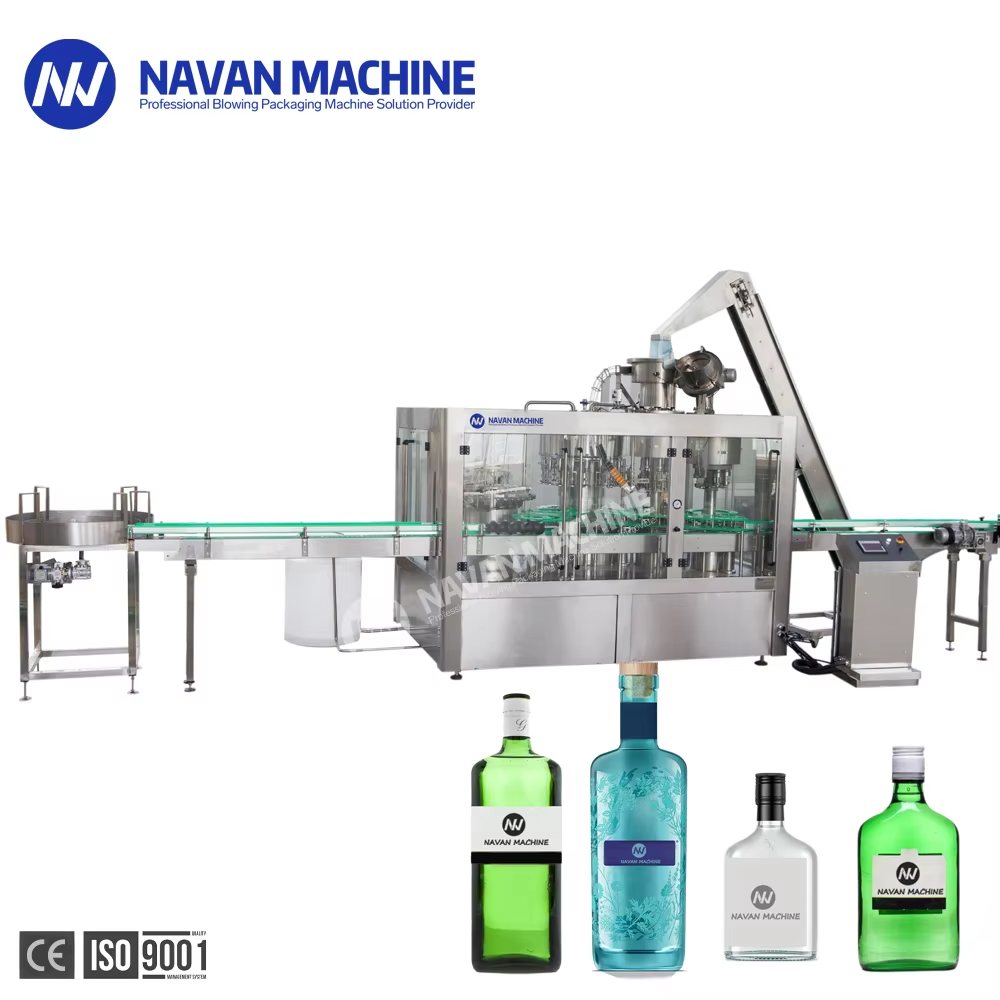
Choosing the right filling machine manufacturer is one of the most consequential decisions a production facility can make. The machinery you invest in will directly shape throughput, product quality, operational uptime, and long-term profitability. Yet the global market is filled with suppliers making bold promises, and without a structured evaluation framework, it is easy to select a partner who underdelivers once contracts are signed and equipment is installed.
Reliability in a filling machine manufacturer goes far beyond the mechanical quality of individual machines. It encompasses technical expertise, production consistency, after-sales support capability, communication transparency, and the ability to customize solutions for specific operational needs. This article provides a comprehensive, step-by-step guide to evaluating these critical dimensions so that procurement teams and plant managers can make confident, well-informed decisions.
Understanding What Manufacturer Reliability Really Means
Reliability Is a Multi-Dimensional Concept
When professionals in the packaging and processing industries talk about a reliable filling machine manufacturer, they are rarely referring to a single attribute. Reliability is a composite of several overlapping qualities that collectively determine whether a manufacturer can be trusted as a long-term business partner. These qualities include engineering depth, manufacturing consistency, responsiveness, and the financial and organizational stability to honor commitments over years or even decades.
A manufacturer may produce technically impressive machines but fail at post-delivery support. Another may offer competitive pricing but lack the production infrastructure to scale with your growing demand. Evaluating reliability means systematically examining each of these dimensions rather than relying on surface-level impressions like a polished website or a well-rehearsed sales presentation.
The most reliable filling machine manufacturer partners are those who demonstrate consistency across engineering, manufacturing, quality control, and customer service simultaneously. When all these elements align, the result is a supplier relationship that reduces operational risk, minimizes unplanned downtime, and supports continuous improvement.
Why Reliability Matters More Than Price
It is tempting to anchor vendor evaluation heavily on purchase price, especially when capital expenditure budgets are tight. However, the total cost of working with an unreliable filling machine manufacturer typically far exceeds any initial savings. Machine failures, extended lead times for spare parts, inadequate technical support, and poor machine-process fit all generate operational costs that dwarf the original price differential.
Consider a scenario where a lower-cost machine experiences frequent stoppages because the manufacturer did not conduct rigorous factory acceptance testing. Each hour of unplanned downtime carries a real cost in lost output, labor inefficiency, and potentially wasted raw materials. Over a three-to-five-year operational period, these indirect costs can represent multiples of the original savings. Reliability, therefore, is the correct lens through which to evaluate any filling machine manufacturer.
Assessing Technical Capability and Engineering Depth
Evaluating the Manufacturer's Engineering Infrastructure
Technical capability is the foundation of reliability for any filling machine manufacturer. Before entering serious procurement discussions, request evidence of the manufacturer's in-house engineering team, design software, and prototyping facilities. A manufacturer with a robust engineering department can adapt standard designs to your specific product requirements, container geometries, fill volumes, and production speeds.
Ask whether the manufacturer employs mechanical engineers, electrical engineers, and software specialists internally or relies heavily on outsourced design work. Manufacturers with in-house multidisciplinary teams can respond faster to design changes, identify compatibility issues during the specification phase, and take genuine ownership of machine performance outcomes. This internal capability is a strong indicator of long-term reliability.
A reputable filling machine manufacturer should also be able to provide detailed technical documentation including engineering drawings, component specifications, PLC program logic descriptions, and safety compliance certifications. The willingness and ability to share this documentation transparently reflects organizational maturity and a commitment to supporting end-users throughout the machine lifecycle.
Reviewing Product Range and Customization Competency
The breadth and depth of a manufacturer's product portfolio provides useful signals about their technical competency. A filling machine manufacturer that offers solutions across multiple filling technologies — such as volumetric, gravimetric, piston, auger, and overflow filling — demonstrates versatility and accumulated engineering experience. This range indicates the ability to recommend and configure the right solution for your specific application rather than selling a one-size-fits-all product.
Customization capability is equally important. Many production environments involve unique product viscosities, container formats, hygiene requirements, or integration constraints that cannot be addressed by off-the-shelf machines. A reliable filling machine manufacturer will have a documented process for handling custom orders, including formal specification agreements, design review stages, and prototype validation procedures.
During evaluation, ask the manufacturer to share case studies or examples of custom projects they have completed for clients with requirements similar to yours. How they describe these projects — the challenges encountered, solutions developed, and outcomes achieved — reveals far more about their actual capability than a product catalog or general marketing claims.
Examining Manufacturing Quality and Process Controls
Certifications and Quality Management Systems
A filling machine manufacturer's quality management system is one of the most objective indicators of manufacturing reliability. ISO 9001 certification, for example, requires documented processes for design control, production quality, inspection, and corrective action. While certification alone does not guarantee product quality, it demonstrates that the manufacturer has submitted to third-party scrutiny of their operational processes.
Beyond general quality certifications, consider whether the manufacturer holds industry-specific compliance documentation relevant to your sector. Manufacturers supplying food, beverage, pharmaceutical, or cosmetic filling equipment may be required to comply with standards related to hygienic design, material safety, or cleanability. A knowledgeable filling machine manufacturer operating in regulated industries will proactively provide this documentation without being asked.
Request a factory audit if your procurement volume justifies it. Visiting the production floor allows your team to observe firsthand how materials are controlled, how assembly is sequenced, and how finished machines are tested before shipment. What you observe during an audit will often confirm or challenge the impression created during earlier sales interactions.
Factory Acceptance Testing and Pre-Shipment Procedures
Factory Acceptance Testing, commonly referred to as FAT, is a critical stage in the manufacturing process that a reliable filling machine manufacturer will embrace rather than minimize. During FAT, the machine is run under simulated or actual production conditions at the manufacturer's facility before shipment to confirm it meets the agreed technical specifications and performance benchmarks.
Ask the manufacturer to describe their standard FAT procedure in detail. What parameters are tested? What acceptance criteria are applied? Who is responsible for documenting results? Can your team participate remotely or in person? A manufacturer who treats FAT as a genuine quality gate rather than a paperwork formality is demonstrating accountability for their output.
Post-FAT procedures are equally telling. A responsible filling machine manufacturer will package equipment with care, provide comprehensive shipping documentation, and ensure that all accessories, tools, and spare parts are correctly included. Gaps in this process frequently generate delays and frustration upon arrival, signaling a lack of operational discipline.
Evaluating After-Sales Support and Service Commitment
Technical Support Availability and Response Time
Even the highest-quality filling equipment will occasionally require technical assistance. What distinguishes a reliable filling machine manufacturer from an unreliable one is not the absence of problems but the speed and quality of their response when problems arise. Before committing to a purchase, investigate the manufacturer's technical support infrastructure in depth.
Key questions to ask include: What are the available support channels — phone, email, live chat, remote access tools? What are the guaranteed response time commitments? Are technical support specialists available in your time zone? Does the manufacturer offer on-site service, and if so, what is the typical deployment timeline for field engineers? These questions reveal the practical reality of post-purchase support rather than the idealized version presented in sales conversations.
A filling machine manufacturer committed to long-term client relationships will typically invest in building a structured customer service team with clearly defined escalation protocols. They will also maintain accessible knowledge bases, training resources, and maintenance documentation that enable your operators and maintenance technicians to resolve routine issues independently.
Spare Parts Availability and Supply Chain Stability
Spare parts logistics is a frequently underestimated dimension of manufacturer reliability. When a critical component fails, production cannot resume until a replacement is sourced and installed. A dependable filling machine manufacturer will maintain sufficient spare parts inventory for all machines currently in the field and will have documented lead times for components that are not stocked on-demand.
Inquire whether the manufacturer uses proprietary or standard commercial components in their machines. Machines built predominantly with well-known commercial components from established suppliers — such as internationally available pneumatic, electrical, or drive components — give you greater flexibility to source replacements locally if the manufacturer's own supply is delayed. This is a practical consideration that significantly affects operational resilience.
A trustworthy filling machine manufacturer will also offer a recommended spare parts package at the time of machine delivery, tailored to the wear profile and maintenance schedule of the specific equipment. This proactive approach reflects genuine concern for your operational continuity rather than a purely transactional sales relationship.
Verifying Reputation, References, and Track Record
Independent References and Client Testimonials
No evaluation of a filling machine manufacturer is complete without direct feedback from existing clients. Request a list of reference accounts from the manufacturer — ideally clients in your industry segment or with similar application requirements. Contact these references directly and ask about their experience across the full project lifecycle: initial communication, technical specification, manufacturing quality, delivery timeliness, installation support, and ongoing after-sales responsiveness.
Pay attention to how specific and detailed the manufacturer is in providing references. A manufacturer who offers vague or indirect reference contact information may be managing their reputation rather than genuinely showcasing satisfied clients. A confident and reliable filling machine manufacturer will provide direct introductions to clients who are willing to speak openly about both the strengths and the challenges of their experience.
Online reviews and industry forum discussions can supplement formal references, although they should be interpreted with appropriate skepticism. Look for patterns across multiple independent sources rather than drawing conclusions from individual comments. Consistent themes — whether positive or negative — across diverse sources carry meaningful predictive value.
Longevity, Organizational Stability, and Market Presence
The operational history of a filling machine manufacturer provides context for evaluating their long-term reliability. Companies with a decade or more of experience in the filling equipment sector have typically navigated economic cycles, supply chain disruptions, and technological transitions. This accumulated experience often translates into more mature engineering practices, deeper institutional knowledge, and more robust support infrastructure.
Organizational stability also matters from a risk management perspective. A manufacturer facing financial difficulties, high employee turnover, or significant ownership changes may be unable to honor long-term service commitments, supply spare parts reliably, or maintain software and control system support for machines already in the field. Conducting basic due diligence on the manufacturer's financial health and corporate structure is a prudent step in the evaluation process.
International market presence and export experience are also positive indicators when evaluating a filling machine manufacturer. Manufacturers who successfully supply clients across multiple countries and regulatory environments have demonstrated the logistical capability, communication standards, and compliance knowledge required to serve sophisticated global buyers.
FAQ
What are the most important factors to evaluate in a filling machine manufacturer?
The most important factors include engineering capability, manufacturing quality controls, after-sales support infrastructure, spare parts availability, client references, and organizational stability. A reliable filling machine manufacturer should demonstrate strength across all of these dimensions rather than excelling in only one or two areas. Evaluating each factor systematically reduces the risk of post-purchase disappointment.
How can I verify the quality standards of a filling machine manufacturer before purchasing?
Request copies of quality management certifications such as ISO 9001, review their factory acceptance testing procedures, ask for detailed technical documentation, and if possible, conduct an on-site factory audit. A credible filling machine manufacturer will welcome this level of scrutiny and provide transparent, documented evidence of their quality controls rather than asking you to rely solely on their verbal assurances.
Why is after-sales support so important when selecting a filling machine manufacturer?
After-sales support determines how quickly and effectively you can resolve technical issues, source replacement parts, and maintain optimal production performance throughout the machine's operational life. Even a well-engineered machine from a capable filling machine manufacturer will generate significant operational risk if the manufacturer cannot provide timely, expert support when needed. Support capability should be evaluated as carefully as the machine itself.
Is it advisable to visit the factory of a filling machine manufacturer before finalizing a purchase?
Yes, a factory visit is strongly advisable for significant capital purchases. Visiting the facility of a filling machine manufacturer allows you to directly observe production practices, workforce expertise, quality inspection processes, and overall organizational capability. What you see during a factory visit often provides more reliable insight than any marketing material or sales presentation, and it helps establish a stronger working relationship with the manufacturer's engineering and project management teams.
Table of Contents
- Understanding What Manufacturer Reliability Really Means
- Assessing Technical Capability and Engineering Depth
- Examining Manufacturing Quality and Process Controls
- Evaluating After-Sales Support and Service Commitment
- Verifying Reputation, References, and Track Record
-
FAQ
- What are the most important factors to evaluate in a filling machine manufacturer?
- How can I verify the quality standards of a filling machine manufacturer before purchasing?
- Why is after-sales support so important when selecting a filling machine manufacturer?
- Is it advisable to visit the factory of a filling machine manufacturer before finalizing a purchase?