
 EN
EN
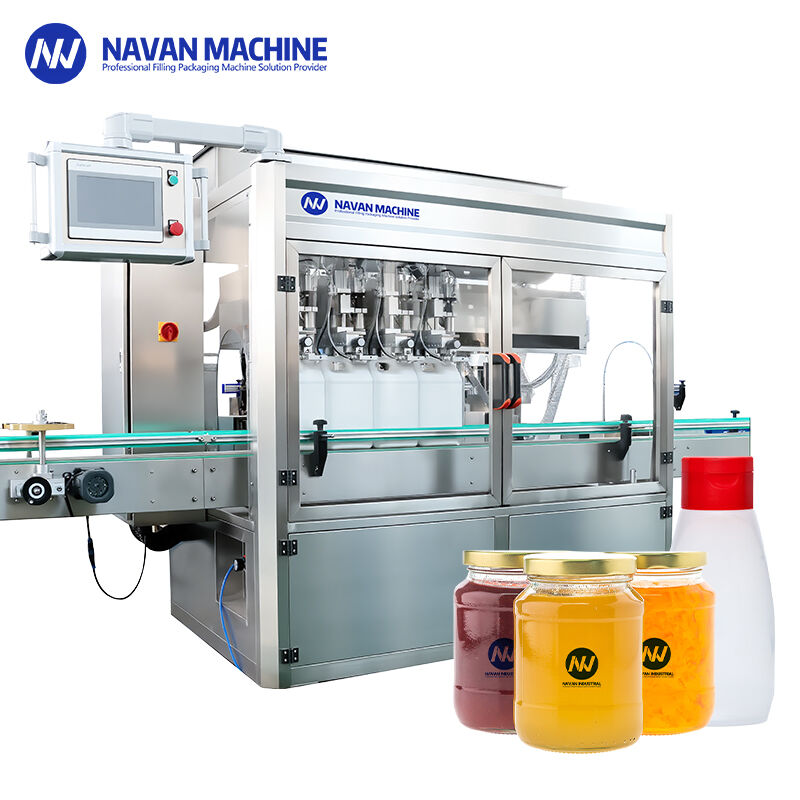
Accuracy in jam filling operations represents a critical factor that directly impacts production efficiency, product consistency, and overall profitability in food manufacturing facilities. When examining what makes jam filling machines deliver precise and reliable results, several key components work together to ensure consistent fill volumes, minimize product waste, and maintain quality standards throughout high-volume production cycles.
Understanding the essential components that drive accuracy in jam filling machines becomes crucial for manufacturers seeking to optimize their production processes and reduce costly overfilling or underfilling issues. These specialized components must handle the unique challenges presented by jam products, including varying viscosities, fruit particle content, and temperature-sensitive characteristics that can affect flow behavior and filling precision.
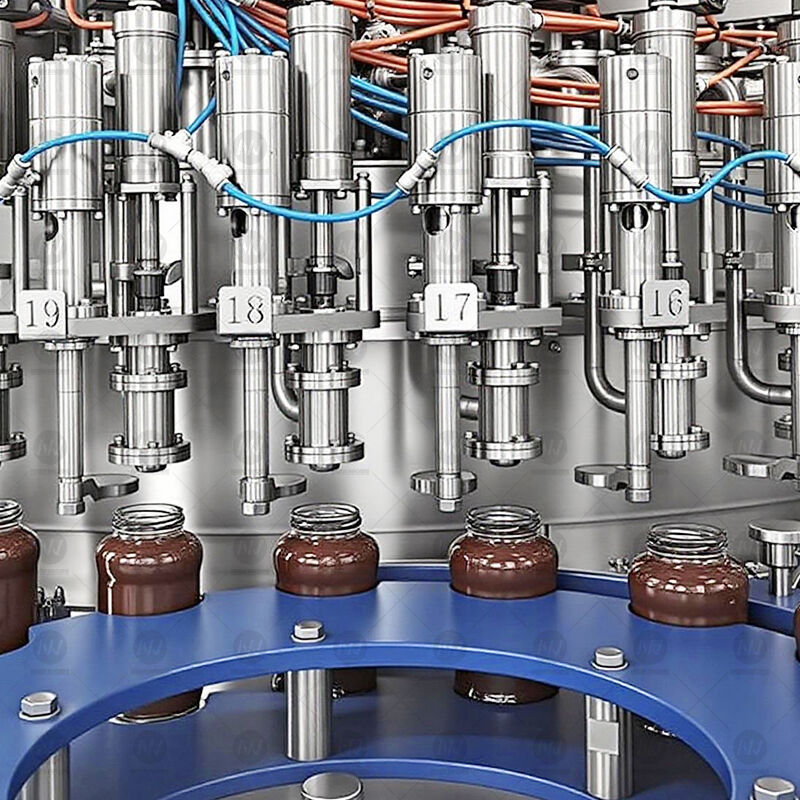
Precision Flow Control Systems
Servo-Driven Dosing Mechanisms
The foundation of accurate jam filling lies in sophisticated servo-driven dosing mechanisms that provide precise control over product flow rates and volumes. These systems utilize advanced servo motors coupled with precision gear reducers to deliver exact rotational control, enabling jam filling machines to dispense consistent volumes regardless of product viscosity variations or production speed changes.
Modern servo-driven systems incorporate feedback loops that continuously monitor and adjust dosing parameters in real-time, compensating for factors such as product temperature fluctuations, container variations, and mechanical wear that could otherwise compromise filling accuracy. The servo control architecture allows for programmable dispensing profiles that can accommodate different jam formulations and container sizes without requiring extensive mechanical adjustments.
These precision mechanisms typically achieve accuracy levels within ±0.5% of target fill volumes, making them essential components for maintaining consistent product weights and meeting regulatory compliance requirements in commercial jam production environments.
Variable Displacement Pumping Systems
Variable displacement pumps represent another critical component that ensures accuracy in jam filling machines by providing precise volumetric control over product delivery. These pumping systems utilize adjustable displacement chambers that can be precisely calibrated to deliver exact volumes of jam products, regardless of variations in product consistency or operating conditions.
The design of variable displacement pumps allows for real-time adjustment of displacement volumes through electronic control systems, enabling operators to fine-tune filling accuracy for different jam formulations without stopping production. This capability proves particularly valuable when processing jams with varying fruit content or sugar concentrations that affect product flow characteristics.
Advanced variable displacement systems incorporate pressure compensation features that maintain consistent flow rates even when system backpressure changes due to container variations or downstream equipment conditions, ensuring that jam filling machines deliver accurate results across diverse operating scenarios.
Advanced Sensing and Measurement Technologies
Load Cell Integration Systems
Load cell integration represents a fundamental accuracy-ensuring component in modern jam filling machines, providing real-time weight feedback that enables precise control over fill quantities. These high-precision load cells continuously monitor container weights during the filling process, allowing the control system to stop dispensing exactly when the target weight is achieved.
The integration of load cells with fast-response control systems enables jam filling machines to compensate for product density variations, container weight differences, and environmental factors that could affect filling accuracy. Advanced load cell systems utilize digital signal processing to filter out vibrations and electrical interference that might compromise measurement precision.
Multi-point load cell configurations provide enhanced accuracy by distributing measurement loads across multiple sensors, reducing the impact of mechanical stress concentrations and improving overall system reliability in high-speed production environments.
Optical Level Detection Components
Optical level detection systems serve as crucial accuracy components by providing non-contact monitoring of fill levels within containers during the jam filling process. These systems utilize laser or infrared technologies to precisely measure product levels, enabling accurate volume control without physical contact that could contaminate the product or interfere with high-speed operations.
Advanced optical detection systems incorporate multiple sensing points to account for surface irregularities in jam products caused by fruit particles or foam formation, ensuring consistent level measurements across different product formulations. The optical sensors provide rapid response times that enable real-time control adjustments during high-speed filling operations.
These detection systems often feature programmable sensitivity settings that can be adjusted for different jam types, container materials, and environmental lighting conditions, maintaining measurement accuracy across diverse production scenarios.
Temperature Control and Compensation Systems
Thermal Management Components
Temperature control systems represent essential accuracy components in jam filling machines because product viscosity and flow characteristics change significantly with temperature variations. These thermal management systems maintain consistent product temperatures throughout the filling process, ensuring predictable flow behaviors that enable accurate volume dispensing.
Advanced thermal management incorporates heating elements, cooling systems, and insulation components that work together to maintain optimal jam temperatures for filling operations. The temperature control systems utilize precision sensors and proportional-integral-derivative controllers to maintain tight temperature tolerances that minimize viscosity variations.
These systems often include preheating zones that bring jam products to optimal filling temperatures before reaching the dispensing heads, ensuring consistent flow characteristics that support accurate volume control throughout production runs.
Viscosity Compensation Mechanisms
Viscosity compensation mechanisms automatically adjust filling parameters based on real-time measurements of product flow characteristics, ensuring that jam filling machines maintain accuracy despite variations in product consistency. These systems monitor flow rates and adjust pump speeds, valve opening times, and pressure settings to compensate for viscosity changes.
Advanced viscosity compensation incorporates predictive algorithms that anticipate flow behavior changes based on temperature, product formulation data, and historical performance patterns. This proactive approach enables the system to make preemptive adjustments that maintain filling accuracy before viscosity changes can affect dispensing precision.
The compensation mechanisms typically integrate with recipe management systems that store optimal filling parameters for different jam formulations, enabling rapid changeover between products while maintaining consistent accuracy standards.
Precision Valve and Nozzle Assemblies
Multi-Stage Valve Systems
Multi-stage valve systems provide the precise flow control necessary for accurate jam filling by offering graduated control over product dispensing rates. These valve assemblies typically incorporate primary flow valves for high-speed filling and secondary precision valves for final volume adjustment, enabling both efficient production speeds and accurate final fill levels.
The multi-stage approach allows jam filling machines to rapidly dispense the majority of the target volume at high flow rates, then switch to precision dispensing mode for the final portion to achieve exact fill weights. This strategy minimizes cycle times while maintaining the accuracy required for commercial production standards.
Advanced multi-stage systems incorporate programmable valve sequencing that can be customized for different container sizes and jam formulations, optimizing both speed and accuracy for specific production requirements.
Anti-Drip and Cut-Off Mechanisms
Anti-drip and cut-off mechanisms ensure accuracy by preventing product waste and maintaining clean filling operations that support consistent volume delivery. These components utilize precise mechanical or pneumatic systems to achieve clean product cut-off at the end of each filling cycle, preventing dripping that could lead to overfilling or contamination.
The cut-off mechanisms must handle the unique challenges presented by jam products, including high viscosity and fruit particle content that can interfere with clean valve closure. Advanced designs incorporate positive shut-off systems that ensure complete flow stoppage regardless of product characteristics.
These systems often feature self-cleaning capabilities that prevent product buildup around valve seats and nozzle assemblies, maintaining consistent performance that supports long-term accuracy in jam filling operations.
Control System Integration and Calibration
Programmable Logic Controller Architecture
Programmable logic controllers serve as the central coordination component that integrates all accuracy-ensuring systems within jam filling machines. These control systems process inputs from sensors, load cells, and monitoring devices to make real-time adjustments that maintain filling precision throughout production operations.
Advanced PLC systems incorporate machine learning algorithms that continuously optimize filling parameters based on historical performance data and real-time feedback from accuracy monitoring systems. This adaptive capability enables jam filling machines to maintain consistent accuracy even as equipment ages or operating conditions change.
The control architecture typically includes redundant safety systems and diagnostic capabilities that ensure continued operation and accuracy monitoring, providing operators with detailed performance data that supports preventive maintenance and quality control programs.
Automated Calibration Systems
Automated calibration systems ensure long-term accuracy by periodically verifying and adjusting all measurement and control components within jam filling machines. These systems perform systematic checks of load cells, flow meters, temperature sensors, and valve assemblies to maintain calibration standards that support consistent filling accuracy.
The calibration systems typically incorporate reference standards and automated test procedures that can detect accuracy drift before it affects production quality. Advanced systems maintain calibration records and provide predictive maintenance alerts that help prevent accuracy problems before they occur.
These automated calibration capabilities enable jam filling machines to maintain accuracy standards over extended production periods while minimizing manual intervention and reducing the risk of human error in calibration procedures.
FAQ
How often should jam filling machines be calibrated to maintain accuracy?
Jam filling machines should undergo calibration checks at least weekly during normal production periods, with more frequent calibration required when processing products with significantly different characteristics or after any maintenance activities. Advanced systems with automated calibration capabilities may perform daily or even continuous calibration verification to ensure optimal accuracy.
What accuracy levels can be expected from modern jam filling machines?
Modern jam filling machines equipped with precision components typically achieve accuracy levels within ±0.5% to ±1% of target fill volumes, depending on product characteristics and container specifications. Systems with advanced servo control and real-time feedback can achieve even tighter tolerances under optimal operating conditions.
How do fruit particles in jam affect filling accuracy?
Fruit particles can impact filling accuracy by affecting product flow characteristics and causing variations in density measurements. Advanced jam filling machines compensate for these effects through specialized pumping systems, filtration components, and control algorithms that account for particle content variations in maintaining consistent fill volumes.
What maintenance practices are essential for preserving filling accuracy?
Essential maintenance practices include regular cleaning of all product-contact surfaces, periodic calibration of sensors and measurement devices, inspection and replacement of wear components, and systematic verification of control system parameters. Preventive maintenance schedules should be based on production volumes and product characteristics to maintain optimal accuracy performance.