 EN
EN
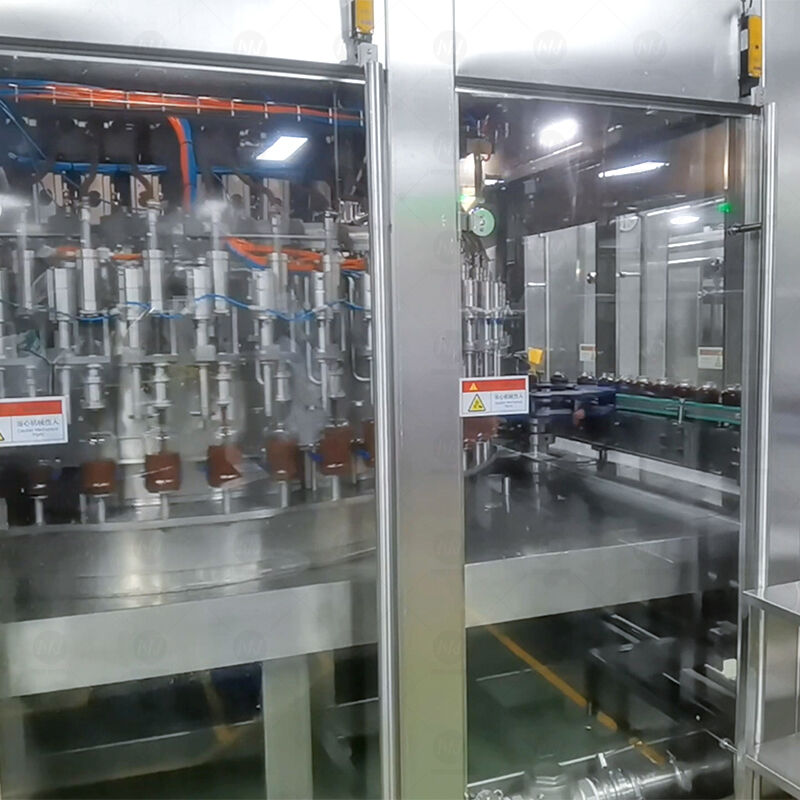
Operating a jam filling machine requires comprehensive safety protocols to protect workers and ensure consistent product quality. These specialized industrial machines handle hot, viscous substances under pressure, creating unique workplace hazards that demand specific preventive measures. Understanding and implementing proper safety procedures is essential for maintaining a secure production environment while maximizing operational efficiency.
Safety considerations for jam filling machine operations extend beyond basic industrial protocols to address the specific challenges of handling heated fruit preserves, managing high-pressure filling systems, and coordinating human-machine interactions. Proper safety implementation reduces workplace accidents, prevents product contamination, minimizes equipment damage, and ensures regulatory compliance across food manufacturing environments.
Physical Safety Barriers and Equipment Protection
Machine Guarding and Access Control
Physical barriers around the jam filling machine prevent accidental contact with moving parts during operation. Safety guards must cover all rotating components, conveyor systems, and filling mechanisms while allowing necessary access for routine maintenance. Interlocked doors and panels ensure the machine automatically stops when protective barriers are opened, preventing operators from reaching dangerous areas during active cycles.
Emergency stop buttons positioned at strategic locations around the jam filling machine provide immediate shutdown capability when hazardous conditions arise. These controls must be easily accessible, clearly marked, and tested regularly to ensure reliable function. Additional safety features include light curtains and pressure-sensitive mats that detect unauthorized entry into restricted zones around the equipment.
Proper lockout-tagout procedures prevent unexpected machine startup during maintenance activities. Operators must follow established protocols for isolating electrical power, pneumatic pressure, and thermal systems before performing any service work on the jam filling machine. Clear identification of all energy sources and standardized locking mechanisms ensure consistent application of these critical safety measures.
Temperature and Heat Protection
Jam filling operations involve elevated temperatures that create burn hazards for operators working near heating elements and product contact surfaces. Insulation around heated components reduces surface temperatures while maintaining thermal efficiency. Warning labels and color coding identify hot surfaces that could cause injury during operation or immediately after shutdown.
Personal protective equipment specifically designed for high-temperature environments protects workers from heat exposure. Heat-resistant gloves, aprons, and face shields provide barriers against accidental contact with hot jam or heated machine components. Regular inspection and replacement of thermal protection equipment ensures continued effectiveness throughout extended production runs.
Temperature monitoring systems track thermal conditions throughout the jam filling machine and alert operators to potentially dangerous overheating situations. Automatic shutdown features activate when temperatures exceed safe operating limits, preventing equipment damage and reducing fire risks. Thermal imaging inspections identify heat buildup patterns that could indicate developing maintenance issues.
Operational Safety Protocols and Procedures
Pre-Operation Safety Checks
Comprehensive safety inspections before starting the jam filling machine identify potential hazards and verify proper system function. Operators must examine all safety devices, emergency controls, and protective barriers to ensure they operate correctly. Visual inspection of product contact surfaces, seals, and connections prevents contamination and pressure-related failures during production.
Verification of proper jam viscosity and temperature prevents processing problems that could create safety hazards. Products that are too thick may cause excessive pressure buildup, while overheated materials can create burn risks during handling. Testing procedures ensure jam characteristics fall within safe operating parameters for the specific jam filling machine configuration.
Communication protocols establish clear procedures for coordinating activities between multiple operators working around the jam filling machine. Hand signals, verbal confirmations, and designated roles prevent confusion during startup, operation, and shutdown phases. Written checklists ensure consistent application of safety procedures across different shifts and operators.
Pressure System Safety Management
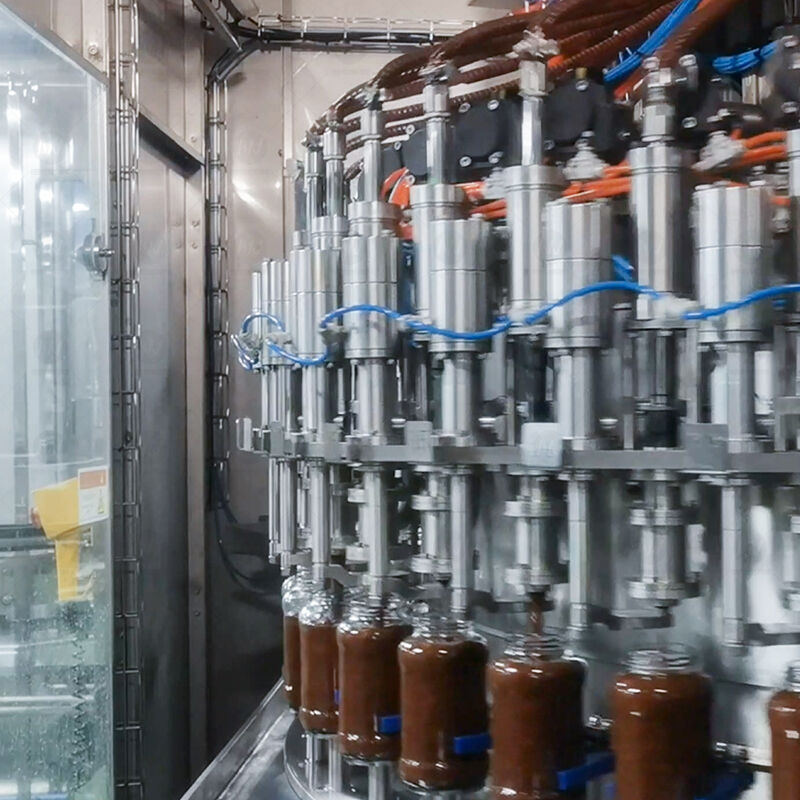
Pressure relief systems protect the jam filling machine from excessive internal pressure that could cause catastrophic failure. Safety valves calibrated to specific pressure limits automatically release excess pressure while maintaining normal operating conditions. Regular testing and calibration of pressure relief devices ensures they function properly when needed.
Pressure monitoring displays provide real-time information about system conditions, allowing operators to identify developing problems before they become dangerous. High-pressure alarms alert workers to potentially hazardous situations requiring immediate attention. Understanding normal pressure patterns helps operators recognize abnormal conditions that could indicate safety risks.
Proper hose and connection inspection prevents pressure-related failures that could spray hot jam onto workers or damage surrounding equipment. Regular replacement of worn seals, gaskets, and flexible connections maintains system integrity under operating pressure. Documented inspection schedules ensure consistent attention to these critical safety components.
Environmental Safety and Sanitation
Slip and Fall Prevention
Jam spills create extremely slippery conditions that significantly increase fall risks around the jam filling machine. Non-slip flooring materials and regular cleaning procedures maintain safe walking surfaces throughout the production area. Immediate cleanup protocols for any jam spills prevent accidents and maintain sanitary conditions.
Drainage systems designed for food processing environments handle wash water and cleaning solutions without creating standing water hazards. Proper floor slopes direct liquids away from operator work areas while preventing accumulation near electrical components. Anti-fatigue mats provide comfortable standing surfaces while maintaining slip resistance.
Adequate lighting illuminates all areas around the jam filling machine, allowing operators to identify spills, obstacles, and potential hazards. Emergency lighting systems maintain visibility during power outages or equipment failures. Regular cleaning of light fixtures prevents jam residue from reducing illumination effectiveness.
Air Quality and Ventilation
Proper ventilation removes heat, humidity, and potential contaminants from the jam filling machine operating environment. Exhaust systems capture steam and vapors generated during hot filling operations, preventing condensation buildup that could create unsafe conditions. Fresh air circulation maintains comfortable working temperatures and reduces fatigue-related safety risks.
Air filtration systems prevent outside contaminants from entering the production area while maintaining positive pressure relationships that protect product quality. Regular filter replacement ensures continued effectiveness of air handling systems. Monitoring of air quality parameters helps identify developing problems with ventilation performance.
Dust control measures prevent accumulation of dry ingredients and packaging materials that could create respiratory hazards or fire risks. Vacuum systems collect airborne particles at their source, maintaining clean air conditions around the jam filling machine. Personal respiratory protection may be necessary during certain maintenance or cleaning activities.
Training and Human Factors Safety
Operator Competency and Certification
Comprehensive training programs ensure operators understand all safety aspects of jam filling machine operation before working independently. Initial certification requirements verify competency in normal operation, emergency procedures, and basic troubleshooting. Ongoing training updates address new safety procedures, equipment modifications, and lessons learned from incident investigations.
Hands-on training with experienced supervisors provides practical experience in safe operating techniques specific to the jam filling machine configuration. Simulated emergency scenarios test operator responses to various hazardous situations. Documentation of training completion and competency verification maintains records required for regulatory compliance.
Regular safety meetings discuss specific hazards, near-miss incidents, and improvements to safety procedures. Open communication encourages operators to report safety concerns and suggest improvements to existing protocols. Management commitment to safety creates a culture where workers feel comfortable raising safety-related issues.
Ergonomic Considerations and Fatigue Management
Proper workstation design reduces physical stress on operators working with the jam filling machine throughout extended production shifts. Adjustable platforms, controls positioned at comfortable heights, and adequate workspace clearances prevent repetitive strain injuries. Regular rotation of operators between different tasks prevents overexertion of specific muscle groups.
Break schedules account for the physical demands of jam filling machine operation, particularly in high-temperature environments. Hydration stations and cooling areas provide relief from heat stress during extended production runs. Recognition of fatigue symptoms helps prevent accidents caused by reduced alertness or coordination.
Tool and equipment design considers human factors to reduce the likelihood of operator error. Clear labeling, intuitive controls, and standardized procedures minimize confusion during normal and emergency operations. Regular feedback from operators helps identify opportunities to improve human-machine interfaces for enhanced safety.
FAQ
What personal protective equipment is required when operating a jam filling machine?
Operators typically need heat-resistant gloves, safety glasses, non-slip footwear, and hair restraints as minimum PPE requirements. Additional protection may include heat-resistant aprons, face shields, and cut-resistant sleeves depending on specific machine configuration and filling temperatures. All PPE must meet food-grade standards and be regularly inspected for damage or contamination.
How often should safety systems on a jam filling machine be tested?
Emergency stop buttons and safety interlocks should be tested daily before production begins, while pressure relief valves require weekly function checks. Monthly inspections cover all safety guards, warning devices, and temperature monitoring systems. Annual comprehensive safety audits verify continued compliance with all applicable safety standards and identify opportunities for system improvements.
What are the most common safety hazards when operating jam filling equipment?
Burns from hot jam or heated surfaces represent the primary hazard, followed by slips and falls on jam-contaminated floors. Pressure-related injuries from system failures and cuts from broken containers also pose significant risks. Repetitive motion injuries can develop from extended operation without proper ergonomic considerations and adequate break schedules.
How should jam spills around the filling machine be handled safely?
Immediate containment prevents spills from spreading to larger areas, followed by cautious cleanup using appropriate tools and cleaning solutions. Workers should wear non-slip footwear and move slowly around spill areas until surfaces are completely clean and dry. Warning signs or barriers should isolate spill areas until cleanup is complete and normal traction is restored.