 EN
EN
Transforming Beverage Production Through Modern Automation
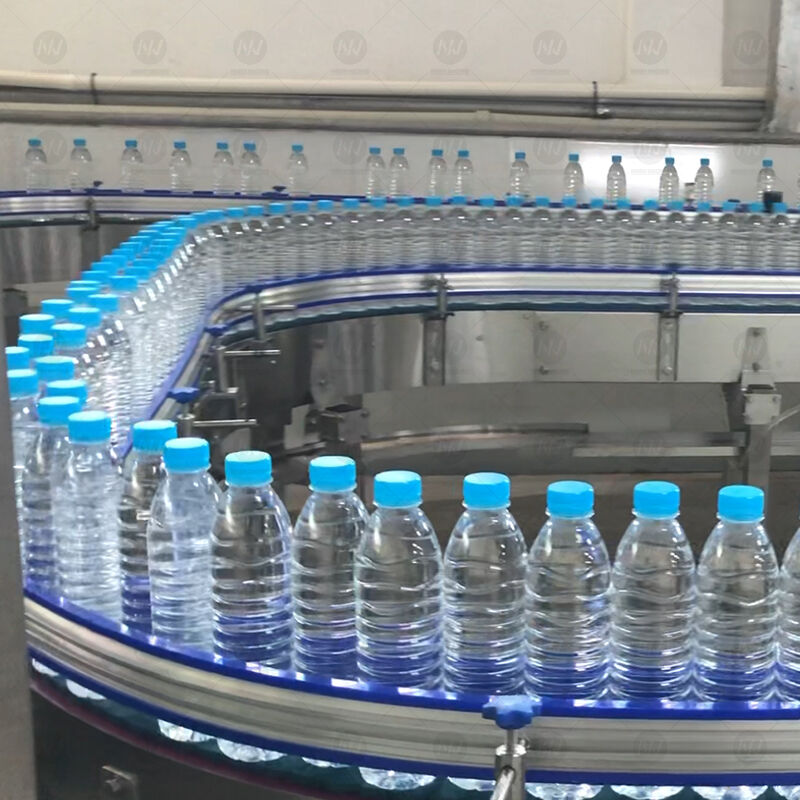
The beverage industry is witnessing a revolutionary transformation as manufacturers increasingly turn to advanced water filling lines to streamline their operations. These sophisticated systems represent more than just an upgrade in machinery – they embody a strategic investment that delivers value across multiple operational dimensions. As production demands grow and consumer expectations evolve, the implementation of advanced water filling lines has become a crucial factor in maintaining competitive advantage and ensuring long-term success.
Modern facilities equipped with state-of-the-art filling systems are setting new standards in efficiency, precision, and sustainability. The integration of advanced water filling lines marks a significant step forward from traditional manual or semi-automated processes, offering manufacturers the ability to meet current market demands while preparing for future challenges.
Operational Excellence and Economic Impact
Enhanced Production Efficiency and Output
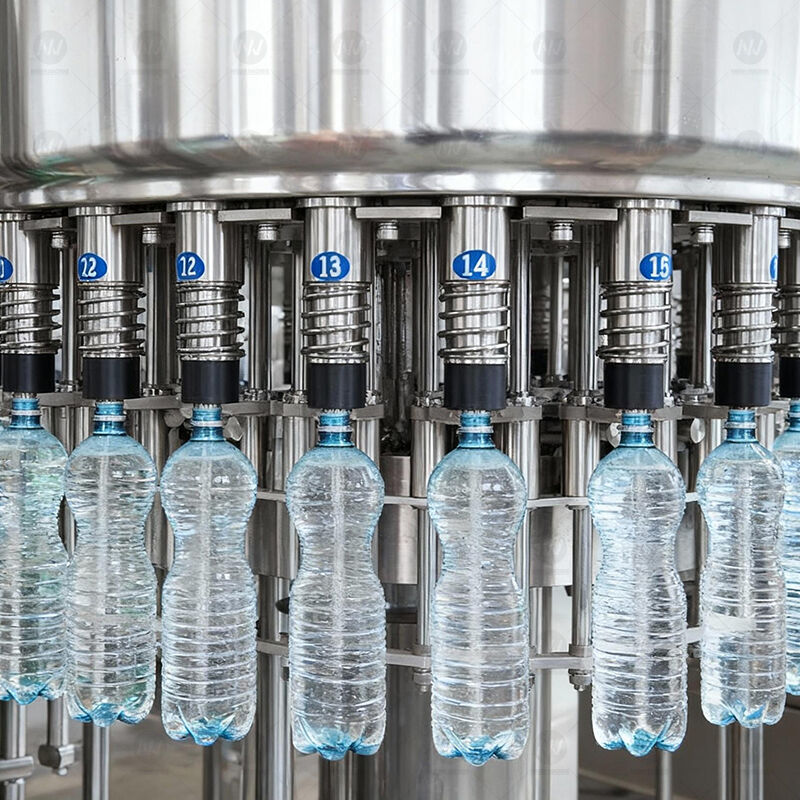
Advanced water filling lines dramatically improve production capabilities through precision engineering and automated controls. These systems can maintain consistent fill levels and speeds while minimizing downtime, resulting in significantly higher output rates compared to conventional systems. A single advanced filling line can often match the production of multiple legacy systems, while requiring less floor space and fewer operators.
The integration of smart sensors and real-time monitoring ensures optimal performance throughout the production cycle. These technologies enable precise adjustments on the fly, maintaining product quality while maximizing throughput. The result is a substantial increase in bottles per minute without sacrificing accuracy or safety standards.
Cost Reduction and Resource Optimization
While the initial investment in advanced water filling lines may seem substantial, the long-term cost benefits are compelling. These systems significantly reduce labor costs through automation, minimize product waste through precise filling operations, and lower maintenance expenses through predictive maintenance capabilities. Energy efficiency improvements often lead to reduced utility costs, contributing to overall operational savings.
Moreover, advanced systems optimize water and raw material usage, reducing waste and supporting sustainability initiatives. The ability to quickly switch between different product types and bottle sizes also minimizes changeover times and associated costs, improving overall equipment effectiveness (OEE).
Quality Assurance and Compliance Benefits
Superior Product Consistency
Advanced water filling lines incorporate sophisticated quality control mechanisms that ensure consistent product quality across every production run. High-precision filling heads maintain exact fill levels, while integrated inspection systems automatically detect and reject non-compliant containers. This level of quality control significantly reduces the risk of product recalls and customer complaints.
The implementation of advanced filling technology also enables better tracking and documentation of production parameters, creating a comprehensive audit trail that supports quality assurance programs and regulatory compliance efforts. Real-time monitoring and data collection capabilities provide valuable insights for continuous improvement initiatives.
Regulatory Compliance and Safety Standards
Modern filling lines are designed to meet and exceed current industry regulations and safety standards. These systems typically include features such as clean-in-place (CIP) capabilities, sterile filling environments, and advanced filtration systems that ensure product safety and compliance with food safety regulations. The automated nature of these systems also reduces the risk of human error and contamination.
Furthermore, advanced water filling lines often come with built-in documentation and reporting features that simplify regulatory compliance and audit processes. This comprehensive approach to compliance can help manufacturers maintain certifications and adapt to evolving regulatory requirements with minimal disruption to operations.
Sustainability and Environmental Benefits
Reduced Environmental Impact
Advanced water filling lines contribute significantly to environmental sustainability through various innovative features. These systems typically incorporate water recycling capabilities, energy-efficient components, and waste reduction technologies that minimize environmental impact. The precise control over filling operations reduces product waste and packaging material consumption.
Many modern filling lines also support the use of eco-friendly packaging materials and lightweight containers, further reducing the environmental footprint of beverage production. The integration of energy monitoring and management systems helps optimize power consumption and supports corporate sustainability goals.
Resource Conservation and Efficiency
The implementation of advanced water filling lines leads to significant improvements in resource utilization. Smart monitoring systems track water usage, energy consumption, and other resources in real-time, enabling operators to identify and address inefficiencies quickly. These systems often achieve water savings of 30% or more compared to conventional filling lines.
Additionally, advanced filling technologies support the implementation of closed-loop systems that minimize water waste and maximize resource recovery. This approach not only reduces operational costs but also helps manufacturers meet increasingly stringent environmental regulations and sustainability targets.
Future-Proofing and Market Adaptability
Technological Scalability
Investing in advanced water filling lines positions manufacturers for future growth and adaptation to changing market demands. These systems are typically modular and upgradeable, allowing for easy integration of new technologies and capabilities as they become available. The flexible nature of modern filling lines enables manufacturers to adjust production parameters quickly in response to market trends.
The incorporation of Industry 4.0 technologies and IoT connectivity ensures that these systems can evolve with technological advancements, protecting the initial investment and maintaining competitive advantage over time. This adaptability is crucial in an industry where consumer preferences and packaging requirements continue to evolve rapidly.
Market Responsiveness
Advanced filling lines provide the flexibility needed to respond quickly to changing market demands and consumer preferences. These systems can handle various container sizes, shapes, and materials, enabling manufacturers to introduce new products or packaging formats without significant retooling or investment. The ability to switch between different products quickly and efficiently helps manufacturers maintain market agility.
Furthermore, the enhanced production capabilities and quality assurance features of advanced filling lines enable manufacturers to meet increasing demand for premium and specialized beverage products, opening new market opportunities and revenue streams.
Frequently Asked Questions
What is the typical return on investment for advanced water filling lines?
The return on investment for advanced water filling lines typically ranges from 2-5 years, depending on factors such as production volume, operational efficiency gains, and reduced labor costs. Many manufacturers report significant cost savings through reduced waste, improved energy efficiency, and decreased maintenance requirements.
How do advanced water filling lines improve product safety?
Advanced water filling lines incorporate multiple safety features including automated cleaning systems, sterile filling environments, and continuous monitoring of critical control points. These systems minimize human contact with products and maintain strict hygiene standards throughout the filling process, significantly reducing contamination risks.
Can existing production facilities be upgraded to advanced filling systems?
Yes, most facilities can be upgraded to incorporate advanced water filling lines through careful planning and phased implementation. Modern systems are designed with modularity in mind, allowing for integration with existing infrastructure while minimizing disruption to ongoing operations. Many manufacturers opt for a gradual transition to advanced systems to manage costs and maintain production continuity.