
 EN
EN
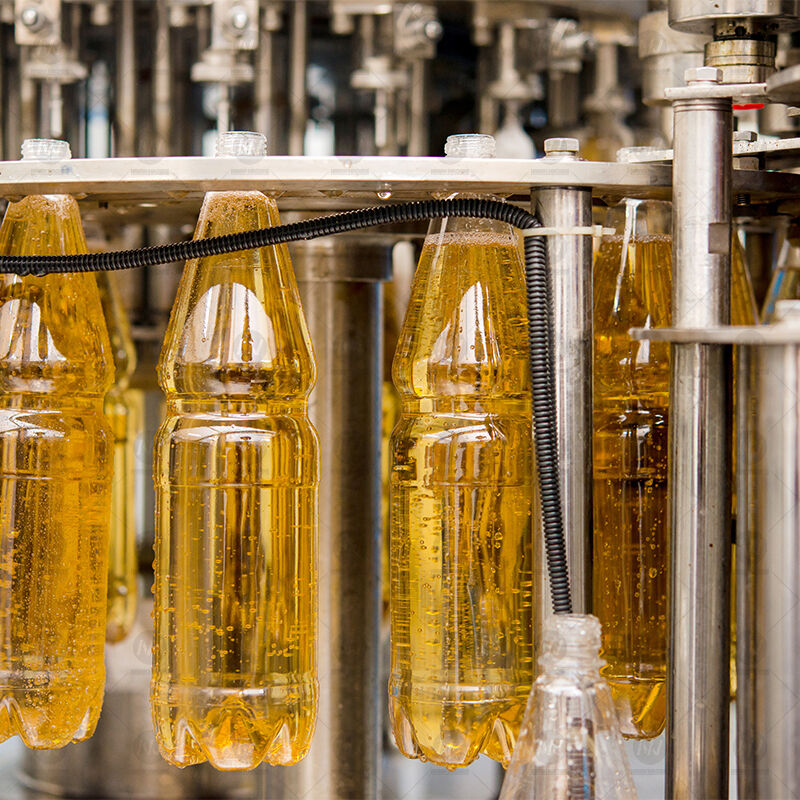
Modern Innovations in Beer Filling Technology
The brewing industry has witnessed remarkable technological advancements in beer filling systems, revolutionizing how breweries maintain product freshness and extend shelf life. Today's sophisticated beer filling systems incorporate multiple layers of technology designed to protect the beer's quality from the moment it leaves the bright tank until it reaches the consumer. These innovations have become crucial for breweries of all sizes as they strive to deliver consistent quality while expanding their distribution reach.
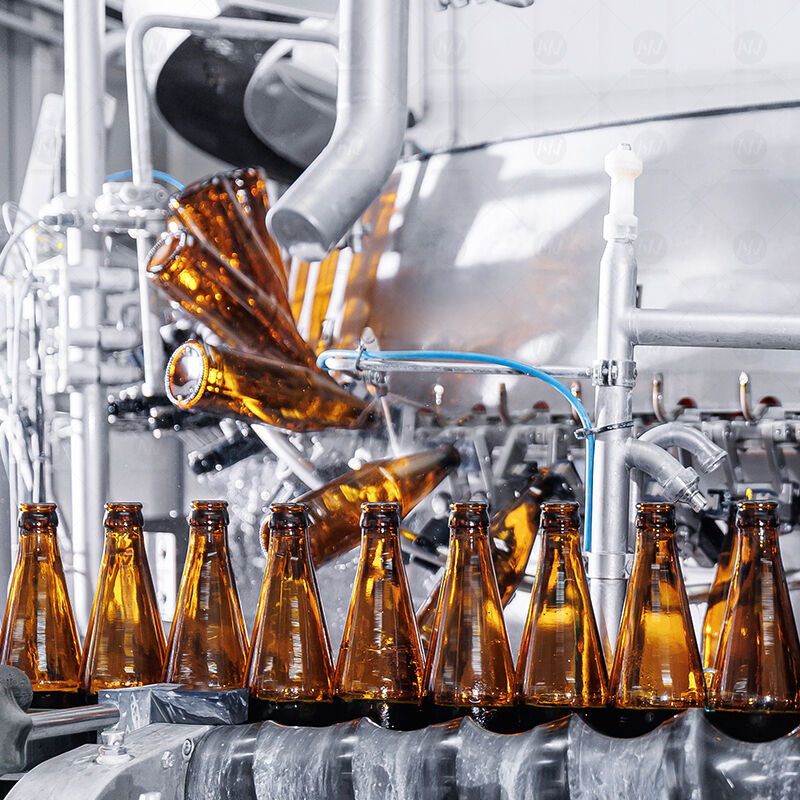
Modern beer filling systems represent a perfect fusion of precision engineering and cutting-edge technology. They not only ensure optimal filling accuracy but also maintain the beer's organoleptic properties – its taste, aroma, and appearance. As the industry continues to evolve, these systems have become increasingly sophisticated, incorporating features that minimize oxygen pickup, reduce product waste, and maintain the highest standards of hygiene.
Core Components of Advanced Beer Filling Systems
Counter-Pressure Filling Technology
At the heart of modern beer filling systems lies counter-pressure filling technology. This sophisticated approach maintains the beer's carbonation levels by equalizing pressure between the bottle and the filling bowl before transfer begins. The process starts by evacuating air from the container and pressurizing it with carbon dioxide, creating an environment that prevents foaming and oxidation during filling.
Counter-pressure fillers in contemporary beer filling systems operate with remarkable precision, using electronic sensors to monitor and adjust pressures in real-time. This ensures consistent fill levels and minimal product loss, while protecting the beer's delicate flavor compounds from oxidation.
Advanced Sanitization Systems
Modern beer filling systems incorporate comprehensive sanitization technologies that maintain an aseptic filling environment. These systems typically employ a combination of steam sterilization, chemical sanitization, and UV treatment to eliminate potential contaminants. The entire filling process occurs in a controlled environment where all surfaces that contact the beer are continuously sanitized.
Leading manufacturers have developed integrated clean-in-place (CIP) systems that automatically clean and sanitize all product-contact surfaces without requiring disassembly. This innovation has significantly reduced downtime while ensuring consistent sanitation standards.
Environmental Controls and Monitoring Systems
Temperature Management Technology
Temperature control plays a crucial role in beer filling systems, affecting both filling efficiency and product quality. Advanced systems incorporate precise temperature monitoring and control mechanisms throughout the filling process. These systems maintain optimal temperature ranges that prevent excessive foaming while ensuring proper carbonation levels are maintained.
Modern beer filling systems utilize sophisticated cooling jackets and temperature sensors that provide real-time monitoring and adjustment capabilities. This level of control helps preserve the beer's freshness and extends its shelf life by preventing temperature-related quality degradation.
Oxygen Management Solutions
Oxygen exposure represents one of the greatest threats to beer quality and shelf life. Contemporary beer filling systems employ multiple technologies to minimize oxygen pickup during the filling process. These include double pre-evacuation systems, CO2 purging, and specialized filling valve designs that prevent oxygen ingress during filling.
Advanced oxygen monitoring systems continuously measure dissolved oxygen levels at various points in the filling process, allowing for immediate adjustments when necessary. This precise control helps ensure the beer maintains its fresh taste and extends its shelf life significantly.
Quality Control and Verification Technologies
Vision Inspection Systems
Modern beer filling systems incorporate sophisticated vision inspection technologies that monitor various quality parameters in real-time. These systems can detect fill level variations, cap placement issues, and even subtle defects in packaging materials. High-speed cameras and advanced image processing software work together to ensure every container meets strict quality standards.
The latest vision systems can inspect hundreds of containers per minute, identifying and rejecting any that don't meet specifications. This technology has become essential for maintaining consistent product quality while operating at high production speeds.
Data Analytics and Process Control
Contemporary beer filling systems leverage advanced data analytics to optimize performance and maintain quality standards. These systems collect and analyze data from multiple sensors throughout the filling process, providing insights into equipment performance, product quality, and potential maintenance needs.
Integrated process control systems use this data to make real-time adjustments, ensuring optimal filling conditions are maintained. This level of automation and control helps breweries maintain consistent product quality while maximizing production efficiency.
Future Developments in Beer Filling Technology
Artificial Intelligence Integration
The future of beer filling systems lies in the integration of artificial intelligence and machine learning capabilities. These technologies will enable predictive maintenance, automated quality control adjustments, and even more precise process optimization. AI-driven systems will be able to anticipate potential issues before they affect product quality and automatically adjust operating parameters to maintain optimal conditions.
Research is already underway to develop AI algorithms that can analyze historical production data to identify patterns and optimize filling parameters for different beer styles and packaging formats. This advancement promises to further improve product quality and consistency while reducing waste and operating costs.
Sustainable Technologies
Environmental sustainability is becoming increasingly important in beer filling system design. Future developments will focus on reducing water and energy consumption while maintaining optimal filling performance. New technologies are being developed to recover and reuse resources, minimize cleaning chemical usage, and reduce the overall environmental impact of filling operations.
Innovations in sustainable packaging materials and filling techniques will also play a crucial role in future system designs. These developments will help breweries meet growing consumer demand for environmentally responsible products while maintaining the highest standards of quality and freshness.
Frequently Asked Questions
How do modern beer filling systems prevent contamination?
Modern beer filling systems employ multiple contamination prevention technologies, including sterile air filters, UV sterilization, and automated clean-in-place systems. These systems work together to maintain an aseptic filling environment and ensure all product-contact surfaces remain sanitized throughout the production process.
What role does pressure play in beer filling systems?
Pressure control is crucial in beer filling systems as it helps maintain proper carbonation levels and prevents foaming during the filling process. Counter-pressure filling technology equalizes pressure between the container and filling bowl, ensuring smooth, efficient filling while preserving the beer's quality characteristics.
How do beer filling systems optimize shelf life?
Beer filling systems optimize shelf life through various technologies, including oxygen management systems, precise temperature control, and advanced sanitization methods. These systems work together to minimize oxidation, prevent microbial contamination, and maintain the beer's freshness from packaging through distribution.