 EN
EN
Essential Considerations for Industrial Bottle Filling Equipment
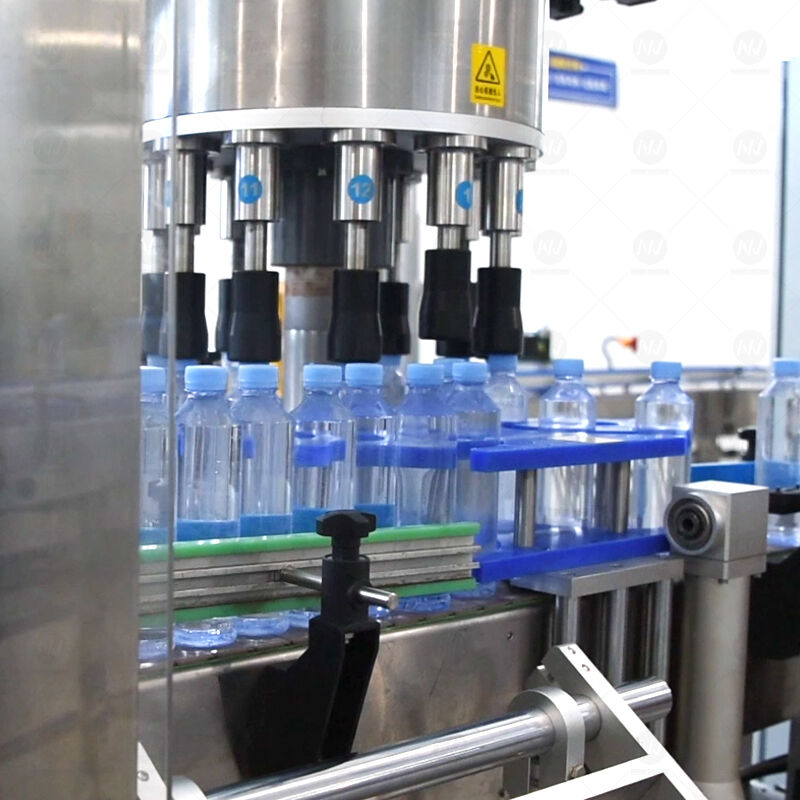
Selecting the right bottle filling machine for your production line is a crucial decision that impacts efficiency, product quality, and bottom-line profitability. Whether you're expanding operations or upgrading existing equipment, understanding the key factors that influence this choice will help you make an informed investment. Modern bottle filling machines offer diverse capabilities and features, making it essential to evaluate your specific needs against available options.
The packaging industry continues to evolve, and with it, bottle filling technology has advanced significantly. Today's machines incorporate sophisticated automation, precision controls, and versatile filling mechanisms. Making the right choice requires careful consideration of multiple factors, from production volume requirements to the specific characteristics of your product.
Production Requirements and Capacity Analysis
Output Volume and Speed Specifications
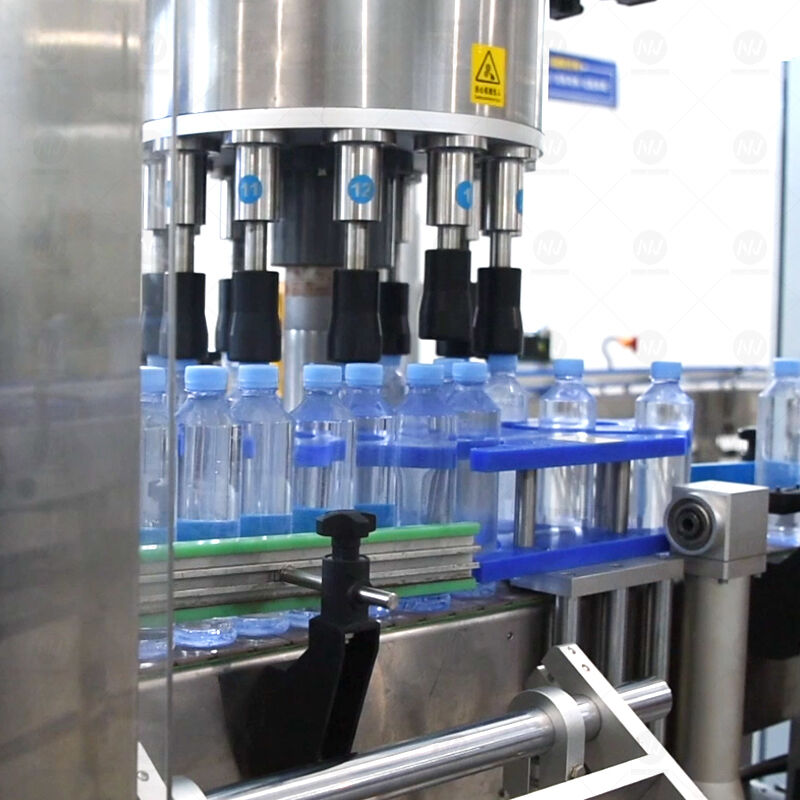
The production capacity of your bottle filling machine should align perfectly with your current needs while allowing room for future growth. Consider both your daily output requirements and peak production periods. A machine that operates at 100 bottles per minute might seem sufficient for current demands, but could become a bottleneck as your business expands.
Speed capabilities must be evaluated in conjunction with accuracy and consistency. Modern bottle filling machines offer various speed settings, but it's crucial to determine if the machine maintains precision across different operating speeds. Remember that faster isn't always better – the optimal speed should balance throughput with filling accuracy and product quality.
Production Line Integration Requirements
Your bottle filling machine must seamlessly integrate with existing production line equipment. Consider the machine's compatibility with current conveyor systems, labeling machines, and capping equipment. The physical dimensions, power requirements, and control systems should all align with your facility's infrastructure.
Integration also extends to software systems and automation protocols. Many contemporary bottle filling machines feature advanced control systems that can communicate with other equipment and manufacturing execution systems. Ensure the machine's connectivity options match your current and future automation needs.
Product Specifications and Filling Technology
Liquid Properties and Viscosity Considerations
Different products require different filling technologies. A bottle filling machine suitable for water might not handle thick sauces or creams effectively. Consider your product's viscosity, temperature requirements, and any special handling needs. Some products may foam or splash, requiring specific filling nozzle designs or anti-drip features.
Chemical compatibility is another crucial factor. Ensure all product-contact surfaces in the bottle filling machine are made from materials that won't react with your product or affect its quality. This is particularly important for corrosive or sensitive products.
Container Variety and Size Range
Modern production often involves multiple container sizes and shapes. Your bottle filling machine should accommodate your current container range and potential future additions. Consider the adjustment capabilities for different bottle heights, diameters, and neck sizes. Quick-change features can significantly reduce downtime during format changes.
The filling system should also handle various container materials effectively, whether glass, plastic, or metal. Each material presents unique challenges in terms of handling, filling speed, and accuracy requirements.
Maintenance and Sanitation Requirements
Cleaning and Sanitization Protocols
Regular cleaning and sanitization are essential for maintaining product quality and meeting regulatory requirements. Look for a bottle filling machine designed with clean-in-place (CIP) capabilities, easily accessible components, and minimal product retention areas. The machine's design should facilitate thorough cleaning while minimizing downtime.
Consider the cleaning chemicals and processes required. Some machines need specific cleaning solutions or procedures, which can impact operational costs and maintenance schedules. Evaluate whether the machine's cleaning requirements align with your facility's capabilities and resources.
Maintenance Accessibility and Support
Easy access to mechanical components reduces maintenance time and costs. A well-designed bottle filling machine should allow quick part replacement and routine maintenance without requiring extensive disassembly. Consider the availability of spare parts and the manufacturer's support network in your region.
Training requirements for operators and maintenance staff should also factor into your decision. Some machines require specialized knowledge or certification for operation and maintenance. Evaluate the manufacturer's training programs and ongoing technical support offerings.
Cost Considerations and Return on Investment
Initial Investment and Operating Costs
While purchase price is important, the total cost of ownership extends beyond the initial investment. Consider energy consumption, maintenance costs, spare parts expenses, and labor requirements. More expensive machines might offer lower operating costs over time through better efficiency and reduced maintenance needs.
Factor in installation costs, including any facility modifications needed to accommodate the new equipment. Some bottle filling machines require special electrical connections, compressed air systems, or floor reinforcement.
Long-term Value and Scalability
Consider the machine's potential to adapt to future needs. A modular design might allow for capacity upgrades or additional features without replacing the entire system. Evaluate the manufacturer's track record of innovation and their commitment to supporting older models with parts and upgrades.
The expected service life of the bottle filling machine should align with your business plans. Quality equipment from reputable manufacturers often provides better long-term value through reliability and adaptability to changing production needs.
Frequently Asked Questions
How does filling accuracy affect production efficiency?
Filling accuracy directly impacts product consistency, waste reduction, and compliance with packaging regulations. A high-precision bottle filling machine helps minimize overfilling and underfilling, reducing product waste and ensuring customer satisfaction. Modern machines typically achieve accuracy levels within 0.5% of target fill volumes.
What safety features should a bottle filling machine include?
Essential safety features include emergency stop buttons, guard doors with safety interlocks, pressure relief systems, and overflow protection. Advanced machines also incorporate automated fault detection and diagnostic systems to prevent equipment damage and ensure operator safety.
How important is automation in modern filling systems?
Automation in bottle filling machines significantly improves consistency, reduces labor costs, and increases production efficiency. Modern systems can automatically adjust filling parameters, track production data, and integrate with factory management systems. The level of automation should match your operational capabilities and requirements.