 EN
EN
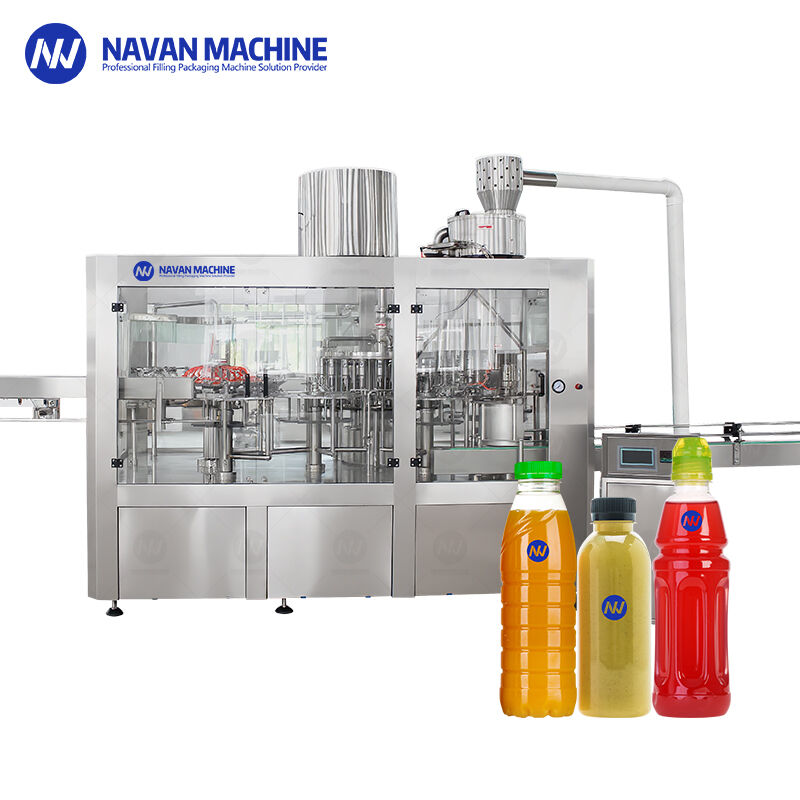
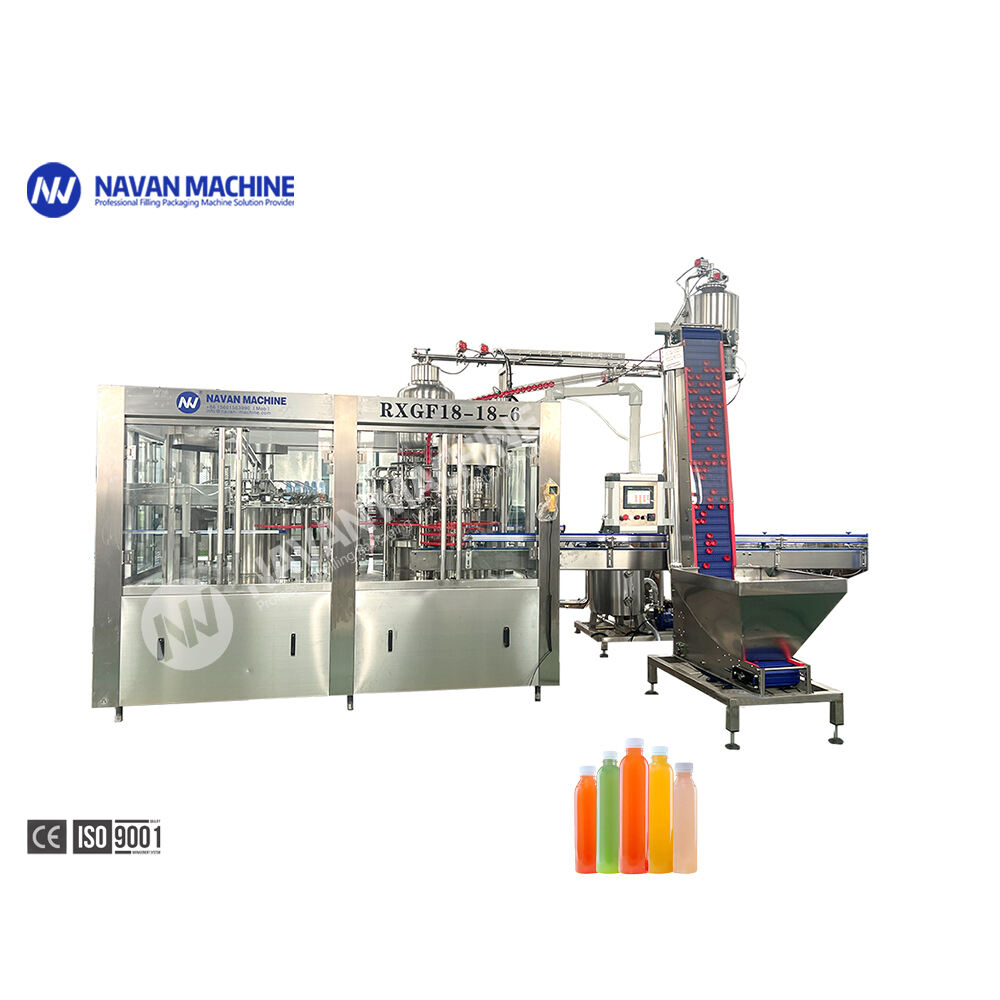
The modern beverage industry operates at a pace and scale that would be impossible to sustain without advanced automation at its core. Among the most essential pieces of equipment in any production environment, beverage filling machines stand out as the backbone of efficient, hygienic, and high-volume liquid packaging. Whether a facility produces carbonated soft drinks, still water, juices, dairy beverages, or alcoholic products, the ability to fill containers accurately, consistently, and at speed determines whether that operation can compete in today's demanding market. Without reliable beverage filling machines, even the most sophisticated production line quickly becomes a bottleneck.
Understanding why beverage filling machines are so critical requires looking beyond their basic function of dispensing liquid into containers. These machines influence product quality, regulatory compliance, operational throughput, labor costs, and the overall profitability of a packaging facility. As consumer expectations rise and supply chains become more complex, the role of beverage filling machines in maintaining competitive production standards has never been more significant. This article explores the core reasons why modern packaging facilities cannot afford to overlook the importance of investing in the right filling technology.
The Foundation of Production Efficiency in Modern Facilities
Throughput and Speed at Industrial Scale
One of the most compelling reasons beverage filling machines are critical is their direct impact on production throughput. Manual or semi-automated filling simply cannot match the speed required to meet retail and distribution demands in today's market. A fully automated beverage filling machine can process hundreds or even thousands of containers per hour, enabling facilities to fulfill large orders without proportionally increasing labor costs. This level of output consistency gives manufacturers the operational reliability they need to maintain supply chain commitments.
Speed alone, however, is only part of the equation. Modern beverage filling machines are engineered to maintain that speed while minimizing downtime between product changeovers, cleaning cycles, and maintenance intervals. The more efficiently a machine can transition between SKUs or container formats, the more productive the overall facility becomes. Downtime is one of the most costly inefficiencies in any packaging operation, and advanced filling equipment is specifically designed to reduce it.
In facilities that run multiple shifts or operate around the clock, the reliability of beverage filling machines directly translates into revenue. A machine that fills accurately and continuously for extended periods without requiring constant operator intervention is a measurable competitive asset. High-capacity filling technology is not merely a convenience — it is a structural requirement for any facility aiming to scale.
Consistency and Fill Accuracy Across Every Container
Fill accuracy is a non-negotiable standard in the beverage industry. Underfilling containers leads to regulatory violations and consumer dissatisfaction, while overfilling increases raw material waste and directly erodes profit margins. Beverage filling machines equipped with precision volumetric or weight-based control systems ensure that every container receives the exact specified fill level, batch after batch. This precision is nearly impossible to replicate manually at any meaningful scale.
Modern beverage filling machines often incorporate sensor-based feedback systems that monitor fill levels in real time, automatically correcting deviations before they become a quality issue. This closed-loop control capability means that even as product viscosity, temperature, or container geometry varies, the machine adapts to maintain consistent output. For facilities producing premium beverages where quality expectations are especially high, this level of control is indispensable.
Hygiene, Safety, and Regulatory Compliance
Meeting Food-Grade Sanitation Standards
The beverage industry is subject to strict food safety regulations governing everything from equipment materials to cleaning procedures. Beverage filling machines designed for food-grade applications are typically constructed from stainless steel and food-safe components that resist corrosion, prevent contamination, and withstand the rigorous cleaning-in-place (CIP) processes required between production runs. Without equipment built to these standards, facilities risk product contamination and the serious legal and reputational consequences that follow.
Proper sanitation in a filling line is not simply about rinsing down surfaces. It involves maintaining sterile or near-sterile conditions throughout the contact zone between the filling nozzle and the beverage. Advanced beverage filling machines feature designs that minimize dead zones where liquid can pool and bacteria can proliferate, supporting the rigorous hygiene cycles that regulators and consumers expect. Facilities that invest in properly designed filling equipment are better positioned to pass audits, certifications, and routine inspections with confidence.
Reducing Human Contact and Contamination Risk
Automation through beverage filling machines significantly reduces the number of human touchpoints in the filling process. Every reduction in manual handling lowers the risk of microbial contamination, particulate introduction, or operator error affecting finished product quality. In categories like dairy beverages, juices, and ready-to-drink functional drinks — where shelf life and product integrity are paramount — minimizing human contact is both a safety imperative and a quality assurance strategy.
Beyond microbial concerns, automated beverage filling machines also protect workers from repetitive strain injuries and exposure to cleaning chemicals. The ergonomic and occupational health benefits of reducing manual filling tasks are an often-overlooked dimension of why facilities prioritize filling automation. A safer workplace supports workforce retention and reduces operational risk at a human level.
Flexibility and Adaptability Across Product Lines
Handling Multiple Beverage Types and Viscosities
Modern packaging facilities rarely produce a single product type. They must accommodate a range of beverages — from thin, carbonated liquids to thick, pulpy juices or viscous dairy drinks — often on the same production line. High-quality beverage filling machines are engineered with the flexibility to handle this variety, using interchangeable filling heads, adjustable flow rates, and compatible valving systems that can be reconfigured without requiring a complete equipment overhaul.
This adaptability is a significant strategic advantage. Rather than investing in separate filling lines for each product category, a facility can leverage a multifunctional beverage filling machine platform capable of switching between products efficiently. This flexibility reduces capital expenditure, saves floor space, and allows production managers to respond to market demand shifts without major infrastructure changes. For contract packers especially, this kind of versatility is essential to staying competitive.
Container Format Compatibility and Line Integration
Beverage filling machines must also accommodate a wide variety of container formats — PET bottles, glass bottles, aluminum cans, cartons, pouches, and more — depending on the facility's product portfolio. Equipment that can be quickly adjusted to handle different container heights, neck finishes, and diameters gives production teams the agility to respond to packaging trend changes without costly downtime or retooling.
Integration with upstream and downstream equipment is equally important. A filling machine that communicates seamlessly with capping, labeling, coding, and secondary packaging systems creates a cohesive, uninterrupted production flow. When beverage filling machines are designed with open communication protocols and modular architecture, they are far easier to integrate into existing lines or expand as production volumes grow. This compatibility consideration is an essential factor in long-term facility planning.
Economic Impact on Facility Profitability
Labor Cost Reduction and Workforce Optimization
Labor is one of the most significant variable costs in any manufacturing or packaging operation. By automating the filling process, facilities substantially reduce their dependence on manual labor for repetitive, time-sensitive tasks. Beverage filling machines allow a smaller, more skilled workforce to oversee a much higher volume of production, shifting human resources toward value-added activities like quality monitoring, machine maintenance, and process optimization rather than manual filling tasks.
The return on investment for beverage filling machines is often realized relatively quickly when measured against the cumulative cost of labor, product waste from inaccurate filling, and downtime associated with manual processes. For facilities operating at even moderate volumes, the economic case for automated filling is compelling. As labor costs continue to rise in many markets, the financial rationale for investing in reliable filling equipment only strengthens over time.
Waste Reduction and Product Loss Prevention
Product waste in a beverage facility has both direct and indirect cost implications. Overfill waste represents raw material loss that compounds rapidly at high production volumes. Underfill, meanwhile, creates compliance risk and potential product recalls, both of which carry enormous financial consequences. Beverage filling machines with precise metering systems address both issues simultaneously, minimizing waste while protecting the facility from regulatory exposure.
Beyond the filling nozzle itself, modern beverage filling machines also reduce spillage, foam loss in carbonated applications, and product degradation from excessive handling. Every improvement in product handling efficiency translates into a measurable cost reduction across a production year. Facilities that view their filling equipment as a profitability tool — rather than just a mechanical necessity — consistently extract greater value from their operations.
Technology Integration and Future-Readiness
Smart Controls and Data-Driven Production
The evolution of beverage filling machines has been deeply influenced by advances in industrial automation, IoT connectivity, and data analytics. Contemporary filling equipment increasingly features programmable logic controllers (PLCs), human-machine interfaces (HMIs), and remote monitoring capabilities that give production managers real-time visibility into machine performance, fill accuracy, and maintenance needs. This data-driven approach enables proactive decision-making rather than reactive troubleshooting.
Facilities that invest in digitally enabled beverage filling machines gain a meaningful operational advantage. They can track performance metrics such as overall equipment effectiveness (OEE), detect drift in fill volumes before they become quality issues, and schedule predictive maintenance intervals that prevent costly unplanned breakdowns. As the industry moves toward Industry 4.0 standards, filling equipment capable of participating in connected production ecosystems becomes an increasingly important part of a facility's technology strategy.
Scalability and Long-Term Capacity Planning
Beverage filling machines represent a long-term capital investment, and facilities must consider not just current production needs but future growth scenarios. Equipment platforms designed with modular scalability — allowing additional filling heads, higher-speed drives, or expanded container format capability to be added over time — protect the initial investment while accommodating volume growth. A well-chosen filling machine can serve a facility's needs across multiple phases of expansion without requiring replacement.
Planning for scalability also means evaluating how beverage filling machines will align with future product development roadmaps. If a facility plans to expand into new beverage categories, new package formats, or new markets with different regulatory requirements, the filling equipment must be capable of evolving alongside those ambitions. Forward-looking facilities treat their filling technology decisions as strategic infrastructure choices with multi-year implications, not short-term operational purchases.
FAQ
What types of beverages can modern filling machines handle?
Modern beverage filling machines are designed to handle a broad spectrum of liquids, including still water, carbonated drinks, fruit juices, dairy-based beverages, energy drinks, alcoholic beverages, and viscous products like nectars or smoothies. The specific machine configuration — including filling valve type, flow rate, and material contact surfaces — is selected based on the product's physical properties to ensure hygiene, accuracy, and efficiency.
How do beverage filling machines contribute to regulatory compliance?
Beverage filling machines support compliance by delivering precise fill volumes that meet net content regulations, using food-grade materials and hygienic designs that satisfy sanitation standards, and enabling the clean-in-place protocols required by food safety authorities. Facilities with properly certified and maintained filling equipment are better positioned to pass regulatory audits and maintain the certifications required to sell in demanding retail and export markets.
What factors should a facility consider when selecting beverage filling equipment?
Key selection factors include production volume requirements, the range of beverage types and viscosities to be filled, container format compatibility, integration with existing line equipment, hygiene and cleaning system requirements, and the availability of technical support and spare parts. Future scalability and the machine's capacity to accommodate new product formats are also important long-term considerations when investing in beverage filling machines.
How often do beverage filling machines require maintenance?
Maintenance frequency depends on production intensity, the types of beverages being filled, and the specific equipment design. In general, beverage filling machines require daily cleaning cycles, periodic inspection of seals, valves, and filling nozzles, and scheduled preventive maintenance at intervals recommended by the manufacturer. Facilities with predictive maintenance programs supported by machine monitoring data can often extend service intervals while reducing the risk of unexpected breakdowns.