 EN
EN
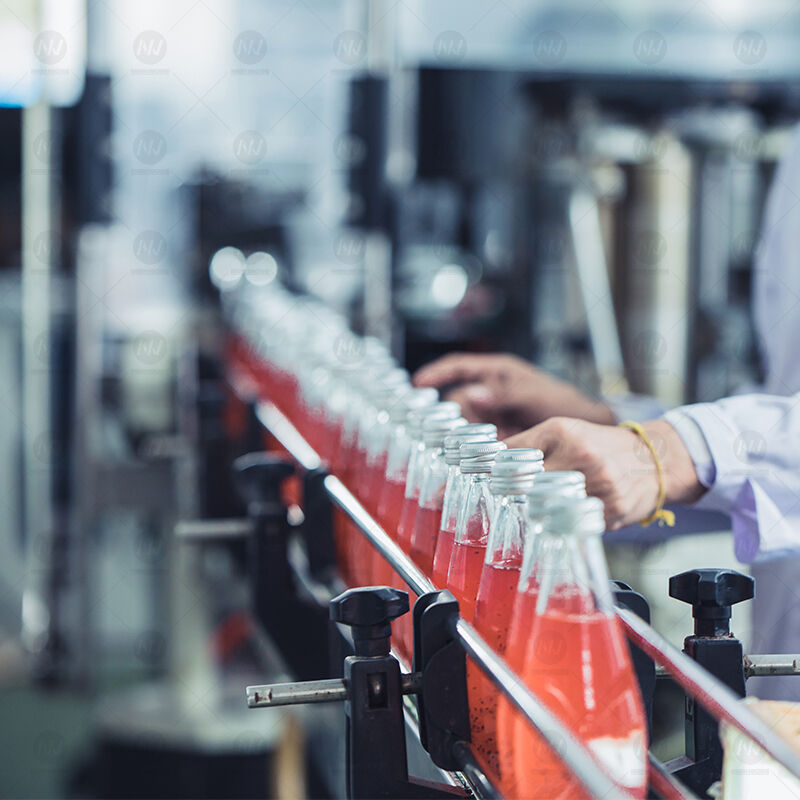
The beverage production industry is undergoing rapid transformation in 2025, and selecting the right beverage filling machine has never been more consequential for manufacturers of every scale. With rising labor costs, evolving packaging formats, and intensifying consumer demand for speed and consistency, decision-makers are under pressure to invest in filling technology that delivers measurable returns. Understanding how different machine configurations rank across the three core dimensions of efficiency, technology, and cost is the foundation of a smart capital investment.
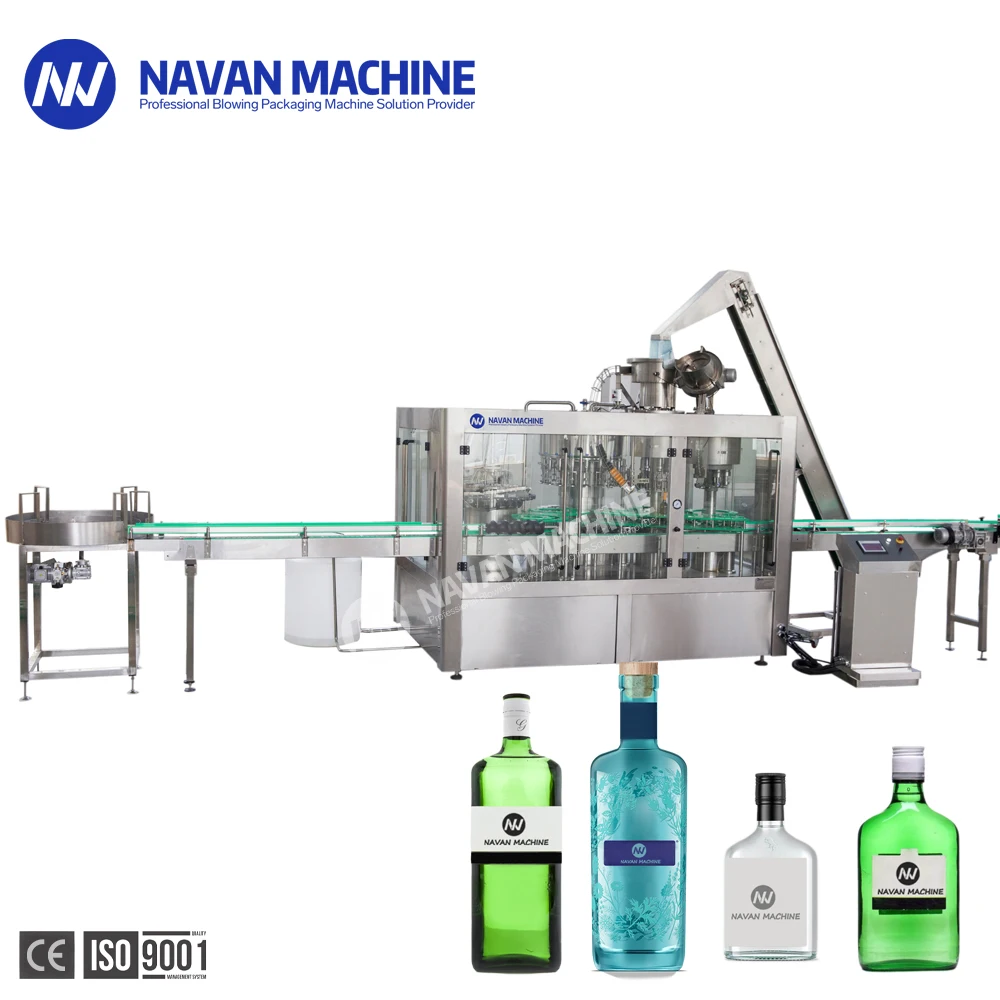
This article provides a structured comparison framework for evaluating beverage filling machine options based on 2025 market realities. Whether you operate a small craft beverage startup or manage a large-scale production facility, understanding where different machine types stand in terms of throughput speed, automation intelligence, and total cost of ownership will help you make a procurement decision you won't regret. The goal is not to name a winner but to clarify the criteria that determine which configuration wins for your specific operation.
Efficiency as a Ranking Criterion for Beverage Filling Equipment
Throughput Speed and Production Capacity
When ranking a beverage filling machine by efficiency, throughput speed is the most immediate metric. Machines are often classified by the number of bottles or containers they can fill per hour, and this figure varies enormously across machine types. Entry-level semi-automatic models may handle a few hundred units per hour, while high-end rotary filling systems can exceed 60,000 bottles per hour in optimized production environments.
However, raw speed alone is not sufficient to determine efficiency. The actual efficiency of a beverage filling machine must account for changeover time, downtime rates, and the speed consistency across a full production shift. A machine that can operate at peak speed but requires lengthy format changeovers will ultimately rank lower in real-world efficiency than one that balances moderate throughput with rapid, tool-free adjustments.
In 2025, efficiency rankings increasingly favor machines that incorporate servo-driven filling heads, which offer smoother acceleration, lower mechanical stress on components, and more accurate fill volumes. These design improvements translate directly into fewer rejected units and reduced product loss, which compounds positively on efficiency scores over time.
Downtime Reduction and Maintenance Efficiency
Planned and unplanned downtime remain the most significant hidden costs in beverage manufacturing. A beverage filling machine that requires frequent mechanical servicing or experiences high rates of seal failure, nozzle clogging, or sensor malfunction can erode efficiency scores even when its nominal capacity appears competitive. Modern machines are now evaluated on mean time between failures (MTBF) as part of any serious efficiency assessment.
Predictive maintenance features, enabled by embedded sensor arrays and real-time monitoring software, are becoming standard in higher-ranked configurations. These systems flag potential failures before they occur, allowing operators to schedule maintenance during planned stops rather than reacting to unexpected breakdowns. The beverage filling machine categories that incorporate these features consistently score higher in long-term efficiency evaluations conducted across production facilities.
Ease of cleaning is another efficiency variable that is often underweighted in initial purchase decisions. Clean-in-place (CIP) systems integrated directly into the filling unit reduce sanitation downtime significantly, which is particularly critical for facilities producing both carbonated and still beverages on the same line. Machines with CIP compatibility rank notably higher in operational efficiency when assessed over a twelve-month production cycle.
Technology Comparison Across Beverage Filling Machine Categories
Automation and Control System Intelligence
The technology architecture behind a modern beverage filling machine has evolved significantly by 2025. Programmable logic controllers (PLCs) have become baseline equipment even in mid-tier models, but the differentiating factor now lies in the sophistication of the human-machine interface (HMI) and the depth of data integration capabilities. Machines with touchscreen HMIs, recipe storage for multiple product formats, and remote diagnostics rank considerably higher on technology assessments than those relying on manual parameter adjustments.
Advanced beverage filling machine systems now offer integration with Manufacturing Execution Systems (MES) and Enterprise Resource Planning (ERP) platforms. This connectivity allows production managers to monitor fill accuracy, throughput, and reject rates from central dashboards in real time. For facilities running multi-SKU operations, this level of technological integration reduces the cognitive burden on floor operators and enables faster, data-driven production decisions.
Artificial intelligence and machine learning algorithms are beginning to influence the next tier of filling technology. These applications are primarily deployed in quality control modules that detect underfills, overfills, and seal defects through high-speed vision systems integrated alongside the beverage filling machine line. While still premium-tier in 2025, this technology is expected to migrate into mid-range configurations within the next two to three production cycles.
Filling Method Technology and Liquid Compatibility
The filling method itself is a core technological differentiator when comparing beverage filling machine configurations. Gravity filling, pressure filling, counter-pressure filling, and volumetric piston filling each serve different product categories and exhibit distinct accuracy profiles. Counter-pressure filling technology, for instance, is essential for carbonated beverages to prevent CO2 loss and foaming during the fill cycle, making it a non-negotiable specification for breweries and sparkling water producers.
Volumetric flow meter-based filling, which measures liquid volume electronically rather than mechanically, represents one of the most accurate technologies available for a beverage filling machine in 2025. This method minimizes product giveaway, which can represent significant cost savings at high production volumes. Machines employing electromagnetic flow meters typically achieve fill accuracy within ±0.1%, which is a benchmark that directly impacts profitability for premium beverages sold by volume.
Multi-format compatibility is another technology dimension that elevates a beverage filling machine in 2025 rankings. Machines capable of handling glass bottles, PET containers, aluminum cans, and pouches on a single platform command a premium but also provide operational flexibility that pays dividends when product portfolios expand. This adaptability is particularly valued in contract packaging environments where product formats change frequently.
Cost Analysis and Total Cost of Ownership in 2025
Initial Capital Investment and Configuration Costs
The purchase price of a beverage filling machine varies across an extremely wide range in 2025, making direct price comparisons meaningful only when configurations and production contexts are aligned. A semi-automatic tabletop unit for small-batch production may cost a few thousand dollars, while a fully integrated rotary filling, capping, and labeling system for high-volume carbonated beverage production can reach several hundred thousand dollars or more, depending on capacity and automation level.
Understanding the modular cost structure of a beverage filling machine investment is essential. The base machine price often excludes conveyor integration, CIP systems, vision inspection modules, and installation and commissioning services. Procurement teams that evaluate only the machine price without accounting for these ancillary costs frequently encounter budget overruns that undermine the financial case built during the vendor selection process.
In 2025, the market for beverage filling machine solutions includes highly capable fully automatic multifunctional configurations that consolidate multiple process steps into a single footprint, reducing both capital expenditure on auxiliary equipment and facility space requirements. These integrated designs often present a more favorable total cost profile than assembling multiple single-purpose machines into a production line.
Operating Costs, Consumables, and Energy Efficiency
Beyond the initial purchase, the operating cost profile of a beverage filling machine determines its true cost ranking over a three-to-five-year investment horizon. Energy consumption is an increasingly scrutinized metric, particularly as electricity costs rise and sustainability reporting obligations expand for beverage producers in most major markets. Servo-driven systems typically consume significantly less energy than pneumatically driven equivalents operating at comparable speeds.
Consumable costs including seals, O-rings, nozzle components, and lubricants accumulate meaningfully over time and should be factored into any cost comparison between beverage filling machine configurations. Machines designed with standardized, commercially available wear parts impose lower long-term costs than those requiring proprietary replacements available only through the original equipment manufacturer. This distinction is a critical procurement consideration that experienced buyers prioritize in their evaluation matrices.
Labor cost reduction is one of the most significant financial arguments in favor of higher-automation beverage filling machine investments. A fully automatic system that requires one operator to oversee multiple functions reduces headcount requirements substantially compared to semi-automatic alternatives. When annualized labor savings are modeled against the capital cost premium of automation, the payback period for higher-technology machines often compares favorably across mid-to-large production scales.
Selecting the Right Configuration for Your 2025 Production Goals
Matching Machine Specifications to Production Volume
The most common procurement error in beverage filling machine selection is choosing a configuration based on current production volumes rather than projected demand over the machine's operational lifespan. Filling equipment typically operates for ten to twenty years when properly maintained, meaning that a machine specified for today's throughput may become a production bottleneck within three to five years if the business scales as planned.
Buyers should evaluate beverage filling machine options against a realistic production growth scenario, not just current requirements. Many manufacturers offer scalable platforms where additional filling heads or a higher-speed drive system can be retrofitted without replacing the entire machine. Identifying these upgrade pathways during the initial selection process protects the capital investment and avoids premature equipment replacement.
Production volume also dictates the value proposition of automation. At lower volumes, the cost premium of full automation may not be recoverable within an acceptable timeframe. At higher volumes, the efficiency gains and labor savings make it difficult to justify a lower-automation beverage filling machine, regardless of its lower initial price point. Establishing a volume-to-automation threshold analysis is therefore an essential step before shortlisting configurations.
Evaluating Technology Readiness and Operational Complexity
A highly sophisticated beverage filling machine with advanced automation and data integration capabilities delivers its maximum value only when the operating team has the skills and infrastructure to leverage those features. Facilities with limited technical expertise or unreliable IT infrastructure may achieve better real-world outcomes from a simpler, more robust configuration that their team can operate and maintain confidently.
Technology readiness assessment should be part of every beverage filling machine procurement process in 2025. This includes evaluating the availability of qualified maintenance technicians in the local market, the proximity of the machine supplier's service network, and the facility's capacity to integrate machine data into broader production management systems. Overspecifying technology without the operational readiness to support it is a well-documented source of poor ROI in capital equipment investments.
Supplier support quality and training programs are also meaningful ranking factors when comparing beverage filling machine options in 2025. Machines backed by comprehensive onboarding training, accessible spare parts inventories, and responsive technical support teams consistently achieve higher utilization rates in practice than those sold purely on specification sheets without strong after-sales infrastructure.
FAQ
What is the most important factor when comparing beverage filling machine efficiency in 2025?
Real-world efficiency goes beyond peak throughput speed. When evaluating a beverage filling machine for efficiency, buyers should prioritize metrics such as overall equipment effectiveness (OEE), changeover time, MTBF, and CIP integration. These factors determine how much of the machine's nominal capacity translates into actual productive output over a full operating year, which is the figure that matters for ROI calculations.
How does the filling method affect the technology ranking of a beverage filling machine?
The filling method is directly tied to product compatibility and accuracy. A beverage filling machine using counter-pressure technology is essential for carbonated beverages, while volumetric flow meter-based systems offer the highest fill accuracy for still liquids. Choosing the wrong filling method for your product type will undermine both quality and efficiency regardless of the machine's automation level, so technology ranking must always be assessed in the context of specific liquid characteristics.
What should be included in the total cost of ownership analysis for a beverage filling machine?
A complete total cost of ownership analysis for a beverage filling machine should include the initial purchase price, installation and commissioning costs, integration with ancillary systems, annual energy consumption, consumable and wear part costs, labor requirements, planned maintenance expenses, and the projected cost of any future upgrades or capacity expansions. Omitting any of these elements leads to an incomplete cost picture that can distort the perceived value of lower-priced configurations.
Is a fully automatic beverage filling machine always a better investment than a semi-automatic one?
Not necessarily. A fully automatic beverage filling machine offers the strongest value proposition at medium-to-high production volumes where labor savings and throughput gains can offset the higher capital cost within a reasonable payback period. For small-batch or highly variable production environments, a semi-automatic configuration may deliver a better return because its lower cost and simpler operation align more closely with the actual production demands. The correct answer depends on a thorough volume, labor cost, and growth projection analysis specific to your facility.
Table of Contents
- Efficiency as a Ranking Criterion for Beverage Filling Equipment
- Technology Comparison Across Beverage Filling Machine Categories
- Cost Analysis and Total Cost of Ownership in 2025
- Selecting the Right Configuration for Your 2025 Production Goals
-
FAQ
- What is the most important factor when comparing beverage filling machine efficiency in 2025?
- How does the filling method affect the technology ranking of a beverage filling machine?
- What should be included in the total cost of ownership analysis for a beverage filling machine?
- Is a fully automatic beverage filling machine always a better investment than a semi-automatic one?