 EN
EN
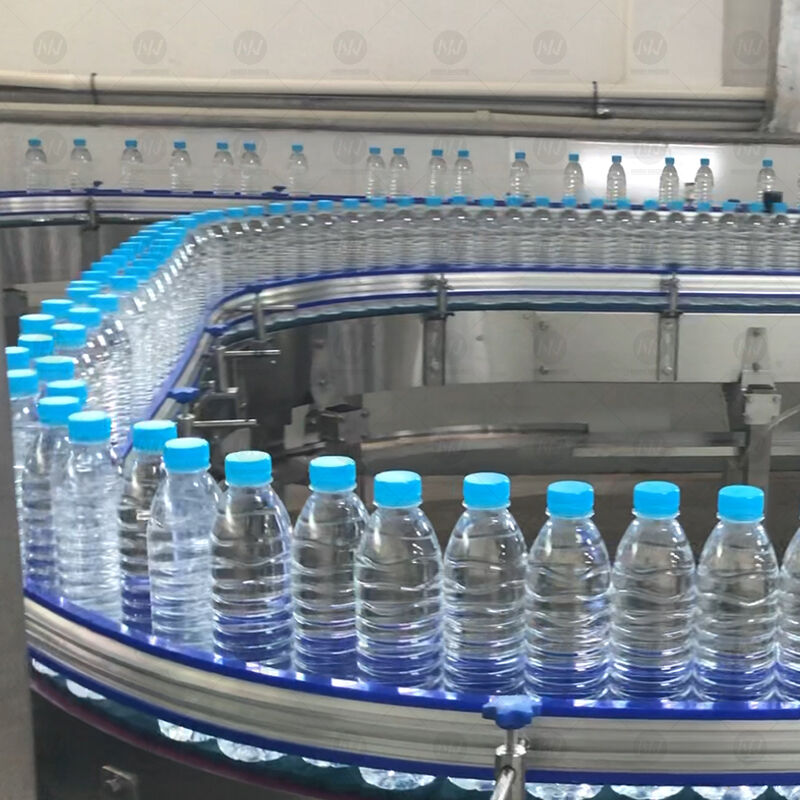
When it comes to liquid packaging, one size rarely fits all. A filling machine that works perfectly for water may perform poorly with thick sauces, foamy beverages, or corrosive chemicals. For manufacturers operating across product lines or serving multiple industries, the ability to customize a filling machine is not a luxury — it is a core operational requirement. Understanding how this customization works helps procurement teams, plant engineers, and production managers make smarter equipment decisions.
Customizing a filling machine for different liquids involves far more than adjusting a dial or swapping a nozzle. It requires a deliberate engineering approach that accounts for fluid viscosity, chemical compatibility, fill accuracy, hygienic standards, and production speed. This article walks through the key dimensions of filling machine customization — from mechanical adaptations to control system logic — so manufacturers can align their equipment choices with the real demands of their liquid products.
Understanding Liquid Properties That Drive Customization
Viscosity as the Primary Design Variable
Viscosity is the single most influential property when customizing a filling machine. Thin, free-flowing liquids like water, juices, or light oils behave very differently from thick, high-viscosity products like honey, gels, pastes, or tomato-based sauces. A filling machine designed for low-viscosity fluids typically relies on gravity or simple pump-based flow, which can be fast and precise for watery products but completely ineffective for dense or sticky materials.
For high-viscosity liquids, manufacturers often specify piston-type or rotary pump filling heads that can generate enough mechanical force to move the product consistently. The cylinder bore size, pump stroke length, and valve geometry all need to be matched to the target viscosity range. When a filling machine is being customized for a product line that spans a wide viscosity range, multi-stage pumping systems or interchangeable filling heads become essential design features.
Ignoring viscosity during customization leads to common production problems: inconsistent fill volumes, excessive dripping, product waste, and mechanical wear. A well-customized filling machine will have viscosity-specific components that are selected before the machine is built, not retrofitted after deployment.
Foaming, Carbonation, and Volatile Liquids
Some liquids present challenges beyond viscosity. Carbonated beverages, alcohol-based products, and surfactant-rich detergents tend to foam during filling, which disrupts volumetric accuracy and can overflow containers. A filling machine handling these products must incorporate bottom-up filling mechanisms, controlled flow rates, and in many cases, counter-pressure filling systems that suppress foam formation by maintaining back pressure inside the container throughout the fill cycle.
Volatile liquids, including certain solvents, perfumes, and flammable chemicals, require a different type of customization focused on safety and containment. The filling machine must use explosion-proof motors, sealed filling environments, and materials that do not generate static charge during high-speed operation. These adaptations are not optional — they are regulatory requirements in most manufacturing jurisdictions.
By identifying the physical and chemical behavior of each liquid upfront, manufacturers can define a precise customization specification that guides every downstream equipment decision. The filling machine becomes a purpose-built tool rather than a compromise solution.
Mechanical Adaptations for Different Liquid Types
Nozzle Design and Fill Head Configuration
The nozzle is the final contact point between the filling machine and the product, and its design has an outsized impact on fill accuracy, hygiene, and speed. Thin liquids require anti-drip nozzles with spring-loaded shutoff valves that prevent product from continuing to flow after the fill cycle ends. Without this feature, even small drips accumulate into significant product loss and contamination risk over a full production shift.
For chunky or particulate-laden liquids — such as salsa, fruit pulp beverages, or soups — the nozzle diameter must be wide enough to allow solid particles to pass without clogging. Manufacturers customizing a filling machine for these product types often specify full-bore nozzle openings, rotary valve heads, or vibration-assisted filling mechanisms that keep particulates in suspension during the fill cycle.
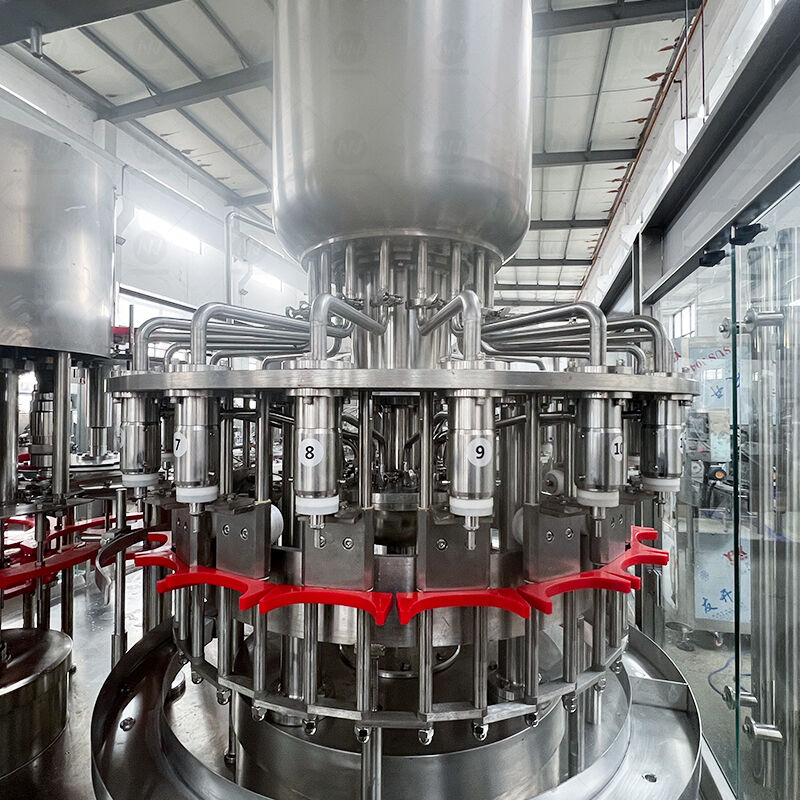
Multi-nozzle configurations are another common customization. A filling machine used in high-throughput beverage production may use 12 to 24 nozzles operating simultaneously, all synchronized to deliver identical fill volumes. In contrast, a filling machine used for premium cosmetics may use a single precision nozzle with sub-milliliter accuracy. The number, spacing, and activation sequence of nozzles must all be engineered to the specific product and container format.
Pump Type Selection and Flow Control Mechanisms
Different pump technologies serve different liquid categories. Peristaltic pumps are widely used in pharmaceutical and food-grade filling applications because the liquid only contacts the tubing — never the pump body — making cleaning and contamination control straightforward. However, peristaltic systems have flow rate limitations that make them less suitable for very high-volume production lines.
Gear pumps deliver highly consistent volumetric output and are preferred for viscous, non-abrasive liquids like oils and syrups. Piston pumps offer excellent precision across a wider viscosity range and are the dominant choice for customizable filling machine builds that need to handle multiple product types. Diaphragm pumps are commonly used when the liquid is aggressive, corrosive, or must be kept isolated from metal surfaces.
Flow control is equally important. A customized filling machine will incorporate flow meters, servo-controlled valve timing, or electronic feedback loops that adjust the fill cycle in real time based on measured output. These systems ensure that even as batch viscosity varies slightly due to temperature fluctuations or raw material differences, the filling machine maintains target fill weight or volume within acceptable tolerance bands.
Material Compatibility and Hygienic Design
Choosing Wetted Materials for Chemical Compatibility
Every surface that contacts the liquid inside a filling machine is called a 'wetted part,' and material selection for these components is one of the most critical aspects of customization. Stainless steel grade 316L is the standard choice for food, beverage, and pharmaceutical applications because of its corrosion resistance and ease of sanitization. However, certain acids, alkalis, and solvents can attack even stainless steel, requiring alternative materials such as PTFE, HDPE, or ceramic-coated components.
Manufacturers customizing a filling machine for aggressive chemical products must work closely with the equipment builder to audit every wetted material in the flow path — including gaskets, seals, tubing, valve bodies, and tank linings. A single incompatible seal material can contaminate an entire product batch or cause premature mechanical failure. Material compatibility charts and chemical resistance databases are standard tools used during the customization specification process.
For edible oils, dairy products, and other lipid-rich liquids, the concern shifts from chemical corrosion to bacterial adhesion. Smooth, crevice-free internal surfaces with no dead legs or stagnant zones are essential. A well-customized filling machine for food applications will feature electropolished contact surfaces, sanitary clamp fittings, and component designs validated against international hygienic engineering standards.
CIP and SIP Integration for Production Flexibility
Clean-in-Place (CIP) and Sterilize-in-Place (SIP) capabilities are increasingly expected in modern filling machine designs, especially in food, beverage, and pharmaceutical manufacturing. CIP allows the entire internal flow path to be flushed and cleaned with cleaning agents without disassembling the machine. SIP goes further by circulating steam or hot water at sterilizing temperatures through the system between production runs.
Customizing a filling machine to support CIP and SIP requires specific design choices: self-draining pipework angles, spray balls inside tanks and manifolds, fully sealed motor enclosures, and materials rated for repeated thermal cycling. These features add upfront cost but reduce changeover time and cleaning labor significantly over the machine's service life.
For manufacturers producing multiple liquid products on the same line, CIP compatibility is what makes rapid product changeovers feasible. A filling machine that can be cleaned and validated for a new product in under an hour represents a genuine competitive advantage in a contract manufacturing or multi-SKU production environment.
Control Systems and Software Customization
Programmable Logic and Recipe Management
Modern filling machine systems are built around programmable logic controllers (PLCs) that govern every aspect of the fill cycle — from conveyor speed and container positioning to pump activation timing and nozzle shutoff. Customizing the control system to match specific liquid behaviors is just as important as the mechanical adaptations. A control recipe for water-thin liquid will have entirely different timing parameters than one for cold-process honey.
Recipe management software allows operators to store and recall product-specific fill parameters at the touch of a button. When a manufacturer runs multiple liquid SKUs on the same filling machine, recipe-driven changeovers eliminate the need for manual recalibration and reduce human error significantly. Each recipe can capture fill volume targets, acceptable tolerance bands, pump speed curves, and sensor alarm thresholds tailored to that specific liquid.
Advanced filling machine platforms support remote diagnostics and data logging, which enables production managers to track fill accuracy trends over time and identify drift before it becomes a quality problem. This data-driven visibility is particularly valuable when running temperature-sensitive liquids whose viscosity changes throughout the production day.
Sensing Technologies for Liquid-Specific Accuracy
Fill accuracy depends on sensing technology as much as mechanical precision. For low-viscosity, transparent liquids, optical or capacitive level sensors can detect fill height with high accuracy at fast cycle speeds. For opaque, dense, or conductive liquids, weight-based filling — where the container sits on a load cell and the fill cycle terminates when target mass is reached — offers the most reliable accuracy regardless of product consistency variations.
Flow meter-based filling uses Coriolis or electromagnetic flow meters to measure the actual volume or mass of liquid dispensed in real time. This approach is common in pharmaceutical filling machine applications where batch documentation and traceability are regulatory requirements. Customizing the sensing architecture of a filling machine to match the target liquid's physical properties is what separates a precision production tool from an approximate one.
Temperature compensation is another sensor-driven customization. Liquids expand and contract with temperature, and a filling machine running without temperature-compensated control will produce slightly different fill weights in the morning versus the afternoon in an unconditioned facility. Integrating temperature sensors into the control loop allows the system to adjust pump stroke or valve timing dynamically, maintaining fill accuracy across ambient temperature variation.
Scalability and Future-Proofing Customized Lines
Modular Design for Multi-Product Flexibility
Manufacturers who anticipate product line expansion benefit enormously from modular filling machine architecture. Rather than building a purpose-specific machine for a single liquid type, a modular design allows filling heads, pump assemblies, and nozzle sets to be swapped out as new products are introduced. This approach reduces capital expenditure over time and shortens the time-to-production for new liquid SKUs.
Modular filling machine platforms also simplify spare parts management. When multiple product-specific modules share a common base machine, the inventory of spare components is smaller and more standardized. Maintenance teams can be trained on a single platform rather than multiple machine variants, reducing training costs and response time during unplanned downtime.
The key to successful modular customization is agreeing on the platform architecture before the first liquid application is specified. Retrofitting modularity onto a machine designed for a single product is rarely cost-effective. Manufacturers should evaluate their three-to-five year product roadmap when specifying a new filling machine and build that flexibility in from the start.
Validation, Testing, and Commissioning for New Liquids
Even the most carefully customized filling machine must go through structured validation before entering commercial production. This process begins with fill accuracy trials using actual production liquid at representative temperatures and viscosity levels. The trials verify that the machine achieves target fill volumes within the specified tolerance across the full range of expected production conditions.
For regulated industries such as pharmaceuticals, nutraceuticals, and medical devices, the validation process includes Installation Qualification (IQ), Operational Qualification (OQ), and Performance Qualification (PQ) documentation. Each stage confirms that the filling machine is installed correctly, operates within defined parameters, and consistently produces acceptable output. This documentation becomes part of the product's regulatory submission package.
Commissioning a customized filling machine for a new liquid also includes operator training on product-specific fill recipes, cleaning procedures, and troubleshooting protocols. The investment in proper commissioning reduces startup waste, shortens the learning curve, and establishes the baseline performance data needed to monitor the machine's condition over its operational life.
FAQ
What types of liquids can a filling machine be customized to handle?
A filling machine can be customized for a very wide range of liquids, including water, juices, carbonated beverages, dairy products, edible oils, sauces, gels, pastes, pharmaceutical liquids, cosmetics, and industrial chemicals. The customization scope depends on the liquid's viscosity, foaming tendency, chemical aggressiveness, hygienic requirements, and fill accuracy targets. Each of these variables drives specific design choices in the pump type, nozzle configuration, wetted materials, and control system.
How does viscosity affect filling machine customization choices?
Viscosity is the most fundamental variable in filling machine customization. Low-viscosity liquids flow freely and can be handled with gravity-fed or light pump-based systems, while high-viscosity products require piston or gear pump mechanisms that generate sufficient force to move the material reliably. Very thick or semi-solid products may also need heated flow paths, wider nozzle bores, and extended fill cycle timing. Matching the filling machine's mechanical design to the target viscosity range is essential for achieving consistent fill accuracy and minimizing product waste.
Can a single filling machine be customized to run multiple liquid products?
Yes, a filling machine can be engineered to run multiple liquid products through modular design and recipe-based control systems. Interchangeable filling heads, pump assemblies, and nozzle sets allow the machine to switch between product types with minimal downtime. Digital recipe management stores product-specific operating parameters that can be recalled instantly, eliminating manual recalibration between runs. CIP capability further supports multi-product use by enabling rapid, validated cleaning between different liquid types without machine disassembly.
What is the role of the control system in a customized filling machine?
The control system is what translates mechanical capability into repeatable, accurate performance for each specific liquid. A PLC-based filling machine control platform governs pump timing, nozzle actuation, conveyor synchronization, and fill termination logic based on product-specific recipes. Integrated sensing technologies — including load cells, flow meters, and temperature probes — feed real-time data back to the controller, allowing the system to maintain fill accuracy even as liquid properties vary during a production run. For regulated industries, the control system also generates batch records and audit trails required for compliance documentation.