 EN
EN
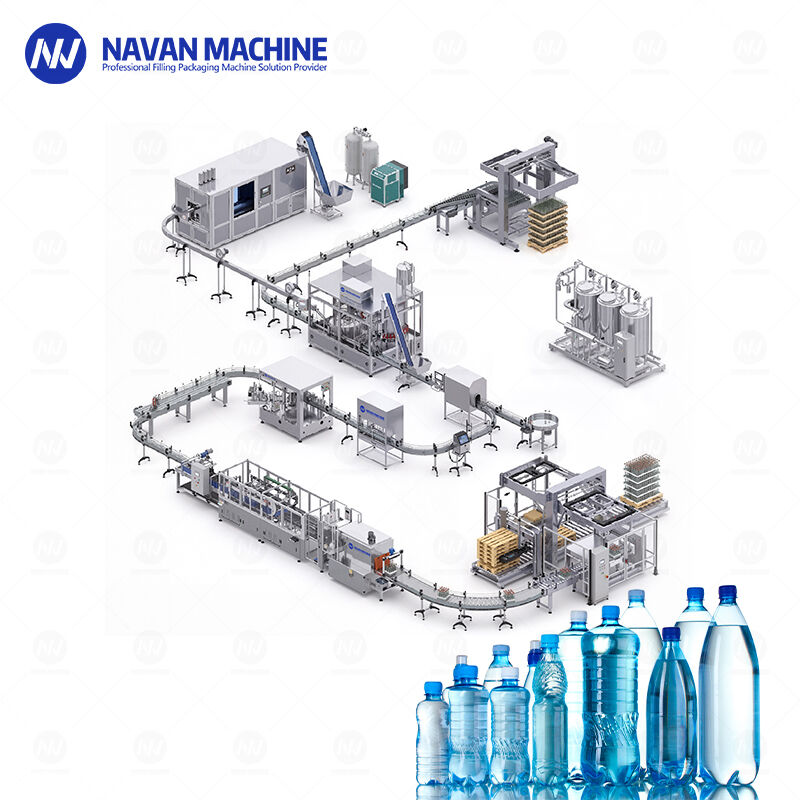
Modern beverage manufacturing requires sophisticated automation systems that can handle high-volume production while maintaining stringent quality standards. A complete water filling line represents the backbone of any successful bottled water operation, integrating multiple processes from bottle handling to final packaging. These comprehensive systems have revolutionized how beverage plants approach production efficiency, quality control, and operational scalability. The selection of an appropriate complete water filling line directly impacts production capacity, product quality, and long-term profitability for beverage manufacturers worldwide.
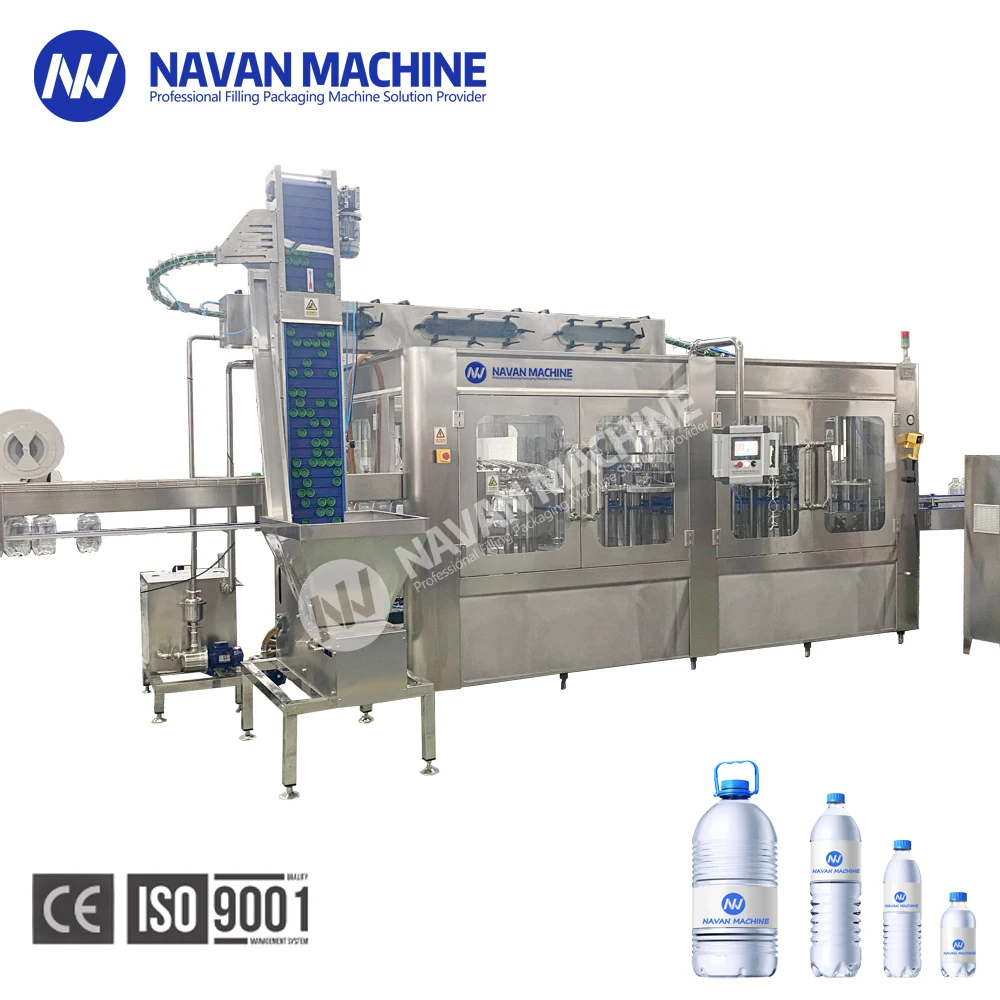
Essential Components of Advanced Water Filling Systems
Primary Processing Modules
Every effective complete water filling line incorporates several critical processing modules that work in perfect synchronization. The water treatment section ensures source water meets pharmaceutical-grade standards through multiple filtration stages, including reverse osmosis, UV sterilization, and ozone treatment. This preliminary processing establishes the foundation for consistent product quality throughout the entire production cycle.
Bottle preparation systems handle container sanitization, inspection, and positioning before the filling process begins. Advanced complete water filling line configurations include automated bottle unscrambling, air rinsing, and precision alignment mechanisms that maintain optimal production speeds while eliminating contamination risks. These preparatory stages are essential for achieving the reliability that modern beverage plants demand.
Filling and Sealing Technologies
Precision filling valves represent the heart of any complete water filling line, utilizing gravity-fed or pressure-fed mechanisms depending on specific production requirements. Modern systems incorporate electronic fill level monitoring, automatic valve adjustment, and real-time quality feedback to ensure consistent fill volumes across thousands of bottles per hour. The integration of servo-driven technologies allows for rapid changeover between different bottle sizes without extensive manual adjustments.
Capping systems work in tandem with filling operations to create hermetic seals that preserve product integrity throughout distribution and storage. Advanced complete water filling line installations feature torque-controlled capping heads, cap presence detection, and automatic rejection systems for improperly sealed containers. This comprehensive approach to sealing ensures that every bottle leaving the production line meets strict quality specifications.
Automation and Control System Integration
Human Machine Interface Technologies
Contemporary complete water filling line systems rely on sophisticated control platforms that provide operators with comprehensive system oversight and control capabilities. Touch-screen interfaces display real-time production data, alarm conditions, and performance metrics that enable proactive maintenance and optimization. These control systems integrate with enterprise resource planning software to provide complete production visibility from raw materials to finished goods.
Advanced diagnostic capabilities built into modern complete water filling line controls can predict potential equipment failures, schedule preventive maintenance, and optimize production parameters automatically. Machine learning algorithms analyze historical performance data to recommend operational adjustments that maximize efficiency while minimizing waste and downtime. This intelligent automation reduces dependency on specialized operators while improving overall system reliability.
Quality Monitoring and Validation
Integrated quality control systems within a complete water filling line perform continuous monitoring of critical parameters including fill accuracy, cap torque, bottle integrity, and label placement. Vision systems inspect every container for defects, foreign particles, and proper labeling before products proceed to packaging stages. These automated inspection processes eliminate human error while maintaining consistent quality standards regardless of production volume.
Data logging capabilities ensure complete traceability for regulatory compliance and quality assurance purposes. Modern complete water filling line installations automatically record batch information, processing parameters, and quality test results in tamper-proof databases. This comprehensive documentation supports food safety certifications and provides valuable insights for continuous improvement initiatives.
Production Capacity and Scalability Considerations
Volume Output Optimization
Production capacity planning requires careful consideration of peak demand scenarios, seasonal variations, and future growth projections when selecting a complete water filling line. Systems designed for flexibility can accommodate multiple bottle formats, various cap styles, and different label configurations without extensive retooling. This adaptability allows beverage plants to respond quickly to market opportunities and consumer preferences.
Modular design principles enable incremental capacity expansion by adding parallel processing lines or upgrading individual components within existing complete water filling line installations. This approach minimizes capital investment risks while providing pathways for organic growth. Strategic planning ensures that initial system selections can evolve with business requirements over extended operational periods.
Energy Efficiency and Sustainability
Modern complete water filling line systems incorporate energy-efficient technologies that reduce operational costs while supporting environmental sustainability goals. Variable frequency drives optimize motor performance based on actual production demands, significantly reducing electricity consumption during lower-volume periods. Heat recovery systems capture waste thermal energy from various processes to pre-heat incoming water or provide facility heating.
Water conservation features within advanced complete water filling line designs include closed-loop rinsing systems, automated cleaning cycles that minimize chemical and water usage, and leak detection systems that prevent wastage. These sustainable technologies often qualify for utility rebates and environmental certifications that enhance corporate responsibility profiles while reducing operating expenses.
Maintenance and Operational Excellence
Preventive Maintenance Strategies
Successful complete water filling line operations depend on comprehensive maintenance programs that prevent unexpected failures and optimize equipment lifespan. Scheduled component replacement, lubrication protocols, and calibration procedures ensure consistent performance while minimizing emergency repairs. Advanced systems provide maintenance alerts based on operating hours, cycle counts, and performance degradation patterns.
Remote monitoring capabilities allow equipment manufacturers to provide proactive support for complete water filling line installations worldwide. Technical specialists can diagnose problems, recommend solutions, and guide local technicians through complex repairs without costly site visits. This remote support model reduces downtime while ensuring that maintenance activities meet manufacturer specifications.
Operator Training and Safety Protocols
Comprehensive operator training programs ensure that personnel can safely and effectively operate sophisticated complete water filling line equipment. Simulation-based training modules allow operators to practice emergency procedures, changeover sequences, and troubleshooting techniques without disrupting production. Ongoing education programs keep staff current with evolving technologies and regulatory requirements.
Safety systems integrated into modern complete water filling line designs include emergency stop mechanisms, lockout-tagout procedures, and protective barriers that prevent operator injuries. Machine guarding, safety interlocks, and automated shutdown sequences protect both personnel and equipment during normal operations and maintenance activities. These comprehensive safety measures support regulatory compliance while creating confident working environments.
Market Leading Complete Water Filling Line Solutions
High-Speed Production Systems
Leading complete water filling line manufacturers offer systems capable of processing thousands of bottles per hour while maintaining exceptional quality standards. These high-capacity installations incorporate advanced robotics, precision mechanics, and intelligent controls that deliver consistent results under demanding production conditions. Strategic partnerships between equipment suppliers and beverage producers drive continuous innovation in speed, efficiency, and reliability.
Cutting-edge complete water filling line technologies include servo-driven conveyor systems, high-speed cap sorting mechanisms, and ultra-fast vision inspection systems that operate at unprecedented speeds. These technological advances enable beverage plants to meet growing market demand while maintaining competitive cost structures and superior product quality.
Customization and Application-Specific Features
Premium complete water filling line suppliers provide extensive customization options that address unique production requirements, facility constraints, and regulatory specifications. Custom engineering services ensure optimal integration with existing infrastructure while maximizing available floor space. Specialized features might include exotic material construction for aggressive sanitizing chemicals, explosion-proof electrical systems for hazardous environments, or ultra-clean room compatibility for pharmaceutical applications.
Application-specific complete water filling line configurations serve niche markets including flavored water, functional beverages, and premium spring water products. These specialized systems incorporate additional processing steps, alternative packaging formats, and enhanced quality control measures that support product differentiation and premium pricing strategies.
FAQ
What factors should be considered when selecting a complete water filling line for a new beverage plant
Key selection criteria include production capacity requirements, available floor space, utility infrastructure, regulatory compliance needs, and future expansion plans. Budget considerations must balance initial capital investment against long-term operational costs including energy consumption, maintenance requirements, and operator training expenses. Product portfolio diversity and packaging format flexibility significantly impact system configuration decisions.
How does automation level affect the total cost of ownership for complete water filling line systems
Higher automation levels typically require greater initial investment but deliver substantial savings through reduced labor costs, improved quality consistency, and enhanced production efficiency. Automated systems also provide better data collection capabilities for process optimization and regulatory compliance. The payback period for advanced automation depends on production volume, labor rates, and quality requirements specific to each operation.
What maintenance requirements are typical for modern complete water filling line equipment
Regular maintenance includes daily cleaning and sanitization, weekly lubrication of mechanical components, monthly calibration checks, and quarterly replacement of wear parts. Annual comprehensive inspections ensure continued compliance with safety and performance standards. Preventive maintenance programs based on manufacturer recommendations significantly extend equipment life while minimizing unexpected failures.
How can beverage plants ensure optimal performance from their complete water filling line investment
Optimal performance requires proper operator training, adherence to maintenance schedules, regular performance monitoring, and continuous process improvement initiatives. Establishing key performance indicators for efficiency, quality, and uptime enables data-driven optimization decisions. Strong partnerships with equipment suppliers provide access to technical support, spare parts, and upgrade opportunities that maximize system value over time.
Table of Contents
- Essential Components of Advanced Water Filling Systems
- Automation and Control System Integration
- Production Capacity and Scalability Considerations
- Maintenance and Operational Excellence
- Market Leading Complete Water Filling Line Solutions
-
FAQ
- What factors should be considered when selecting a complete water filling line for a new beverage plant
- How does automation level affect the total cost of ownership for complete water filling line systems
- What maintenance requirements are typical for modern complete water filling line equipment
- How can beverage plants ensure optimal performance from their complete water filling line investment