 EN
EN
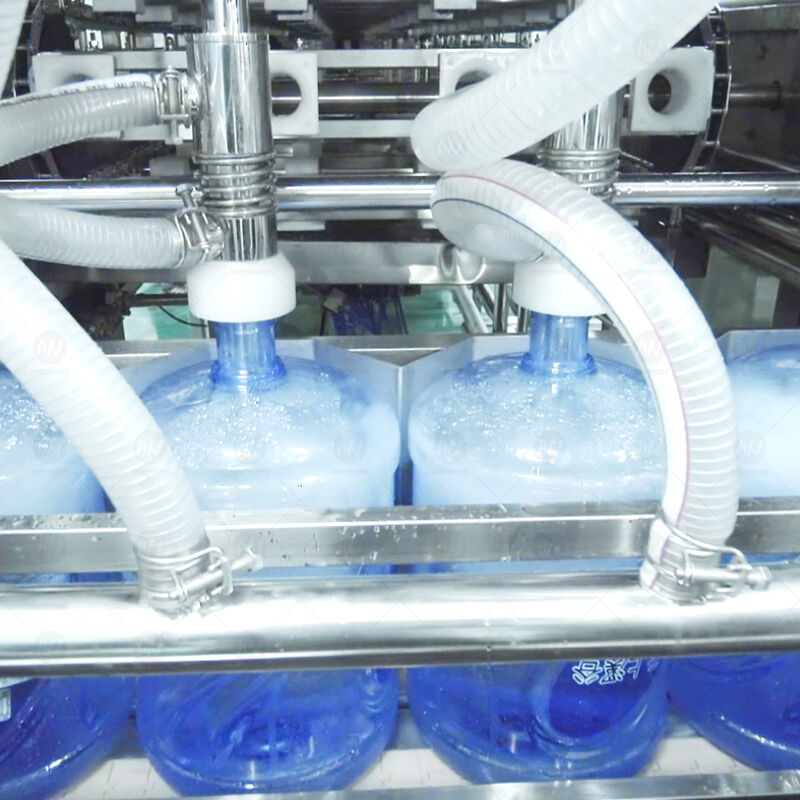
Modern manufacturing facilities face increasing pressure to balance operational efficiency with environmental responsibility, particularly when operating industrial equipment like a water filling line. The demand for sustainable production methods has driven significant innovation in bottling technology, where energy consumption and environmental impact directly affect both operational costs and regulatory compliance. Understanding the specific design elements and operational features that contribute to energy efficiency becomes crucial for manufacturers seeking to optimize their water filling line performance while meeting sustainability goals.
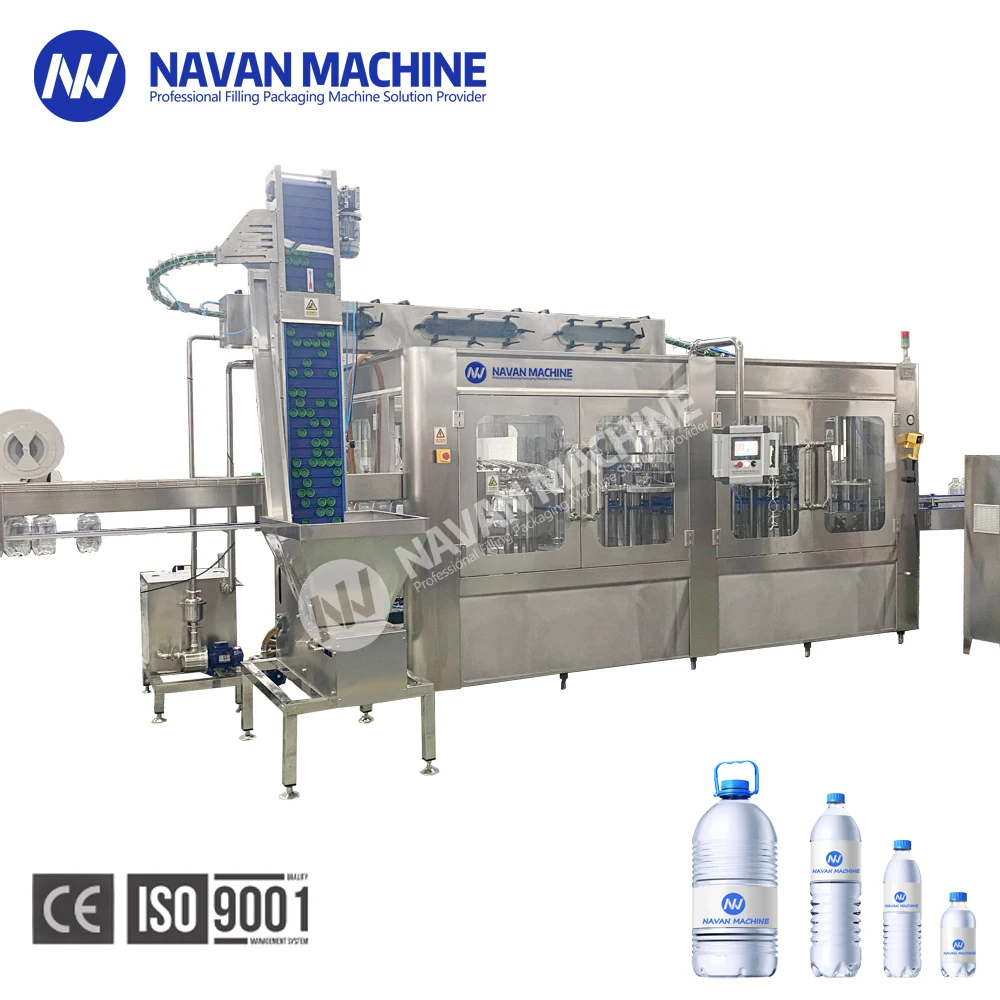
Energy-efficient and eco-friendly water filling line systems integrate advanced engineering principles with environmental stewardship, creating production solutions that minimize resource consumption while maintaining high-quality output standards. These systems incorporate sophisticated control mechanisms, optimized mechanical designs, and intelligent automation features that work together to reduce energy waste, minimize water usage, and decrease overall environmental footprint. The combination of these technological advances enables manufacturers to achieve substantial cost savings while contributing to broader sustainability initiatives across the beverage industry.
Core Energy-Saving Technologies in Modern Water Filling Lines
Variable Frequency Drive Systems
Variable frequency drive technology represents one of the most significant energy-saving innovations in contemporary water filling line design. These systems automatically adjust motor speeds based on real-time production demands, eliminating the energy waste associated with constant-speed operations. When production requirements decrease, the VFD system reduces motor speeds proportionally, resulting in substantial energy savings that can reach up to 30% compared to traditional fixed-speed systems.
The implementation of VFD technology extends beyond simple speed control, incorporating sophisticated feedback mechanisms that monitor production flow rates, bottle positioning accuracy, and filling precision. This intelligent control system ensures that energy consumption remains optimized throughout varying production cycles while maintaining consistent quality standards. The technology proves particularly valuable during startup and shutdown procedures, where gradual speed adjustments prevent energy spikes and mechanical stress on system components.
Advanced Heat Recovery Systems
Heat recovery mechanisms in energy-efficient water filling line configurations capture and redirect thermal energy that would otherwise be lost during production processes. These systems typically recover heat from sterilization units, washing cycles, and mechanical operations, redirecting this energy to support other production requirements such as water heating or facility climate control. The integration of heat exchangers and thermal storage systems enables manufacturers to achieve significant reductions in overall energy consumption.
Modern heat recovery implementations include closed-loop systems that continuously circulate thermal energy throughout the production facility, maximizing energy utilization efficiency. These systems often incorporate smart temperature monitoring and automatic distribution controls that ensure optimal thermal energy allocation based on real-time production needs. The technology enables manufacturers to reduce external energy requirements by up to 25% while maintaining consistent production temperatures and processing conditions.
Intelligent Control and Automation Systems
Sophisticated control systems form the foundation of energy-efficient water filling line operations, utilizing advanced algorithms and sensor networks to optimize energy consumption across all production phases. These systems continuously monitor equipment performance, production rates, and energy usage patterns, automatically adjusting operational parameters to maintain optimal efficiency levels. The integration of artificial intelligence and machine learning capabilities enables predictive optimization that anticipates production requirements and adjusts system performance accordingly.
The automation systems incorporate comprehensive energy monitoring protocols that track power consumption across individual components, enabling precise identification of energy inefficiencies and optimization opportunities. Real-time data analysis capabilities allow operators to implement immediate adjustments that reduce energy waste while maintaining production quality and throughput targets. These intelligent systems often include remote monitoring capabilities that enable continuous optimization even during unmanned operation periods.
Environmental Design Features and Sustainable Materials
Water Conservation and Recycling Systems
Water conservation represents a critical environmental consideration in sustainable water filling line design, where integrated recycling systems capture and treat process water for reuse throughout production cycles. These systems typically include multi-stage filtration processes, UV sterilization units, and quality monitoring systems that ensure recycled water meets stringent quality standards for continued use in production operations. Advanced water treatment technologies enable manufacturers to reduce fresh water consumption by up to 40% while maintaining product quality and safety requirements.
The implementation of closed-loop water systems prevents contaminated process water from entering municipal waste streams, reducing environmental impact while generating cost savings through reduced water procurement and waste disposal expenses. These systems incorporate sophisticated monitoring protocols that continuously assess water quality parameters, automatically diverting water streams when quality standards are not met and ensuring consistent production safety standards.
Sustainable Material Selection and Design
Eco-friendly water filling line construction emphasizes the selection of sustainable materials and manufacturing processes that minimize environmental impact throughout the equipment lifecycle. Stainless steel components with high recycling potential, food-grade plastics from renewable sources, and energy-efficient component manufacturing contribute to overall system sustainability. The design philosophy extends to component durability and repairability, reducing the need for frequent replacements and minimizing waste generation.
Manufacturing processes for sustainable water filling line components increasingly incorporate renewable energy sources, reduced-emission production methods, and minimal packaging approaches that decrease the environmental footprint of equipment production. These considerations ensure that environmental responsibility begins during equipment manufacturing and continues throughout operational service life, creating comprehensive sustainability solutions for beverage production facilities.
Waste Reduction and Byproduct Management
Efficient waste management systems integrated into modern water filling line designs capture and process production byproducts, converting potential waste materials into useful resources or ensuring safe disposal methods. These systems include bottle rejection handling mechanisms, packaging material recovery systems, and process water treatment facilities that minimize waste generation while maximizing resource recovery opportunities.
Advanced byproduct management includes automated sorting systems that separate different waste materials for appropriate recycling or disposal channels, reducing manual handling requirements while ensuring compliance with environmental regulations. The integration of waste tracking and reporting systems enables manufacturers to monitor waste generation patterns, identify reduction opportunities, and demonstrate environmental compliance to regulatory authorities and stakeholders.
Operational Efficiency Strategies and Performance Optimization
Preventive Maintenance and Equipment Longevity
Comprehensive preventive maintenance programs significantly enhance the energy efficiency and environmental performance of water filling line operations by ensuring optimal equipment performance and extending operational lifecycles. These programs incorporate predictive maintenance technologies, including vibration analysis, thermal monitoring, and performance trending systems that identify potential issues before they result in energy inefficiencies or equipment failures.
Regular maintenance scheduling and component replacement protocols ensure that water filling line systems continue operating at peak efficiency levels throughout their service life, preventing gradual performance degradation that leads to increased energy consumption and reduced environmental performance. The implementation of condition-based maintenance strategies enables manufacturers to optimize maintenance timing while minimizing production disruptions and maintaining consistent efficiency standards.
Production Planning and Load Optimization
Strategic production planning plays a crucial role in maximizing the energy efficiency of water filling line operations, where optimized scheduling and load management reduce energy consumption while maintaining production targets. These strategies include demand forecasting, batch optimization, and production sequencing that minimize energy-intensive startup and shutdown cycles while maximizing continuous operation periods.
Load optimization techniques ensure that water filling line systems operate within their most efficient performance ranges, avoiding both underutilization that wastes baseline energy consumption and overloading that reduces efficiency and increases wear on system components. The integration of production planning software with energy management systems enables real-time optimization decisions that balance production requirements with energy efficiency objectives.
Quality Control Integration and Efficiency
Advanced quality control systems contribute to both energy efficiency and environmental performance by reducing product waste and minimizing the need for reprocessing or disposal of defective products. These systems incorporate inline inspection technologies, automated rejection systems, and real-time quality monitoring that identify and address quality issues immediately, preventing the waste of energy and materials associated with producing defective products.
The integration of quality control systems with production optimization algorithms enables water filling line operations to maintain consistent product quality while operating at optimal efficiency levels, reducing the energy overhead associated with quality verification processes and minimizing the environmental impact of quality-related waste generation.
Technology Integration and Smart Manufacturing
Internet of Things and Remote Monitoring
Internet of Things technology transforms water filling line operations by enabling comprehensive remote monitoring and optimization capabilities that enhance both energy efficiency and environmental performance. IoT sensors throughout the production system continuously collect data on energy consumption, water usage, production rates, and equipment performance, transmitting this information to centralized management systems for real-time analysis and optimization.
Remote monitoring capabilities enable manufacturers to implement immediate adjustments to production parameters from anywhere in the world, ensuring optimal efficiency levels are maintained even during unmanned operation periods. The technology facilitates predictive analytics that anticipate maintenance needs, optimize production schedules, and identify efficiency improvement opportunities before they become apparent through traditional monitoring methods.
Data Analytics and Performance Optimization
Advanced data analytics systems process the vast amounts of operational data generated by modern water filling line equipment, identifying patterns and trends that reveal optimization opportunities for energy efficiency and environmental performance. These systems utilize machine learning algorithms and statistical analysis techniques to continuously improve production efficiency while reducing resource consumption and environmental impact.
Performance analytics enable manufacturers to benchmark their water filling line operations against industry standards and identify specific areas where improvements can generate the greatest energy savings and environmental benefits. The integration of analytics systems with automated control mechanisms enables continuous optimization that adapts to changing production conditions and maintains peak efficiency levels throughout varying operational scenarios.
Integration with Renewable Energy Systems
The integration of renewable energy sources with water filling line operations represents an advanced approach to achieving comprehensive environmental sustainability, where solar panels, wind systems, or other renewable technologies provide clean energy for production operations. These systems often include energy storage capabilities that ensure consistent power availability while maximizing the utilization of renewable energy sources.
Smart grid integration enables water filling line systems to optimize their energy consumption patterns based on renewable energy availability, automatically adjusting production schedules to maximize the use of clean energy sources while minimizing reliance on conventional power systems. This approach enables manufacturers to achieve carbon-neutral production operations while maintaining competitive operational costs and production efficiency standards.
FAQ
How much energy can an efficient water filling line save compared to traditional systems?
Modern energy-efficient water filling line systems typically achieve energy savings of 25-40% compared to traditional fixed-speed systems, primarily through variable frequency drives, heat recovery systems, and intelligent control mechanisms. The actual savings depend on production volume, operational patterns, and the specific efficiency technologies implemented, with larger operations generally achieving higher percentage savings due to economies of scale in efficiency investments.
What are the main environmental benefits of upgrading to an eco-friendly water filling line?
Eco-friendly water filling line systems provide multiple environmental benefits including reduced water consumption through recycling systems, decreased energy usage leading to lower carbon emissions, minimized waste generation through improved quality control, and reduced packaging waste through optimized material handling. These systems typically reduce overall environmental impact by 30-50% while often providing cost savings through reduced resource consumption and waste disposal expenses.
How do smart controls contribute to the efficiency of a water filling line?
Smart control systems enhance water filling line efficiency through real-time monitoring and automatic optimization of production parameters, predictive maintenance scheduling that prevents efficiency-reducing equipment failures, and intelligent energy management that adjusts power consumption based on production demands. These systems continuously learn from operational data to improve performance, often achieving additional efficiency gains of 10-15% beyond the initial automation benefits.
What maintenance practices are essential for maintaining energy efficiency in water filling lines?
Essential maintenance practices for energy-efficient water filling line operations include regular calibration of sensors and control systems, scheduled replacement of wear components before they affect efficiency, routine cleaning and inspection of heat exchangers and filtration systems, and periodic software updates for control and monitoring systems. Implementing condition-based maintenance strategies using predictive technologies helps optimize maintenance timing while ensuring peak efficiency performance throughout the equipment lifecycle.
Table of Contents
- Core Energy-Saving Technologies in Modern Water Filling Lines
- Environmental Design Features and Sustainable Materials
- Operational Efficiency Strategies and Performance Optimization
- Technology Integration and Smart Manufacturing
-
FAQ
- How much energy can an efficient water filling line save compared to traditional systems?
- What are the main environmental benefits of upgrading to an eco-friendly water filling line?
- How do smart controls contribute to the efficiency of a water filling line?
- What maintenance practices are essential for maintaining energy efficiency in water filling lines?