 EN
EN
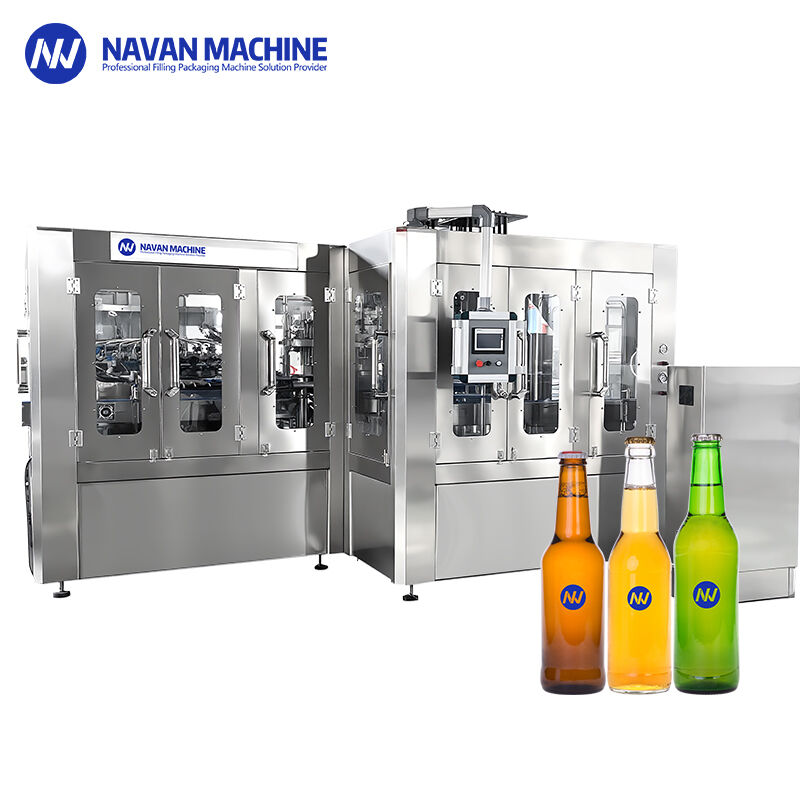
The global water filling line industry has evolved significantly, with manufacturers worldwide offering diverse solutions that cater to different production scales and quality requirements. As beverage production demands continue to rise, selecting the right water filling line supplier becomes crucial for operational efficiency and long-term business success. Understanding the landscape of leading suppliers helps businesses make informed decisions based on capacity needs, budget constraints, and specific production requirements.
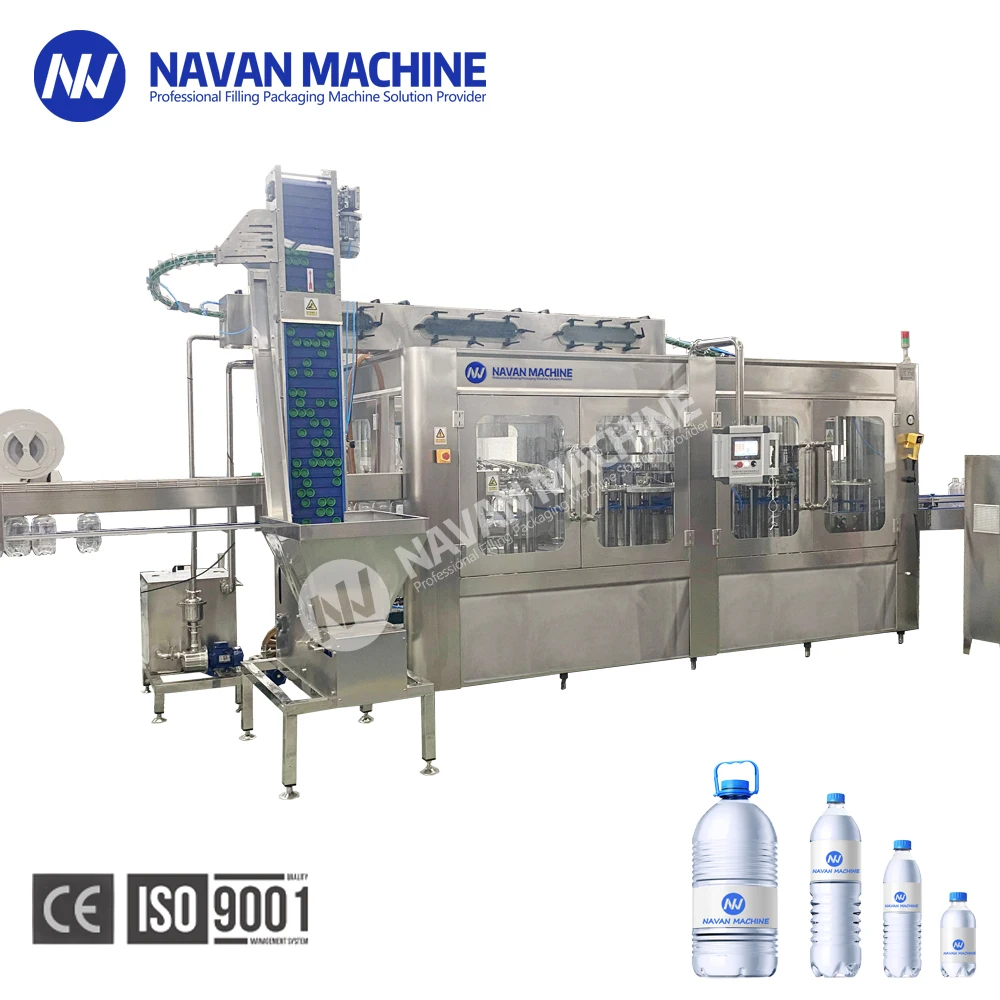
When evaluating water filling line suppliers globally, several key factors distinguish market leaders from standard manufacturers. These factors include production capacity ranges, technological innovation, price competitiveness, after-sales support, and global service networks. The top suppliers have established themselves through consistent delivery of reliable equipment, comprehensive technical support, and the ability to customize solutions for various market segments from small-scale operations to large industrial facilities.
Leading Global Water Filling Line Suppliers
Established European Manufacturers
European water filling line suppliers have long been recognized for their precision engineering and advanced automation technologies. These manufacturers typically offer high-end solutions with superior build quality and comprehensive control systems. Their equipment often features advanced sterilization capabilities, precise filling accuracy, and robust construction suitable for continuous industrial operation. The focus on quality and reliability makes European suppliers particularly attractive for premium water brands and high-volume production facilities.
The pricing structure from European suppliers generally reflects their premium positioning, with water filling line systems ranging from mid-range to high-end price points. Their capacity offerings typically span from 2,000 bottles per hour for smaller operations to over 40,000 bottles per hour for large-scale industrial facilities. Investment in European water filling line technology often provides long-term value through reduced maintenance costs and extended equipment lifespan.
Asian Manufacturing Powerhouses
Asian suppliers have emerged as significant players in the global water filling line market, offering competitive pricing without compromising essential functionality. These manufacturers have invested heavily in modern production facilities and quality control systems, enabling them to deliver reliable equipment at attractive price points. Their water filling line solutions often incorporate proven technologies with user-friendly interfaces and efficient production capabilities.
The capacity range from Asian suppliers covers the entire spectrum from entry-level systems handling 1,000 bottles per hour to sophisticated water filling line installations capable of processing 50,000 bottles per hour or more. Price competitiveness remains a key advantage, with many suppliers offering comprehensive packages that include installation, training, and initial technical support at significantly lower costs compared to European alternatives.
North American Innovation Leaders
North American water filling line suppliers focus on technological innovation and customization capabilities. These companies often specialize in advanced automation systems, integration with existing production lines, and compliance with stringent regulatory requirements. Their equipment typically features sophisticated monitoring systems, energy-efficient operation, and modular designs that allow for future expansion or modification.
The pricing from North American suppliers generally falls in the premium category, reflecting their focus on advanced technology and comprehensive service packages. Capacity offerings range from specialized small-batch systems to large-scale industrial water filling line installations. These suppliers often excel in providing turnkey solutions that include project management, installation supervision, and extensive operator training programs.
Price Comparison Framework
Entry-Level Water Filling Line Systems
Entry-level water filling line systems typically serve small to medium-scale operations with capacities ranging from 1,000 to 5,000 bottles per hour. Price ranges for these systems vary significantly based on supplier origin and included features. Asian manufacturers generally offer the most competitive pricing in this segment, with basic systems starting at relatively low investment levels while still providing essential functionality for quality water production.
European entry-level water filling line systems command premium pricing but offer superior build quality and advanced safety features. The price differential often reflects enhanced automation capabilities, better materials selection, and comprehensive quality assurance processes. North American suppliers in this segment focus on specialized applications and regulatory compliance, positioning their pricing accordingly.
Mid-Range Production Systems
Mid-range water filling line systems designed for capacities between 5,000 and 15,000 bottles per hour represent the largest market segment globally. Price competition is intense in this category, with suppliers offering various feature combinations to differentiate their offerings. Asian suppliers maintain cost advantages while European and North American manufacturers emphasize technological sophistication and service quality.
The pricing structure for mid-range water filling line systems often includes modular options that allow customers to customize their investment based on specific requirements. This flexibility enables businesses to balance initial capital expenditure with future expansion possibilities, making these systems attractive for growing operations.
High-Capacity Industrial Solutions
High-capacity water filling line systems exceeding 15,000 bottles per hour require significant investment regardless of supplier origin. However, price variations remain substantial based on technology levels, automation sophistication, and included services. European suppliers typically command premium pricing for their advanced engineering and proven reliability in continuous operation environments.
Asian manufacturers have made significant inroads in the high-capacity segment by offering feature-rich water filling line systems at competitive prices. Their ability to provide comprehensive solutions including auxiliary equipment and integration services makes them attractive for cost-conscious buyers seeking reliable performance.
Capacity Analysis and Selection Criteria
Production Volume Assessment
Determining the appropriate water filling line capacity requires careful analysis of current production needs and future growth projections. Suppliers typically recommend sizing equipment to handle peak demand periods while maintaining efficient operation during normal production cycles. This approach ensures optimal utilization while providing headroom for business expansion without immediate additional capital investment.
Capacity planning for water filling line systems should consider factors such as product mix variations, seasonal demand fluctuations, and planned market expansion. Leading suppliers provide detailed capacity analysis tools and simulation software to help customers make informed decisions about system sizing and configuration options.
Efficiency and Performance Metrics
Modern water filling line systems achieve impressive efficiency levels through advanced control systems and optimized mechanical design. Top suppliers focus on minimizing product waste, reducing changeover times, and maximizing overall equipment effectiveness. Performance metrics typically include filling accuracy, line speed consistency, and uptime percentages that directly impact production economics.
Energy consumption has become an increasingly important factor in water filling line selection, with leading suppliers incorporating energy-efficient technologies and smart control systems. These improvements not only reduce operational costs but also support sustainability initiatives that are increasingly important for brand positioning and regulatory compliance.
Scalability and Future Expansion
Successful water filling line suppliers design their systems with scalability in mind, allowing customers to expand capacity through modular additions or system upgrades. This approach protects initial investment while providing flexibility to adapt to changing market conditions. Modular design concepts enable phased implementation that aligns capital expenditure with business growth patterns.
Future expansion considerations should include space requirements, utility capacity, and integration possibilities with existing or planned production equipment. Leading suppliers provide comprehensive expansion planning services that help customers develop long-term production strategies while optimizing current water filling line investments.
Technical Specifications and Quality Standards
Automation and Control Systems
Advanced automation represents a key differentiator among water filling line suppliers, with leading manufacturers incorporating sophisticated control systems that optimize performance and minimize operator intervention. Modern systems feature touchscreen interfaces, remote monitoring capabilities, and predictive maintenance functions that enhance operational efficiency and reduce downtime risks.
Quality control integration within water filling line systems has become standard among top suppliers, with automated inspection systems, reject handling, and statistical process control capabilities built into the production line. These features ensure consistent product quality while providing comprehensive production data for continuous improvement initiatives.
Material Construction and Durability
Material selection and construction quality vary significantly among water filling line suppliers, with premium manufacturers using superior stainless steel grades, precision machining, and advanced surface treatments. These investments in material quality translate to longer equipment life, reduced maintenance requirements, and better hygiene standards that are essential for water production applications.
Durability testing and quality assurance processes distinguish leading water filling line suppliers from competitors. Comprehensive testing protocols, including accelerated wear testing and environmental stress testing, ensure equipment reliability under demanding production conditions. This commitment to quality reduces total cost of ownership despite higher initial investment requirements.
Regulatory Compliance and Certification
Regulatory compliance capabilities vary among global water filling line suppliers, with some specializing in specific regional requirements while others maintain comprehensive certification portfolios. Understanding regulatory landscape differences is crucial when selecting suppliers, particularly for companies operating in multiple markets or planning international expansion.
Leading suppliers maintain current certifications from major regulatory bodies and provide documentation support for customer compliance requirements. This service capability often justifies premium pricing through reduced compliance risks and simplified approval processes for new facility installations or equipment upgrades.
Service and Support Comparison
Installation and Commissioning Services
Installation and commissioning quality significantly impacts water filling line performance and reliability throughout the equipment lifecycle. Top suppliers provide comprehensive project management services that ensure proper installation, thorough testing, and complete operator training before equipment handover. This approach minimizes startup risks and accelerates time to full production capacity.
Remote commissioning capabilities have become increasingly important, particularly for international water filling line installations. Leading suppliers utilize advanced communication technologies and virtual reality tools to provide expert support during installation and startup phases, reducing travel costs and project timelines while maintaining service quality standards.
Maintenance and Technical Support
Ongoing maintenance and technical support quality varies dramatically among water filling line suppliers, with market leaders providing comprehensive service programs that include preventive maintenance, emergency support, and performance optimization services. These programs often determine long-term equipment reliability and production efficiency more than initial equipment quality.
Global service networks enable leading suppliers to provide local support for international installations while maintaining consistent service quality standards. This capability becomes crucial for companies operating multiple facilities or planning geographic expansion with standardized water filling line equipment across locations.
Training and Knowledge Transfer
Comprehensive training programs distinguish professional water filling line suppliers from equipment vendors. Leading companies provide multi-level training that covers operation, maintenance, troubleshooting, and optimization techniques. This investment in customer capability development ensures optimal equipment performance and reduces long-term support requirements.
Knowledge transfer programs often include documentation, video training materials, and ongoing technical consultation services. These resources enable customer organizations to develop internal expertise while maintaining access to supplier technical support for complex issues or equipment modifications.
FAQ
What factors most significantly impact water filling line pricing from different suppliers?
Water filling line pricing is primarily influenced by production capacity, automation level, construction quality, and supplier origin. European suppliers typically command premium prices due to advanced engineering and superior materials, while Asian manufacturers offer competitive pricing through efficient production methods. Additional factors include customization requirements, included services, and regulatory compliance capabilities that vary among suppliers.
How do capacity specifications differ among leading global suppliers?
Capacity specifications vary significantly among suppliers, with most offering systems ranging from 1,000 to 50,000 bottles per hour. European suppliers often focus on high-precision, lower-speed applications, while Asian manufacturers excel in high-speed, cost-effective solutions. North American suppliers typically specialize in customized capacity solutions that match specific production requirements and regulatory standards.
What service and support advantages do established suppliers provide?
Established water filling line suppliers offer comprehensive service networks, extensive spare parts availability, and proven technical support capabilities. Leading suppliers provide installation supervision, operator training, preventive maintenance programs, and emergency support services that significantly impact long-term equipment performance and production reliability.
How should companies evaluate total cost of ownership when comparing suppliers?
Total cost of ownership evaluation should include initial equipment cost, installation expenses, ongoing maintenance requirements, energy consumption, spare parts availability, and expected equipment lifespan. While premium suppliers may require higher initial investment, their superior reliability and comprehensive support often result in lower total ownership costs over the equipment lifecycle through reduced downtime and maintenance expenses.
Table of Contents
- Leading Global Water Filling Line Suppliers
- Price Comparison Framework
- Capacity Analysis and Selection Criteria
- Technical Specifications and Quality Standards
- Service and Support Comparison
-
FAQ
- What factors most significantly impact water filling line pricing from different suppliers?
- How do capacity specifications differ among leading global suppliers?
- What service and support advantages do established suppliers provide?
- How should companies evaluate total cost of ownership when comparing suppliers?