 EN
EN
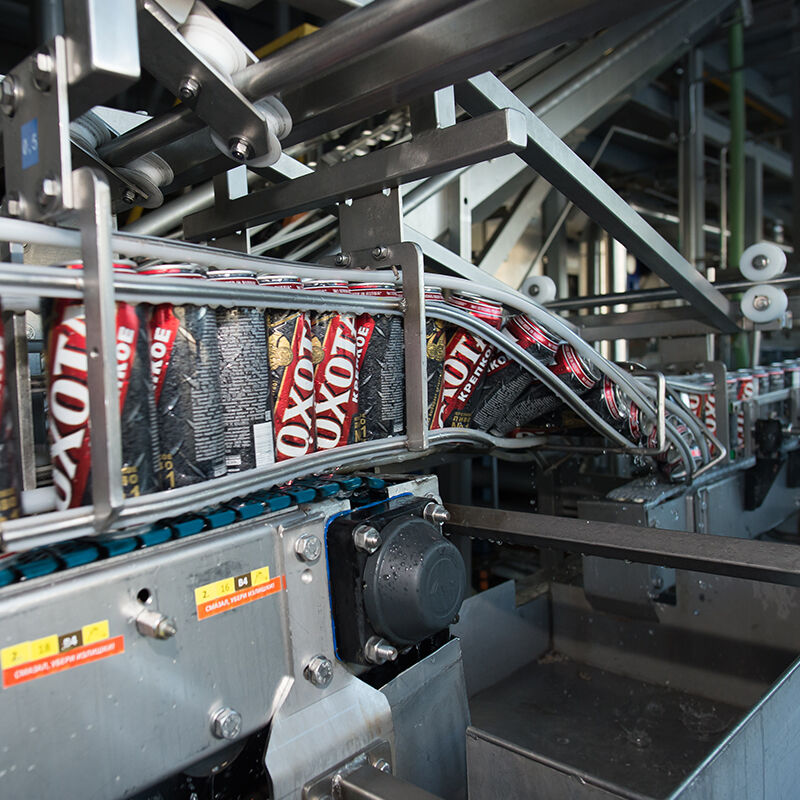
Selecting the right supplier for your complete water filling line represents one of the most critical decisions in establishing a successful beverage production operation. The quality, reliability, and performance of your bottling equipment directly impact your production efficiency, product quality, and ultimately your business profitability. With numerous manufacturers and suppliers competing in the global market, making an informed choice requires careful evaluation of multiple factors that extend far beyond initial pricing considerations.
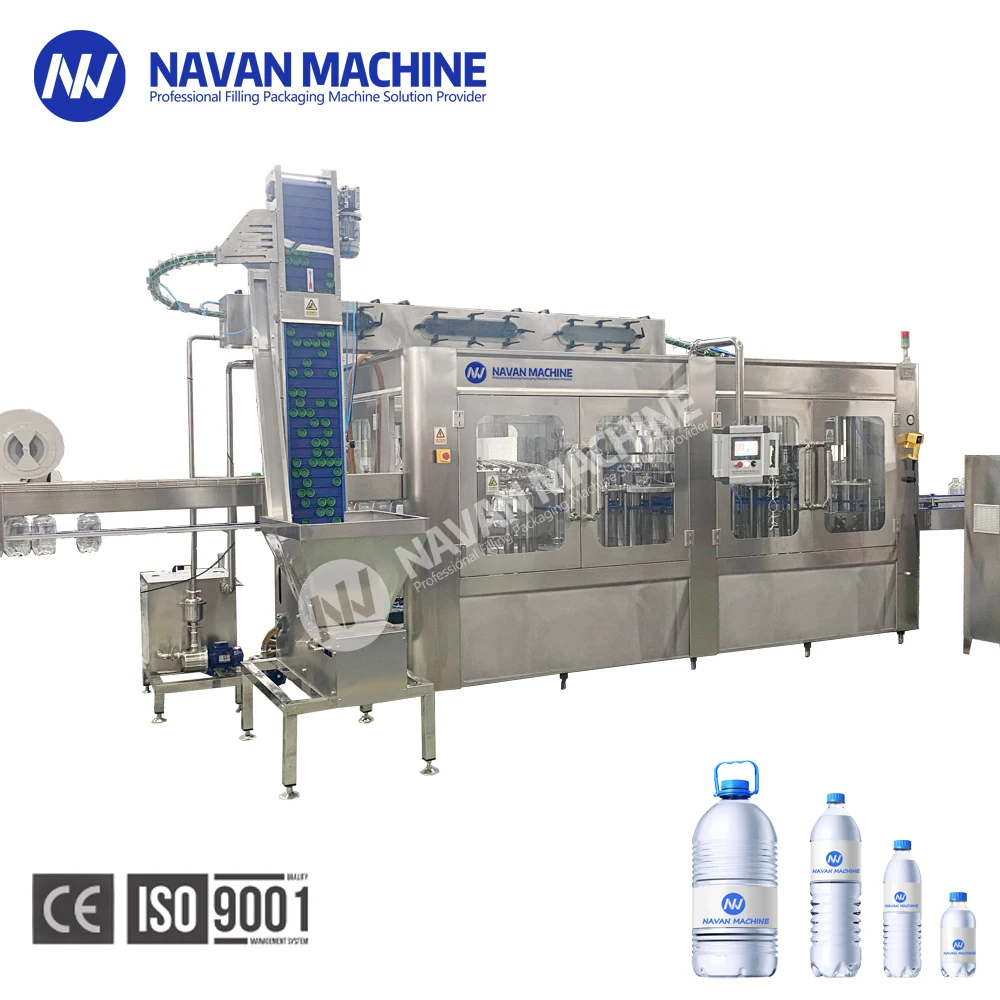
The bottled water industry has experienced tremendous growth over the past decade, driving increased demand for efficient and reliable production equipment. Modern water filling operations require sophisticated machinery that can handle various bottle sizes, maintain strict hygiene standards, and deliver consistent output rates. Understanding the key components and specifications of a complete water filling line becomes essential before engaging with potential suppliers and evaluating their offerings.
Investment in a complete water filling line typically represents a significant capital expenditure that will influence your operations for many years. This long-term commitment makes supplier selection particularly crucial, as you need a partner who can provide not only quality equipment but also comprehensive support throughout the equipment lifecycle. The right supplier relationship extends beyond the initial purchase to include installation, training, maintenance, and ongoing technical support.
Understanding Complete Water Filling Line Components
Essential Equipment Elements
A comprehensive complete water filling line encompasses multiple interconnected systems that work together to transform raw water into finished bottled products ready for distribution. The primary components include water treatment systems, bottle handling equipment, filling machinery, capping units, labeling systems, and packaging equipment. Each element must integrate seamlessly with others to ensure smooth production flow and consistent product quality.
Water treatment represents the foundation of any complete water filling line, incorporating filtration, purification, and sterilization processes to meet regulatory standards and consumer expectations. Modern treatment systems utilize multiple technologies including reverse osmosis, UV sterilization, and ozonation to eliminate contaminants and ensure water purity. The capacity and configuration of treatment equipment must align with your production requirements and local water quality conditions.
Bottle handling systems manage the movement and positioning of containers throughout the production process, from initial bottle feeding through final packaging. These systems include bottle unscramblers, conveyors, and accumulation tables that maintain steady product flow while minimizing handling damage. Advanced complete water filling line configurations incorporate servo-driven components that provide precise control and reduce mechanical wear.
Automation and Control Systems
Modern complete water filling line operations rely heavily on sophisticated automation and control systems that monitor and regulate every aspect of the production process. These systems incorporate programmable logic controllers (PLCs), human-machine interfaces (HMIs), and SCADA networks that enable operators to maintain optimal performance while ensuring product quality and safety standards.
Integration capabilities become particularly important when evaluating complete water filling line suppliers, as seamless communication between different equipment components directly impacts overall system efficiency. Leading suppliers design their systems with open architecture that facilitates integration with existing facility infrastructure and future expansion requirements. The control system should provide comprehensive data logging and reporting capabilities that support quality management and regulatory compliance.
Remote monitoring and diagnostic capabilities have become increasingly valuable features in modern complete water filling line installations. These systems enable proactive maintenance scheduling, remote troubleshooting, and performance optimization that minimize unplanned downtime and reduce operating costs. Suppliers who offer advanced connectivity features demonstrate their commitment to supporting long-term customer success.
Evaluating Supplier Credentials and Experience
Industry Track Record
Assessing a supplier's industry experience and track record provides valuable insights into their capability to deliver reliable complete water filling line solutions. Established suppliers with extensive experience typically possess deep understanding of industry requirements, regulatory standards, and operational challenges that newer companies may lack. Review case studies, customer testimonials, and reference installations to evaluate supplier performance and customer satisfaction levels.
The complexity of complete water filling line installations requires suppliers with proven project management capabilities and technical expertise. Experienced suppliers understand the importance of detailed planning, precise installation procedures, and comprehensive testing protocols that ensure successful system commissioning. They also maintain relationships with component suppliers, service providers, and regulatory agencies that facilitate smooth project execution.
Geographic presence and market reach often indicate supplier stability and growth trajectory, particularly important factors when investing in long-term equipment relationships. Suppliers with international presence typically maintain higher quality standards and offer broader technical support capabilities. However, local or regional suppliers may provide more personalized service and faster response times for routine maintenance and support needs.
Technical Capabilities and Innovation
Evaluating supplier technical capabilities involves examining their engineering resources, research and development investments, and commitment to innovation in complete water filling line technology. Leading suppliers invest significantly in developing new technologies, improving existing designs, and staying current with industry trends and regulatory requirements. This commitment to innovation translates into more efficient, reliable, and cost-effective equipment solutions.
Manufacturing facilities and quality management systems provide additional indicators of supplier capabilities and commitment to product quality. ISO certifications, quality management protocols, and manufacturing process controls demonstrate systematic approaches to ensuring consistent product quality. Site visits to manufacturing facilities offer valuable opportunities to observe production processes and assess supplier capabilities firsthand.
Intellectual property portfolios and patent holdings often reflect supplier innovation levels and technical leadership within the complete water filling line industry. Suppliers with extensive patent portfolios typically invest heavily in research and development, resulting in more advanced and differentiated product offerings. However, ensure that proprietary technologies don't create excessive dependence on single suppliers for parts, service, or modifications.
Quality Standards and Certifications
Regulatory Compliance
Compliance with relevant regulatory standards represents a non-negotiable requirement when selecting suppliers for complete water filling line equipment. Different markets impose varying requirements for food safety, environmental protection, and worker safety that equipment must meet. Suppliers should demonstrate thorough understanding of applicable regulations and design their equipment to facilitate compliance with current and anticipated future requirements.
Food safety standards such as FDA regulations, European Union directives, and international HACCP principles establish minimum requirements for equipment design, materials selection, and sanitation capabilities. Complete water filling line equipment must incorporate features that enable effective cleaning and sanitization while preventing contamination throughout the production process. Suppliers should provide detailed documentation demonstrating compliance with relevant food safety standards.
Environmental regulations increasingly impact complete water filling line operations, particularly regarding water usage, waste management, and energy consumption. Equipment suppliers should offer solutions that help minimize environmental impact while maintaining production efficiency. This includes features such as water recycling systems, energy-efficient components, and waste reduction technologies that support sustainable manufacturing practices.
Quality Management Systems
Comprehensive quality management systems ensure consistent performance and reliability in complete water filling line equipment throughout its operational lifecycle. Suppliers should maintain documented quality procedures covering design, manufacturing, testing, and delivery processes. ISO 9001 certification provides standardized framework for quality management, while industry-specific certifications demonstrate specialized expertise and commitment to excellence.
Material traceability and component qualification processes help ensure that complete water filling line equipment meets specified quality standards and performance requirements. Suppliers should maintain detailed records of material sources, component specifications, and testing results that demonstrate compliance with quality standards. This documentation becomes particularly important for regulatory audits and warranty claims.
Continuous improvement initiatives and customer feedback programs indicate supplier commitment to ongoing quality enhancement and customer satisfaction. Leading suppliers actively solicit customer feedback, analyze performance data, and implement improvements in their complete water filling line designs and manufacturing processes. This commitment to continuous improvement helps ensure that equipment performance and reliability improve over time.
Technical Support and Service Capabilities
Installation and Commissioning
Proper installation and commissioning represent critical phases in complete water filling line implementation that directly impact long-term performance and reliability. Suppliers should provide comprehensive installation services including site preparation guidance, equipment positioning, utility connections, and system integration. Experienced installation teams understand the importance of precise alignment, proper calibration, and thorough testing procedures that ensure optimal performance from startup.
Commissioning procedures should include comprehensive testing of all system components, validation of performance specifications, and operator training programs. Suppliers should provide detailed commissioning protocols that verify proper operation under various conditions and demonstrate compliance with performance guarantees. Documentation of commissioning results provides valuable baseline information for future maintenance and troubleshooting activities.
Project management capabilities become particularly important for complex complete water filling line installations that may involve multiple suppliers, contractors, and regulatory agencies. Experienced suppliers maintain dedicated project management resources that coordinate all aspects of installation and commissioning while maintaining clear communication with customers throughout the process. Effective project management helps ensure on-time completion within budget parameters.
Ongoing Maintenance and Support
Long-term success with complete water filling line equipment depends heavily on availability of comprehensive maintenance and technical support services. Suppliers should offer various support options including preventive maintenance programs, emergency response services, remote diagnostic capabilities, and spare parts availability. The quality and responsiveness of ongoing support services often prove more important than initial equipment costs over the equipment lifecycle.
Preventive maintenance programs help ensure optimal performance and minimize unplanned downtime in complete water filling line operations. Effective programs include regular inspections, component replacement schedules, and performance monitoring that identify potential issues before they cause production interruptions. Suppliers should provide detailed maintenance recommendations and support customers in developing effective maintenance strategies.
Spare parts availability and delivery capabilities directly impact equipment uptime and operating costs. Suppliers should maintain adequate spare parts inventory and provide guaranteed delivery times for critical components. Advanced suppliers offer predictive maintenance technologies that anticipate component replacement needs and automatically trigger parts orders to minimize inventory requirements while ensuring parts availability.
Cost Considerations and Value Analysis
Total Cost of Ownership
Evaluating complete water filling line suppliers requires comprehensive analysis of total cost of ownership rather than focusing solely on initial equipment prices. Total cost includes purchase price, installation costs, training expenses, maintenance costs, spare parts, energy consumption, and productivity impacts over the equipment lifecycle. This comprehensive approach often reveals that higher initial investments in quality equipment result in lower total costs and better return on investment.
Operating costs represent significant ongoing expenses that vary substantially between different complete water filling line configurations and suppliers. Energy efficiency, maintenance requirements, spare parts costs, and operator training needs all impact operating expenses over time. Suppliers should provide detailed operating cost projections based on actual customer experiences and documented performance data.
Productivity impacts and quality improvements can generate substantial value that offsets higher equipment costs. Advanced complete water filling line systems often deliver higher production rates, reduced waste, improved product quality, and enhanced operational flexibility that translate into increased revenues and reduced operating costs. Quantifying these benefits requires careful analysis of current operations and realistic projections of improvement potential.
Financing and Payment Options
Financing options and payment terms can significantly impact cash flow and project feasibility for complete water filling line investments. Many suppliers offer various financing arrangements including equipment leasing, installment payments, and performance-based contracts that align payment schedules with equipment performance and cash flow generation. These options can make advanced equipment more accessible while preserving working capital for other business needs.
Warranty terms and coverage levels provide important protection against equipment defects and performance shortfalls that could impact production and profitability. Comprehensive warranties should cover parts, labor, and performance guarantees for reasonable periods that reflect equipment quality and supplier confidence. Extended warranty options may provide additional protection and predictable maintenance costs that facilitate long-term planning.
Performance guarantees and penalty clauses help ensure that complete water filling line equipment meets specified performance levels and provide recourse if expectations are not met. Suppliers confident in their equipment quality should offer meaningful performance guarantees with appropriate remedies for performance shortfalls. These guarantees provide important protection for significant capital investments and demonstrate supplier commitment to customer success.
FAQ
What are the most important factors when selecting a complete water filling line supplier?
The most critical factors include the supplier's industry experience and track record, technical capabilities and innovation level, compliance with regulatory standards, quality of technical support and service capabilities, and total cost of ownership rather than just initial price. Additionally, consider the supplier's manufacturing quality management systems, spare parts availability, and long-term financial stability to ensure ongoing support throughout the equipment lifecycle.
How can I verify a supplier's claims about their complete water filling line performance?
Verify supplier claims by requesting detailed case studies with verifiable customer references, conducting site visits to existing installations, reviewing third-party test reports and certifications, and examining warranty terms and performance guarantees. Ask for documented performance data from similar applications and speak directly with current customers about their experiences with equipment performance, reliability, and supplier support quality.
What should I expect regarding installation and commissioning timelines?
Installation and commissioning timelines for complete water filling line systems typically range from several weeks to several months depending on system complexity, facility preparation requirements, and customization levels. Experienced suppliers should provide detailed project schedules with clear milestones, dependencies, and contingency plans. Factors affecting timeline include site preparation requirements, utility connections, equipment complexity, operator training needs, and regulatory approval processes.
How important is local support presence when choosing an international supplier?
Local support presence becomes increasingly important for complex complete water filling line systems that require regular maintenance, quick response to issues, and ongoing technical support. While international suppliers may offer advanced technology and competitive pricing, evaluate their local service capabilities including response times, spare parts inventory, qualified technicians, and training resources. Some international suppliers partner with local service providers to offer comprehensive support without maintaining direct local presence.
Table of Contents
- Understanding Complete Water Filling Line Components
- Evaluating Supplier Credentials and Experience
- Quality Standards and Certifications
- Technical Support and Service Capabilities
- Cost Considerations and Value Analysis
-
FAQ
- What are the most important factors when selecting a complete water filling line supplier?
- How can I verify a supplier's claims about their complete water filling line performance?
- What should I expect regarding installation and commissioning timelines?
- How important is local support presence when choosing an international supplier?