 EN
EN
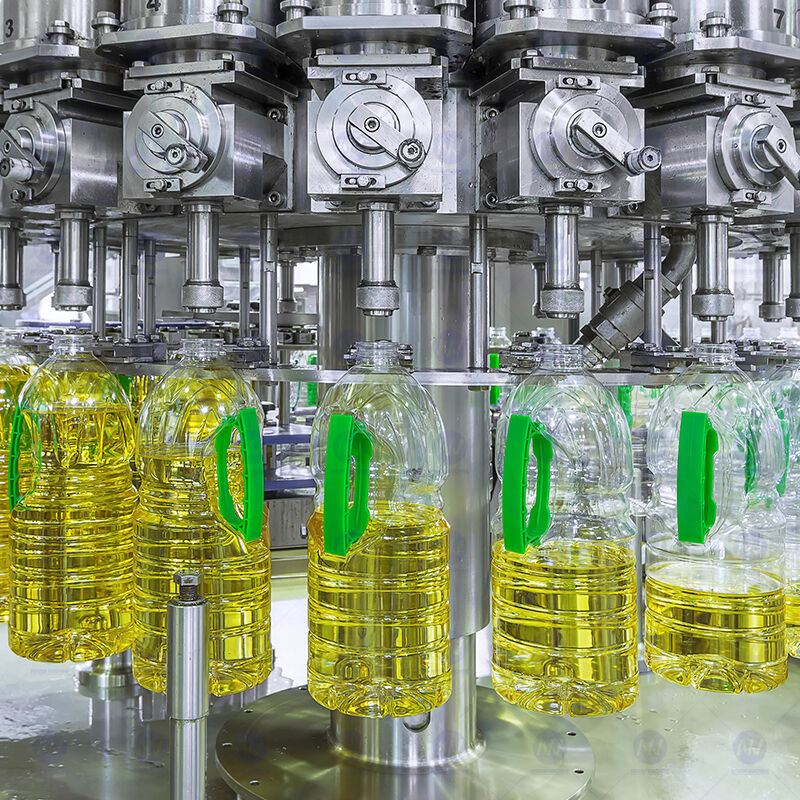
The bottled water industry has witnessed remarkable growth over the past decade, with manufacturers constantly seeking efficient production solutions to meet increasing consumer demand. Among the various technological advancements in water bottling, integrated filling lines have emerged as the preferred choice for manufacturers worldwide. These comprehensive production systems combine multiple processes into a single, streamlined operation that significantly enhances productivity while maintaining stringent quality standards.
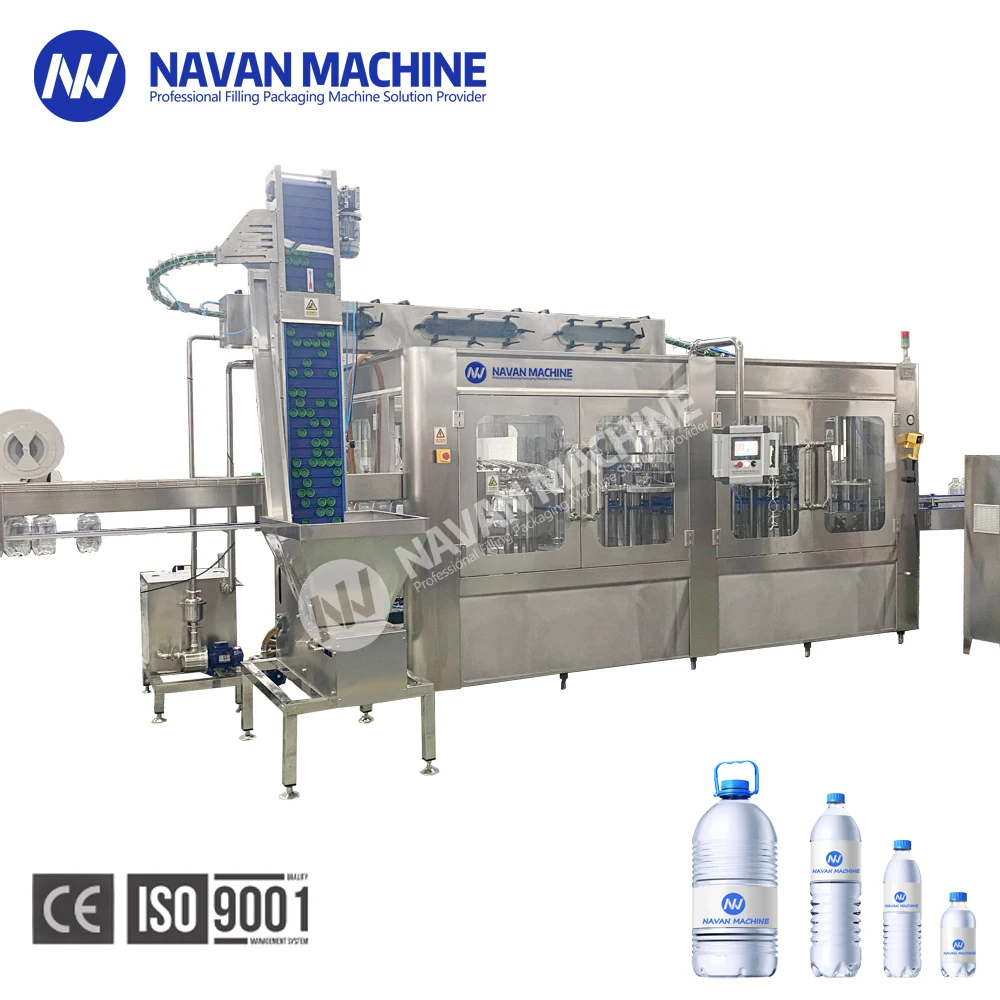
Modern bottled water production requires sophisticated equipment that can handle high volumes while ensuring product safety and consistency. Integrated filling lines represent the pinnacle of bottling technology, offering manufacturers a complete solution that encompasses everything from bottle preparation to final packaging. The adoption of these systems has revolutionized how water bottling facilities operate, providing unprecedented levels of efficiency and control over the production process.
The preference for integrated filling lines stems from their ability to address multiple manufacturing challenges simultaneously. These systems eliminate the need for separate equipment pieces that require individual maintenance, monitoring, and coordination. Instead, manufacturers benefit from a unified platform that optimizes every aspect of the bottling process, from initial bottle handling through final product inspection and packaging.
Enhanced Production Efficiency Through Integration
Streamlined Workflow Management
Integrated filling lines excel in creating seamless workflow management that eliminates bottlenecks commonly found in traditional bottling operations. These systems coordinate multiple processes simultaneously, ensuring that bottle preparation, filling, capping, and labeling occur in perfect synchronization. The result is a continuous production flow that maximizes output while minimizing downtime and operational disruptions.
The workflow optimization achieved through integrated filling lines extends beyond simple process coordination. These systems incorporate advanced timing mechanisms that ensure each bottle receives precisely the right amount of attention at every stage. Buffer zones within the system accommodate minor variations in processing speed, preventing cascade failures that could halt entire production runs.
Modern integrated filling lines feature intelligent control systems that monitor production flow in real-time. These systems can automatically adjust processing speeds, identify potential issues before they become problems, and maintain consistent output quality throughout extended production runs. Such capabilities represent a significant advancement over traditional bottling methods that rely heavily on manual oversight and intervention.
Reduced Manual Intervention Requirements
One of the most compelling advantages of integrated filling lines is their ability to operate with minimal manual intervention. These systems incorporate automated bottle handling, precise filling mechanisms, and sophisticated quality control features that reduce the need for constant human oversight. Operators can focus on monitoring overall system performance rather than managing individual process components.
The reduction in manual intervention translates directly into improved consistency and reliability. Human error, which can significantly impact product quality and production efficiency, becomes less of a concern when integrated filling lines handle the majority of processing tasks automatically. This automation also enables manufacturers to maintain consistent production standards even during shift changes or when working with less experienced operators.
Advanced sensor technologies integrated into modern filling lines provide continuous feedback about system performance and product quality. These sensors can detect variations in fill levels, cap placement, label positioning, and other critical quality parameters without requiring manual inspection. The result is a more reliable production process that maintains high standards while operating at optimal speeds.
Superior Quality Control and Consistency
Precision Filling Technology
Integrated filling lines incorporate state-of-the-art precision filling technology that ensures every bottle receives exactly the specified volume of water. These systems utilize advanced flow control mechanisms, pressure regulation, and electronic monitoring to maintain filling accuracy within extremely tight tolerances. The precision achieved by modern integrated filling lines far exceeds what traditional filling methods can accomplish.
The filling accuracy provided by integrated filling lines directly impacts product consistency and customer satisfaction. Consumers expect uniform product volumes, and variations in fill levels can lead to quality complaints and regulatory issues. The precise control offered by integrated systems ensures that every bottle meets exact specifications, reducing waste and improving overall product quality.
Modern precision filling technology also accommodates different bottle sizes and shapes without requiring extensive reconfiguration. This flexibility allows manufacturers to efficiently switch between product lines while maintaining the same high level of filling accuracy. The ability to handle multiple bottle formats with consistent precision represents a significant operational advantage for manufacturers serving diverse market segments.
Contamination Prevention Measures
Contamination prevention is a critical concern in bottled water production, and integrated filling lines address this challenge through comprehensive protective measures. These systems incorporate enclosed processing environments, sterile air filtration, and automated cleaning protocols that minimize contamination risks throughout the production process. The integrated approach ensures that protective measures work together seamlessly rather than as isolated components.
The enclosed nature of integrated filling lines provides multiple layers of protection against environmental contamination. Clean room environments within the system maintain sterile conditions during critical processing stages, while positive air pressure systems prevent outside contaminants from entering the production area. These protective measures are particularly important for maintaining the purity that consumers expect from bottled water products.
Automated cleaning and sanitization protocols built into integrated filling lines ensure that contamination prevention measures remain effective throughout extended production runs. These systems can perform cleaning cycles without requiring complete shutdown, maintaining productivity while ensuring that hygiene standards never compromise product safety. The integration of cleaning systems with production equipment represents a significant advancement in food safety technology.
Cost-Effectiveness and Return on Investment
Operational Cost Reduction
Integrated filling lines deliver substantial operational cost reductions through improved efficiency and reduced resource consumption. These systems optimize energy usage by coordinating power requirements across all components, eliminating the inefficiencies associated with running separate equipment pieces. The result is lower utility costs and improved overall operational economics.
Labor cost reductions represent another significant benefit of integrated filling lines. These systems require fewer operators to maintain production compared to traditional bottling setups that need personnel at multiple stations. The automation capabilities of integrated systems allow manufacturers to achieve higher production volumes with smaller workforce requirements, improving labor productivity and reducing personnel costs.
Maintenance cost savings also contribute to the cost-effectiveness of integrated filling lines. Having all components within a single system simplifies maintenance scheduling, reduces spare parts inventory requirements, and enables more efficient use of maintenance personnel. The coordinated design of integrated systems also reduces wear and tear on individual components, extending equipment life and reducing replacement costs.
Space Utilization Optimization
Space efficiency represents a crucial advantage of integrated filling lines, particularly for manufacturers operating in facilities with limited floor space. These systems consolidate multiple processing functions into compact footprints that would be impossible to achieve with separate equipment installations. The space savings enable manufacturers to increase production capacity without requiring facility expansion.
The vertical integration capabilities of modern integrated filling lines further enhance space utilization by incorporating multi-level processing configurations. These designs maximize the use of available height while maintaining accessibility for maintenance and operation. The compact nature of integrated systems also simplifies facility layout planning and reduces infrastructure requirements.
Improved space utilization directly translates into reduced facility costs and enhanced operational flexibility. Manufacturers can allocate saved space to other value-adding activities such as quality control laboratories, storage areas, or additional production capacity. The efficiency of space usage provided by integrated filling lines represents a significant competitive advantage in today's cost-conscious manufacturing environment.
Advanced Technology Integration and Automation
Smart Control Systems
Modern integrated filling lines incorporate sophisticated smart control systems that provide unprecedented visibility and control over the bottling process. These systems utilize advanced sensors, data analytics, and machine learning algorithms to optimize production parameters in real-time. The intelligence built into these control systems enables predictive maintenance, quality optimization, and continuous performance improvement.
The data collection capabilities of smart control systems provide manufacturers with detailed insights into production performance and quality trends. This information enables data-driven decision making that improves operational efficiency and product quality over time. The ability to analyze production data and identify optimization opportunities represents a significant competitive advantage for manufacturers using integrated filling lines.
Remote monitoring capabilities built into smart control systems allow manufacturers to oversee production operations from anywhere in the world. This connectivity enables rapid response to production issues, reduces downtime, and facilitates expert support when needed. The integration of Industry 4.0 technologies into integrated filling lines represents the future of manufacturing automation and control.
Scalability and Future-Proofing
Integrated filling lines offer exceptional scalability that allows manufacturers to adapt their production capacity to changing market demands. These systems can be configured with modular components that enable capacity increases without requiring complete equipment replacement. The scalable design of integrated systems protects manufacturer investments while providing flexibility for future growth.
Future-proofing capabilities built into integrated filling lines ensure that manufacturers can adopt new technologies and meet evolving regulatory requirements without major system overhauls. These systems incorporate standardized interfaces and communication protocols that facilitate integration with emerging technologies. The forward-thinking design of integrated filling lines helps manufacturers stay competitive in rapidly evolving markets.
The modular nature of integrated filling lines also enables manufacturers to customize their systems for specific product requirements or market conditions. Components can be added, modified, or upgraded independently, providing flexibility that traditional bottling systems cannot match. This adaptability ensures that integrated filling lines remain valuable assets throughout their operational lifetime.
Environmental Sustainability and Resource Efficiency
Energy Conservation Features
Integrated filling lines incorporate numerous energy conservation features that reduce environmental impact while lowering operational costs. These systems optimize energy usage through coordinated motor controls, regenerative braking systems, and intelligent power management. The integrated approach to energy management achieves efficiency levels that separate equipment installations cannot match.
Heat recovery systems built into integrated filling lines capture and reuse thermal energy from various processes, further reducing overall energy consumption. These systems can recover heat from bottle sterilization processes, motor cooling, and other operational activities to preheat water or provide space heating. The comprehensive approach to energy management represents a significant advancement in sustainable manufacturing technology.
Variable frequency drives and smart motor controls integrated throughout the system automatically adjust power consumption based on production requirements. These technologies eliminate energy waste during low-demand periods while ensuring adequate power availability during peak production. The result is optimized energy usage that reduces both costs and environmental impact.
Waste Minimization Strategies
Waste minimization represents a core advantage of integrated filling lines, which incorporate multiple strategies to reduce material waste throughout the production process. Precise filling controls eliminate overfilling waste, while advanced quality control systems reduce the number of rejected products. The integrated approach to waste reduction achieves better results than isolated waste minimization efforts.
Water recovery systems integrated into modern filling lines capture and purify rinse water for reuse in subsequent production cycles. These systems can achieve significant reductions in water consumption while maintaining the high purity standards required for bottled water production. The closed-loop water management capabilities of integrated systems represent best practices in sustainable manufacturing.
Material handling optimization within integrated filling lines reduces packaging waste and improves material utilization efficiency. These systems coordinate bottle handling to minimize breakage, optimize label placement to reduce waste, and manage cap application to eliminate misapplied closures. The comprehensive approach to material management achieves waste reduction levels that exceed traditional bottling methods.
FAQ
What maintenance requirements do integrated filling lines have compared to separate equipment setups
Integrated filling lines typically require less maintenance than separate equipment setups due to their coordinated design and shared lubrication systems. The unified control systems enable predictive maintenance scheduling that prevents unexpected breakdowns. Most integrated systems require routine maintenance every 500-1000 operating hours, compared to individual maintenance schedules for separate equipment pieces. The consolidated design also reduces the total number of wear components and simplifies spare parts management.
How do integrated filling lines handle different bottle sizes and product variations
Modern integrated filling lines incorporate quick-change components and automated adjustment systems that accommodate multiple bottle sizes with minimal changeover time. These systems can typically switch between different bottle formats within 15-30 minutes using preset configuration parameters. The flexibility extends to handling various water types, from still water to carbonated beverages, through adjustable pressure controls and specialized filling valves that maintain product integrity across different formulations.
What are the typical production capacity ranges for integrated filling lines
Integrated filling lines are available in capacities ranging from small-scale operations producing 1,000 bottles per hour to large industrial systems capable of producing over 50,000 bottles per hour. The modular design allows manufacturers to start with smaller capacity systems and expand by adding processing modules as demand grows. Most mid-range integrated systems operate efficiently at capacities between 5,000-20,000 bottles per hour, making them suitable for regional bottled water manufacturers.
How do integrated filling lines ensure compliance with food safety regulations
Integrated filling lines incorporate multiple compliance features including HACCP-compliant design principles, FDA-approved materials in all product contact areas, and comprehensive documentation systems that track every aspect of production. These systems include automated cleaning-in-place (CIP) systems, sterile air filtration, and real-time monitoring of critical control points. The integrated approach to compliance management ensures that all regulatory requirements are met consistently throughout the production process, with built-in traceability systems that facilitate regulatory inspections and audit processes.
Table of Contents
- Enhanced Production Efficiency Through Integration
- Superior Quality Control and Consistency
- Cost-Effectiveness and Return on Investment
- Advanced Technology Integration and Automation
- Environmental Sustainability and Resource Efficiency
-
FAQ
- What maintenance requirements do integrated filling lines have compared to separate equipment setups
- How do integrated filling lines handle different bottle sizes and product variations
- What are the typical production capacity ranges for integrated filling lines
- How do integrated filling lines ensure compliance with food safety regulations