 EN
EN
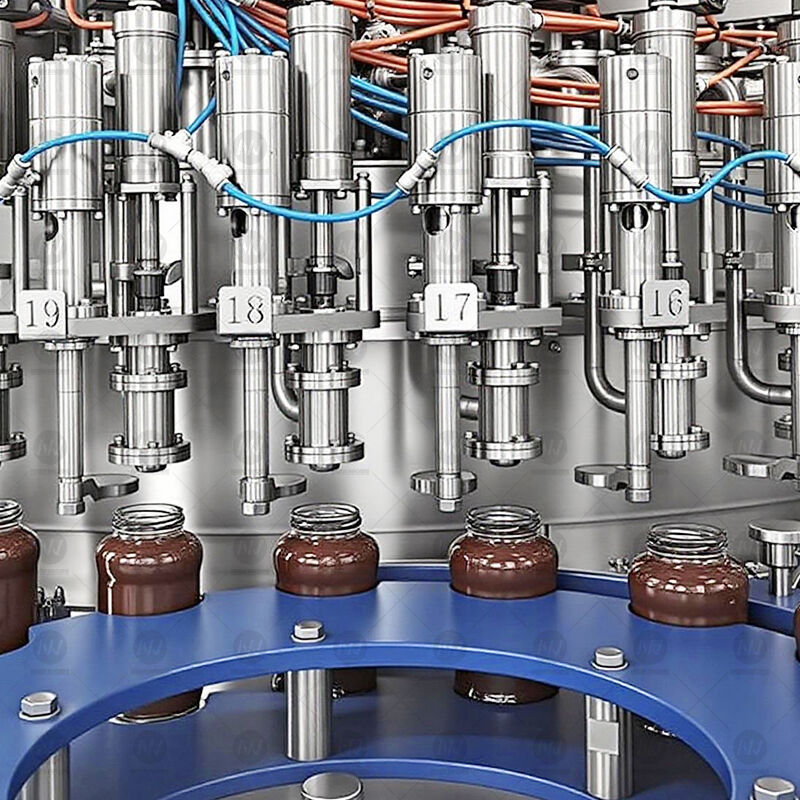
Manufacturing businesses across the beverage industry face the constant challenge of adapting their production systems to accommodate various bottle sizes and formats. A flexible water filling line represents the cornerstone of efficient bottled water production, enabling manufacturers to switch between different container specifications without compromising speed or quality. Modern industrial facilities require versatile equipment that can handle everything from small 500ml bottles to large 5-gallon containers, making customization capabilities essential for competitive operations.
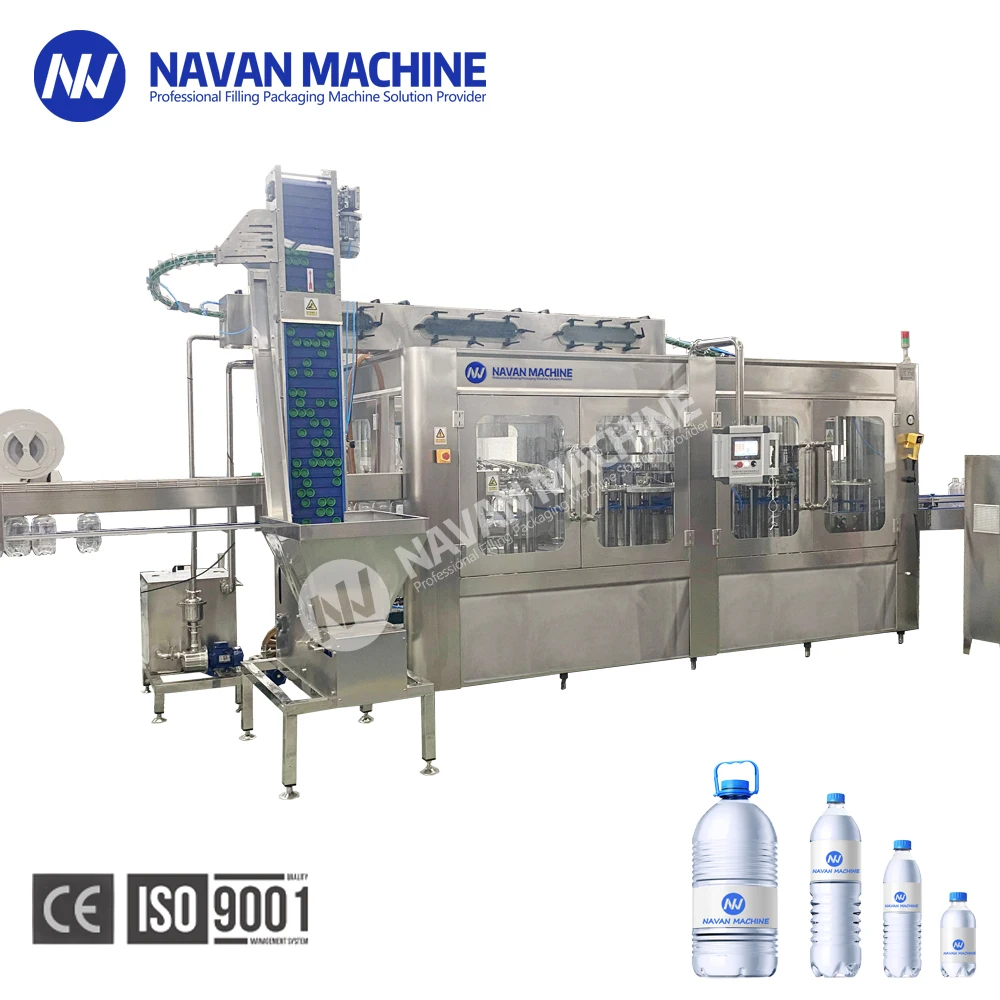
Essential Components for Multi-Size Bottle Compatibility
Adjustable Conveyor Systems
The foundation of any adaptable water filling line begins with sophisticated conveyor mechanisms designed to accommodate bottles of varying heights and diameters. These systems incorporate adjustable guide rails, variable speed controls, and pneumatic positioning devices that can be reconfigured quickly between production runs. Advanced conveyor designs feature modular sections that allow operators to modify the line layout based on specific bottle dimensions and production requirements.
Modern conveyor systems integrate sensors that automatically detect bottle sizes and adjust conveyor speed accordingly, ensuring optimal filling accuracy regardless of container specifications. The ability to maintain consistent bottle positioning throughout the filling process directly impacts production efficiency and reduces waste from spillage or overfilling incidents.
Flexible Filling Head Configuration
Customizable filling heads represent perhaps the most critical component when adapting a water filling line for different bottle sizes. Multi-position filling systems allow manufacturers to configure the number of active filling stations based on production volume requirements and bottle specifications. These systems typically feature adjustable height mechanisms and variable flow control valves that can be programmed for different fill volumes.
Professional-grade filling equipment incorporates servo-driven positioning systems that enable precise vertical adjustment of filling nozzles to accommodate bottles ranging from 200ml to several liters in capacity. The integration of touchscreen controls allows operators to store multiple bottle size profiles and switch between configurations with minimal downtime.
Advanced Automation Features for Seamless Transitions
Programmable Logic Controllers
Contemporary water filling line systems rely heavily on sophisticated programmable logic controllers that store multiple production recipes and automatically adjust system parameters based on selected bottle specifications. These controllers manage everything from conveyor speeds and filling volumes to capping torque and quality control checkpoints, ensuring consistent performance across different bottle sizes.
The integration of human-machine interfaces enables operators to monitor real-time production data and make adjustments without stopping the entire line. Advanced systems can store hundreds of bottle size configurations, allowing manufacturers to switch between products rapidly and maintain detailed production records for quality assurance purposes.
Servo-Driven Positioning Technology
Modern servo motor technology has revolutionized the way water filling line systems adapt to different bottle sizes. These precision-controlled motors enable rapid and accurate positioning of various system components, including filling heads, capping mechanisms, and labeling stations. Servo systems provide the repeatability and accuracy necessary for maintaining consistent fill levels across different container sizes.
The implementation of servo technology reduces changeover times significantly, allowing manufacturers to switch between bottle sizes in minutes rather than hours. This capability proves essential for facilities that produce multiple product lines or respond to seasonal demand fluctuations requiring different packaging formats.
Mechanical Adjustments and Hardware Modifications
Variable Height Mechanisms
Effective bottle size customization requires robust mechanical systems capable of adjusting various components to accommodate different container heights. These mechanisms typically include telescoping support structures, pneumatic lifting systems, and precision positioning devices that maintain proper alignment throughout the production process. The ability to adjust component heights quickly and accurately directly impacts production efficiency and product quality.
Industrial-grade height adjustment systems incorporate locking mechanisms that ensure consistent positioning once adjustments are made. These systems must withstand continuous operation while maintaining precise tolerances to prevent issues such as bottle damage or filling inconsistencies that can occur when components are not properly aligned.
Modular Station Design
The modular approach to water filling line design enables manufacturers to reconfigure their systems based on specific production requirements and bottle specifications. Modular stations can be added, removed, or repositioned to optimize line efficiency for different container sizes and production volumes. This flexibility proves particularly valuable for facilities that produce seasonal products or serve diverse market segments requiring different packaging formats.
Modular systems typically feature quick-disconnect connections for utilities and control signals, enabling rapid reconfiguration without extensive downtime. The standardization of interfaces between modules ensures compatibility and simplifies maintenance procedures while providing the flexibility needed to adapt to changing production requirements.
Quality Control Integration Across Bottle Sizes
Adaptive Inspection Systems
Quality control systems within a customizable water filling line must adapt to different bottle sizes while maintaining consistent inspection standards. Vision systems equipped with adjustable cameras and lighting can accommodate various bottle heights and diameters while detecting defects such as underfilling, contamination, or packaging damage. These systems require sophisticated software capable of adjusting inspection parameters based on bottle specifications.
Modern inspection equipment incorporates machine learning algorithms that improve detection accuracy over time and can adapt to new bottle sizes with minimal programming. The integration of reject mechanisms ensures that non-conforming products are removed from the production stream regardless of bottle size or format.
Consistent Fill Level Monitoring
Maintaining accurate fill levels across different bottle sizes requires sophisticated monitoring systems that can adjust measurement parameters based on container specifications. Level sensors must be calibrated for each bottle size to ensure consistent product delivery and minimize waste. Advanced systems incorporate multiple measurement technologies to verify fill accuracy throughout the production process.
Real-time fill level monitoring enables immediate adjustments to filling parameters, preventing systematic overfilling or underfilling that can impact product quality and production costs. These systems generate detailed reports that help manufacturers optimize their water filling line performance and identify opportunities for improvement.
Economic Benefits of Customizable Systems
Reduced Production Downtime
Investing in a highly customizable water filling line significantly reduces production downtime associated with format changeovers. Traditional systems often require hours of manual adjustment and recalibration when switching between bottle sizes, whereas modern customizable systems can complete these transitions in minutes through automated adjustment mechanisms. This reduction in changeover time directly translates to increased production capacity and improved profitability.
The ability to maintain production schedules while accommodating multiple product formats enables manufacturers to respond more effectively to market demands and customer requirements. Reduced downtime also minimizes labor costs associated with line changeovers and allows production teams to focus on value-added activities rather than repetitive adjustment procedures.
Enhanced Production Flexibility
Customizable water filling line systems provide manufacturers with the flexibility to pursue new market opportunities without requiring significant additional capital investment. The ability to produce different bottle sizes on the same equipment enables companies to diversify their product offerings and respond to emerging market trends more effectively. This flexibility proves particularly valuable in industries where consumer preferences and packaging requirements evolve rapidly.
Production flexibility also enables manufacturers to optimize their operations based on seasonal demand patterns or promotional activities that may require different packaging formats. The investment in adaptable equipment pays dividends through improved asset utilization and the ability to capture market opportunities that would otherwise require separate production lines.
Implementation Strategies for Multi-Size Operations
Phased Customization Approach
Implementing customization capabilities in an existing water filling line often requires a strategic phased approach that minimizes disruption to ongoing operations. Manufacturers typically begin by upgrading the most critical components that impact bottle size compatibility, such as filling heads and conveyor systems, before expanding customization capabilities to other line components. This approach allows companies to realize immediate benefits while spreading investment costs over time.
Successful implementation requires careful planning to ensure compatibility between existing and upgraded components. Working with experienced equipment suppliers helps manufacturers develop comprehensive upgrade plans that maximize the value of existing investments while incorporating new customization capabilities.
Staff Training and Change Management
The transition to a more flexible water filling line system requires comprehensive training programs that ensure operators can effectively utilize new customization capabilities. Training programs should cover both technical aspects of system operation and best practices for managing format changeovers efficiently. Proper training reduces the risk of operational errors and helps manufacturers realize the full potential of their customizable systems.
Change management initiatives should address potential resistance to new procedures and emphasize the benefits of increased flexibility for both the company and individual employees. Creating standard operating procedures for different bottle size configurations helps ensure consistent performance and reduces the learning curve associated with new equipment capabilities.
FAQ
What factors should be considered when selecting a customizable water filling line
When selecting a customizable water filling line, manufacturers should evaluate their current and anticipated bottle size requirements, production volume needs, and available floor space. Key considerations include the range of bottle sizes the system can accommodate, changeover time requirements, automation level desired, and integration capabilities with existing equipment. Additionally, factors such as maintenance requirements, supplier support, and total cost of ownership should be thoroughly assessed to ensure the selected system meets both immediate and long-term production needs.
How long does it typically take to change between different bottle sizes
Modern customizable water filling line systems can typically complete format changeovers in 15 to 30 minutes, depending on the complexity of adjustments required and the level of automation incorporated. Fully automated systems with servo-driven positioning and programmable controls can achieve changeovers in as little as 5 to 10 minutes, while systems requiring manual adjustments may take 30 to 60 minutes. The investment in automation technology generally pays for itself through reduced labor costs and increased production time.
What maintenance considerations are unique to multi-size filling systems
Multi-size water filling line systems require additional maintenance attention to moving components such as adjustable guides, servo motors, and positioning mechanisms that enable format flexibility. Regular calibration of sensors and control systems ensures accurate positioning across different bottle sizes. Preventive maintenance programs should include inspection of wear components that experience frequent adjustment, lubrication of moving parts, and verification of automation system performance. Proper maintenance scheduling helps prevent unexpected downtime and maintains system accuracy.
Can existing filling lines be retrofitted for multi-size capability
Many existing water filling line systems can be retrofitted with multi-size capabilities, though the extent of modifications required depends on the original equipment design and age. Common retrofit options include upgrading conveyor systems with adjustable guides, installing servo-driven positioning mechanisms, and implementing programmable controls for automated adjustments. A thorough assessment by qualified engineers helps determine the most cost-effective approach for adding customization capabilities to existing equipment while maintaining production reliability and performance standards.
Table of Contents
- Essential Components for Multi-Size Bottle Compatibility
- Advanced Automation Features for Seamless Transitions
- Mechanical Adjustments and Hardware Modifications
- Quality Control Integration Across Bottle Sizes
- Economic Benefits of Customizable Systems
- Implementation Strategies for Multi-Size Operations
- FAQ