 EN
EN
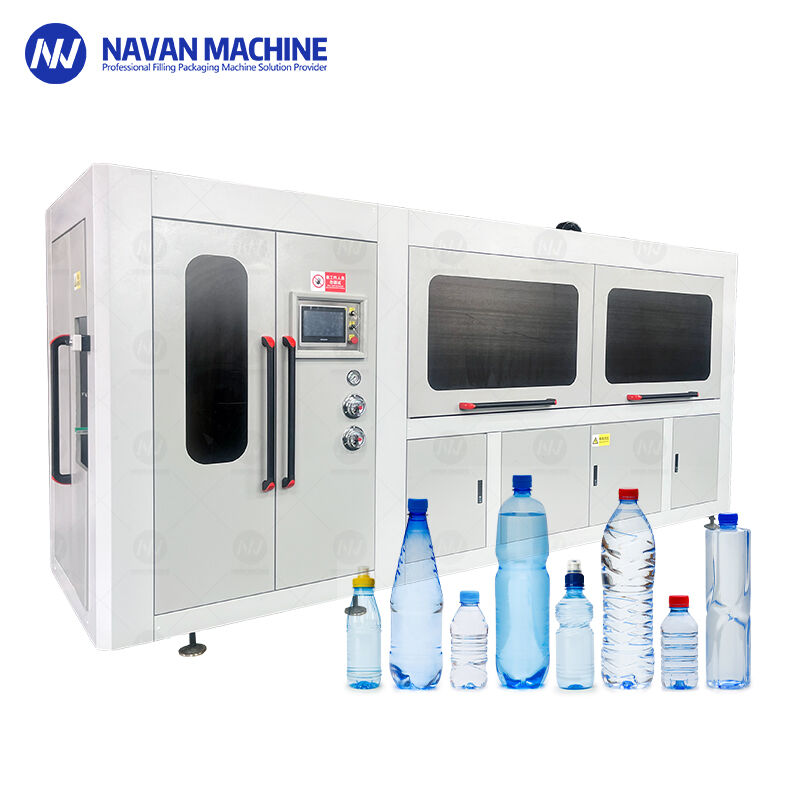
Modern manufacturing facilities are increasingly prioritizing sustainability and energy efficiency in their production processes, and the beverage industry is no exception. A water filling line represents one of the most critical components in bottled water production, where operational efficiency directly impacts both environmental footprint and profitability. Today's advanced water filling systems incorporate cutting-edge technologies designed to minimize energy consumption while maximizing output quality and consistency. The integration of smart automation, precision engineering, and eco-friendly materials has transformed how manufacturers approach water bottling operations, creating systems that deliver exceptional performance while supporting environmental stewardship goals.
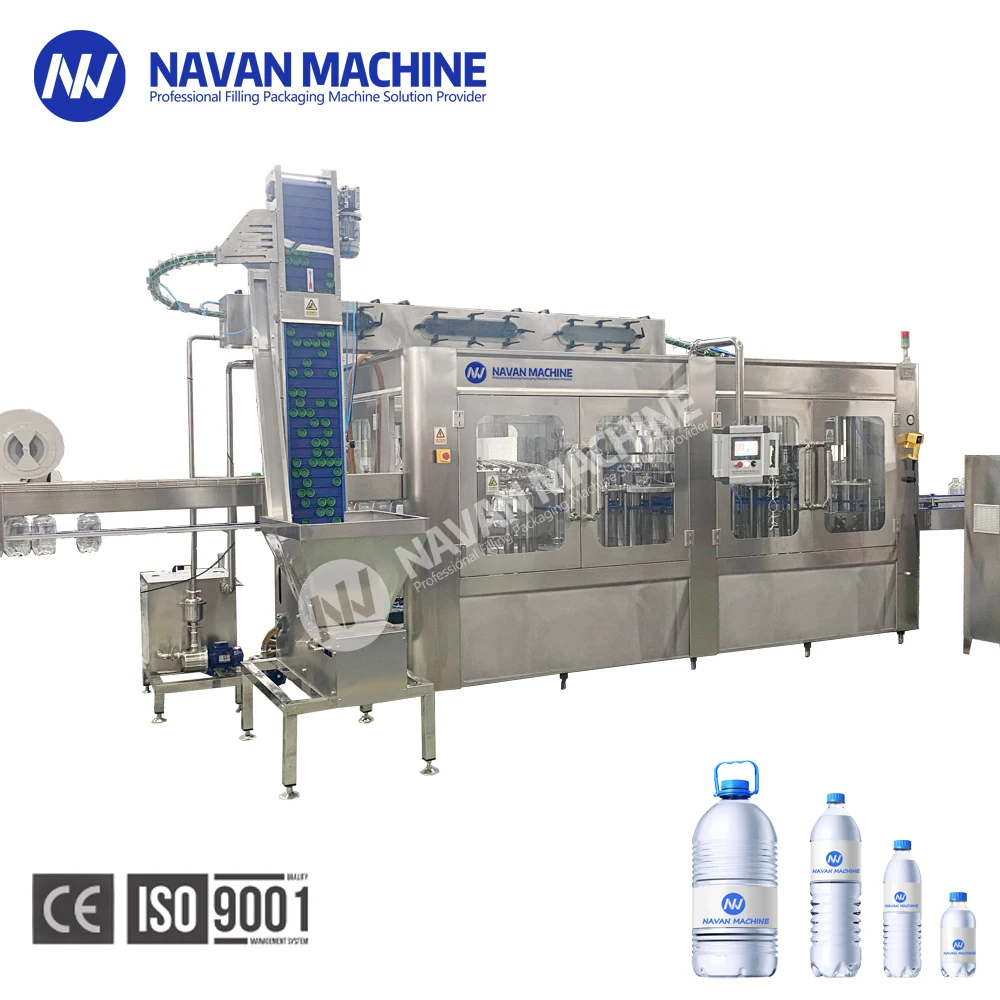
Advanced Automation Technologies
Intelligent Control Systems
The foundation of any energy-efficient water filling line lies in its intelligent control systems that monitor and optimize every aspect of the production process. These sophisticated systems utilize real-time data analytics to adjust filling speeds, pressure levels, and temperature controls based on current operating conditions. Machine learning algorithms continuously analyze production patterns to identify opportunities for energy savings without compromising product quality. Advanced sensors throughout the filling line provide instant feedback on bottle positioning, fill levels, and seal integrity, enabling precise adjustments that eliminate waste and reduce energy consumption.
Modern control interfaces allow operators to monitor multiple production parameters simultaneously, providing comprehensive visibility into energy usage patterns across different production phases. The integration of predictive maintenance algorithms helps prevent unexpected downtime while optimizing equipment performance for maximum energy efficiency. These systems can automatically adjust production schedules to take advantage of off-peak energy rates, further reducing operational costs while maintaining consistent output quality.
Variable Frequency Drive Integration
Variable frequency drives represent a cornerstone technology in energy-efficient water filling line operations, providing precise motor control that adapts to real-time production demands. These drives eliminate the energy waste associated with constant-speed motors by automatically adjusting motor speed based on actual filling requirements. During periods of reduced production demand, the system can seamlessly decrease operating speeds while maintaining optimal filling accuracy and consistency.
The implementation of VFD technology extends beyond the primary filling mechanisms to include conveyor systems, pump operations, and auxiliary equipment throughout the production line. This comprehensive approach ensures that every motorized component operates at peak efficiency, contributing to overall energy savings that can reach up to thirty percent compared to traditional fixed-speed systems. The smooth acceleration and deceleration provided by VFDs also reduces mechanical stress on equipment components, extending operational lifespan and reducing maintenance requirements.
Sustainable Design Features
Eco-Friendly Material Selection
Contemporary water filling line manufacturers prioritize the use of sustainable materials that minimize environmental impact throughout the equipment lifecycle. Stainless steel components not only provide superior durability and hygiene standards but also offer excellent recyclability at the end of their operational life. Advanced polymer materials used in sealing systems and conveyor components are specifically selected for their longevity and reduced environmental footprint during production and disposal phases.
The selection of food-grade materials that require minimal chemical treatments for cleaning and maintenance contributes significantly to the overall environmental friendliness of the water filling line. These materials resist bacterial growth naturally, reducing the need for harsh sanitizing chemicals while maintaining the highest standards of product safety and quality. Innovative coating technologies protect metal surfaces from corrosion without relying on environmentally harmful substances, ensuring long-term performance while supporting sustainability objectives.
Water Conservation Systems
Water conservation represents a critical aspect of eco-friendly water filling line design, with modern systems incorporating multiple technologies to minimize water waste throughout the production process. Closed-loop cleaning systems recirculate cleaning solutions, dramatically reducing water consumption while maintaining rigorous sanitation standards. Advanced filtration and purification systems ensure that process water can be reused multiple times before requiring disposal, maximizing resource efficiency.
Precision filling mechanisms eliminate product spillage and overflow, ensuring that every drop of product water reaches its intended destination. Smart sensors detect and prevent overfilling conditions that would otherwise result in product waste and increased cleaning requirements. The integration of steam sterilization systems for bottle sanitization eliminates the need for chemical disinfectants while using minimal water resources, contributing to both environmental protection and operational cost reduction.
Energy Recovery and Optimization
Heat Recovery Systems
Advanced heat recovery systems integrated into modern water filling line operations capture and reuse thermal energy that would otherwise be lost to the environment. These systems harness waste heat from compressor operations, motor cooling, and other thermal processes to support facility heating requirements or preheat incoming water supplies. The implementation of heat exchangers throughout the production line ensures maximum thermal efficiency while reducing overall energy consumption.
Thermal insulation systems surrounding critical components prevent heat loss while maintaining optimal operating temperatures for sensitive filling operations. Smart thermal management controls automatically adjust heating and cooling systems based on ambient conditions and production requirements, ensuring consistent performance while minimizing energy waste. The integration of thermal storage systems allows facilities to capture excess heat during peak production periods for use during lower-demand intervals.
Compressed Air Optimization
Compressed air systems in water filling line operations consume significant energy, making optimization of these systems crucial for overall efficiency improvements. Modern pneumatic systems utilize variable-speed compressors that automatically adjust output based on real-time demand, eliminating the energy waste associated with constant-pressure systems. Advanced leak detection systems continuously monitor compressed air lines to identify and alert operators to efficiency-reducing leaks before they become significant energy drains.
Right-sizing of compressed air systems ensures that production facilities generate only the amount of compressed air actually required for optimal operations. Pressure regulation systems maintain consistent air pressure throughout the filling line while preventing over-pressurization that wastes energy and creates unnecessary wear on system components. The implementation of air receiver tanks with intelligent controls provides stable pressure delivery while reducing compressor cycling frequency.
Quality Management and Efficiency
Precision Filling Technology
Precision filling technology forms the heart of efficient water filling line operations, utilizing advanced metering systems that deliver exact fill volumes with minimal variation. Electronic fill-level sensors provide real-time feedback to ensure consistent product quality while eliminating the waste associated with overfilling or underfilling conditions. These systems maintain filling accuracy within tight tolerances regardless of production speed variations or bottle size changes.
Multi-head filling systems distribute the filling workload across multiple stations, allowing for higher production rates while maintaining individual fill precision at each position. Advanced valve technologies provide instant opening and closing response times, enabling precise volume control even at high-speed operations. The integration of weight-checking systems provides continuous validation of fill accuracy, automatically rejecting products that fall outside acceptable parameters while maintaining overall production efficiency.
Contamination Prevention
Contamination prevention systems built into modern water filling line designs eliminate the need for extensive cleaning cycles while maintaining the highest product safety standards. Positive pressure environments within filling chambers prevent airborne contaminants from entering the production area, reducing the frequency of deep cleaning operations that consume significant water and energy resources. HEPA filtration systems ensure that air quality meets stringent pharmaceutical-grade standards throughout the filling process.
Automated cleaning-in-place systems utilize precisely controlled cleaning cycles that minimize chemical consumption and cleaning time while ensuring complete sanitization of all product-contact surfaces. These systems monitor cleaning effectiveness in real-time, adjusting cycle parameters to achieve optimal results with minimal resource consumption. The implementation of sanitary design principles throughout the filling line eliminates areas where contamination could accumulate, reducing cleaning requirements and supporting overall efficiency objectives.
Integration and Scalability
Modular System Architecture
Modular architecture in water filling line design provides exceptional flexibility for manufacturers seeking to optimize their production capabilities while maintaining energy efficiency standards. Individual modules can be configured to match specific production requirements, allowing facilities to scale operations up or down based on market demand without compromising efficiency. This approach enables manufacturers to invest in additional capacity incrementally rather than over-sizing systems for future growth projections.
Standardized interfaces between modules ensure seamless integration and communication throughout the production line, maintaining consistent performance characteristics regardless of system size or configuration. Modular design facilitates easier maintenance and component replacement, reducing downtime while extending overall system lifespan. The ability to upgrade individual modules independently allows manufacturers to incorporate new technologies and efficiency improvements without replacing entire production lines.
Digital Integration Capabilities
Digital integration capabilities enable water filling line systems to connect seamlessly with broader manufacturing execution systems and enterprise resource planning platforms. Real-time data sharing between production equipment and management systems provides comprehensive visibility into energy consumption patterns, production efficiency metrics, and quality performance indicators. This integration supports data-driven decision-making that optimizes both operational efficiency and environmental performance.
Cloud-based monitoring systems allow remote oversight of multiple production facilities, enabling centralized optimization strategies that maximize efficiency across entire manufacturing networks. Advanced analytics platforms process production data to identify trends and opportunities for further efficiency improvements, supporting continuous optimization efforts. The integration of artificial intelligence algorithms enables predictive optimization that anticipates production requirements and adjusts system parameters proactively.
FAQ
What are the primary energy-saving features in modern water filling line systems
Modern water filling line systems incorporate several key energy-saving features including variable frequency drives that adjust motor speeds based on demand, intelligent control systems that optimize operation parameters in real-time, and heat recovery systems that capture and reuse waste thermal energy. Advanced automation reduces energy waste through precise control of filling operations, while LED lighting and high-efficiency motors throughout the system contribute to overall energy reduction. These systems can achieve energy savings of twenty to thirty percent compared to conventional filling equipment.
How do eco-friendly water filling lines reduce environmental impact
Eco-friendly water filling line designs reduce environmental impact through multiple approaches including water conservation systems that minimize waste and enable recycling, sustainable material selection that reduces lifecycle environmental impact, and elimination of harmful chemicals through advanced sanitization methods. Precision filling technology prevents product waste while closed-loop cleaning systems dramatically reduce water consumption. The use of renewable energy-compatible systems and efficient compressed air management further contributes to reduced environmental footprint.
What role does automation play in water filling line efficiency
Automation plays a crucial role in water filling line efficiency by providing precise control over every aspect of the production process, from bottle handling and positioning to filling volume accuracy and quality verification. Automated systems eliminate human error while optimizing production parameters continuously based on real-time conditions. Smart sensors and control algorithms ensure consistent performance while reducing waste and energy consumption through predictive maintenance and operational optimization.
How can manufacturers ensure long-term sustainability with water filling line investments
Manufacturers can ensure long-term sustainability by selecting water filling line systems with modular architectures that allow for future upgrades and capacity adjustments, investing in equipment with proven energy efficiency and low maintenance requirements, and implementing comprehensive monitoring systems that track environmental performance metrics. Regular system optimization based on production data and emerging technologies helps maintain peak efficiency throughout the equipment lifecycle while supporting evolving sustainability objectives.
Table of Contents
- Advanced Automation Technologies
- Sustainable Design Features
- Energy Recovery and Optimization
- Quality Management and Efficiency
- Integration and Scalability
-
FAQ
- What are the primary energy-saving features in modern water filling line systems
- How do eco-friendly water filling lines reduce environmental impact
- What role does automation play in water filling line efficiency
- How can manufacturers ensure long-term sustainability with water filling line investments