 EN
EN
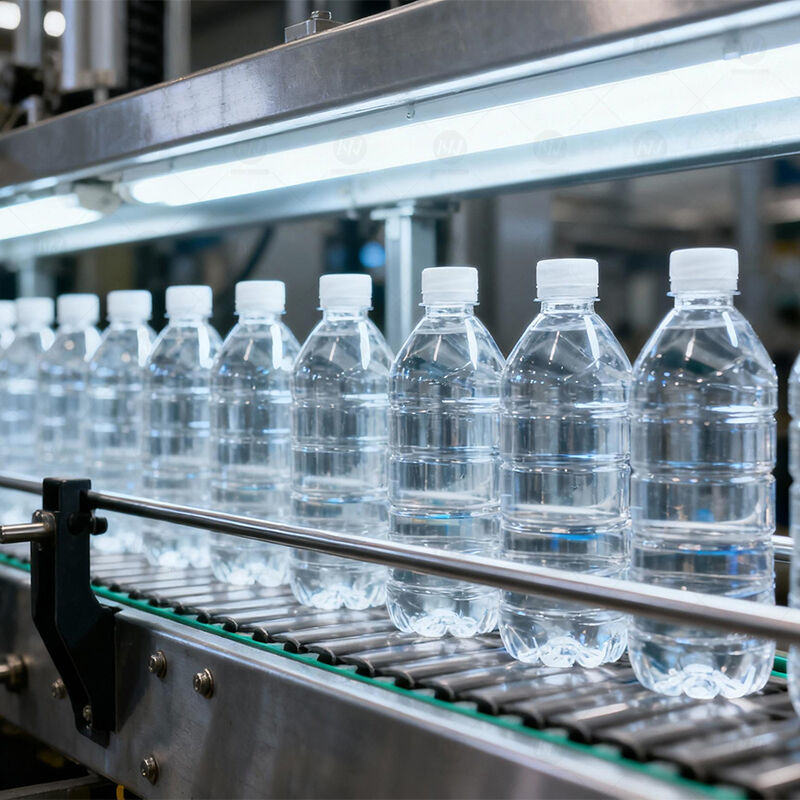
The global demand for packaged water continues to surge as consumers prioritize convenience, safety, and quality in their hydration choices. Modern water bottling machines have emerged as the cornerstone technology enabling manufacturers to meet this unprecedented market demand efficiently and cost-effectively. These sophisticated systems transform raw water sources into millions of sealed, ready-to-drink bottles that reach consumers worldwide, making them indispensable assets in today's competitive beverage industry.
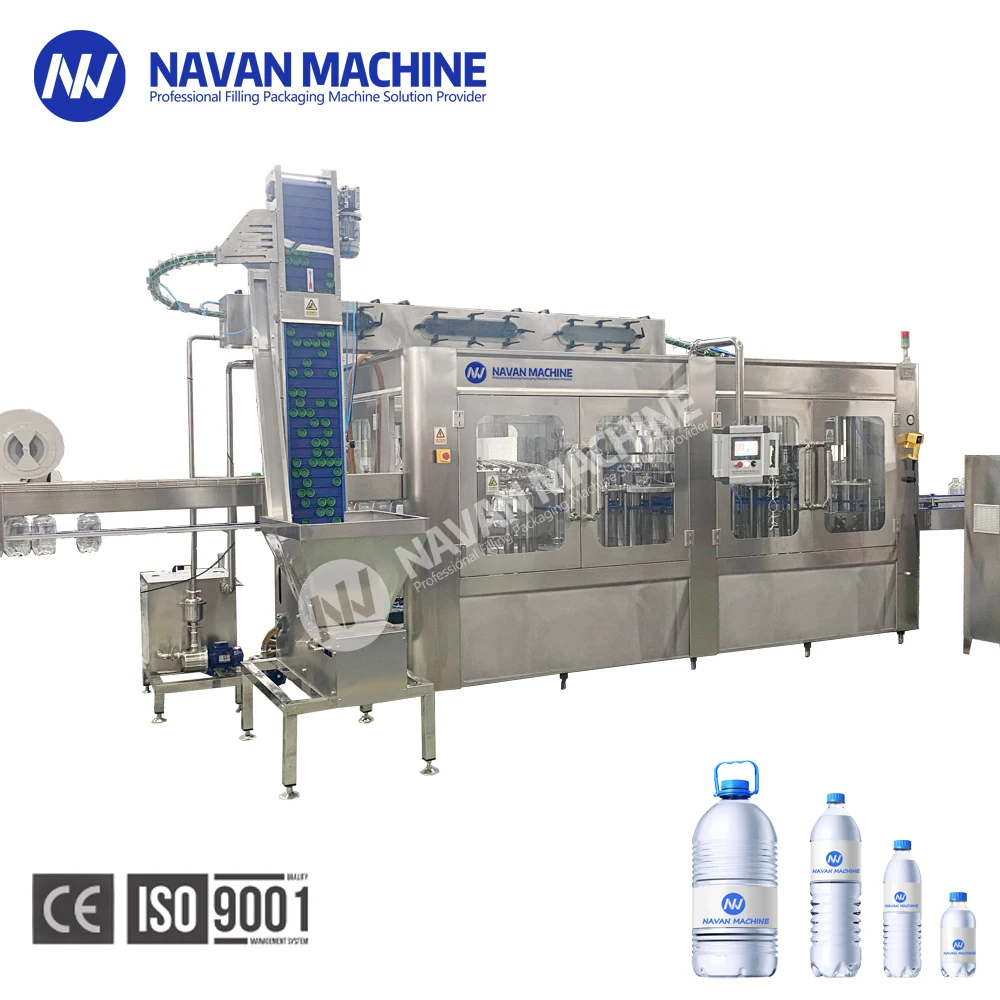
Manufacturing facilities equipped with advanced water bottling machines can process thousands of bottles per hour, ensuring consistent product quality while maintaining strict hygiene standards. The integration of automated systems reduces human intervention, minimizes contamination risks, and optimizes production workflows. As consumer preferences shift toward premium packaged water products, these machines provide the technological foundation necessary to capture market share and maintain competitive positioning.
Production Capacity and Market Response
High-Volume Processing Capabilities
Modern water bottling machines deliver exceptional throughput rates that directly address growing consumer demand across multiple market segments. Industrial-grade systems can process between 2,000 to 36,000 bottles per hour, depending on configuration and bottle size specifications. This scalability allows manufacturers to adjust production volumes based on seasonal fluctuations, regional demand patterns, and marketing campaign requirements.
The flexibility of contemporary water bottling machines enables rapid changeovers between different bottle sizes and product variants. Manufacturers can efficiently switch from producing 330ml bottles for retail convenience stores to 1.5-liter family-size containers for supermarket distribution. This adaptability ensures optimal resource utilization while meeting diverse consumer preferences and market positioning strategies.
Supply Chain Optimization
Efficient water bottling machines streamline supply chain operations by reducing production lead times and improving inventory turnover rates. Automated systems minimize bottlenecks in the manufacturing process, enabling just-in-time production strategies that reduce storage costs and improve cash flow management. Real-time monitoring capabilities provide production managers with accurate forecasting data to align manufacturing schedules with distribution requirements.
Strategic implementation of high-capacity water bottling machines allows manufacturers to establish regional production hubs that serve multiple distribution territories. This geographic diversification reduces transportation costs, improves product freshness, and enhances responsiveness to local market demands. Companies can maintain consistent product availability across their distribution networks while minimizing logistics-related expenses.
Quality Control and Consumer Safety
Advanced Filtration Systems
Contemporary water bottling machines incorporate multi-stage filtration technologies that ensure consistent water quality and safety standards. These systems typically feature reverse osmosis, ultraviolet sterilization, and ozone treatment components that eliminate contaminants, bacteria, and harmful microorganisms. The integration of automated quality monitoring systems provides real-time feedback on water purity levels throughout the production process.
Sophisticated water bottling machines maintain precise control over mineral content, pH levels, and taste characteristics that define premium packaged water products. Advanced filtration capabilities enable manufacturers to create distinct product profiles that cater to specific consumer preferences and regional taste requirements. This technical precision supports brand differentiation strategies and premium pricing opportunities in competitive markets.
Contamination Prevention Protocols
Modern water bottling machines feature enclosed production environments that minimize exposure to airborne contaminants and external pollutants. Positive pressure systems, HEPA filtration, and sterile packaging areas ensure that products maintain their purity from processing through final sealing. These contamination prevention measures are essential for meeting stringent food safety regulations and maintaining consumer confidence.
Automated cleaning-in-place systems integrated into water bottling machines reduce downtime while ensuring consistent sanitation standards. These self-cleaning protocols eliminate cross-contamination risks between production batches and maintain equipment hygiene without requiring extensive manual intervention. Regular sanitization cycles support compliance with industry quality certifications and regulatory requirements.
Cost Efficiency and Operational Benefits
Labor Cost Reduction
Automated water bottling machines significantly reduce labor requirements while improving production consistency and output quality. Fully integrated systems can operate with minimal human oversight, requiring only supervisory personnel for monitoring and quality control functions. This automation reduces payroll expenses, eliminates training costs associated with high employee turnover, and minimizes human error risks that could compromise product quality.
The implementation of intelligent water bottling machines enables manufacturers to reallocate human resources to higher-value activities such as quality assurance, maintenance planning, and process optimization. Skilled technicians can focus on preventive maintenance protocols and system improvements rather than repetitive manual tasks. This strategic workforce allocation improves overall operational efficiency and supports continuous improvement initiatives.
Energy Efficiency Optimization
Energy-efficient water bottling machines incorporate variable frequency drives, optimized heating systems, and intelligent power management features that reduce operational costs. Modern systems consume significantly less electricity per bottle compared to older equipment, contributing to improved profit margins and environmental sustainability goals. Smart energy monitoring systems provide detailed consumption analytics that support cost reduction strategies.
Advanced water bottling machines utilize heat recovery systems and energy-efficient components that minimize utility expenses while maintaining optimal performance levels. Regenerative heating technologies capture waste heat from sterilization processes and redirect it for preheating applications. These energy optimization features reduce operational overhead and support corporate sustainability initiatives that appeal to environmentally conscious consumers.
Market Adaptability and Product Innovation
Flexible Packaging Options
Versatile water bottling machines accommodate diverse packaging formats that enable manufacturers to target multiple market segments simultaneously. These systems can handle various bottle materials including PET, glass, and biodegradable plastics while supporting different closure types and label applications. This flexibility allows companies to respond quickly to emerging packaging trends and consumer preferences without requiring significant equipment investments.
Contemporary water bottling machines support innovative packaging designs that enhance product differentiation and brand recognition in crowded retail environments. Specialized forming capabilities enable unique bottle shapes, ergonomic designs, and premium packaging features that command higher selling prices. This design flexibility supports marketing strategies focused on premium positioning and brand value enhancement.
Product Line Diversification
Multi-format water bottling machines enable manufacturers to expand their product portfolios beyond traditional still water into flavored varieties, functional beverages, and enhanced water products. The same production line can process different formulations with minimal changeover requirements, supporting efficient product diversification strategies. This capability allows companies to capitalize on emerging market trends and consumer preferences for specialized hydration products.
Advanced water bottling machines support the integration of additives, minerals, and flavor systems that create value-added products with higher profit margins. Precise dosing systems ensure consistent product quality across different formulations while maintaining the flexibility to adjust recipes based on market feedback. This adaptability enables manufacturers to respond quickly to seasonal demands and regional taste preferences.
Technology Integration and Industry 4.0
Smart Monitoring Systems
Internet-connected water bottling machines provide real-time production data that supports predictive maintenance strategies and operational optimization initiatives. Advanced sensors monitor critical parameters such as temperature, pressure, flow rates, and quality metrics throughout the production process. This continuous monitoring capability enables proactive maintenance scheduling that prevents unexpected downtime and maintains consistent production output.
Cloud-based analytics platforms integrated with modern water bottling machines provide comprehensive performance insights that support strategic decision-making processes. Production managers can access detailed reports on equipment efficiency, quality trends, and maintenance requirements from remote locations. These digital tools enhance operational visibility and enable data-driven improvements to manufacturing processes.
Predictive Maintenance Capabilities
Artificial intelligence algorithms embedded in contemporary water bottling machines analyze operational patterns to predict potential equipment failures before they occur. Machine learning systems continuously monitor vibration patterns, temperature fluctuations, and performance metrics to identify early warning signs of component wear or system malfunctions. This predictive approach minimizes unplanned downtime and reduces maintenance costs.
Condition-based maintenance protocols supported by smart water bottling machines optimize replacement scheduling and inventory management for critical components. Automated diagnostic systems provide detailed recommendations for maintenance actions, spare parts requirements, and service intervals based on actual operating conditions. This precision maintenance approach extends equipment lifespan while minimizing total ownership costs.
Regulatory Compliance and Quality Assurance
Food Safety Standards
Modern water bottling machines incorporate design features and operational protocols that ensure compliance with stringent food safety regulations across multiple jurisdictions. Hygienic construction materials, sanitary design principles, and validated cleaning procedures support HACCP implementation and regulatory approval processes. These compliance features are essential for accessing international markets and maintaining distribution partnerships with major retailers.
Traceability systems integrated into water bottling machines provide comprehensive documentation of production parameters, ingredient sources, and quality control measurements for each batch. This detailed record-keeping supports regulatory audits, product recalls if necessary, and continuous improvement initiatives. Complete traceability capabilities are increasingly required for premium market positioning and export opportunities.
Quality Certification Support
Sophisticated water bottling machines facilitate the achievement and maintenance of international quality certifications such as ISO 22000, BRC, and SQF standards. Automated documentation systems, consistent process control, and integrated quality monitoring capabilities support certification audits and ongoing compliance requirements. These certifications are essential for accessing premium market channels and commanding higher product prices.
Water bottling machines equipped with advanced quality control systems enable manufacturers to implement statistical process control methodologies that demonstrate consistent product quality. Real-time quality monitoring, automated reject systems, and comprehensive data logging provide the documentation necessary for quality system certifications. These quality assurance capabilities support brand reputation management and customer confidence building initiatives.
FAQ
What production capacity can modern water bottling machines achieve
Contemporary water bottling machines offer production capacities ranging from 2,000 bottles per hour for small-scale operations to over 36,000 bottles per hour for large industrial facilities. The actual throughput depends on bottle size, product complexity, and specific equipment configuration. Most manufacturers can achieve optimal capacity utilization rates between 85-95% under normal operating conditions.
How do water bottling machines ensure product quality and safety
Water bottling machines maintain product quality through multi-stage filtration systems, UV sterilization, automated quality monitoring, and enclosed sterile production environments. Advanced systems incorporate real-time testing for contaminants, proper mineral content, and consistent taste characteristics. Integrated cleaning-in-place systems and contamination prevention protocols ensure consistent safety standards throughout production.
What are the main cost benefits of investing in automated water bottling machines
Automated water bottling machines reduce labor costs by 60-80%, minimize product waste through precise filling systems, and lower energy consumption through efficient design features. Additional cost savings include reduced maintenance expenses through predictive monitoring, decreased contamination risks, and improved production consistency that eliminates rework costs. Most manufacturers achieve payback periods of 18-36 months depending on production volume.
How quickly can water bottling machines adapt to different product formats
Modern water bottling machines feature quick-changeover capabilities that typically allow format changes in 15-45 minutes depending on complexity. Automated adjustment systems, tool-free changeover components, and standardized bottle neck designs minimize downtime during product transitions. This flexibility enables manufacturers to respond rapidly to market demands and optimize production scheduling for multiple product lines.