
 EN
EN
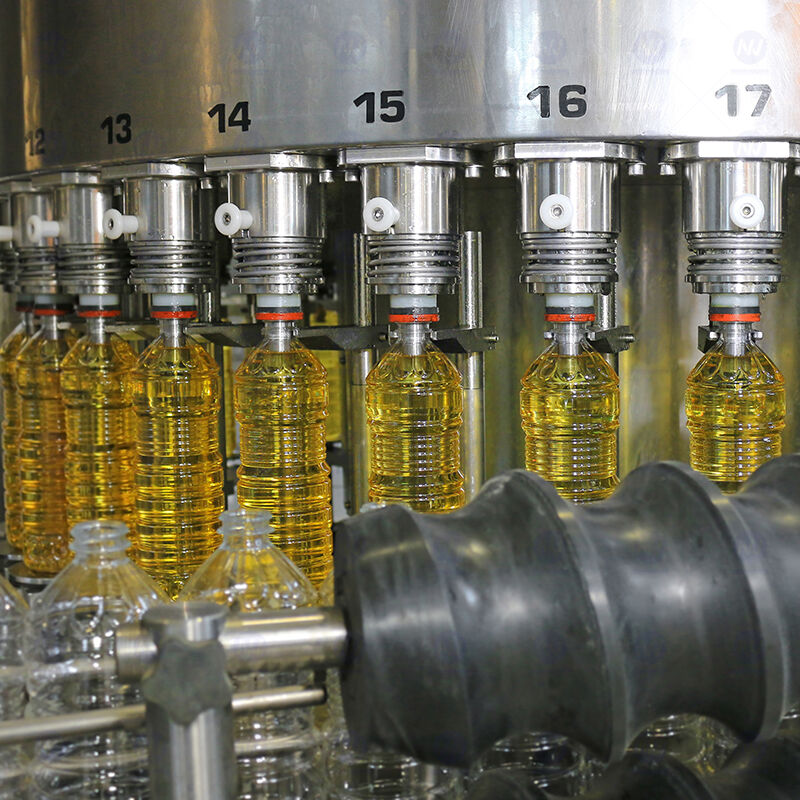
Maintaining consistent quality in large-scale edible oil production requires precision, reliability, and advanced automation technology. Modern manufacturing facilities face increasing pressure to deliver uniform products while maximizing efficiency and minimizing waste. The foundation of quality consistency lies in implementing robust filling systems that can handle high-volume operations without compromising accuracy or hygiene standards. Industrial-grade equipment designed specifically for oil processing ensures that every bottle meets exact specifications, from fill levels to seal integrity.
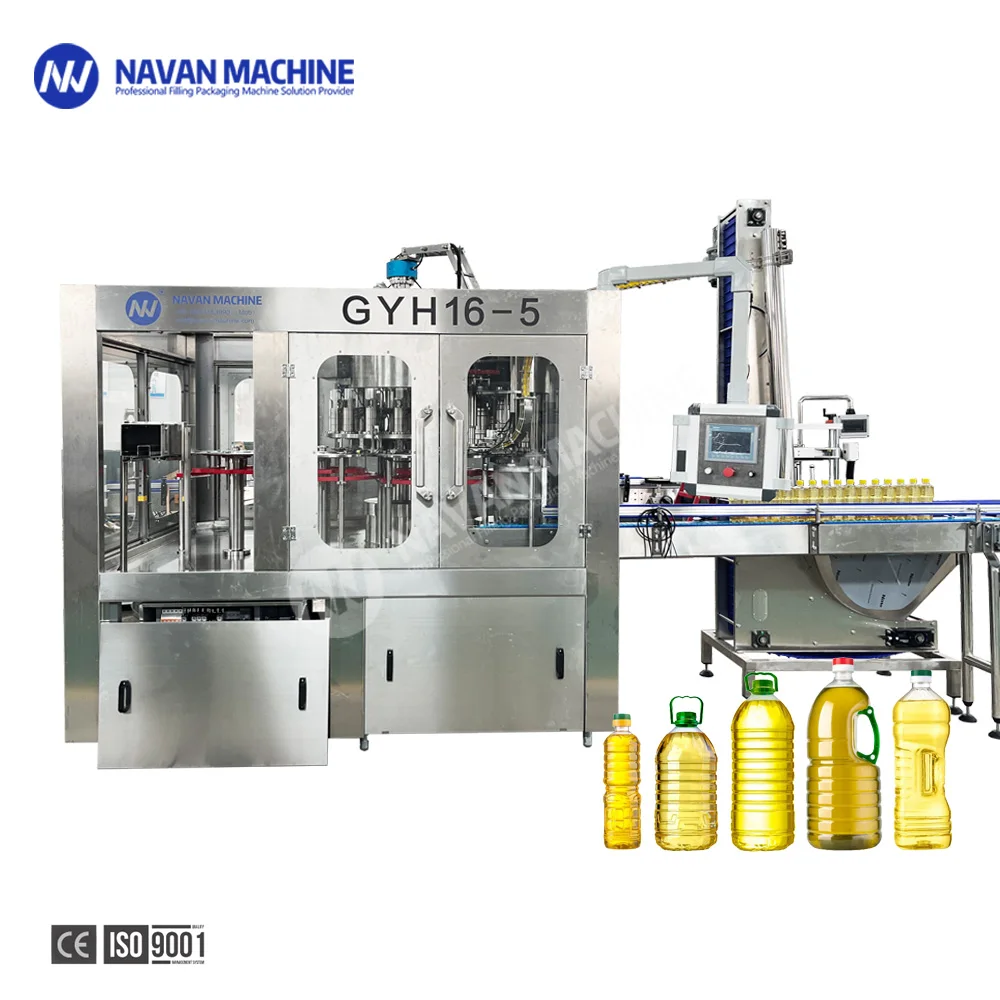
Quality control in edible oil packaging extends far beyond simple volume measurement. Temperature control, contamination prevention, and packaging integrity all contribute to the final product quality that consumers expect. Large-scale operations must balance speed with precision, ensuring that rapid production cycles do not compromise the fundamental quality parameters that define premium edible oil products.
Advanced Automation Technologies for Oil Filling Operations
Precision Volume Control Systems
Modern edible oil filling machine systems incorporate sophisticated volumetric control mechanisms that ensure consistent fill levels across thousands of containers per hour. These systems utilize servo-driven pumps and electronic flow meters to achieve accuracy levels within 0.5% deviation, significantly reducing product waste and maintaining uniform packaging standards. Advanced sensors continuously monitor fill rates and automatically adjust parameters to compensate for variables such as oil viscosity changes due to temperature fluctuations.
Integration of load cell technology allows real-time weight verification during the filling process, providing an additional layer of quality assurance. This dual-verification approach combining volumetric and gravimetric measurements ensures that each container receives the precise amount of oil specified, regardless of minor variations in container dimensions or oil characteristics.
Temperature Management and Viscosity Control
Consistent oil viscosity is crucial for maintaining uniform filling speeds and accurate volume delivery. Professional edible oil filling machine installations include heated storage tanks and temperature-controlled transfer lines to maintain optimal oil consistency throughout the production cycle. Temperature control systems typically maintain oil within 2-3 degrees Celsius of target temperature, ensuring predictable flow characteristics that enable precise filling operations.
Automated temperature monitoring systems alert operators to any deviations that could affect filling accuracy or product quality. These systems can automatically adjust heating elements or cooling systems to maintain optimal conditions, reducing the risk of quality variations due to thermal fluctuations in the production environment.
Contamination Prevention and Hygiene Standards
Sterile Environment Maintenance
Large-scale edible oil production requires stringent hygiene protocols to prevent contamination and ensure product safety. Clean-in-place systems integrated into modern filling equipment allow thorough sanitization without disassembly, minimizing downtime while maintaining the highest cleanliness standards. These automated cleaning cycles use precisely controlled detergent concentrations and temperatures to eliminate any residual oils or contaminants from filling nozzles and transfer lines.
Air filtration systems maintain positive pressure within filling areas, preventing external contaminants from entering the production environment. HEPA filtration combined with UV sterilization creates a controlled atmosphere that protects product integrity throughout the packaging process, ensuring that quality standards remain consistent regardless of external environmental conditions.
Material Compatibility and Food Safety
All components in contact with edible oil must meet strict food safety requirements and maintain their integrity over extended production runs. Stainless steel construction with specialized surface treatments prevents corrosion and eliminates the risk of metallic contamination. O-rings and seals utilize FDA-approved materials that resist degradation when exposed to various oil types and cleaning chemicals.
Regular material inspection protocols ensure that wear components are replaced before they compromise product quality. Predictive maintenance schedules based on production volume and operating hours help maintain consistent performance while preventing unexpected failures that could affect product quality or production continuity.
Quality Monitoring and Process Control
Real-Time Quality Assessment
Continuous monitoring systems track multiple quality parameters throughout the filling process, providing immediate feedback on product consistency. Vision systems inspect fill levels, cap placement, and label alignment, automatically rejecting containers that do not meet specifications. These automated inspection systems can process hundreds of containers per minute while maintaining detection accuracy levels exceeding 99.5%.
Statistical process control software analyzes quality trends and identifies potential issues before they affect product quality. This predictive approach allows operators to make proactive adjustments rather than reactive corrections, maintaining consistent quality standards throughout extended production runs.
Data Integration and Traceability
Modern edible oil filling machine systems generate comprehensive production data that enables complete batch traceability and quality verification. Electronic records document every aspect of the filling process, from raw material lot numbers to final inspection results, creating an audit trail that supports quality assurance and regulatory compliance requirements.
Integration with enterprise resource planning systems provides real-time visibility into production performance and quality metrics. This data integration enables rapid response to quality issues and supports continuous improvement initiatives that enhance overall product consistency and operational efficiency.
Preventive Maintenance and Equipment Reliability
Scheduled Maintenance Protocols
Consistent quality in large-scale operations depends heavily on equipment reliability and predictable performance. Comprehensive maintenance schedules address both mechanical and electronic components, ensuring that critical systems maintain their accuracy and functionality over time. Preventive maintenance programs typically include daily, weekly, and monthly inspection routines that identify potential issues before they impact production quality.
Lubrication management systems ensure that all moving components operate smoothly without introducing contaminants into the product stream. Automated lubrication dispensers deliver precise amounts of food-grade lubricants at scheduled intervals, maintaining optimal component performance while eliminating the risk of over-lubrication that could affect product quality.
Component Wear Monitoring
Advanced diagnostic systems monitor critical component performance and predict replacement needs based on actual wear patterns rather than arbitrary time intervals. Vibration analysis, temperature monitoring, and performance trending identify components approaching end-of-life before they fail, allowing scheduled replacement during planned maintenance windows rather than during emergency repairs.
Wear-resistant components designed specifically for edible oil filling machine applications extend service life and maintain consistent performance throughout their operational lifetime. These specialized components resist corrosion and wear while maintaining the precise tolerances required for accurate filling operations.
Training and Operational Excellence
Operator Competency Development
Maintaining consistent quality requires skilled operators who understand both the technical aspects of filling equipment and the quality standards required for edible oil products. Comprehensive training programs cover equipment operation, quality control procedures, and troubleshooting techniques that enable operators to maintain optimal performance throughout their shifts.
Ongoing education programs keep operators current with evolving technology and quality standards, ensuring that human factors continue to support rather than compromise quality objectives. Regular skill assessments and refresher training maintain competency levels and reinforce the importance of quality consistency in large-scale operations.
Standard Operating Procedures
Detailed operating procedures standardize every aspect of the filling process, from startup routines to quality checks and shutdown procedures. These documented processes ensure that quality standards remain consistent regardless of which operators are running the equipment or what shift is in operation.
Regular procedure reviews and updates incorporate lessons learned from production experience and evolving best practices. This continuous improvement approach ensures that operating procedures remain current and effective in maintaining the quality standards required for successful large-scale edible oil production.
FAQ
What factors most significantly impact filling accuracy in large-scale edible oil production?
Temperature control and oil viscosity management are the primary factors affecting filling accuracy. Maintaining consistent oil temperature within 2-3 degrees Celsius ensures predictable flow characteristics, while precision volumetric controls and real-time monitoring systems compensate for minor variations. Proper calibration of filling equipment and regular maintenance of critical components also play crucial roles in maintaining accuracy levels within acceptable tolerances.
How often should edible oil filling equipment undergo maintenance to ensure consistent quality?
Maintenance frequency depends on production volume and operating conditions, but typically includes daily cleaning and inspection routines, weekly lubrication and calibration checks, and monthly comprehensive system evaluations. Critical wear components should be monitored continuously through diagnostic systems, with replacement scheduled based on actual condition rather than arbitrary time intervals. Emergency maintenance should be minimized through predictive maintenance programs that identify potential issues before they affect production quality.
What quality control measures are essential for large-scale edible oil filling operations?
Essential quality control measures include real-time fill weight verification, automated vision inspection systems, temperature and viscosity monitoring, and comprehensive batch documentation. Statistical process control software should track quality trends and identify deviations before they affect product consistency. Regular calibration of measurement systems, environmental monitoring, and operator training programs also contribute to maintaining consistent quality standards throughout high-volume production cycles.
How can manufacturers minimize contamination risks in automated oil filling systems?
Contamination prevention requires multiple layers of protection including clean-in-place systems for automated sanitization, positive pressure air filtration with HEPA and UV sterilization, and food-grade materials throughout the product contact areas. Regular inspection and replacement of seals and gaskets prevents degradation that could introduce contaminants. Environmental controls, operator hygiene protocols, and comprehensive cleaning validation procedures ensure that contamination risks remain minimized throughout extended production campaigns.
Table of Contents
- Advanced Automation Technologies for Oil Filling Operations
- Contamination Prevention and Hygiene Standards
- Quality Monitoring and Process Control
- Preventive Maintenance and Equipment Reliability
- Training and Operational Excellence
-
FAQ
- What factors most significantly impact filling accuracy in large-scale edible oil production?
- How often should edible oil filling equipment undergo maintenance to ensure consistent quality?
- What quality control measures are essential for large-scale edible oil filling operations?
- How can manufacturers minimize contamination risks in automated oil filling systems?