 EN
EN
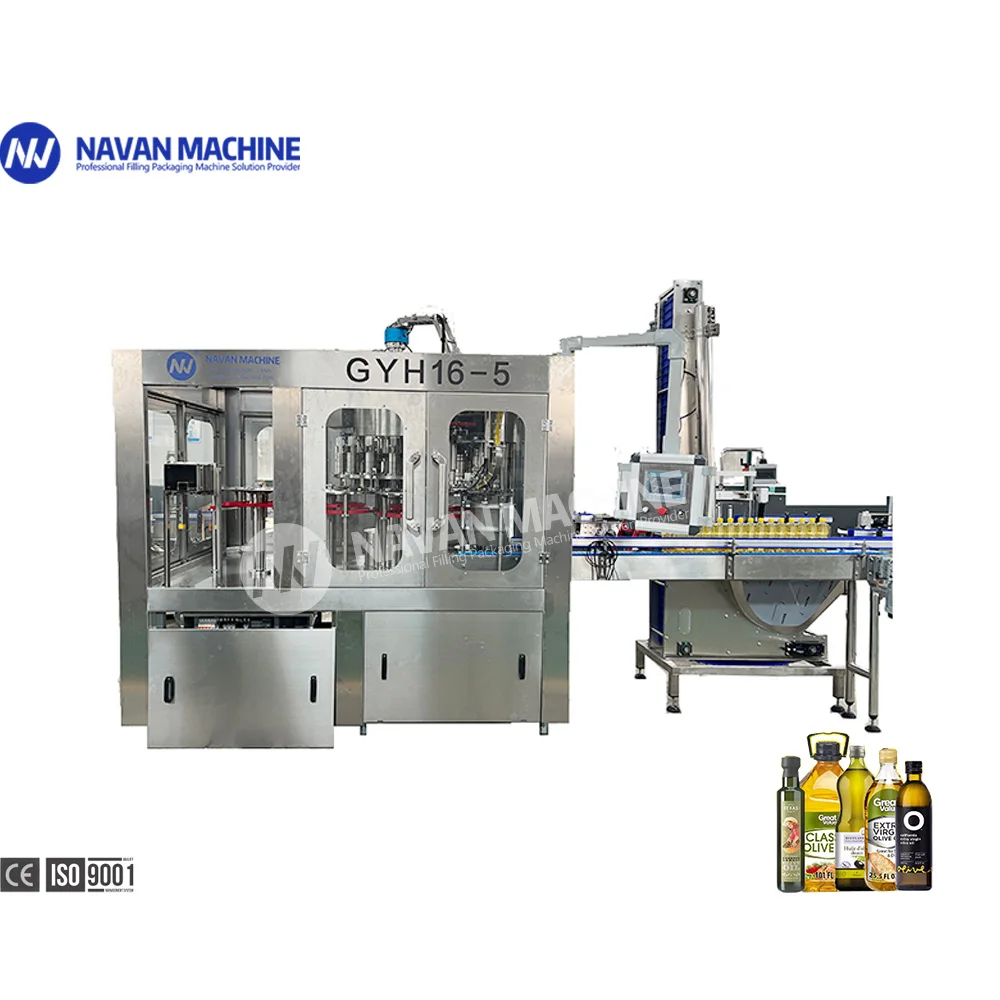
Modern oil filling operations require unprecedented precision to meet strict quality standards and minimize waste. Manufacturing facilities processing edible oils, lubricants, and industrial fluids face increasing pressure to deliver consistent fill weights while maintaining high throughput rates. The integration of servo-control systems has revolutionized oil filling equipment by providing the accuracy and reliability that traditional filling methods cannot achieve. These advanced control mechanisms ensure that every container receives the exact predetermined volume, eliminating the costly variations that plague conventional filling processes.
Understanding Servo-Control Technology in Industrial Applications
Fundamental Principles of Servo-Control Operation
Servo-control systems operate through a sophisticated feedback loop mechanism that continuously monitors and adjusts filling parameters in real-time. The system employs precision sensors to detect the actual position, speed, and torque of the filling mechanism, comparing these values against predetermined setpoints. When deviations occur, the servo controller immediately sends corrective signals to the actuators, ensuring that filling operations remain within specified tolerances. This closed-loop control approach provides superior accuracy compared to open-loop systems that cannot compensate for external variables or component wear.
The servo motor component of these systems delivers exceptional positioning accuracy and repeatable motion control. Unlike standard AC or DC motors, servo motors incorporate high-resolution encoders that provide precise feedback about shaft position and rotational speed. This detailed positional information enables servo-control systems to execute extremely fine adjustments during the filling process, achieving filling accuracies that can reach ±0.1% of the target volume. The rapid response time of servo motors, typically measured in milliseconds, allows for immediate corrections that prevent overfilling or underfilling incidents.
Integration with Modern Filling Equipment Architecture
Contemporary oil filling machines integrate servo-control systems at multiple points throughout the filling process to maximize overall system performance. The primary servo controller manages the main filling valve operation, precisely controlling the opening and closing sequences to achieve optimal flow rates. Secondary servo-control systems may govern conveyor speeds, container positioning mechanisms, and capping operations, creating a synchronized production environment where all components work in perfect harmony.
The programmable logic controller (PLC) serves as the central nervous system that coordinates all servo-control systems within the filling line. Advanced PLCs can simultaneously manage dozens of servo axes, each controlling different aspects of the filling operation. This distributed control architecture enables manufacturers to customize filling parameters for different product viscosities, container sizes, and production requirements without requiring mechanical adjustments or equipment changeovers.
Precision Advantages in Oil Filling Operations
Volume Accuracy and Consistency Improvements
The implementation of servo-control systems in oil filling equipment delivers remarkable improvements in volume accuracy that directly impact product quality and manufacturing costs. Traditional filling methods often exhibit fill weight variations of 2-5%, while servo-controlled systems routinely achieve variations below 0.5%. This enhanced precision translates to significant material savings over large production runs, as manufacturers can reduce overfill allowances without risking underfilled packages that fail quality inspections.
Consistency across different production shifts and environmental conditions represents another critical advantage of servo-control systems. Temperature fluctuations, oil viscosity changes, and mechanical wear typically cause significant variations in conventional filling equipment. Servo-controlled systems automatically compensate for these variables by adjusting filling parameters based on real-time feedback, maintaining consistent performance regardless of operating conditions. This capability proves especially valuable in facilities that process multiple oil types with varying viscosities throughout the production day.
Speed and Efficiency Optimization
Servo-control systems enable oil filling equipment to operate at higher speeds while maintaining superior accuracy compared to traditional filling methods. The precise motion control capabilities allow for optimized acceleration and deceleration profiles that minimize product spillage and container disturbance. Advanced servo controllers can execute complex filling sequences that include pre-fill positioning, controlled acceleration, steady-state filling, and gentle deceleration phases, all within compressed cycle times that maximize throughput.
The ability to store and recall multiple filling programs within servo-control systems facilitates rapid product changeovers without manual adjustments. Operators can switch between different oil products, container sizes, or fill volumes through simple touchscreen interfaces, with the servo-control systems automatically adjusting all relevant parameters. This flexibility reduces downtime associated with product changeovers and enables manufacturers to respond quickly to changing market demands or customer specifications.
Advanced Feedback Mechanisms and Sensor Integration
Real-Time Monitoring and Data Collection
Modern servo-control systems incorporate sophisticated sensor arrays that provide comprehensive real-time monitoring of all critical filling parameters. Load cells, flow meters, and level sensors work in conjunction with servo controllers to create detailed performance profiles for each filling cycle. This continuous data collection enables predictive maintenance strategies that identify potential issues before they impact production quality or equipment availability.
The integration of vision systems with servo-control systems adds another layer of quality assurance to oil filling operations. High-resolution cameras can monitor fill levels, detect foam formation, and verify proper container positioning before and after filling. When combined with servo-control systems, these vision systems can trigger automatic adjustments or reject products that fail quality criteria, ensuring that only properly filled containers proceed to subsequent packaging stages.
Adaptive Control Algorithms
Advanced servo-control systems employ machine learning algorithms that continuously optimize filling parameters based on historical performance data and current operating conditions. These adaptive systems can automatically adjust filling speeds, valve opening sequences, and settling times to compensate for variations in oil temperature, viscosity, or environmental factors. The self-tuning capabilities of these servo-control systems reduce the need for manual parameter adjustments and maintain optimal performance over extended periods.
Predictive control algorithms within servo-control systems can anticipate filling requirements based on upcoming containers in the production queue. By analyzing container dimensions, oil type, and target fill volumes, these systems can pre-position valves and adjust flow rates before each container arrives at the filling station. This proactive approach eliminates settling delays and maintains consistent cycle times throughout the production run.
Quality Control and Compliance Benefits
Regulatory Compliance and Documentation
Servo-control systems provide comprehensive data logging capabilities that support regulatory compliance requirements for food-grade and pharmaceutical oil products. The systems automatically record all critical parameters including fill weights, timestamps, operator identifications, and environmental conditions for each filled container. This detailed documentation creates complete audit trails that satisfy FDA, USDA, and other regulatory requirements while supporting quality management system certifications.
The precision and repeatability of servo-control systems help manufacturers meet increasingly stringent net weight regulations and labeling requirements. Consistent fill weights reduce the risk of regulatory violations and customer complaints while supporting brand reputation for quality and reliability. Many servo-control systems can interface directly with checkweigh systems and automatic rejection mechanisms to ensure that all shipped products meet specified weight tolerances.
Product Quality Enhancement
The gentle handling characteristics of servo-control systems preserve oil quality by minimizing exposure to air and reducing mechanical agitation during filling. Controlled acceleration and deceleration profiles prevent splashing and foam formation that can introduce oxygen into sensitive oil products. This careful handling maintains product integrity and extends shelf life, particularly important for premium oils and specialty lubricants that command higher market prices.
Servo-control systems enable precise temperature control during filling operations, ensuring that heat-sensitive oils maintain their nutritional or performance characteristics. The systems can coordinate heating and cooling elements to maintain optimal oil temperatures throughout the filling process, preventing degradation that could compromise product quality or consumer safety.
Economic Impact and Return on Investment
Cost Reduction Through Precision
The superior accuracy of servo-control systems translates directly into material cost savings that can justify the initial investment within months of implementation. By reducing overfill allowances from 3-5% to less than 1%, manufacturers can save thousands of dollars per production shift on high-volume oil filling operations. These savings compound over time, particularly for expensive specialty oils or when processing large volumes of commodity products with tight profit margins.
Reduced product waste and rework costs represent additional economic benefits of servo-control systems in oil filling applications. The consistent performance of these systems minimizes the number of rejected containers and reduces cleanup requirements associated with spills and overfills. Lower maintenance costs also contribute to improved economics, as servo-control systems require less frequent adjustment and calibration compared to conventional filling equipment.
Productivity and Throughput Improvements
Servo-control systems enable higher production speeds while maintaining quality standards, directly increasing manufacturing capacity without requiring additional equipment investments. The rapid response times and precise control capabilities allow filling equipment to operate closer to theoretical maximum speeds while still achieving required accuracy levels. This enhanced productivity helps manufacturers meet growing demand without expanding facility footprints or adding production shifts.
The flexibility and quick changeover capabilities of servo-control systems reduce lost production time associated with product switches and equipment adjustments. Automated parameter changes and self-tuning algorithms minimize the skilled labor requirements for equipment setup and optimization, reducing operational costs while improving consistency across different production runs and operator shifts.
Future Technology Integration and Industry Trends
Internet of Things Connectivity
The integration of servo-control systems with Industrial Internet of Things (IIoT) platforms creates opportunities for remote monitoring, predictive maintenance, and production optimization across multiple facility locations. Cloud-based analytics systems can analyze performance data from servo-control systems to identify optimization opportunities and predict maintenance requirements before equipment failures occur. This connectivity enables centralized management of filling operations and supports data-driven decision making for production planning and quality improvement initiatives.
Real-time integration between servo-control systems and enterprise resource planning systems provides visibility into production status and enables dynamic scheduling adjustments based on actual equipment performance. This connectivity supports lean manufacturing principles by reducing inventory requirements and improving customer responsiveness through more accurate delivery predictions.
Artificial Intelligence and Machine Learning
Next-generation servo-control systems incorporate artificial intelligence algorithms that continuously learn from operational data to optimize filling parameters and predict quality outcomes. These intelligent systems can identify subtle patterns in production data that human operators might miss, enabling proactive adjustments that prevent quality issues before they occur. Machine learning capabilities allow servo-control systems to adapt to new products and operating conditions automatically, reducing commissioning time and improving overall system performance.
Advanced analytics platforms integrated with servo-control systems provide predictive quality control capabilities that can forecast potential issues based on trending parameter data. These systems can recommend optimal maintenance schedules, suggest process improvements, and identify root causes of quality variations, supporting continuous improvement initiatives and reducing total cost of ownership.
FAQ
What accuracy levels can servo-control systems achieve in oil filling applications
Servo-control systems typically achieve filling accuracies of ±0.1% to ±0.5% of target volume, significantly better than the ±2% to ±5% accuracy of conventional filling systems. The exact accuracy depends on factors such as oil viscosity, filling speed, and container characteristics, but most modern servo-controlled filling equipment can maintain consistency within ±0.3% under normal operating conditions.
How do servo-control systems handle different oil viscosities
Servo-control systems automatically adjust filling parameters based on real-time feedback from flow sensors and pressure transducers to accommodate different oil viscosities. The systems can modify valve opening sequences, adjust flow rates, and optimize timing parameters to maintain consistent fill volumes regardless of viscosity variations. Many systems include viscosity compensation algorithms that reference temperature data to predict and compensate for viscosity changes throughout the production day.
What maintenance requirements do servo-control systems have
Servo-control systems require minimal routine maintenance compared to mechanical filling systems, typically involving periodic calibration checks, encoder cleaning, and software parameter verification. Most systems include self-diagnostic capabilities that monitor servo motor performance and alert operators to potential issues before failures occur. Regular maintenance intervals range from quarterly calibration checks to annual comprehensive system evaluations, depending on production volume and operating conditions.
Can existing filling equipment be retrofitted with servo-control systems
Many existing oil filling machines can be successfully retrofitted with servo-control systems, though the complexity and cost depend on the current equipment configuration. Retrofits typically involve replacing existing motors with servo motors, installing new control systems, and integrating appropriate sensors for feedback control. The return on investment for retrofitting often justifies the expense through improved accuracy, reduced waste, and enhanced productivity, particularly for high-volume operations or expensive oil products.