 EN
EN
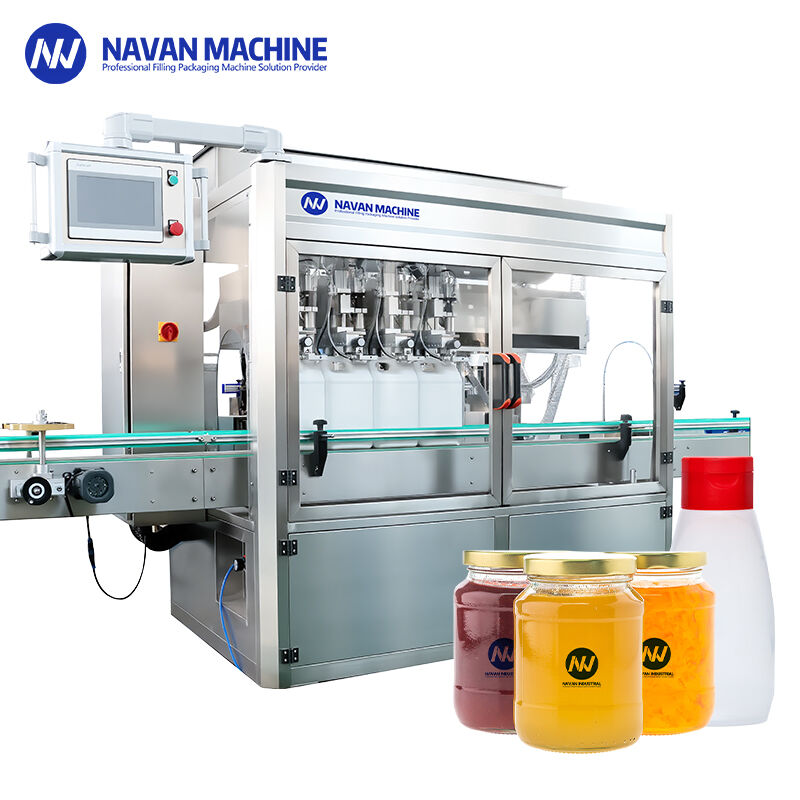
Modern beverage production facilities depend on precision and reliability to maintain consistent product quality across millions of units. A water filling machine serves as the cornerstone of this operation, ensuring that every bottle contains exactly the specified amount of liquid with remarkable accuracy. These sophisticated systems combine advanced sensor technology, precise mechanical components, and automated control systems to deliver consistent liquid levels that meet strict industry standards and consumer expectations.
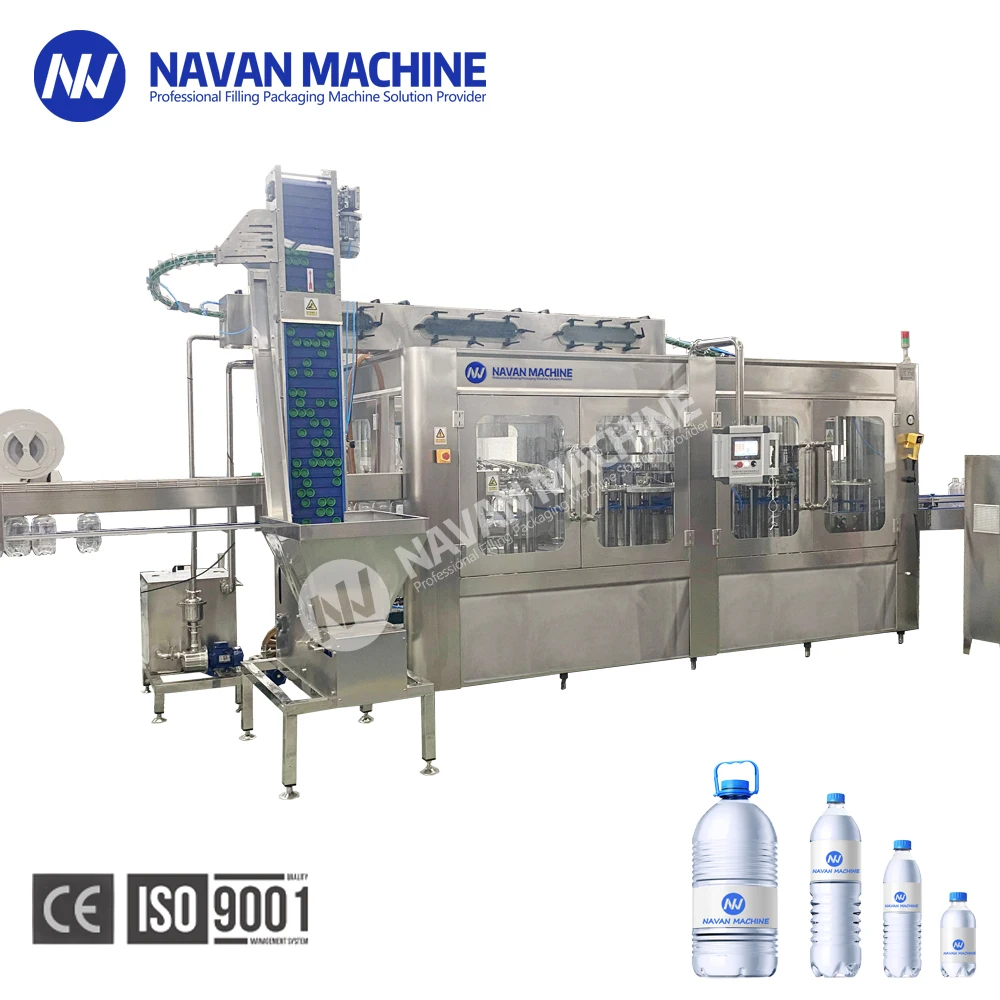
The significance of accurate liquid level control extends far beyond simple volume measurement. Inconsistent filling can result in regulatory compliance issues, customer dissatisfaction, material waste, and substantial financial losses. Understanding how a water filling machine achieves consistent liquid levels involves examining multiple interconnected systems that work together to create a seamless production process. From initial bottle positioning to final level verification, each component plays a crucial role in maintaining the precision required for commercial bottled water production.
Advanced Sensor Technology in Level Control
Optical Sensors and Detection Systems
Optical sensors represent the foundation of accurate level detection in modern water filling machine operations. These sensors utilize infrared light beams to detect the precise liquid surface within each bottle, providing real-time feedback to the control system. The technology works by emitting a focused light beam across the bottle neck area and measuring the reflection patterns that occur when liquid reaches specific heights. This non-contact measurement method ensures consistent accuracy without any physical interference with the filling process.
The sophistication of these optical systems allows them to differentiate between various liquid types and bottle materials, automatically adjusting sensitivity levels to maintain accuracy across different production runs. Advanced models incorporate multiple sensor arrays that can simultaneously monitor several bottles during high-speed filling operations. These sensors communicate continuously with the central processing unit, enabling instantaneous adjustments to filling parameters based on detected variations in liquid levels.
Capacitive and Ultrasonic Level Monitoring
Capacitive sensors provide an additional layer of precision by measuring the electrical properties that change as liquid levels vary within bottles. These sensors detect minute changes in electrical capacitance caused by the presence of liquid, offering extremely precise measurements even in challenging production environments. A water filling machine equipped with capacitive sensors can achieve accuracy levels within fractions of a millimeter, ensuring consistent liquid volumes across entire production batches.
Ultrasonic sensors complement these systems by using sound waves to determine liquid levels through time-of-flight calculations. The sensors emit high-frequency sound waves that bounce off the liquid surface, with the return time indicating the exact liquid level within each bottle. This technology proves particularly valuable when dealing with bottles that have complex shapes or when working with liquids that may foam during the filling process.
Precision Valve Systems and Flow Control
Electronic Flow Control Valves
The heart of consistent liquid level control lies in sophisticated electronic flow control valves that regulate the precise amount of liquid entering each bottle. These valves operate through servo-motor driven mechanisms that can open and close with millisecond precision, allowing for exact volume control regardless of production speed. Each valve within a water filling machine system is individually calibrated and monitored to ensure consistent performance across all filling stations.
Modern electronic valves incorporate feedback systems that continuously monitor flow rates and adjust opening times based on real-time measurements. This adaptive control ensures that variations in liquid temperature, viscosity, or supply pressure do not affect the final liquid levels in finished bottles. The valves can compensate for these variables automatically, maintaining consistent fill levels even when operating conditions change throughout production shifts.
Pressure Compensation Systems
Maintaining consistent liquid levels requires sophisticated pressure compensation systems that account for variations in supply line pressure, atmospheric conditions, and liquid properties. These systems continuously monitor multiple pressure points throughout the water filling machine and make real-time adjustments to ensure uniform filling performance. Advanced pressure regulators maintain steady liquid flow despite fluctuations in the main supply system or changes in production demand.
The pressure compensation systems work in conjunction with temperature monitoring to account for liquid expansion and contraction that could affect final volumes. By measuring liquid temperature at multiple points during the filling process, these systems can predict volume changes and adjust filling parameters accordingly. This comprehensive approach ensures that bottles maintain consistent liquid levels even when ambient temperatures vary or when switching between different liquid formulations.
Automated Calibration and Quality Control
Self-Calibrating Measurement Systems
Modern water filling machine systems incorporate self-calibrating measurement technologies that continuously verify and adjust their accuracy without interrupting production. These systems use reference standards built into the machinery to perform regular calibration checks, ensuring that sensors and measurement devices maintain their precision over extended operating periods. The calibration process occurs automatically during normal production cycles, eliminating the need for manual intervention while maintaining consistent accuracy.
The self-calibration systems maintain detailed records of all adjustments and measurements, creating comprehensive quality documentation that meets regulatory requirements. This data tracking capability allows operators to identify trends in machine performance and schedule preventive maintenance before accuracy degradation occurs. The continuous monitoring approach ensures that liquid level consistency remains within specification limits throughout entire production runs.
Statistical Process Control Integration
Statistical process control systems integrated into water filling machine operations provide comprehensive monitoring of liquid level consistency across production batches. These systems collect thousands of measurements per hour, analyzing the data in real-time to identify any trends or variations that could affect product quality. The statistical analysis helps operators optimize machine settings and identify potential issues before they impact production quality.
Advanced statistical algorithms can predict when adjustments will be needed based on historical performance data and current operating conditions. This predictive capability allows the water filling machine to make preemptive adjustments that maintain consistent liquid levels even as wear and environmental conditions change over time. The integration of statistical process control ensures that quality remains consistent across millions of bottles while minimizing waste and production interruptions.
Mechanical Precision and Timing Systems
Servo-Driven Positioning Accuracy
Servo-driven positioning systems provide the mechanical foundation for consistent liquid level control by ensuring precise bottle placement and timing throughout the filling process. These high-precision motors control bottle movement, filling head positioning, and valve timing with accuracy measured in fractions of a degree. The servo systems communicate with the central control unit to coordinate all movements, ensuring that bottles arrive at filling stations at exactly the right time and position for optimal filling accuracy.
The positioning accuracy extends to vertical alignment systems that ensure bottles are perfectly centered under filling heads regardless of variations in bottle dimensions or conveyor positioning. Advanced servo systems can compensate for minor variations in bottle height or diameter, automatically adjusting filling parameters to maintain consistent liquid levels across different bottle types and sizes within the same production run.
High-Resolution Timing Control
Precise timing control systems coordinate all aspects of the filling operation to ensure consistent liquid levels in every bottle. These systems manage the complex sequence of bottle arrival, positioning, filling, level verification, and discharge with timing accuracy measured in milliseconds. The timing control integrates with sensor systems to ensure that measurements occur at exactly the right moments during the filling cycle, eliminating variations caused by timing inconsistencies.
The timing systems also coordinate with quality control sensors to enable real-time rejection of bottles that do not meet liquid level specifications. This immediate feedback loop ensures that defective products are removed from the production line before they reach packaging operations, maintaining overall product quality while minimizing waste and rework requirements.
Environmental Control and Stability
Temperature and Humidity Management
Environmental factors significantly impact liquid level consistency in water filling machine operations, requiring sophisticated control systems to maintain stable conditions. Temperature variations can affect liquid volume through thermal expansion and contraction, while humidity changes can impact sensor accuracy and mechanical component performance. Advanced environmental control systems monitor and regulate these factors to ensure consistent filling performance regardless of external conditions.
Climate control systems maintain optimal temperature and humidity levels within the filling area, while thermal management systems regulate liquid temperature throughout the supply and filling process. These environmental controls work together to eliminate variables that could affect liquid level consistency, ensuring that the water filling machine maintains accuracy across varying seasonal conditions and facility environments.
Vibration Isolation and Stability
Mechanical vibrations can significantly impact the accuracy of liquid level measurements and filling operations, requiring comprehensive vibration isolation systems. Advanced water filling machine installations incorporate vibration dampening foundations, isolated mounting systems, and active vibration compensation to maintain measurement accuracy even in industrial environments with significant mechanical activity. These isolation systems ensure that external vibrations do not interfere with sensitive sensor operations or precise mechanical movements.
The stability systems extend to the liquid supply infrastructure, incorporating dampening systems that eliminate pressure fluctuations caused by pump operations or pipeline vibrations. This comprehensive approach to stability ensures that all components of the water filling machine operate in an environment optimized for precision and consistency, maintaining accurate liquid levels regardless of external disturbances.
Integration with Production Line Systems
Upstream and Downstream Coordination
Consistent liquid level control requires seamless integration between the water filling machine and other production line components, including bottle handling systems, labeling equipment, and packaging machinery. This integration ensures that timing, positioning, and quality control measures work together to maintain overall production efficiency while preserving liquid level accuracy. Advanced communication protocols enable real-time coordination between different production line sections, optimizing overall performance.
The integration systems also coordinate with quality control stations positioned both before and after the filling operation, ensuring that bottles meet all specifications before filling and verifying liquid levels after the filling process is complete. This comprehensive approach to quality control maintains consistent liquid levels while preventing defective products from advancing through the production line.
Data Communication and Analytics
Modern water filling machine systems incorporate advanced data communication networks that enable comprehensive monitoring and analysis of liquid level consistency across entire production facilities. These systems collect and analyze vast amounts of performance data, identifying trends and optimization opportunities that can improve consistency and efficiency. Real-time analytics provide operators with immediate feedback on filling performance, enabling quick responses to any variations in liquid level accuracy.
The data systems also enable remote monitoring and diagnostics, allowing technical support teams to analyze performance trends and recommend optimizations without interrupting production operations. This connectivity ensures that water filling machine systems maintain peak performance through continuous monitoring and proactive maintenance scheduling based on actual performance data rather than arbitrary time intervals.
FAQ
How accurate are modern water filling machines in maintaining consistent liquid levels
Modern water filling machines can achieve liquid level accuracy within ±1-2ml for standard bottle sizes, with some advanced systems achieving even tighter tolerances. This precision is maintained through integrated sensor systems, electronic flow control valves, and continuous calibration processes that monitor and adjust filling parameters in real-time. The accuracy remains consistent across production runs of millions of bottles, with statistical process control systems ensuring that variations stay within specification limits.
What happens when a water filling machine detects an incorrect liquid level
When sensors detect liquid levels outside acceptable parameters, the water filling machine automatically triggers rejection systems that remove the affected bottle from the production line. The system simultaneously logs the deviation, analyzes potential causes, and makes automatic adjustments to prevent similar occurrences. Advanced systems can distinguish between individual bottle defects and systematic issues, responding appropriately to maintain overall production quality while minimizing waste.
How often do water filling machines require calibration to maintain accuracy
Most modern water filling machines incorporate self-calibrating systems that perform accuracy verification continuously during normal operations, eliminating the need for scheduled calibration downtime. However, comprehensive calibration verification is typically performed weekly or monthly depending on production volume and regulatory requirements. The automated systems maintain calibration records and alert operators when manual verification or adjustment may be necessary based on performance trends.
Can water filling machines maintain consistency when switching between different bottle sizes
Advanced water filling machines can automatically adjust filling parameters when switching between different bottle sizes and liquid volumes, maintaining consistent accuracy across various product configurations. The systems store calibration data for different bottle types and automatically load appropriate settings during changeovers. This capability allows facilities to maintain consistent liquid levels across diverse product lines without manual recalibration or extended setup times.
Table of Contents
- Advanced Sensor Technology in Level Control
- Precision Valve Systems and Flow Control
- Automated Calibration and Quality Control
- Mechanical Precision and Timing Systems
- Environmental Control and Stability
- Integration with Production Line Systems
-
FAQ
- How accurate are modern water filling machines in maintaining consistent liquid levels
- What happens when a water filling machine detects an incorrect liquid level
- How often do water filling machines require calibration to maintain accuracy
- Can water filling machines maintain consistency when switching between different bottle sizes