 EN
EN
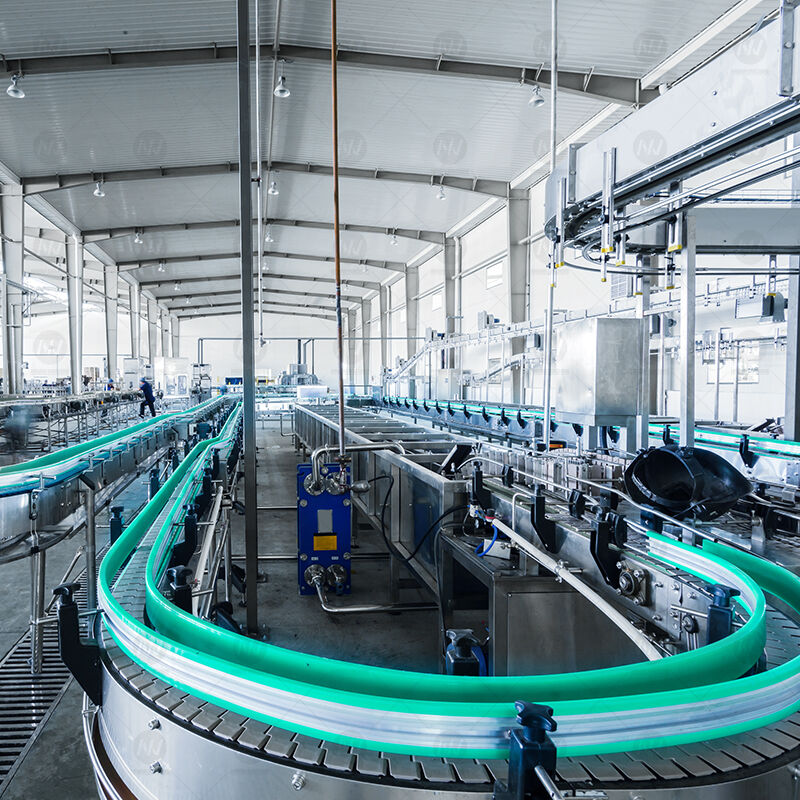
The beverage manufacturing industry has witnessed a significant transformation in recent years, with companies increasingly adopting innovative solutions to streamline their operations. Among these advancements, the implementation of a modular water production line has emerged as a game-changing approach that revolutionizes how manufacturers establish and expand their bottled water facilities. This comprehensive system offers unprecedented flexibility, efficiency, and scalability that traditional fixed installations simply cannot match.
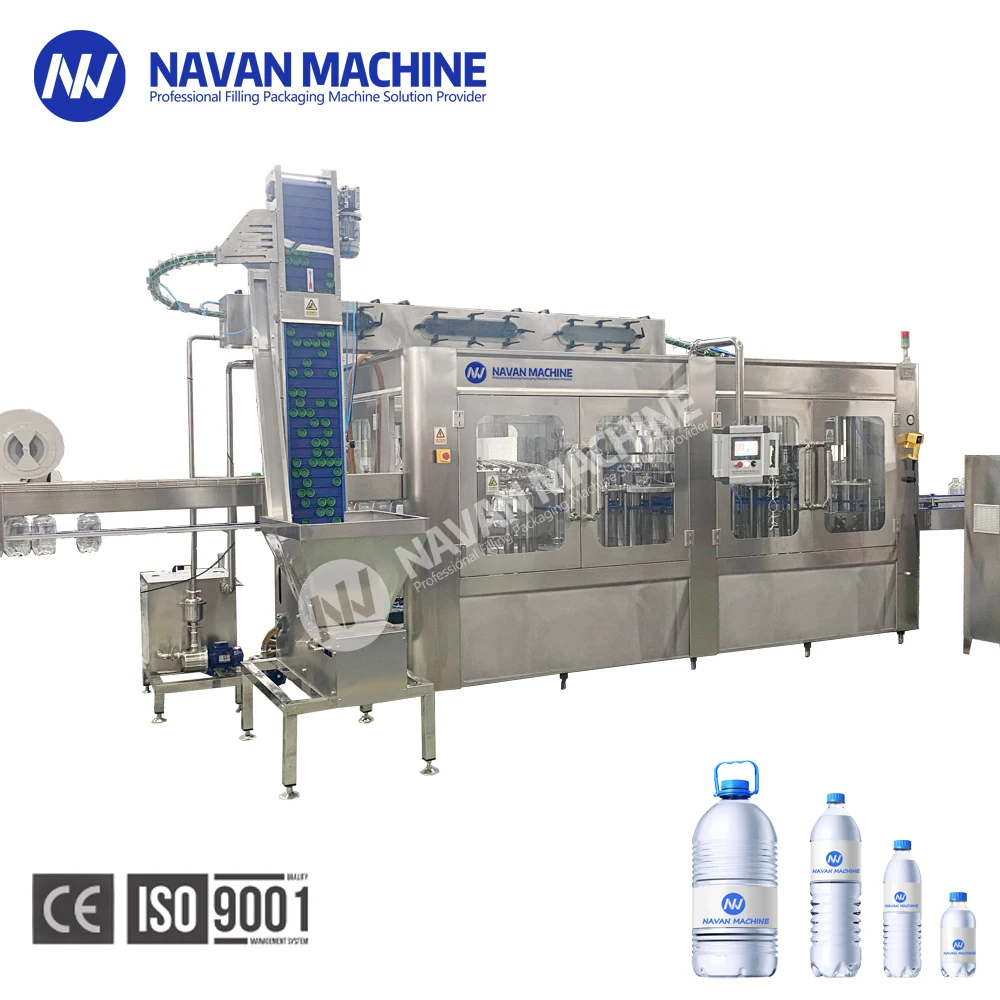
Modern water bottling facilities require sophisticated equipment that can handle various production volumes while maintaining strict quality standards. The shift toward modular design principles has created opportunities for manufacturers to implement systems that grow with their business needs. Understanding the fundamental advantages of modular architecture in water production environments enables decision-makers to make informed investments that deliver long-term value and operational excellence.
Understanding Modular Architecture in Water Production
Core Principles of Modular Design
A modular water production line operates on the principle of interconnected, standardized components that work together seamlessly while maintaining individual functionality. Each module serves a specific purpose within the overall production process, from water treatment and purification to filling, capping, and packaging. This design philosophy allows manufacturers to configure their systems according to specific requirements without compromising on performance or efficiency.
The standardization aspect of modular systems ensures that components from different manufacturers can integrate effectively, provided they adhere to industry-standard specifications. This interoperability creates a competitive marketplace where businesses can select the best-performing modules for each stage of their production process. The result is a customized solution that delivers optimal performance while maintaining cost-effectiveness throughout the system lifecycle.
Integration Benefits Across Production Stages
When implementing a modular water production line, manufacturers benefit from simplified integration processes that reduce installation complexity and minimize downtime. Each module comes pre-configured and tested, allowing for rapid deployment once the facility infrastructure is prepared. This approach contrasts sharply with traditional custom-built systems that require extensive on-site assembly and testing phases.
The integration advantages extend beyond initial installation to ongoing operations and maintenance. Modular systems typically feature standardized interfaces and control protocols that enable seamless communication between components. This connectivity allows for centralized monitoring and control of the entire production process, improving operational visibility and enabling proactive maintenance strategies that prevent costly unplanned downtime.
Installation Efficiency and Time Savings
Reduced Setup Complexity
Traditional water bottling line installations often involve months of planning, custom fabrication, and complex on-site assembly procedures. In contrast, a modular water production line significantly reduces these timeframes through pre-engineered components that arrive ready for connection. The standardized nature of these modules means that much of the testing and optimization work has already been completed in controlled factory environments.
Installation teams benefit from detailed documentation and proven connection procedures that eliminate guesswork during the setup process. Each module includes comprehensive installation guides, wiring diagrams, and quality assurance protocols that ensure consistent results across different facilities. This standardization reduces the skill level required for installation while simultaneously improving the quality and reliability of the final system configuration.
Accelerated Commissioning Process
The commissioning phase of a modular water production line typically proceeds much faster than conventional installations due to the pre-validated nature of individual components. Each module undergoes factory acceptance testing before shipment, ensuring that basic functionality is verified before arrival at the installation site. This pre-validation reduces the time required for system startup and helps identify potential issues before they impact production schedules.
System integration testing focuses primarily on verifying communication protocols and overall process flow rather than troubleshooting individual component problems. This targeted approach allows commissioning teams to concentrate their efforts on optimizing system performance and fine-tuning production parameters. The result is a faster transition from installation completion to full production capacity, enabling manufacturers to realize return on investment sooner than traditional approaches would allow.
Scalability and Future Expansion Options
Flexible Capacity Management
One of the most compelling advantages of implementing a modular water production line lies in its inherent scalability. Manufacturers can begin operations with a basic configuration that meets initial production requirements and gradually add modules as demand increases. This approach eliminates the need for oversized initial investments while ensuring that expansion capabilities remain available when market conditions warrant increased capacity.
The modular approach also enables manufacturers to experiment with different production configurations without committing to permanent changes. Modules can be relocated, reconfigured, or temporarily removed to accommodate seasonal demand variations or product line diversification. This flexibility provides operational agility that helps manufacturers respond quickly to market opportunities while minimizing financial risk associated with capacity investments.
Technology Upgrade Pathways
As technology continues advancing in the beverage manufacturing sector, modular water production line systems provide clear pathways for incorporating new capabilities without wholesale system replacement. Individual modules can be upgraded or replaced with newer versions that offer improved performance, enhanced automation features, or better energy efficiency without disrupting the entire production operation.
This upgrade flexibility extends to emerging technologies such as advanced quality monitoring systems, predictive maintenance capabilities, and enhanced automation features. Manufacturers can selectively adopt new technologies based on their specific operational needs and budget constraints rather than waiting for comprehensive system overhauls that might be financially prohibitive or operationally disruptive.
Cost Optimization and Economic Advantages
Capital Investment Efficiency
The financial benefits of a modular water production line extend far beyond reduced installation costs. The standardized manufacturing processes used to produce modular components create economies of scale that translate into lower per-unit costs compared to custom-fabricated alternatives. These savings become particularly significant for manufacturers operating multiple facilities or planning phased expansion projects.
Modular systems also offer improved predictability in capital planning through standardized pricing structures and well-defined configuration options. This transparency enables more accurate project budgeting and reduces the risk of cost overruns that commonly plague custom installation projects. The ability to phase investments over time also improves cash flow management and reduces the financial strain associated with large capital expenditures.
Operational Cost Management
Beyond initial capital considerations, modular water production line implementations deliver ongoing operational cost advantages through improved maintenance efficiency and reduced spare parts inventory requirements. The standardized nature of modular components means that maintenance procedures can be optimized and standardized across the entire system, reducing training requirements and improving maintenance team productivity.
Spare parts management becomes more efficient when components are standardized across multiple modules or even multiple production lines. This standardization reduces inventory carrying costs while improving parts availability and reducing downtime associated with component failures. The improved maintainability of modular systems also extends equipment life cycles and reduces total cost of ownership over the system's operational lifetime.
Quality Control and Compliance Benefits
Standardized Quality Assurance
Manufacturing a modular water production line involves rigorous quality control processes that are applied consistently across all components during factory production. This controlled manufacturing environment enables more thorough testing and validation than is typically possible during field installation of custom systems. Each module undergoes comprehensive testing procedures that verify performance specifications before shipment to installation sites.
The standardized quality assurance processes also facilitate regulatory compliance by ensuring that all components meet relevant industry standards and certifications. This pre-compliance verification reduces the complexity of facility certification processes and helps manufacturers demonstrate regulatory adherence more effectively. Documentation packages accompanying modular components typically include all necessary compliance certifications and test reports required for regulatory submissions.
Process Validation and Documentation
Regulatory agencies increasingly require detailed process validation documentation for food and beverage manufacturing facilities. Modular water production line systems excel in this area by providing comprehensive validation packages that document design specifications, performance testing results, and operational parameters for each component. This documentation foundation significantly reduces the effort required for facility validation and ongoing compliance maintenance.
The standardized nature of modular components also enables manufacturers to leverage validation work performed at other facilities using similar configurations. This validation reuse can substantially reduce the time and cost associated with bringing new facilities online while maintaining the highest standards of regulatory compliance and product quality assurance.
Maintenance and Support Considerations
Simplified Service Requirements
The maintenance advantages of a modular water production line become apparent through reduced complexity in service procedures and improved access to technical support. Standardized components enable maintenance teams to develop expertise that applies across multiple modules and production lines. This expertise consolidation improves maintenance efficiency while reducing the training burden associated with complex custom systems.
Maintenance scheduling becomes more predictable when components follow standardized maintenance intervals and procedures. This predictability enables better resource planning and reduces the likelihood of unexpected maintenance events that could disrupt production schedules. The improved maintainability of modular systems also supports the implementation of proactive maintenance strategies that maximize equipment availability and performance.
Technical Support Networks
Manufacturers investing in modular water production line systems typically gain access to established technical support networks that serve multiple customers using similar equipment configurations. This support infrastructure provides faster response times for technical issues and access to accumulated knowledge from other installations. The standardized nature of modular components also enables remote diagnostics and support capabilities that can resolve many issues without requiring on-site service visits.
The technical support advantages extend to training programs and documentation resources that are developed once and shared across multiple installations. This resource sharing reduces training costs while ensuring that maintenance teams have access to comprehensive technical information and best practice guidance developed through real-world operational experience across multiple facilities.
FAQ
What are the typical installation timeframes for modular water production line systems compared to custom installations
Modular water production line installations typically require 60-70% less time compared to custom-built systems. While traditional installations might take 6-12 months, modular systems can often be operational within 2-4 months. This reduction comes from pre-engineered components, factory testing, and standardized connection procedures that eliminate much of the on-site assembly and testing time required for custom systems.
How does the scalability of modular systems compare to traditional fixed installations
Modular water production line systems offer superior scalability through their ability to add, remove, or reconfigure components without major system disruption. Traditional fixed installations often require significant reconstruction work to change capacity, while modular systems can accommodate 25-300% capacity increases through component addition. This flexibility also allows manufacturers to start with smaller initial investments and scale up based on actual market demand.
What quality assurance advantages do modular systems provide over custom-built alternatives
Modular water production line components undergo comprehensive factory testing in controlled environments, ensuring consistent quality that exceeds field-assembled alternatives. Each module receives individual validation and testing, with documented performance verification that supports regulatory compliance. This factory-based quality control approach typically achieves 99.5% or higher first-time operational success rates compared to 85-90% for custom installations.
How do maintenance costs compare between modular and traditional water production systems
Maintenance costs for modular water production line systems typically run 20-30% lower than traditional installations due to standardized components, improved accessibility, and simplified service procedures. Spare parts inventory costs decrease through component standardization, while maintenance training requirements are reduced. The predictable maintenance intervals and procedures associated with modular systems also enable more effective preventive maintenance strategies that extend equipment life and reduce unplanned downtime.
Table of Contents
- Understanding Modular Architecture in Water Production
- Installation Efficiency and Time Savings
- Scalability and Future Expansion Options
- Cost Optimization and Economic Advantages
- Quality Control and Compliance Benefits
- Maintenance and Support Considerations
-
FAQ
- What are the typical installation timeframes for modular water production line systems compared to custom installations
- How does the scalability of modular systems compare to traditional fixed installations
- What quality assurance advantages do modular systems provide over custom-built alternatives
- How do maintenance costs compare between modular and traditional water production systems