
 EN
EN
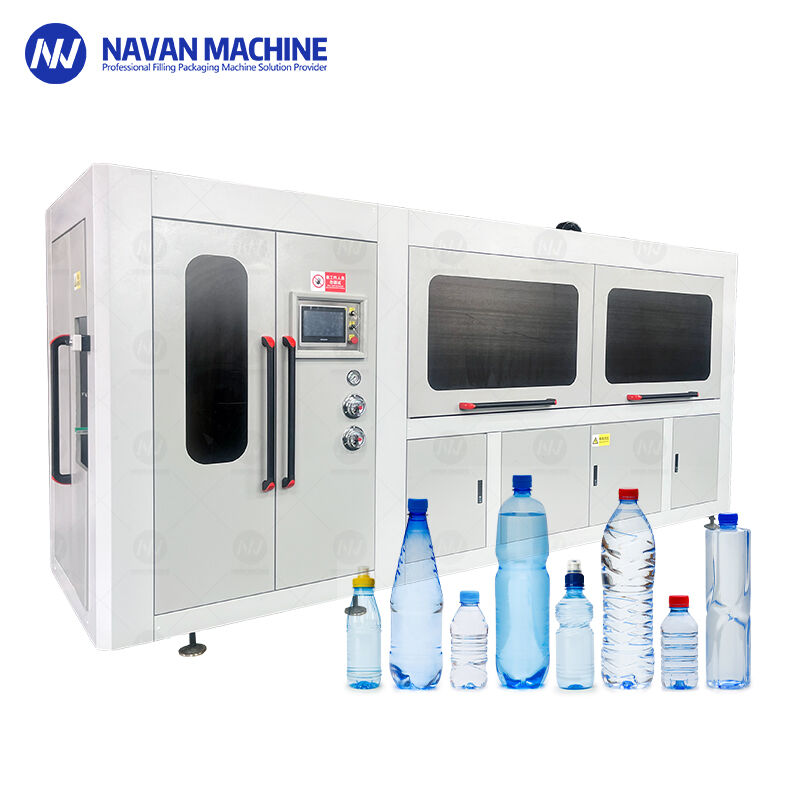
The relationship between temperature, viscosity, and edible oil filling efficiency represents one of the most critical factors in modern food processing operations. Understanding how these variables interact can significantly impact production throughput, product quality, and overall manufacturing costs. When oils are heated or cooled, their viscosity changes dramatically, directly affecting flow rates through filling equipment and ultimately determining the speed and accuracy of the bottling process.
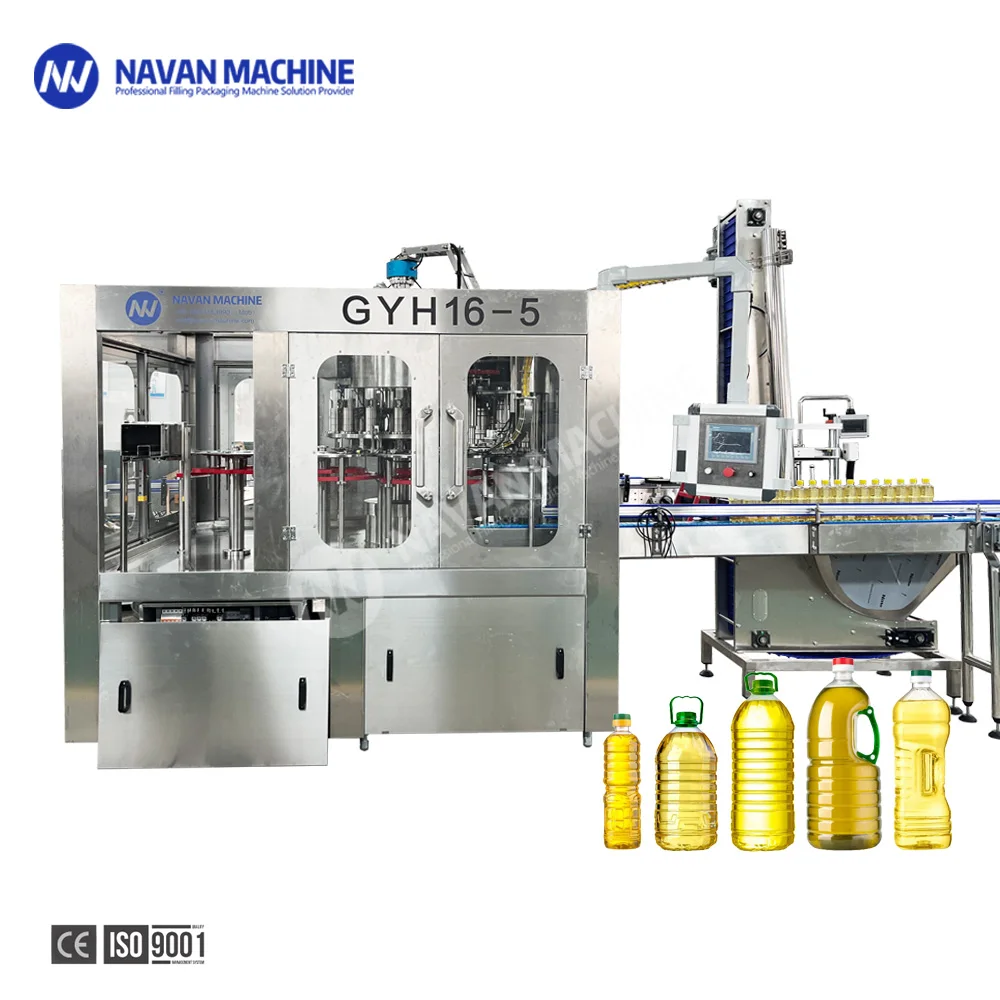
Industrial filling operations must carefully balance temperature control with viscosity management to achieve optimal production rates. The physics behind fluid dynamics in commercial filling systems reveals that even small temperature variations can create substantial differences in processing efficiency. This comprehensive analysis explores the scientific principles governing oil viscosity, practical temperature management strategies, and their combined impact on filling line performance.
Understanding Oil Viscosity Fundamentals
Physical Properties of Edible Oils
Viscosity measures a fluid's resistance to flow and deformation, with edible oils exhibiting unique viscosity characteristics that vary significantly based on their molecular composition. Different oil types, from coconut and palm oil to sunflower and canola varieties, demonstrate distinct viscosity profiles that directly influence their behavior in filling equipment. The molecular structure of triglycerides, the primary components of edible oils, determines how these substances respond to temperature changes and mechanical stress during the filling process.
The kinematic viscosity of common edible oils ranges from 20 to 80 centistokes at room temperature, with heavier oils like olive oil typically exhibiting higher viscosity values compared to lighter alternatives like sunflower oil. Understanding these baseline measurements helps operators predict how specific oil types will perform under various processing conditions and adjust equipment parameters accordingly.
Temperature-Viscosity Relationship
The inverse relationship between temperature and viscosity forms the foundation of effective oil processing strategies. As temperature increases, molecular motion accelerates, reducing intermolecular forces and allowing oils to flow more freely through filling systems. This relationship follows an exponential curve, meaning small temperature increases can produce disproportionately large improvements in flow characteristics.
Most edible oils experience a 50-70% reduction in viscosity when heated from 20°C to 40°C, translating directly into faster filling speeds and improved production throughput. However, excessive heating can compromise oil quality, create safety hazards, and increase energy costs, making precise temperature control essential for optimal operations.
Temperature Control Strategies
Optimal Temperature Ranges
Determining the ideal operating temperature requires balancing multiple factors including oil type, ambient conditions, equipment capabilities, and quality preservation requirements. Most commercial edible oil filling operations maintain product temperatures between 35°C and 45°C to achieve optimal edible oil filling efficiency while preserving nutritional integrity and flavor profiles.
Temperature uniformity throughout the filling system proves equally important as absolute temperature values. Variations of more than 3°C between different points in the system can create inconsistent fill volumes, equipment wear, and quality control issues that ultimately reduce overall production efficiency.
Heating and Cooling Systems
Modern filling facilities employ sophisticated thermal management systems including jacketed storage tanks, inline heat exchangers, and temperature-controlled transfer lines to maintain optimal oil conditions. Steam heating provides rapid temperature elevation for high-volume operations, while electric heating elements offer precise control for smaller batch processes. Some facilities utilize recirculation systems that continuously cycle oil through heating zones, ensuring consistent temperature distribution.
Cooling systems become particularly important in hot climates or facilities with elevated ambient temperatures. Chilled water circuits, refrigeration units, and evaporative cooling systems help maintain target temperatures while preventing thermal degradation of sensitive oil compounds.
Impact on Filling Equipment Performance
Flow Rate Optimization
The direct correlation between oil viscosity and filling speed makes temperature management a critical factor in production planning and equipment sizing. Lower viscosity oils flow through nozzles, valves, and distribution systems more rapidly, reducing cycle times and increasing hourly production rates. Facilities processing multiple oil types often implement dynamic temperature adjustment protocols to optimize throughput for each product variant.
Volumetric filling systems particularly benefit from viscosity optimization, as reduced fluid resistance allows pumps and metering devices to operate more efficiently. This improved efficiency translates into lower energy consumption, reduced mechanical stress on equipment components, and extended service intervals for maintenance-sensitive parts.
Accuracy and Consistency
Maintaining consistent oil viscosity through temperature control directly impacts fill weight accuracy and reduces product giveaway. Variable viscosity creates unpredictable flow patterns that can cause overfilling or underfilling, leading to regulatory compliance issues and increased material costs. Advanced filling systems incorporate real-time viscosity monitoring and automatic temperature adjustment to maintain tight fill tolerances regardless of ambient conditions or production variations.
The relationship between viscosity and filling accuracy becomes particularly pronounced in high-speed operations where brief timing variations can create significant volume differences. Temperature-controlled systems help eliminate these variations by ensuring predictable flow characteristics throughout production runs.
Energy Efficiency Considerations
Heating Costs vs. Production Benefits
While heating oils to reduce viscosity improves filling efficiency, operators must carefully evaluate energy costs against productivity gains to optimize overall profitability. The economic benefits of increased throughput often justify moderate heating expenses, particularly in high-volume operations where small efficiency improvements generate substantial cost savings over time.
Energy-efficient heating systems, including heat recovery units and insulated transfer lines, help minimize operational costs while maintaining optimal processing temperatures. Some facilities implement variable heating strategies that adjust temperature based on production schedules, reducing energy consumption during low-demand periods while maintaining readiness for peak production times.
System Integration
Integrating temperature control systems with overall facility energy management creates opportunities for additional cost savings and efficiency improvements. Heat exchangers can capture waste heat from other processes, while thermal storage systems allow facilities to take advantage of off-peak energy rates for heating operations.
Modern control systems enable predictive heating that anticipates production requirements and preemptively adjusts oil temperatures, reducing startup times and improving overall system responsiveness. This integration approach maximizes both energy efficiency and production flexibility.
Quality Control and Safety Considerations
Thermal Degradation Prevention
Excessive heating can compromise oil quality through oxidation, polymerization, and breakdown of beneficial compounds. Maintaining temperatures within safe ranges preserves nutritional value, flavor profiles, and shelf life while still achieving desired viscosity reductions. Most quality standards specify maximum processing temperatures that balance efficiency gains with product integrity requirements.
Monitoring systems that track temperature exposure time help prevent thermal damage by limiting how long oils remain at elevated temperatures. Rapid cooling capabilities allow facilities to quickly reduce temperatures after filling operations, minimizing thermal stress on sensitive oil components.
Safety Protocol Implementation
Hot oil handling requires comprehensive safety protocols including emergency cooling systems, temperature monitoring alarms, and personnel protection equipment. Automated shutdown procedures activate when temperatures exceed safe operating ranges, protecting both equipment and workers from thermal hazards.
Regular calibration of temperature sensors and thermal safety systems ensures accurate monitoring and reliable protection. Training programs help operators understand proper procedures for handling heated oils and responding to temperature-related emergencies.
FAQ
What is the ideal temperature range for filling different types of edible oils?
Most edible oils achieve optimal filling performance when maintained between 35°C and 45°C. Lighter oils like sunflower and canola may perform well at the lower end of this range, while heavier oils like olive oil often benefit from temperatures closer to 45°C. The specific optimal temperature depends on the oil's natural viscosity, ambient conditions, and equipment specifications.
How does viscosity affect filling accuracy in automated systems?
Higher viscosity oils create more resistance to flow, leading to slower fill rates and potential timing inconsistencies that can affect accuracy. Variable viscosity conditions make it difficult for automated systems to maintain precise fill volumes, often resulting in overfilling to ensure minimum volume requirements are met. Consistent temperature control helps maintain stable viscosity and improve filling accuracy.
Can excessive heating damage the nutritional quality of edible oils?
Yes, excessive heating can cause thermal degradation that breaks down beneficial compounds like vitamins, antioxidants, and essential fatty acids. Temperatures above 60°C for extended periods can also promote oxidation and create off-flavors. Proper temperature control systems help achieve viscosity benefits while preserving oil quality and nutritional value.
What energy-saving strategies work best for oil heating systems?
Effective energy-saving strategies include using insulated storage tanks and transfer lines, implementing heat recovery systems that capture waste heat from other processes, and employing variable heating schedules that adjust temperature based on production needs. Thermal storage systems and heat exchangers can also significantly reduce energy consumption while maintaining optimal processing temperatures.