 EN
EN
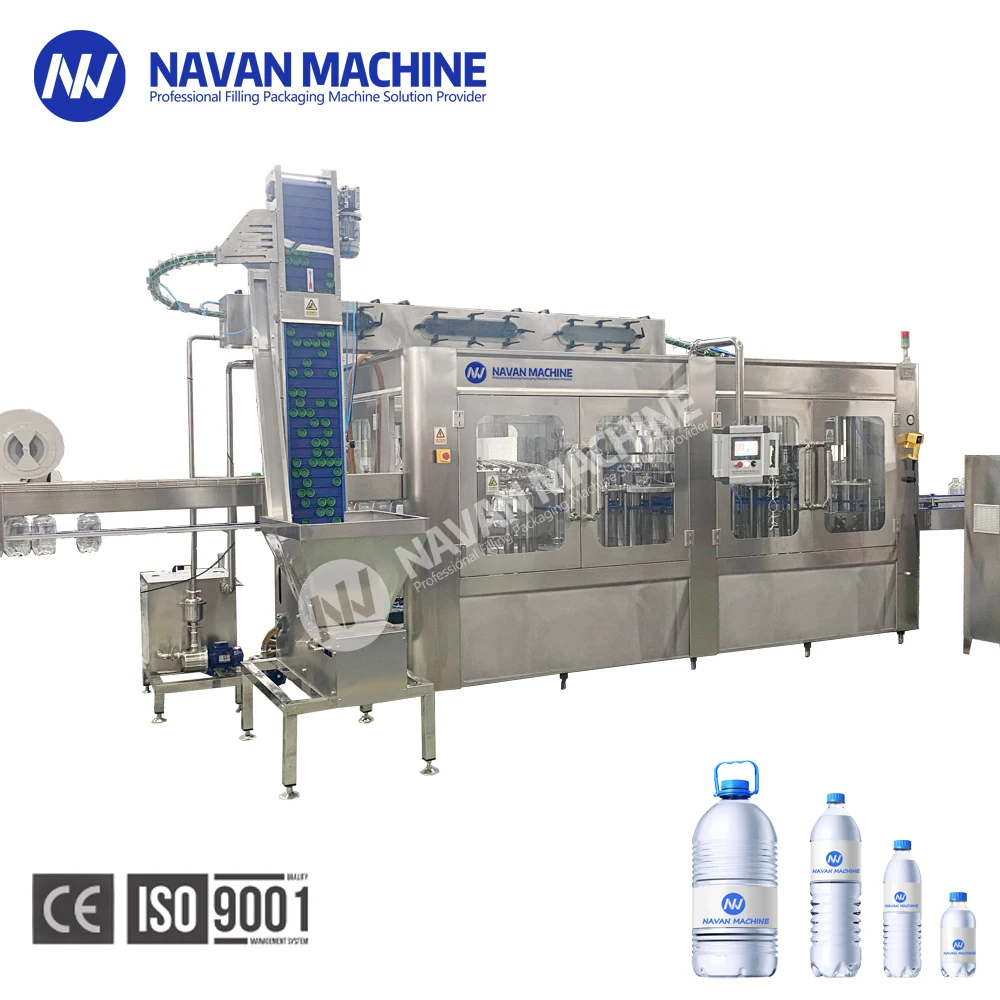
Modern beverage manufacturing demands precision, efficiency, and reliability in every aspect of production. A well-designed water filling line serves as the backbone of any successful bottled water operation, integrating multiple sophisticated components to ensure consistent output quality and optimal throughput. Understanding the intricate components that constitute these systems enables manufacturers to make informed decisions about equipment selection, operational efficiency, and long-term profitability. From initial bottle handling to final packaging, each element plays a crucial role in maintaining product integrity while maximizing production capacity.
Essential Bottle Handling Systems
Automatic Bottle Unscrambling Technology
The journey of every bottle begins with sophisticated unscrambling equipment that transforms chaotic bulk bottle storage into orderly, oriented containers ready for processing. Modern unscrambling systems utilize precision mechanical components, including rotating drums, air jets, and sensor-guided sorting mechanisms to achieve consistent bottle orientation. These systems typically handle production rates ranging from 3,000 to 36,000 bottles per hour, depending on bottle size and line configuration. Advanced models incorporate variable speed controls and automatic jam detection to minimize downtime and ensure continuous operation throughout extended production runs.
Integration with downstream equipment requires precise timing and positioning accuracy, achieved through servo-controlled conveyance systems and photosensor feedback loops. Quality unscrambling equipment reduces bottle damage rates to less than 0.1% while maintaining consistent feed rates that match filling station capacity. The mechanical design must accommodate various bottle shapes and sizes, from standard 500ml containers to large 5-gallon formats, ensuring versatility across different product lines and market segments.
Conveyor Integration and Speed Control
Sophisticated conveyor systems form the circulatory network of any high-performance water filling line, managing bottle flow between processing stations with precision timing and minimal handling stress. Stainless steel construction with food-grade materials ensures compliance with sanitation standards while providing durability under continuous operation conditions. Variable frequency drives enable precise speed matching between different line sections, preventing bottle accumulation or gaps that could disrupt production rhythm.
Modern conveyor designs incorporate modular sections that facilitate maintenance access and allow for future line expansion or reconfiguration. Anti-static treatments and proper grounding prevent electrostatic buildup that could interfere with electronic sensors or create safety hazards. Strategic placement of guide rails, bottle grippers, and pressure-sensitive controls ensures smooth transitions around curves and elevation changes while maintaining bottle stability throughout the entire production process.
Water Treatment and Preparation Infrastructure
Multi-Stage Filtration Systems
Comprehensive water treatment begins with robust filtration infrastructure designed to remove physical contaminants, chemical impurities, and microbiological threats from source water supplies. Multi-stage filtration typically incorporates sand filters, activated carbon beds, and precision membrane systems to achieve consistent water quality that meets or exceeds regulatory standards. Each filtration stage targets specific contaminant categories, with sand filters removing larger particulates, carbon systems addressing chlorine and organic compounds, and reverse osmosis membranes eliminating dissolved minerals and microorganisms.
System monitoring includes continuous measurement of turbidity, conductivity, pH levels, and flow rates to ensure optimal performance and early detection of filter degradation. Automated backwashing cycles maintain filter efficiency while minimizing water waste and operational interruptions. Strategic redundancy in critical filtration stages provides backup capacity during maintenance periods and ensures uninterrupted production capability even when individual components require service or replacement.
Sterilization and Quality Assurance
Advanced sterilization systems eliminate pathogenic microorganisms while preserving beneficial mineral content and natural taste characteristics of processed water. Ultraviolet sterilization chambers utilize high-intensity UV lamps operating at germicidal wavelengths to achieve log-reduction targets for bacteria, viruses, and other microbiological contaminants. Ozone generation systems provide additional antimicrobial action while serving as a powerful oxidizing agent that breaks down organic compounds and eliminates taste and odor issues.
Quality monitoring equipment includes online conductivity meters, pH sensors, and microbiological sampling ports that enable continuous assessment of water quality parameters. Automated dosing systems can inject precise quantities of minerals or other additives to achieve desired taste profiles or nutritional enhancement. Documentation and traceability systems record all quality parameters and processing conditions to support regulatory compliance and facilitate rapid response to any quality issues that might arise during production.
Precision Filling Technology
Rotary Filling Valve Systems
High-speed rotary filling equipment represents the technological heart of any efficient water filling line, delivering precise volume control and consistent fill levels across thousands of bottles per hour. Modern filling valves utilize electronic flow meters and servo-controlled valve actuation to achieve fill accuracy within ±1ml tolerance, even at production speeds exceeding 1,000 bottles per minute. Sanitary design features include CIP-compatible valve construction, drainability for complete cleaning, and food-grade materials throughout all product contact surfaces.
Pressure and vacuum filling technologies accommodate different bottle materials and shapes while preventing foaming and maintaining product carbonation levels where applicable. Advanced control systems monitor filling parameters in real-time, automatically adjusting valve timing and flow rates to compensate for variations in bottle dimensions or line speed changes. Integration with upstream bottle inspection systems enables rejection of defective containers before they reach filling stations, preventing contamination and maintaining overall product quality standards.
Level Detection and Volume Control
Sophisticated level detection systems ensure consistent fill volumes while accommodating natural variations in bottle dimensions and operating conditions. Optical sensors, ultrasonic devices, and load cell technologies provide multiple verification methods for confirming proper fill levels before bottles proceed to capping stations. Statistical process control algorithms analyze fill data trends to identify systematic variations and trigger automatic adjustments to maintain optimal performance.
Overfill and underfill rejection systems automatically remove non-conforming bottles from the production line, directing them to recovery stations where product can be reclaimed and bottles cleaned for reprocessing. Digital displays and data logging capabilities enable operators to monitor filling performance trends and implement preventive maintenance schedules based on actual equipment utilization rather than arbitrary time intervals. Integration with plant-wide manufacturing execution systems provides real-time production data for scheduling and inventory management purposes.
Capping and Sealing Operations
Automatic Capping Mechanisms
Precision capping equipment applies closures with consistent torque specifications to ensure product freshness and tamper evidence while preventing over-tightening that could damage bottle threads or cause closure deformation. Rotary capping systems utilize multiple spindle heads with individual torque monitoring to accommodate production rates matching filling line capacity. Cap sorting and orientation systems automatically position closures for proper application, including detection and correction of reversed or damaged caps before they reach bottles.
Advanced capping technology incorporates servo-controlled clutch mechanisms that provide precise torque application across varying bottle and cap dimensions. Magnetic clutch systems enable rapid torque adjustment without mechanical modifications, supporting quick changeovers between different product configurations. Quality monitoring includes continuous measurement of applied torque values, cap presence verification, and thread engagement confirmation to ensure every bottle meets sealing specifications before proceeding to downstream operations.
Seal Integrity Testing
Comprehensive seal integrity verification systems protect product quality and brand reputation by detecting compromised closures before products leave manufacturing facilities. Vacuum decay testing applies controlled negative pressure to sealed bottles while monitoring for pressure changes that indicate leakage pathways. High-speed testing equipment can evaluate seal integrity at production line speeds, automatically rejecting defective packages without disrupting overall throughput.
Alternative testing methods include helium leak detection for ultra-sensitive applications and pressure hold testing for carbonated products where CO2 retention is critical. Statistical sampling protocols ensure adequate quality coverage while minimizing testing overhead and production delays. Integration with data management systems provides traceability records linking seal test results to specific production batches, enabling rapid identification and isolation of quality issues should they occur in finished products.
Quality Control and Inspection Systems
Vision-Based Inspection Technology
State-of-the-art vision inspection systems utilize high-resolution cameras and advanced image processing algorithms to detect defects in bottles, labels, caps, and fill levels with accuracy exceeding human visual inspection capabilities. Multiple inspection stations positioned throughout the water filling line provide comprehensive quality monitoring at critical control points, including empty bottle inspection, fill level verification, cap placement confirmation, and final package integrity assessment. LED lighting systems optimized for specific inspection tasks ensure consistent illumination conditions regardless of ambient lighting variations.
Machine learning algorithms continuously improve defect detection accuracy by analyzing patterns in rejected products and refining classification criteria based on actual production experience. Configurable rejection criteria enable operators to adjust sensitivity levels for different defect types, balancing quality requirements with production efficiency objectives. Historical trending data identifies systematic quality issues and supports predictive maintenance programs that address equipment problems before they impact product quality or line availability.
Contamination Detection Protocols
Advanced contamination detection systems protect consumer safety and brand integrity by identifying foreign particles, microbiological contamination, and chemical residues that could compromise product quality. Particle counters utilize laser-based optical systems to detect and classify contaminants by size and concentration, providing real-time feedback on filtration system performance and identifying potential sources of contamination within processing equipment.
Rapid microbiological testing equipment enables same-shift detection of bacterial contamination using ATP bioluminescence or other accelerated testing methods. Chemical analysis systems monitor for cleaning chemical residues, heavy metals, and other potentially harmful substances that could enter products through equipment contact or environmental contamination. Automated sampling systems ensure representative testing across production batches while maintaining sterile conditions that prevent false positive results from external contamination sources.
Packaging and Labeling Integration
Label Application Systems
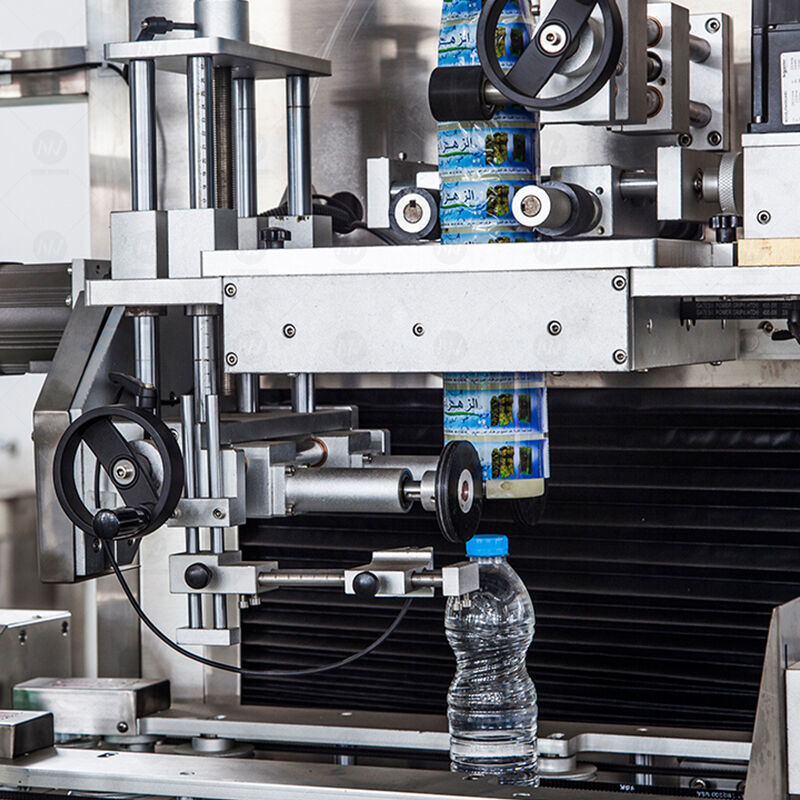
High-precision labeling equipment applies product labels with consistent positioning and adhesion quality while accommodating various bottle shapes and label materials. Rotary labeling systems synchronize label application with bottle movement to achieve precise placement without wrinkles, bubbles, or misalignment. Adhesive application controls regulate glue distribution to ensure adequate bonding strength without excessive adhesive that could cause label bleeding or equipment contamination.
Advanced labeling technology incorporates vision systems that verify label presence, positioning, and print quality before bottles proceed to packaging operations. Variable data printing capabilities enable real-time application of batch codes, expiration dates, and other traceability information directly onto labels during application. Quick-changeover mechanisms support rapid transitions between different label designs and sizes, minimizing downtime during product changeovers and maintaining production flexibility across diverse product portfolios.
Secondary Packaging Automation
Integrated packaging systems organize finished bottles into retail-ready configurations including shrink-wrapped multipacks, corrugated cases, and bulk palletization for distribution efficiency. Case packing equipment utilizes robotic handling systems to arrange bottles in predetermined patterns while protecting package integrity through controlled acceleration and deceleration cycles. Shrink wrapping systems apply protective film barriers that maintain package unity while providing tamper evidence and product visibility for retail presentation.
Palletization systems stack cases in optimized patterns that maximize shipping efficiency while ensuring load stability during transportation and warehousing operations. Automated stretch wrapping applies protective film layers that secure pallet loads and protect products from environmental contamination during distribution. Integration with warehouse management systems enables real-time inventory tracking and facilitates efficient order fulfillment processes that support customer satisfaction and operational profitability.
FAQ
What production capacity should I expect from a modern water filling line
Modern water filling line systems typically achieve production rates ranging from 3,000 to 36,000 bottles per hour, depending on bottle size, line configuration, and level of automation. Smaller operations may utilize semi-automatic systems producing 1,000-5,000 bottles per hour, while large-scale facilities often deploy fully integrated lines capable of exceeding 30,000 units per hour. Production capacity depends heavily on factors including bottle changeover frequency, maintenance requirements, quality control protocols, and downstream packaging limitations.
How much space is required for installing a complete water bottling system
Complete water filling line installations typically require 2,000 to 8,000 square feet of production floor space, depending on production capacity and level of integration with packaging systems. Smaller lines producing under 10,000 bottles per hour may operate in 1,500-3,000 square feet, while high-capacity installations often require 5,000-10,000 square feet to accommodate all processing equipment, quality control systems, and material handling infrastructure. Additional space requirements include raw material storage, finished goods warehousing, utility connections, and maintenance access areas.
What maintenance requirements are typical for water bottling equipment
Routine maintenance for water filling line equipment includes daily cleaning and sanitization protocols, weekly lubrication of mechanical components, monthly calibration of filling valves and sensors, and quarterly replacement of filtration elements and sealing components. Preventive maintenance schedules typically require 4-8 hours of downtime per week for routine servicing, with major overhauls scheduled during planned production breaks every 6-12 months. Proper maintenance programs extend equipment life to 15-20 years while maintaining optimal performance and regulatory compliance throughout the operational period.
What regulatory compliance standards apply to water bottling operations
Water bottling operations must comply with FDA regulations under 21 CFR Part 165 for bottled water standards, including source water quality requirements, processing protocols, and finished product specifications. Additional compliance requirements include HACCP implementation, current Good Manufacturing Practices (cGMP) under 21 CFR Part 117, and state-specific bottled water regulations that may impose additional testing and reporting requirements. International operations must also consider ISO 22000 food safety management standards and regional regulatory frameworks specific to target markets and distribution channels.