 EN
EN
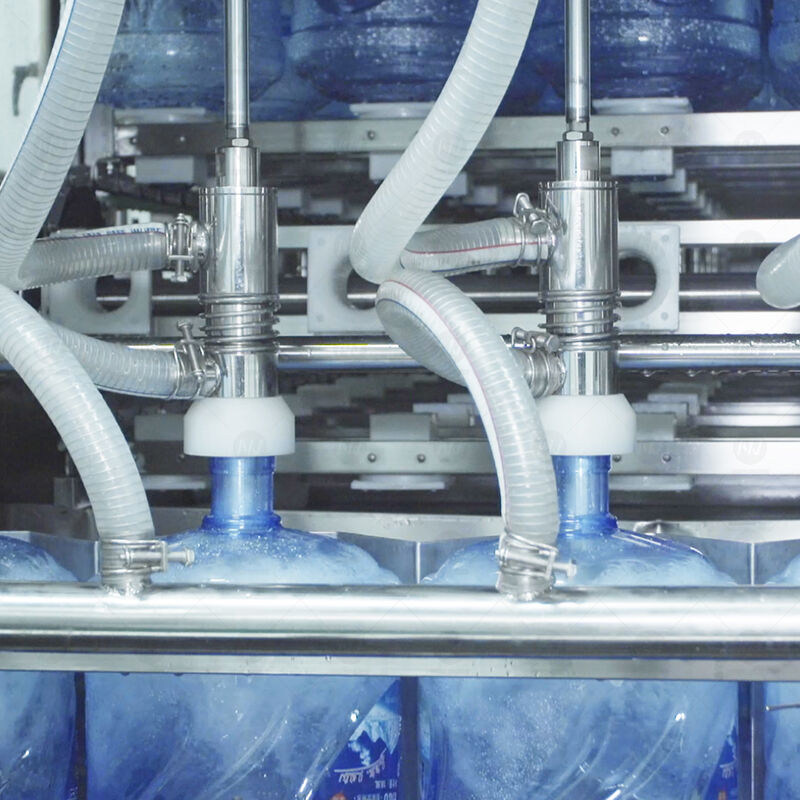
Industrial beverage production relies heavily on efficient and reliable equipment to meet demanding production schedules. A can filling machine represents a significant investment for any manufacturing facility, making its longevity and optimal performance crucial for maintaining profitability. Proper maintenance practices can dramatically extend the operational lifespan of these sophisticated systems while ensuring consistent product quality and minimizing costly downtime.
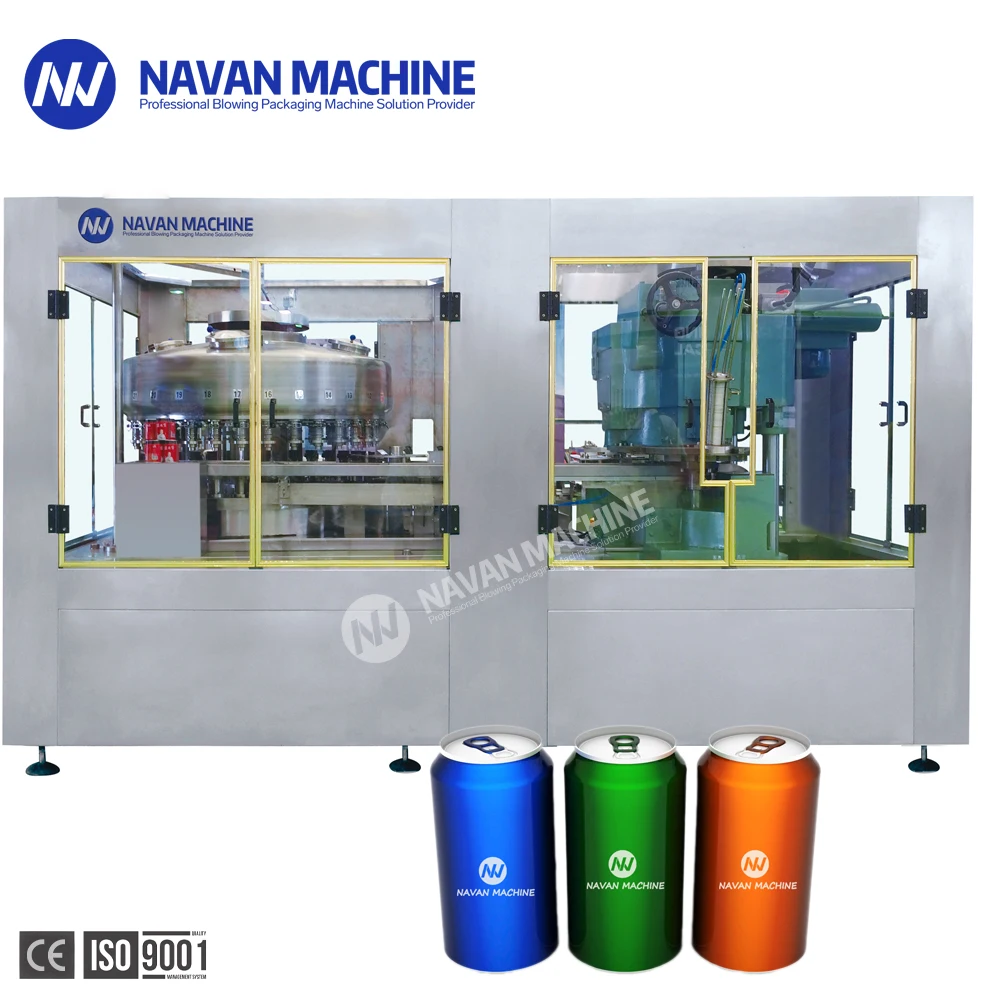
Understanding the mechanical complexity and precision engineering involved in modern filling equipment helps operators appreciate why systematic maintenance approaches yield substantial returns on investment. The integration of advanced sensors, pneumatic systems, and precision valves requires careful attention to detail throughout all maintenance procedures.
Preventive Maintenance Scheduling
Daily Inspection Protocols
Establishing comprehensive daily inspection routines forms the foundation of effective equipment maintenance. Operators should systematically examine all visible components for signs of wear, corrosion, or unusual accumulation of debris. Visual inspections of pneumatic connections, electrical connections, and mechanical linkages help identify potential issues before they escalate into major failures.
Temperature monitoring of critical components provides early warning signs of bearing deterioration or motor inefficiencies. Operators should document any unusual sounds, vibrations, or performance variations during routine production cycles. These observations create valuable data patterns that maintenance teams can analyze to predict component replacement needs.
Checking fluid levels in hydraulic reservoirs and lubricant systems ensures proper component protection throughout extended operating periods. Daily cleaning of product contact surfaces maintains hygiene standards while allowing operators to inspect sealing systems for potential leakage points.
Weekly Maintenance Tasks
Weekly maintenance schedules should include thorough cleaning of all accessible mechanical components using appropriate cleaning solutions and procedures. This deeper cleaning process reveals component conditions that daily inspections might overlook while removing accumulated residues that could interfere with precision operations.
Lubrication point servicing according to manufacturer specifications prevents premature bearing failure and reduces mechanical friction throughout the system. Proper lubrication techniques require understanding of grease types, application quantities, and purging procedures to avoid contamination issues.
Calibration verification of sensors and measurement devices ensures accurate fill volumes and maintains product consistency standards. Regular calibration checks identify drift patterns in electronic components and help maintain regulatory compliance requirements.
Component-Specific Maintenance Strategies
Filling Valve Maintenance
Filling valves represent the most critical precision components in any can filling machine system, requiring specialized attention to maintain accurate dispensing performance. Systematic disassembly and cleaning of valve assemblies removes product residues and allows inspection of sealing surfaces for wear patterns or damage.
Replacement of O-rings and gaskets should follow predetermined schedules based on production volumes rather than waiting for visible deterioration. Proper torque specifications during reassembly ensure optimal sealing performance without over-stressing delicate components.
Testing valve timing and actuation pressure settings verifies proper synchronization with conveyor systems and prevents overfilling or underfilling issues. Documentation of valve performance parameters creates baseline data for future troubleshooting activities.
Conveyor System Care
Conveyor chain lubrication requires regular attention to prevent excessive wear and ensure smooth container transport throughout the filling process. Chain stretch monitoring identifies when replacement becomes necessary before catastrophic failure occurs during production runs.
Guide rail alignment affects container positioning accuracy and influences filling precision throughout the entire system. Periodic adjustment of guide systems compensates for normal wear patterns and maintains optimal container handling performance.
Drive motor maintenance includes regular inspection of coupling systems, bearing conditions, and electrical connections. Vibration analysis of drive components helps predict maintenance needs and prevents unexpected failures during critical production periods.
Cleaning and Sanitization Procedures
Clean-in-Place Systems
Modern filling equipment incorporates sophisticated clean-in-place systems that require careful maintenance to ensure effective cleaning cycles. Regular inspection of spray nozzles prevents clogging issues that could compromise cleaning effectiveness and create contamination risks.
Chemical concentration monitoring ensures proper sanitization while preventing excessive chemical exposure that could damage sensitive system components. Rotation of cleaning chemicals according to manufacturer recommendations prevents the development of resistant bacterial strains.
Temperature and flow rate verification during cleaning cycles confirms adequate coverage of all product contact surfaces. Documentation of cleaning parameters provides audit trail information required for regulatory compliance in food and beverage applications.
Manual Cleaning Requirements
Components requiring manual disassembly for thorough cleaning demand careful attention to reassembly procedures and component orientation. Photographic documentation of disassembly sequences helps ensure proper reconstruction and prevents assembly errors.
Inspection of disassembled components reveals wear patterns and potential replacement needs that automated cleaning systems cannot detect. This detailed examination opportunity allows maintenance teams to plan component replacements during scheduled downtime periods.
Proper storage of cleaned components in designated areas prevents contamination and damage during extended maintenance periods. Clear labeling and organization systems ensure components are available when needed for reassembly activities.
Electrical System Maintenance
Control Panel Servicing
Electrical control systems require regular cleaning and inspection to maintain reliable operation throughout demanding production environments. Dust accumulation on circuit boards and connections can cause intermittent failures and reduced system performance.
Connection tightness verification prevents loose connections that generate heat and create potential fire hazards. Thermal imaging inspections identify overheating components before failures occur and production schedules are disrupted.
Software backup procedures protect against data loss and ensure rapid system recovery after component failures. Regular backup schedules should include all programming parameters and historical production data.
Sensor Calibration and Testing
Sensor accuracy directly affects product quality and production efficiency throughout filling operations. Regular calibration using certified reference standards ensures measurement accuracy and regulatory compliance requirements are maintained.
Environmental factor compensation accounts for temperature and humidity variations that could affect sensor performance over time. Proper calibration procedures include environmental condition documentation to ensure accurate baseline references.
Replacement scheduling for sensors should consider both accuracy drift patterns and environmental exposure factors. Proactive replacement prevents quality issues and reduces the risk of product recalls due to measurement failures.
Troubleshooting Common Issues
Performance Optimization
Systematic analysis of production data helps identify performance trends that indicate developing maintenance needs. Statistical process control techniques reveal when equipment parameters drift outside acceptable ranges and require attention.
Baseline performance documentation provides reference points for evaluating equipment condition and maintenance effectiveness. Regular performance testing under controlled conditions helps separate equipment issues from process variables.
Operator training programs ensure consistent maintenance practices and help identify potential issues during routine operations. Well-trained operators serve as the first line of defense against equipment problems and quality issues.
Emergency Response Procedures
Emergency shutdown procedures protect equipment and personnel when unexpected failures occur during production operations. Clear documentation and regular training ensure all operators understand proper emergency response protocols.
Spare parts inventory management ensures critical components are available for rapid repair activities. Strategic inventory planning balances carrying costs against downtime risks for various component categories.
Vendor support relationships provide access to specialized technical expertise and emergency parts supply capabilities. Regular communication with equipment manufacturers ensures access to updated maintenance recommendations and technical bulletins.
FAQ
How often should filling valve O-rings be replaced in a can filling machine
O-ring replacement frequency depends on production volume and product characteristics, but typically ranges from every 500,000 to 1,000,000 fills. Acidic or carbonated beverages may require more frequent replacement due to accelerated degradation. Regular inspection during routine maintenance helps determine optimal replacement schedules based on actual wear patterns rather than arbitrary time intervals.
What are the most critical lubrication points that affect equipment lifespan
Critical lubrication points include main drive bearings, conveyor chain systems, and filling valve actuators. These components experience continuous operation and high stress loads that make proper lubrication essential for longevity. Using manufacturer-specified lubricants and following recommended application intervals prevents premature failure and maintains warranty coverage.
How can operators identify early warning signs of equipment problems
Early warning signs include unusual sounds, vibrations, temperature increases, and performance variations such as inconsistent fill levels. Operators should document any deviations from normal operation and report them immediately to maintenance personnel. Regular operator training helps develop sensitivity to subtle changes that could indicate developing problems.
What documentation should be maintained for regulatory compliance
Comprehensive maintenance records should include cleaning logs, calibration certificates, component replacement histories, and performance verification data. These documents demonstrate due diligence in equipment maintenance and provide audit trails required by food safety regulations. Digital record-keeping systems improve organization and retrieval capabilities while ensuring long-term preservation of critical information.