
 EN
EN
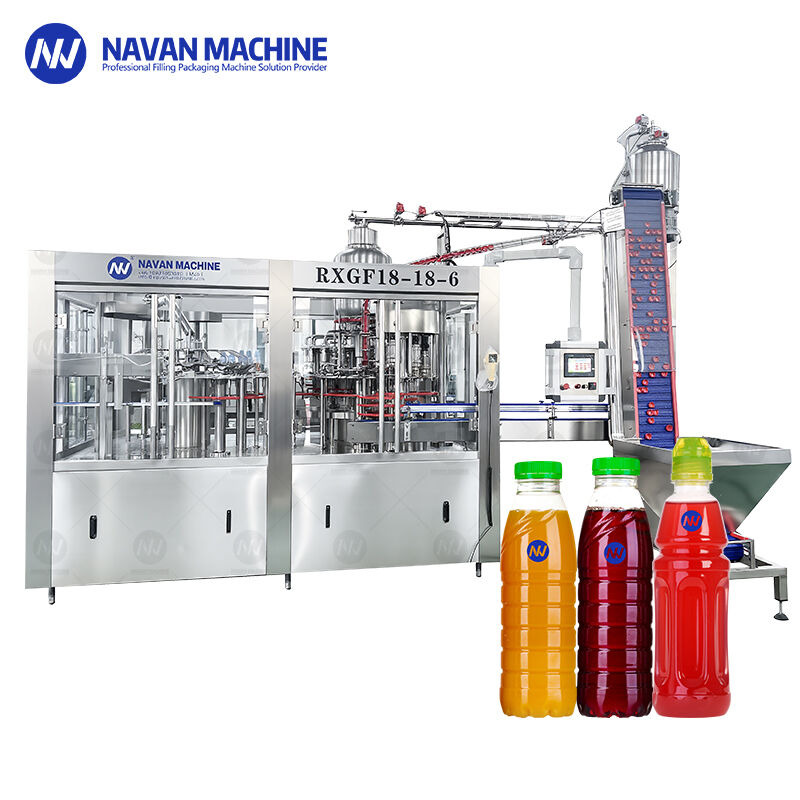
The beverage manufacturing industry has witnessed remarkable technological advancements over the past decade, with hot-fill juice filling machines emerging as the preferred choice for major beverage plants worldwide. This innovative filling technology addresses critical concerns related to product safety, shelf stability, and operational efficiency that traditional cold-fill methods often struggle to achieve. Understanding why beverage manufacturers are increasingly adopting hot-fill technology requires examining the complex interplay between food safety regulations, consumer expectations, and production economics that drive modern juice processing operations.
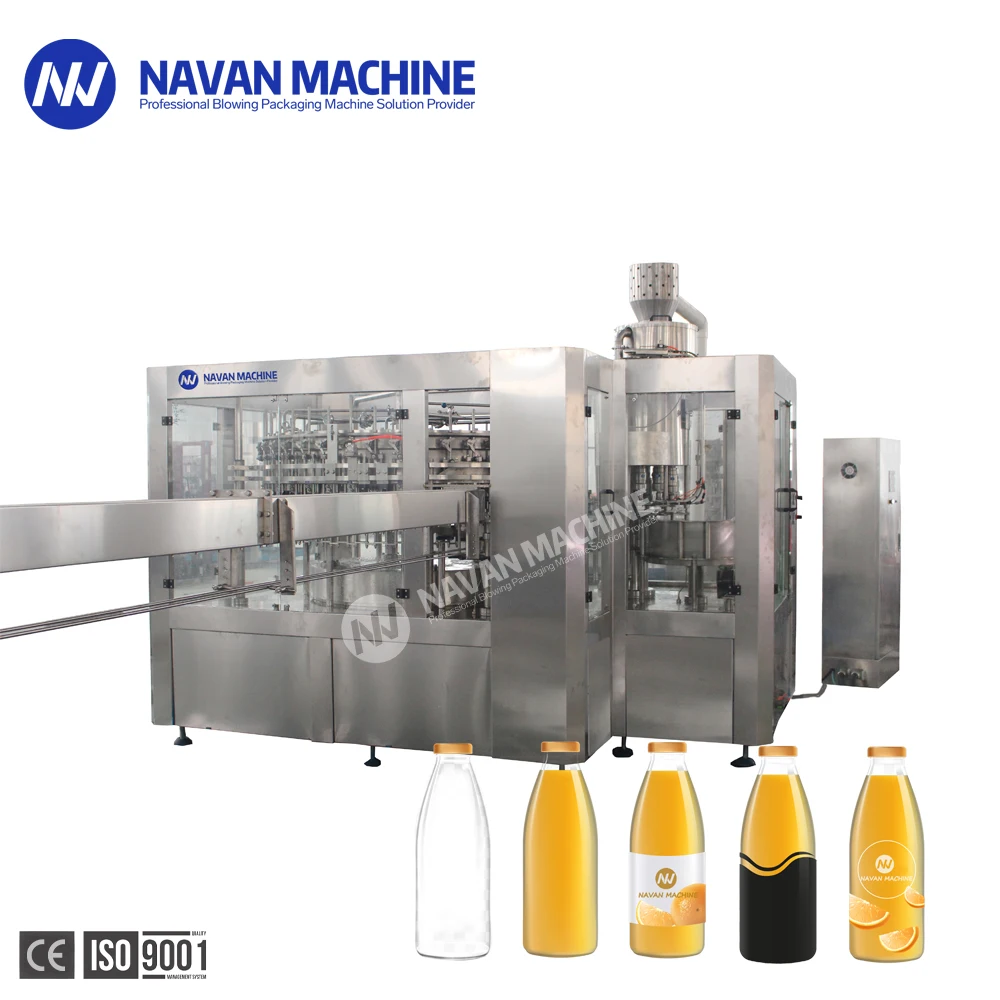
Modern beverage plants face unprecedented pressure to deliver products that maintain nutritional integrity while ensuring extended shelf life without refrigeration. Hot-fill technology represents a sophisticated solution that combines thermal processing with precise filling techniques to achieve these seemingly contradictory objectives. The process involves heating juice products to specific temperatures that eliminate harmful microorganisms while preserving essential vitamins and natural flavors that consumers demand in premium juice products.
Understanding Hot-Fill Technology Fundamentals
Thermal Processing Principles
Hot-fill technology operates on the principle of thermal pasteurization, where juice products are heated to temperatures typically ranging between 185°F to 205°F before being filled into containers. This thermal treatment effectively destroys pathogenic bacteria, yeasts, and molds that could compromise product safety or reduce shelf life. The process requires precise temperature control and timing to ensure adequate microbial reduction while minimizing thermal damage to heat-sensitive nutrients and flavor compounds.
The scientific foundation of hot-fill processing lies in understanding the thermal death kinetics of microorganisms commonly found in fruit juices. Different pathogenic species exhibit varying heat resistance levels, requiring specific time-temperature combinations to achieve the desired level of microbial reduction. This knowledge enables beverage manufacturers to optimize their hot-fill juice filling machines to deliver consistent product safety while maintaining superior sensory characteristics that consumers associate with fresh, natural juice products.
Container Compatibility Requirements
Hot-fill applications demand specialized container designs capable of withstanding elevated temperatures without structural deformation or chemical migration. Glass containers naturally excel in hot-fill applications due to their thermal stability and chemical inertness, but modern plastic packaging has evolved to meet hot-fill requirements through advanced polymer formulations and specialized container geometries that distribute thermal stress effectively.
The container selection process for hot-fill operations involves evaluating multiple factors including thermal expansion coefficients, barrier properties, and structural integrity under thermal cycling conditions. Modern beverage plants often utilize specialized PET containers engineered with enhanced thermal resistance and optimized sidewall geometries that accommodate product expansion during the hot-fill process. These containers feature strategic panel designs and base configurations that provide structural stability while preventing excessive deformation that could compromise package integrity or consumer appeal.
Operational Advantages in Beverage Manufacturing
Enhanced Food Safety Protocols
Food safety represents the paramount concern for beverage manufacturers, and hot-fill technology provides multiple layers of protection against microbial contamination that could pose health risks or trigger costly product recalls. The thermal treatment inherent in hot-fill processing eliminates vegetative bacteria and most heat-resistant pathogens, creating a commercially sterile environment that significantly reduces the risk of foodborne illness associated with juice consumption.
Regulatory compliance becomes more straightforward with hot-fill technology, as the process inherently addresses many FDA and international food safety requirements for acidified food products. The thermal treatment creates a documented kill step that regulatory agencies recognize as effective for pathogen reduction, simplifying the validation process required for HACCP compliance and reducing the administrative burden associated with maintaining food safety certifications.
Extended Shelf Life Benefits
Hot-fill processing dramatically extends product shelf life compared to cold-fill alternatives, enabling beverage manufacturers to reduce inventory turnover costs and expand distribution networks without requiring refrigerated transportation or storage infrastructure. The thermal treatment effectively deactivates spoilage enzymes and eliminates vegetative microorganisms that typically limit the shelf stability of fresh juice products.
The economic implications of extended shelf life extend far beyond simple inventory management considerations. Beverage plants utilizing hot-fill technology can penetrate distant markets that would be economically unfeasible with refrigerated products, while reducing product waste associated with expired inventory. This operational flexibility enables manufacturers to optimize production scheduling, reduce peak capacity requirements, and improve overall supply chain efficiency through better demand forecasting and inventory planning capabilities.
Economic and Production Efficiency Factors
Cost Optimization Strategies
The economics of beverage production heavily favor hot-fill technology due to reduced refrigeration requirements throughout the entire supply chain. Eliminating cold storage and refrigerated transportation costs provides immediate operational savings that often justify the capital investment in specialized hot-fill equipment within the first year of operation. These savings compound over time as energy costs continue to rise and refrigeration infrastructure requires ongoing maintenance and replacement.
Production efficiency gains emerge from the simplified handling and storage requirements associated with shelf-stable products. Hot-fill juice filling machines enable continuous production runs without the constraints imposed by cold storage capacity limitations, while reducing the complexity of warehouse management systems that must track temperature-sensitive inventory. The elimination of cold chain requirements also reduces the risk of temperature excursions that could compromise product quality or safety.
Market Access and Distribution Advantages
Hot-fill technology opens new market opportunities for beverage manufacturers by enabling distribution to retailers and markets lacking adequate refrigerated display capacity. This expanded market access is particularly valuable in developing regions where cold chain infrastructure remains limited, but consumer demand for premium juice products continues to grow rapidly.
The flexibility provided by shelf-stable packaging enables beverage companies to pursue export opportunities that would be prohibitively expensive or logistically challenging with refrigerated products. International shipping costs decrease significantly when refrigerated containers are unnecessary, while customs clearance procedures become less complex without temperature-sensitive cargo requirements. This market expansion potential often represents the primary driver for beverage plants considering investments in hot-fill technology.
Quality Preservation and Nutritional Considerations
Nutrient Retention Optimization
Modern hot-fill processing has evolved to minimize thermal damage to heat-sensitive nutrients through carefully controlled time-temperature profiles and rapid cooling techniques. Advanced process control systems monitor multiple parameters throughout the thermal treatment to ensure adequate microbial reduction while preserving maximum levels of vitamin C, folate, and other thermolabile compounds that contribute to the nutritional value of juice products.
Research has demonstrated that properly executed hot-fill processes can retain higher levels of certain nutrients compared to traditional pasteurization methods that require longer heating times. The rapid heating and cooling cycles typical of modern hot-fill operations minimize the cumulative thermal exposure that causes nutrient degradation, while the hermetic sealing achieved during the hot-fill process prevents oxidative losses that occur during extended storage periods.
Sensory Quality Maintenance
Flavor preservation represents a critical concern for beverage manufacturers, as consumers increasingly demand natural-tasting products that closely approximate fresh juice characteristics. Hot-fill technology addresses this challenge through precise thermal processing that minimizes the development of cooked flavors while achieving the necessary microbial reduction targets required for product safety and shelf stability.
The sealed environment created during hot-fill processing prevents flavor deterioration associated with oxygen exposure and light degradation that commonly affect juice products stored under conventional conditions. This protection extends to volatile aroma compounds that contribute significantly to consumer perception of product freshness and quality. Advanced hot-fill systems often incorporate nitrogen purging or vacuum processing techniques that further enhance flavor retention by minimizing oxidative reactions during processing and storage.
Technological Innovations and Future Trends
Automation and Process Control
Contemporary hot-fill juice filling machines incorporate sophisticated automation systems that monitor and control every aspect of the thermal treatment and filling process with unprecedented precision. These systems utilize advanced sensors, programmable logic controllers, and human-machine interfaces to ensure consistent product quality while minimizing operator intervention and reducing the potential for human error.
Predictive maintenance capabilities integrated into modern hot-fill equipment enable beverage plants to optimize equipment utilization while preventing unexpected downtime that could disrupt production schedules. Machine learning algorithms analyze operational data to identify patterns that precede equipment failures, enabling proactive maintenance scheduling that maximizes equipment availability and reduces total cost of ownership over the equipment lifecycle.
Sustainability and Environmental Impact
Environmental considerations increasingly influence technology selection decisions in beverage manufacturing, and hot-fill technology offers several sustainability advantages compared to alternative processing methods. The elimination of refrigerated storage and transportation significantly reduces energy consumption and associated carbon emissions throughout the product lifecycle.
Packaging optimization opportunities emerge from hot-fill processing, as the thermal sterilization achieved during filling enables the use of lighter-weight containers that maintain adequate barrier properties without requiring additional preservation treatments. This lightweighting reduces raw material consumption and transportation costs while meeting consumer expectations for environmentally responsible packaging solutions.
FAQ
What temperature range is typically used in hot-fill juice processing?
Hot-fill juice processing typically operates within a temperature range of 185°F to 205°F (85°C to 96°C). The specific temperature depends on the juice formulation, pH level, and target shelf life requirements. Higher temperatures provide greater microbial reduction but may increase thermal damage to heat-sensitive nutrients and flavor compounds. Modern hot-fill systems use precise temperature control to optimize the balance between safety and quality preservation.
How does hot-fill technology compare to aseptic processing in terms of product quality?
Hot-fill technology and aseptic processing each offer distinct advantages depending on product requirements and market positioning. Hot-fill processing provides excellent microbial safety with simpler equipment and operational requirements, while aseptic processing can achieve superior nutrient retention through ultra-high temperature treatment with minimal thermal exposure. The choice between technologies often depends on target shelf life, distribution requirements, and capital investment considerations specific to each beverage operation.
What are the main challenges beverage plants face when implementing hot-fill technology?
The primary challenges include initial capital investment for specialized equipment, staff training requirements for thermal processing operations, and container compatibility considerations that may limit packaging options. Additionally, process validation requirements for regulatory compliance can be complex, requiring extensive documentation and testing to demonstrate adequate pathogen reduction while maintaining product quality standards. However, these challenges are typically offset by long-term operational benefits and improved market access.
Can hot-fill technology be used for all types of juice products?
Hot-fill technology works best with acidic juice products (pH below 4.6) such as citrus juices, apple juice, and most fruit juice blends. Low-acid products require additional processing steps or alternative preservation methods to ensure safety. Products containing pulp or particulates may require specialized equipment modifications to ensure uniform heat distribution. The technology is less suitable for products with extremely heat-sensitive ingredients or those requiring refrigerated distribution for other quality reasons.
Table of Contents
- Understanding Hot-Fill Technology Fundamentals
- Operational Advantages in Beverage Manufacturing
- Economic and Production Efficiency Factors
- Quality Preservation and Nutritional Considerations
- Technological Innovations and Future Trends
-
FAQ
- What temperature range is typically used in hot-fill juice processing?
- How does hot-fill technology compare to aseptic processing in terms of product quality?
- What are the main challenges beverage plants face when implementing hot-fill technology?
- Can hot-fill technology be used for all types of juice products?