 EN
EN
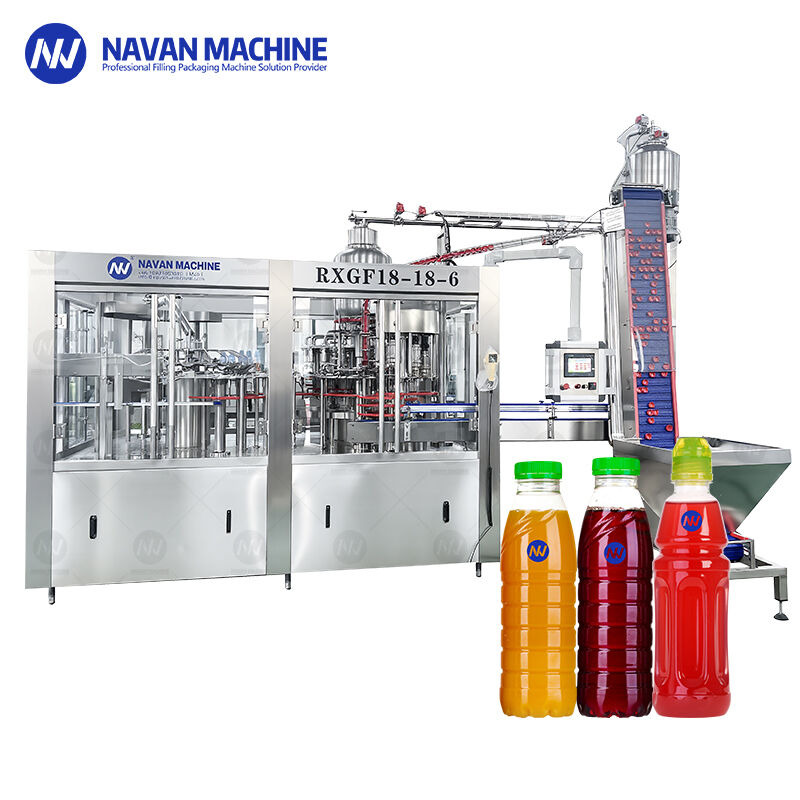
Modern breweries face increasing pressure to deliver consistent quality while meeting growing market demands. The success of any brewery heavily depends on the efficiency and precision of its beer filling production line, which serves as the critical bottleneck between brewing excellence and market distribution. Optimizing both speed and accuracy in these systems requires a comprehensive understanding of equipment capabilities, process variables, and quality control measures that ensure every bottle meets the highest standards while maximizing throughput.
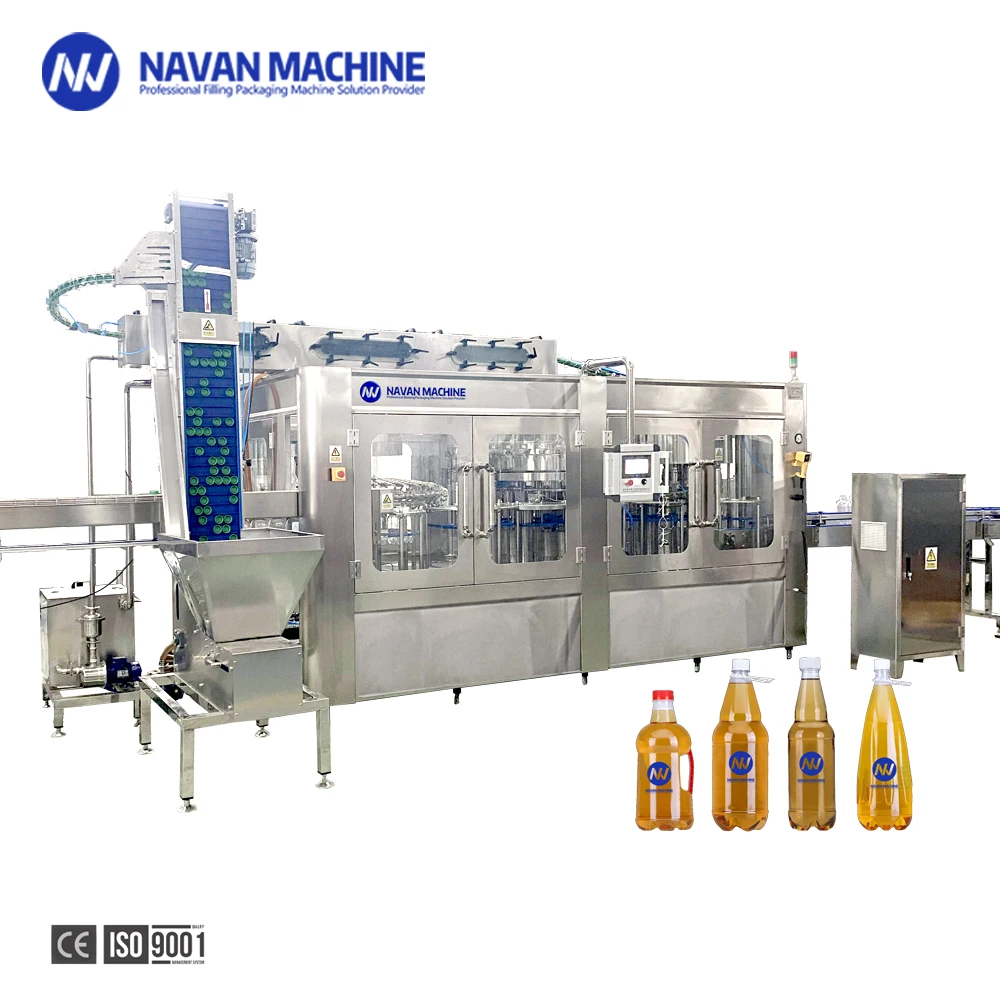
The challenge lies in balancing speed with precision, as increased production rates can potentially compromise filling accuracy, leading to product waste, inconsistent volumes, and customer dissatisfaction. Advanced filling technologies now offer solutions that address both requirements simultaneously, incorporating sophisticated control systems, precision engineering, and real-time monitoring capabilities. Understanding these technologies and implementing proper optimization strategies can significantly improve overall equipment effectiveness while maintaining the quality standards that define premium beer products.
Understanding Modern Beer Filling Technology
Precision Filling Mechanisms
Contemporary filling systems employ multiple precision mechanisms designed to achieve consistent fill levels across thousands of bottles per hour. Volumetric filling systems utilize precisely calibrated chambers that deliver exact liquid volumes, while gravimetric systems rely on weight-based measurements for ultimate accuracy. These mechanisms incorporate advanced valve technologies that provide instantaneous opening and closing capabilities, minimizing spillage and ensuring consistent fill heights regardless of production speed variations.
The integration of servo-driven filling valves represents a significant advancement in precision control, allowing for micro-adjustments in real-time based on bottle variations and liquid characteristics. These systems can compensate for factors such as temperature fluctuations, foam generation, and bottle dimensional tolerances, maintaining accuracy levels typically within ±1ml even at high-speed operations. Advanced filling heads also incorporate anti-foam devices and pressure control systems that prevent excessive foaming while ensuring complete fills without air pockets.
Automated Control Systems
Modern automated control systems form the backbone of efficient beer filling operations, utilizing programmable logic controllers and human-machine interfaces to orchestrate complex filling sequences. These systems continuously monitor critical parameters including fill levels, pressure differentials, temperature variations, and timing sequences, making real-time adjustments to maintain optimal performance. Integration with enterprise resource planning systems enables seamless coordination between production planning, inventory management, and quality assurance protocols.
Machine learning algorithms increasingly enhance these control systems by analyzing historical performance data to predict optimal operating parameters for specific beer types and production conditions. Predictive maintenance capabilities identify potential issues before they impact production, while adaptive control algorithms automatically adjust filling parameters based on environmental conditions and product characteristics. This intelligent automation reduces operator intervention requirements while consistently delivering superior results across extended production runs.
Speed Optimization Strategies
Equipment Configuration and Layout
Optimizing production speed begins with strategic equipment configuration that minimizes bottlenecks and maximizes continuous flow throughout the entire beer filling production line. Proper spacing between filling stations, conveyor speed synchronization, and buffer zone implementation ensures smooth product flow without backup conditions that reduce overall throughput. Advanced systems incorporate variable speed drives that automatically adjust conveyor speeds based on upstream and downstream equipment capabilities, maintaining optimal flow rates throughout production cycles.
Integration of multiple filling heads operating simultaneously requires precise timing coordination to prevent interference and maximize utilization of available equipment capacity. Rotary filling systems offer particular advantages for high-speed operations, allowing continuous bottle feeding while maintaining consistent filling cycles. Strategic placement of quality inspection stations and reject mechanisms ensures defective products are removed without disrupting main production flow, maintaining speed while preserving quality standards.
Process Parameter Optimization
Fine-tuning process parameters represents a critical aspect of speed optimization that requires careful balancing of multiple variables. Pressure differentials between supply tanks and filling heads must be optimized to ensure rapid filling without excessive turbulence that could affect product quality or create foam issues. Temperature control throughout the filling process impacts both filling speed and accuracy, as thermal expansion affects liquid volumes and flow characteristics.
Timing sequence optimization involves coordinating bottle positioning, filling valve operation, and capping mechanisms to minimize cycle times while ensuring complete operations at each station. Advanced systems utilize high-speed cameras and sensors to monitor bottle positions and adjust timing parameters in real-time, accommodating variations in bottle dimensions and conveyor speeds. Pre-pressurization of bottles before filling can significantly reduce filling times while preventing excessive foam formation during high-speed operations.
Accuracy Enhancement Techniques
Quality Control Integration
Maintaining filling accuracy at high speeds requires comprehensive quality control integration throughout the production process. In-line fill level detection systems utilize laser technology, ultrasonic sensors, or weight-based measurements to verify fill accuracy on every bottle without interrupting production flow. These systems can identify underfilled or overfilled containers and automatically reject them while providing feedback to control systems for immediate parameter adjustments.
Statistical process control implementation tracks filling accuracy trends over time, identifying gradual changes that might indicate equipment wear or calibration drift before they significantly impact product quality. Real-time data collection and analysis enable immediate corrective actions when filling parameters deviate from established tolerances, maintaining consistent accuracy throughout extended production runs. Integration with laboratory testing results provides comprehensive quality assurance that extends beyond simple volume measurements to include other critical quality parameters.
Calibration and Maintenance Protocols
Regular calibration and preventive maintenance protocols are essential for maintaining accuracy standards in high-speed filling operations. Precision calibration of filling mechanisms should be performed using certified measurement standards and documented procedures that ensure traceability and compliance with industry regulations. Automated calibration systems can perform routine checks and adjustments without interrupting production schedules, maintaining accuracy while maximizing equipment availability.
Preventive maintenance schedules must address wear components that directly impact filling accuracy, including valve seats, sealing elements, and measurement devices. Condition monitoring systems track equipment performance parameters and predict when maintenance interventions are required, preventing accuracy degradation that could lead to product quality issues. Documentation of all maintenance activities and calibration results provides valuable data for continuous improvement initiatives and regulatory compliance requirements.
Advanced Technology Integration
Sensor Technology and Monitoring
Advanced sensor technology plays a crucial role in optimizing both speed and accuracy through real-time monitoring and control capabilities. High-resolution flow meters provide instantaneous feedback on filling rates and volumes, enabling precise control of filling operations even at maximum production speeds. Pressure sensors throughout the system monitor hydraulic conditions that affect filling performance, while temperature sensors ensure optimal liquid conditions for consistent results.
Vision systems equipped with high-speed cameras can inspect fill levels, detect foam characteristics, and identify bottle defects simultaneously, providing comprehensive quality assurance without impacting production throughput. These systems utilize advanced image processing algorithms that can distinguish between acceptable variations and quality defects, reducing false rejections while maintaining strict quality standards. Integration with machine learning capabilities enables continuous improvement in detection accuracy and adaptability to new product variations.
Data Analytics and Performance Optimization
Comprehensive data analytics platforms collect and analyze performance data from all aspects of the filling operation, identifying optimization opportunities that might not be apparent through traditional monitoring methods. Historical performance analysis reveals patterns and trends that inform decision-making regarding equipment upgrades, process modifications, and operational strategies. Real-time dashboards provide operators with immediate visibility into key performance indicators, enabling proactive management of production efficiency and quality metrics.
Predictive analytics capabilities utilize machine learning algorithms to forecast equipment performance and identify potential issues before they impact production. These systems can recommend optimal operating parameters for specific conditions and predict the impact of proposed changes on overall system performance. Integration with enterprise systems enables comprehensive reporting and analysis that supports continuous improvement initiatives and strategic planning for future capacity expansions.
Troubleshooting Common Challenges
Foam Control and Management
Foam generation represents one of the most significant challenges in high-speed beer filling operations, as excessive foam can lead to underfilling, spillage, and reduced production efficiency. Effective foam control requires understanding the factors that contribute to foam formation, including temperature differentials, pressure variations, and liquid turbulence during filling. Advanced filling systems incorporate multiple foam control mechanisms, including pressure balancing, gentle filling techniques, and anti-foam devices that minimize foam generation without compromising filling speed.
Counter-pressure filling techniques maintain consistent pressure throughout the filling process, preventing sudden pressure drops that can cause excessive foam formation. Specialized filling valves designed with smooth flow paths and controlled opening sequences minimize turbulence while maintaining high throughput rates. Temperature control systems ensure optimal liquid temperature for minimal foam generation while preserving product quality and flavor characteristics throughout the filling process.
Contamination Prevention
Maintaining sanitary conditions throughout high-speed filling operations requires comprehensive contamination prevention protocols that don't compromise production efficiency. Clean-in-place systems enable thorough sanitization of filling equipment without extensive disassembly, reducing downtime while ensuring microbiological safety. Sterile air systems prevent atmospheric contamination during filling operations, while positive pressure environments minimize the risk of airborne contaminants entering the product stream.
Regular monitoring of microbiological conditions throughout the filling environment provides early detection of potential contamination issues before they affect product quality. Automated sampling systems can collect samples for testing without interrupting production flow, while rapid testing methods provide quick results that enable immediate corrective actions when necessary. Documentation of all sanitization activities and test results ensures traceability and regulatory compliance while supporting continuous improvement in contamination prevention protocols.
FAQ
What factors most significantly impact filling accuracy in high-speed beer production lines?
The most critical factors affecting filling accuracy include pressure stability throughout the system, temperature control of the beer, proper calibration of filling mechanisms, and bottle positioning precision. Pressure fluctuations can cause inconsistent fills, while temperature variations affect liquid density and volume. Regular calibration ensures measuring devices maintain accuracy, and precise bottle positioning prevents spillage and ensures consistent fill levels across all containers.
How can breweries balance production speed with quality requirements?
Balancing speed and quality requires implementing advanced control systems that can make real-time adjustments, utilizing in-line quality monitoring equipment, and establishing proper maintenance schedules. Modern filling systems with servo-controlled valves and automated feedback loops can maintain accuracy even at high speeds. Regular preventive maintenance and calibration prevent gradual performance degradation that could compromise either speed or quality over time.
What maintenance practices are essential for optimal filling line performance?
Essential maintenance practices include regular calibration of measuring devices, inspection and replacement of wear components such as valve seats and seals, cleaning and sanitization of all product contact surfaces, and monitoring of control system performance. Predictive maintenance programs that track equipment performance trends can identify potential issues before they cause problems, while documented maintenance procedures ensure consistency and regulatory compliance.
How do modern filling systems handle different beer types and packaging formats?
Advanced filling systems utilize programmable parameters that can be quickly adjusted for different beer types, viscosities, and foam characteristics. Changeover procedures typically involve parameter adjustments rather than mechanical modifications, enabling rapid transitions between products. Flexible conveyor systems and adjustable filling heads accommodate various bottle sizes and shapes, while recipe management systems store optimal parameters for each product type, ensuring consistent results across different beer varieties and packaging formats.
Table of Contents
- Understanding Modern Beer Filling Technology
- Speed Optimization Strategies
- Accuracy Enhancement Techniques
- Advanced Technology Integration
- Troubleshooting Common Challenges
-
FAQ
- What factors most significantly impact filling accuracy in high-speed beer production lines?
- How can breweries balance production speed with quality requirements?
- What maintenance practices are essential for optimal filling line performance?
- How do modern filling systems handle different beer types and packaging formats?