
 EN
EN
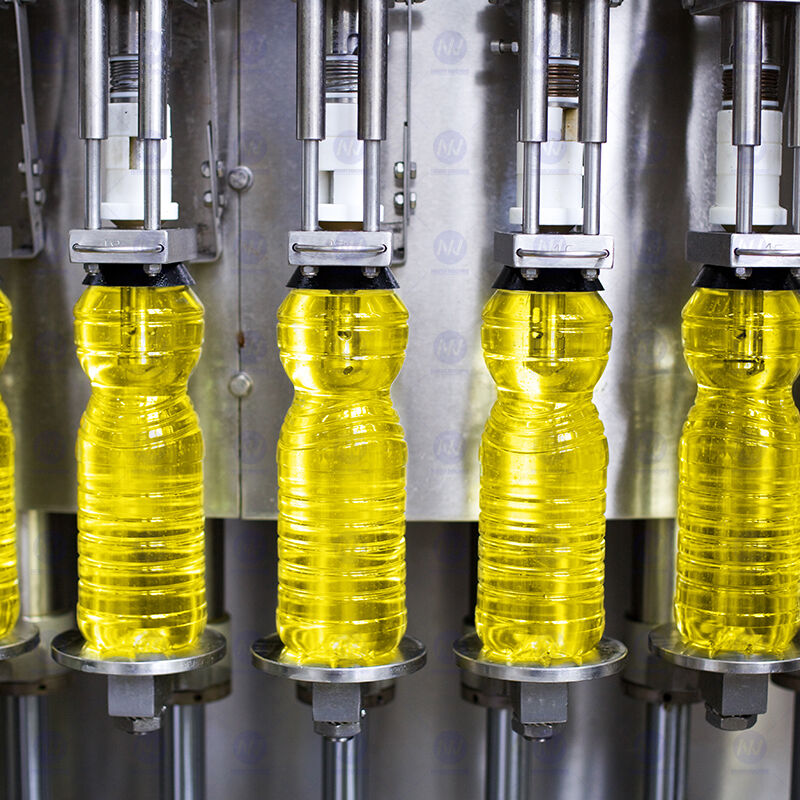
Modern food processing facilities face stringent hygiene requirements that directly impact product safety and consumer trust. When it comes to packaging edible oils, maintaining the highest standards of cleanliness throughout the filling process is crucial for preventing contamination and ensuring product quality. An edible oil filling machine equipped with advanced hygienic design features can significantly reduce contamination risks while maximizing operational efficiency. Understanding these critical design elements helps manufacturers make informed decisions about equipment selection and implementation strategies for their production lines.
Stainless Steel Construction and Surface Treatments
Material Grade Selection for Food Safety
The foundation of any hygienic edible oil filling machine begins with proper material selection. Food-grade stainless steel, particularly 316L grade, offers superior corrosion resistance and non-reactive properties essential for oil processing applications. This material grade contains molybdenum, which enhances resistance to chlorides and acidic environments commonly encountered during cleaning cycles. The molecular structure of 316L stainless steel prevents oil absorption and bacterial adhesion, creating an inherently safer processing environment.
Surface finish quality plays an equally important role in maintaining hygiene standards. Electropolished surfaces with Ra values below 0.8 micrometers provide smooth, non-porous finishes that resist bacterial colonization. These ultra-smooth surfaces facilitate complete cleaning and sanitization, eliminating microscopic crevices where contaminants might accumulate. Advanced surface treatments also reduce friction during operation, minimizing wear patterns that could compromise hygienic integrity over time.
Welding Quality and Joint Design
Professional welding techniques create seamless joints that eliminate potential contamination harboring points throughout the edible oil filling machine structure. Continuous orbital welding produces consistent, smooth weld beads without gaps or undercuts where bacteria could establish colonies. Internal weld surfaces must meet stringent smoothness requirements, often requiring post-weld polishing to achieve food-grade finish standards.
Joint design philosophy emphasizes minimizing dead legs and ensuring complete drainability throughout all fluid pathways. Sloped surfaces and elimination of horizontal ledges prevent oil accumulation during production cycles. Strategic placement of drain points allows for thorough emptying between batches, reducing cross-contamination risks and simplifying cleaning procedures for maintenance personnel.
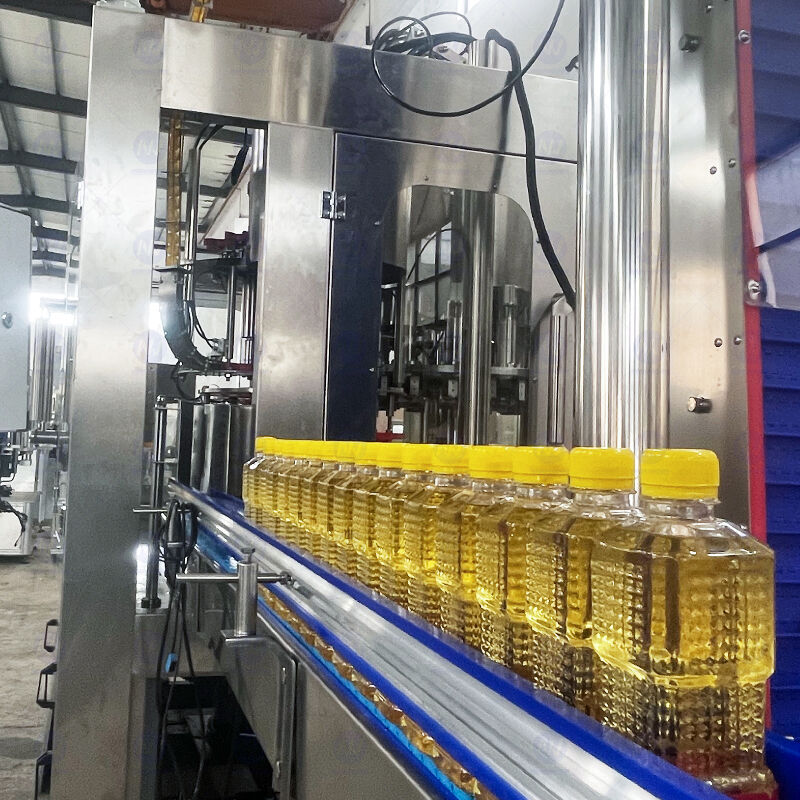
Sanitary Design Principles and Construction Standards
Cleanability and Accessibility Features
Effective cleaning protocols require easy access to all product contact surfaces within the edible oil filling machine assembly. Removable components and swing-out panels provide maintenance personnel with direct access to critical areas without requiring extensive disassembly procedures. Quick-release connections and tool-free removal systems minimize downtime while ensuring thorough cleaning between production runs.
Self-draining design elements prevent liquid accumulation in hard-to-reach areas where contamination might develop. Sloped internal surfaces and strategically positioned drain outlets ensure complete evacuation of cleaning solutions and rinse water. These design features eliminate standing water that could support microbial growth or chemical residue buildup over extended periods.
Seal Technology and Gasket Selection
Advanced sealing systems utilize FDA-approved elastomers specifically formulated for edible oil applications. These specialized gaskets resist oil degradation while maintaining flexibility throughout extended temperature cycling. Proper groove design ensures complete seal compression without creating entrapment areas where contaminants could accumulate during normal operation cycles.
O-ring selection considers both chemical compatibility and temperature resistance requirements specific to various oil types. Fluorocarbon elastomers offer superior chemical resistance for challenging applications, while standard food-grade silicone provides adequate performance for most conventional edible oil processing scenarios. Regular seal replacement schedules maintain optimal sealing performance and prevent age-related deterioration that could compromise system integrity.
Advanced Cleaning Integration Systems
Clean-in-Place Technology Implementation
Modern edible oil filling machine designs incorporate comprehensive Clean-in-Place systems that automate sanitization procedures while ensuring consistent cleaning effectiveness. These systems utilize strategically positioned spray balls and cleaning nozzles to deliver cleaning solutions to all product contact surfaces. Programmable cleaning cycles can be customized for different oil viscosities and contamination levels encountered in various production scenarios.
Temperature control during cleaning cycles optimizes cleaning solution effectiveness while preventing thermal shock to sensitive components. Automated chemical dosing systems maintain precise cleaning agent concentrations throughout the cycle, ensuring adequate soil removal without excessive chemical consumption. Real-time monitoring systems track cleaning parameters and provide documentation for regulatory compliance and quality assurance purposes.
Filtration and Contamination Prevention
Integrated filtration systems remove particulate contamination before oils reach the filling nozzles, protecting product quality and preventing equipment fouling. Multi-stage filtration approaches combine coarse screening with fine filtration to address various contamination sources. Cleanable filter elements reduce operational costs while maintaining consistent filtration performance throughout extended production campaigns.
Positive air pressure systems prevent external contamination infiltration during filling operations. HEPA-filtered air supplies maintain sterile environments around critical filling zones while preventing dust and airborne particles from entering product streams. These environmental control measures complement machine hygiene features to create comprehensive contamination prevention strategies.
Automated Control and Monitoring Features
Process Validation and Documentation
Sophisticated control systems integrated into modern edible oil filling machine designs provide comprehensive process monitoring and validation capabilities. Temperature sensors, pressure transducers, and flow meters continuously monitor critical process parameters that affect product safety and quality. Data logging systems maintain detailed records of all process conditions for regulatory compliance and quality assurance documentation.
Automated alarm systems alert operators to deviations from established process parameters, enabling immediate corrective action before product quality is compromised. Programmable logic controllers coordinate all machine functions while providing interfaces for integration with plant-wide quality management systems. These advanced control capabilities support proactive maintenance strategies and optimize overall equipment effectiveness.
Human-Machine Interface Design
Intuitive operator interfaces minimize human error while providing comprehensive control over all edible oil filling machine functions. Touchscreen displays present process information in easy-to-understand formats that facilitate quick decision-making during normal operations and troubleshooting scenarios. Standardized control layouts reduce training requirements and improve operational consistency across different equipment operators.
Access control features prevent unauthorized parameter modifications that could compromise product safety or equipment performance. Multi-level security systems ensure that only qualified personnel can access critical control functions while providing appropriate monitoring capabilities for all operators. These security measures protect both product integrity and equipment investment while supporting regulatory compliance requirements.
Maintenance Accessibility and Design Optimization
Component Accessibility and Service Features
Strategic component placement within the edible oil filling machine design facilitates routine maintenance procedures while minimizing production downtime. Easily accessible service points allow maintenance technicians to perform routine inspections and component replacements without extensive equipment disassembly. Clear sight glasses and inspection ports enable visual verification of internal conditions during operation and cleaning cycles.
Modular design approaches allow individual component replacement without affecting adjacent systems or requiring complete line shutdown. Quick-disconnect fittings and standardized mounting systems reduce maintenance time while ensuring proper reassembly procedures. These design features support predictive maintenance strategies that maximize equipment availability while maintaining optimal hygienic performance.
Preventive Maintenance Integration
Built-in diagnostic systems monitor component wear patterns and performance degradation to support proactive maintenance scheduling. Vibration sensors, temperature monitoring, and performance trend analysis identify potential issues before they result in equipment failure or contamination risks. Automated maintenance reminders ensure that critical service intervals are not overlooked during busy production periods.
Component standardization reduces spare parts inventory requirements while simplifying maintenance procedures across multiple machines. Common fastener types, seal sizes, and connection methods streamline maintenance operations and reduce the likelihood of assembly errors that could compromise hygienic performance. These standardization efforts support long-term operational efficiency while maintaining stringent safety standards.
FAQ
What cleaning chemicals are safe to use with stainless steel edible oil filling machines?
Food-grade alkaline cleaners and acid sanitizers specifically formulated for stainless steel applications provide effective cleaning without causing corrosion damage. Sodium hydroxide-based alkaline cleaners effectively remove oil residues, while peracetic acid sanitizers provide broad-spectrum antimicrobial activity. Always verify chemical compatibility with equipment manufacturers and follow recommended concentration levels to prevent material degradation.
How often should seals and gaskets be replaced in an edible oil filling machine?
Seal replacement frequency depends on operating conditions, oil types processed, and cleaning chemical exposure. Generally, inspect seals monthly for signs of wear, cracking, or loss of elasticity. Replace seals every 6-12 months in typical operations, or more frequently in high-temperature applications or when processing aggressive oil formulations. Maintain spare seal inventories to minimize downtime during scheduled replacements.
What temperature ranges can hygienic edible oil filling machines typically handle?
Most hygienic edible oil filling machines operate effectively within temperature ranges of 32°F to 200°F, accommodating both cold-pressed oils and heated processing applications. Specialized high-temperature designs can handle oils up to 300°F for specific processing requirements. Temperature control systems maintain optimal viscosity for accurate filling while preventing thermal damage to sensitive components.
How do you validate the effectiveness of cleaning procedures for edible oil filling equipment?
Cleaning validation involves visual inspection, ATP testing for organic residues, and microbiological sampling of product contact surfaces. Establish baseline cleanliness standards and document cleaning procedures that consistently achieve these targets. Regular validation testing ensures cleaning effectiveness while supporting regulatory compliance and quality assurance requirements for food safety programs.
Table of Contents
- Stainless Steel Construction and Surface Treatments
- Sanitary Design Principles and Construction Standards
- Advanced Cleaning Integration Systems
- Automated Control and Monitoring Features
- Maintenance Accessibility and Design Optimization
-
FAQ
- What cleaning chemicals are safe to use with stainless steel edible oil filling machines?
- How often should seals and gaskets be replaced in an edible oil filling machine?
- What temperature ranges can hygienic edible oil filling machines typically handle?
- How do you validate the effectiveness of cleaning procedures for edible oil filling equipment?