 EN
EN
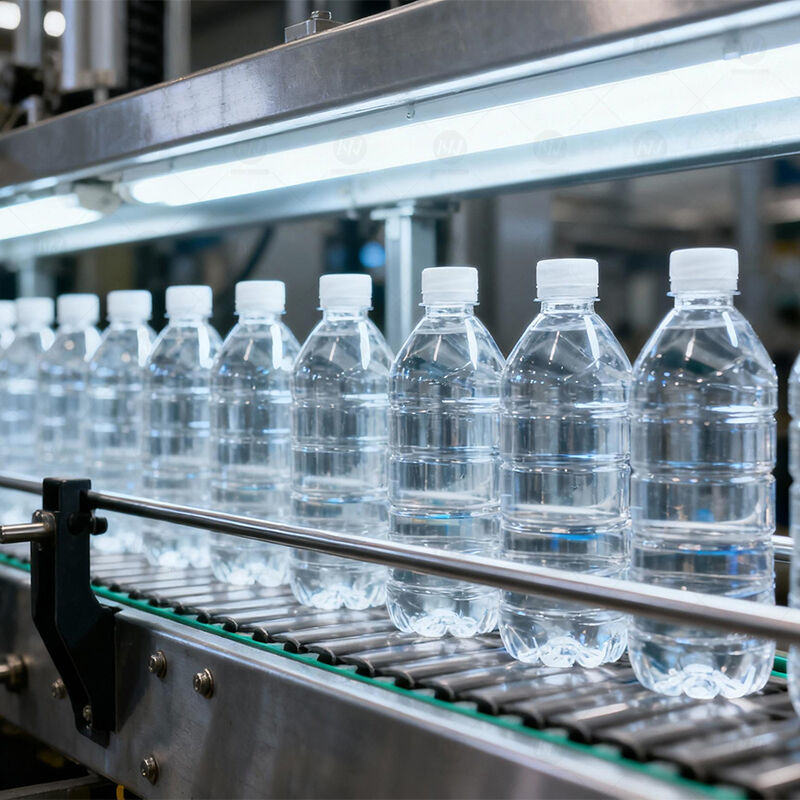
Manufacturing efficiency in beverage production hinges significantly on the optimization of critical equipment systems. A well-configured water filling line serves as the backbone of any bottled water operation, directly impacting production capacity, product quality, and operational costs. Modern facilities face increasing pressure to minimize downtime while simultaneously reducing material waste, making strategic optimization essential for maintaining competitive advantages in today's market landscape.
The complexity of contemporary bottling operations requires comprehensive understanding of interconnected systems, from raw water treatment through final packaging stages. Equipment reliability, process synchronization, and quality control mechanisms must work harmoniously to achieve optimal performance metrics. Successful optimization strategies encompass preventive maintenance protocols, real-time monitoring systems, and continuous improvement methodologies that address both immediate operational needs and long-term sustainability goals.
Industry leaders recognize that systematic approaches to equipment optimization yield measurable returns on investment through reduced material costs, decreased energy consumption, and enhanced production throughput. The following comprehensive analysis explores proven methodologies for maximizing efficiency while maintaining stringent quality standards across all operational parameters.
Preventive Maintenance Strategies for Equipment Longevity
Scheduled Component Inspection Protocols
Establishing rigorous inspection schedules forms the foundation of effective maintenance management in bottling operations. Critical components including filling valves, conveyor systems, and sealing mechanisms require systematic evaluation at predetermined intervals to identify potential failure points before they impact production schedules. Documentation of component wear patterns enables predictive replacement strategies that minimize unexpected equipment failures.
Professional maintenance teams utilize specialized diagnostic tools to assess equipment condition through vibration analysis, thermal imaging, and pressure testing methodologies. These techniques reveal subtle performance degradation that manual inspections might overlook, allowing for proactive interventions that extend component lifecycles significantly.
Comprehensive maintenance logs provide valuable historical data for optimizing replacement intervals and identifying recurring issues that may indicate design limitations or operational stress factors. This information proves invaluable for negotiating improved warranty terms with equipment suppliers and justifying capital investments in upgraded components.
Lubrication Management Systems
Proper lubrication management directly correlates with reduced mechanical wear and extended equipment operational life. Modern water filling line configurations incorporate automated lubrication systems that deliver precise quantities of appropriate lubricants to critical bearing surfaces and moving components according to manufacturer specifications.
Selection of appropriate lubricant grades based on operating temperatures, load characteristics, and environmental conditions ensures optimal protection against premature component failure. Regular lubricant analysis through laboratory testing identifies contamination levels and degradation patterns that inform replacement schedules and potential system modifications.
Implementation of centralized lubrication systems reduces manual intervention requirements while ensuring consistent application intervals across all equipment zones. These systems typically incorporate monitoring capabilities that alert maintenance personnel to pressure variations or flow restrictions that could indicate system malfunctions.
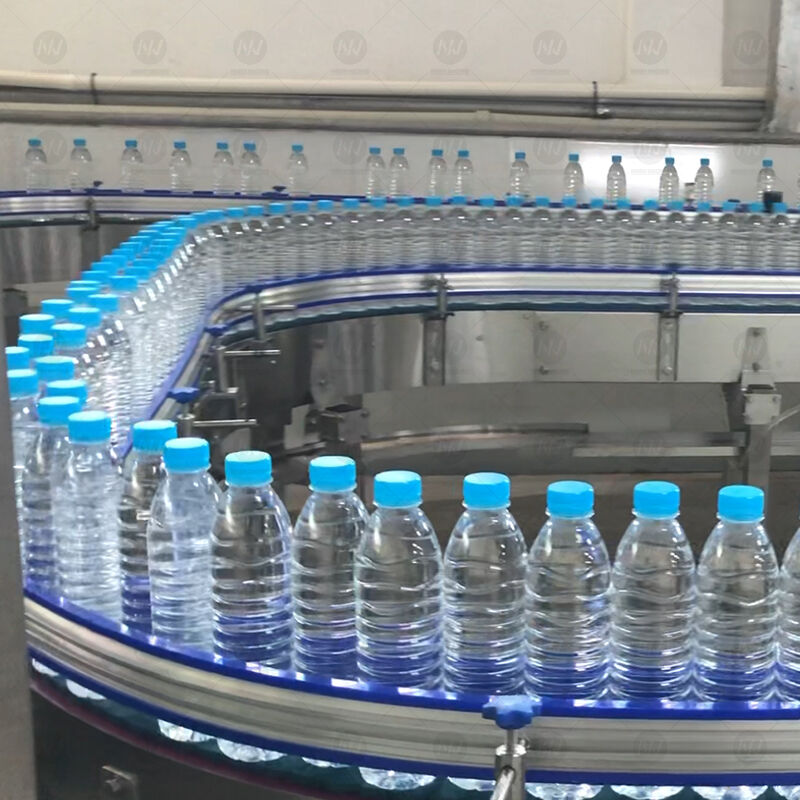
Real-Time Monitoring and Control Systems
Sensor Integration and Data Analytics
Advanced sensor technologies enable continuous monitoring of critical operational parameters including flow rates, pressure levels, temperature variations, and product quality metrics. Integration of these sensors with centralized control systems provides operators with real-time visibility into equipment performance and process stability across the entire production line.
Data analytics platforms process sensor information to identify trends and patterns that indicate developing issues before they result in quality deviations or equipment failures. Machine learning algorithms can predict optimal operating parameters based on historical performance data and current environmental conditions.
Automated alert systems notify maintenance personnel and production supervisors when measured parameters exceed predetermined thresholds, enabling rapid response to potential problems. These notifications can be configured to escalate through management hierarchies based on severity levels and response times.
Process Synchronization and Timing Optimization
Precise synchronization between filling stations, capping mechanisms, and conveyor systems ensures smooth product flow while minimizing opportunities for contamination or damage. Variable frequency drives allow fine-tuning of component speeds to match production requirements and accommodate different container sizes without extensive mechanical adjustments.
Timing optimization protocols account for product viscosity variations, temperature fluctuations, and container dimensional tolerances to maintain consistent fill levels and seal integrity. Servo-controlled positioning systems provide repeatable accuracy that reduces product waste and improves overall equipment effectiveness metrics.
Integration of vision systems enables automatic detection of improperly positioned containers, incomplete fills, or damaged packaging before products reach final inspection stages. These systems can trigger automatic rejection mechanisms that remove defective products without interrupting overall production flow.
Quality Control Integration and Waste Reduction
In-Line Testing and Validation Procedures
Continuous quality monitoring through in-line testing equipment ensures product specifications remain within acceptable parameters throughout production cycles. Automated sampling systems collect representative product samples at regular intervals for analysis of chemical composition, microbiological content, and physical properties without requiring production line stops.
Statistical process control methodologies utilize real-time quality data to identify process variations that could lead to product non-conformance. Control charts and trend analysis help operators distinguish between normal process variation and special causes that require corrective action.
Validation procedures verify that cleaning and sanitization cycles achieve required efficacy levels before resuming production operations. Documentation of validation results provides evidence of regulatory compliance and supports continuous improvement initiatives.
Material Efficiency and Recycling Systems
Optimization of material usage begins with accurate forecasting of production requirements and careful inventory management to minimize waste from expired raw materials. Just-in-time delivery systems reduce storage costs while ensuring fresh ingredients for optimal product quality.
Recovery systems capture and process rinse water, cleaning solutions, and other potentially reusable materials to reduce overall consumption and disposal costs. Treatment systems can prepare recovered water for reuse in non-product contact applications such as equipment cooling or facility cleaning.
Packaging optimization strategies minimize material usage while maintaining product protection and marketing appeal. Right-sizing containers to product volumes reduces material costs and shipping expenses while supporting sustainability initiatives.
Energy Efficiency and Cost Optimization
Power Management and Consumption Analysis
Energy monitoring systems track power consumption patterns across individual equipment components to identify opportunities for efficiency improvements. Load analysis reveals peak demand periods that may qualify for utility demand response programs or time-of-use rate optimization strategies.
Variable speed drive applications allow motor speeds to match actual process requirements rather than operating at fixed maximum speeds regardless of load conditions. This approach typically reduces energy consumption by twenty to thirty percent while extending motor life through reduced mechanical stress.
Power factor correction equipment improves electrical efficiency and may reduce utility charges in facilities with significant inductive loads from motors and lighting systems. Regular power quality analysis identifies harmonic distortion and voltage fluctuations that can damage sensitive electronic components.
Heat Recovery and Thermal Management
Heat exchanger systems capture waste heat from compressors, motors, and other equipment for use in water heating, facility climate control, or process preheating applications. Proper sizing and maintenance of heat recovery systems maximize energy recovery while preventing equipment overheating.
Insulation upgrades on hot water lines, steam systems, and refrigeration equipment reduce energy losses and improve temperature stability throughout the production environment. Thermal imaging surveys identify areas where insulation improvements would provide the greatest energy savings.
Automated temperature control systems maintain optimal operating conditions while minimizing energy consumption through precise regulation of heating and cooling equipment. Setpoint optimization based on production schedules and ambient conditions further reduces energy waste.
Staff Training and Operational Excellence
Technical Competency Development
Comprehensive training programs ensure operators understand equipment capabilities, safety procedures, and optimization techniques necessary for maintaining peak performance levels. Hands-on training with actual production equipment provides practical experience that classroom instruction alone cannot deliver.
Certification programs validate operator competencies and provide career advancement pathways that improve employee retention and job satisfaction. Regular skill assessments identify knowledge gaps that targeted training can address before they impact production quality or safety.
Cross-training initiatives develop versatile team members capable of supporting multiple production lines or equipment types during peak demand periods or personnel shortages. This flexibility improves overall operational resilience and reduces dependency on specialized technicians.
Continuous Improvement Culture
Employee suggestion programs encourage frontline workers to identify improvement opportunities based on their daily interactions with equipment and processes. Implementation of viable suggestions demonstrates management commitment to operational excellence and employee engagement.
Regular performance review meetings analyze key metrics including downtime incidents, quality deviations, and efficiency improvements to identify successful strategies and areas requiring additional attention. These discussions foster collaborative problem-solving approaches that leverage diverse perspectives and experiences.
Documentation of best practices ensures successful optimization techniques are preserved and replicated across similar equipment or production lines. Knowledge management systems facilitate information sharing and prevent loss of institutional knowledge when experienced personnel retire or transfer.
FAQ
What are the most common causes of downtime in water filling operations?
Equipment mechanical failures, cleaning and changeover procedures, and quality control issues represent the primary sources of unplanned downtime in bottling operations. Mechanical failures often result from inadequate preventive maintenance, while extended cleaning cycles may indicate inefficient procedures or equipment design limitations. Quality control stoppages typically occur when process variations exceed acceptable parameters, requiring investigation and corrective action before production can resume.
How frequently should critical components be inspected and replaced?
Inspection frequencies depend on equipment manufacturer recommendations, operating conditions, and historical performance data specific to each facility. Critical wear components such as seals, gaskets, and valve seats typically require monthly inspection with replacement based on measured wear rates. More durable components like motors and gearboxes may operate reliably for years with proper maintenance, but benefit from quarterly detailed inspections to identify developing issues early.
What return on investment can be expected from optimization initiatives?
Well-executed optimization programs typically generate returns of fifteen to twenty-five percent annually through reduced material waste, lower energy consumption, and increased production capacity. Payback periods for monitoring system installations and equipment upgrades usually range from eighteen months to three years, depending on current efficiency levels and improvement potential. Facilities with older equipment or limited automation typically achieve higher returns due to greater improvement opportunities.
How do regulatory requirements impact optimization strategies?
Food safety regulations mandate specific cleaning procedures, material specifications, and documentation requirements that must be integrated into any optimization strategy. Regulatory compliance often drives investments in automated systems that provide better process control and documentation capabilities. While compliance requirements may limit certain optimization approaches, they frequently align with quality improvement objectives and can support justification for equipment upgrades that enhance both efficiency and regulatory performance.