 EN
EN
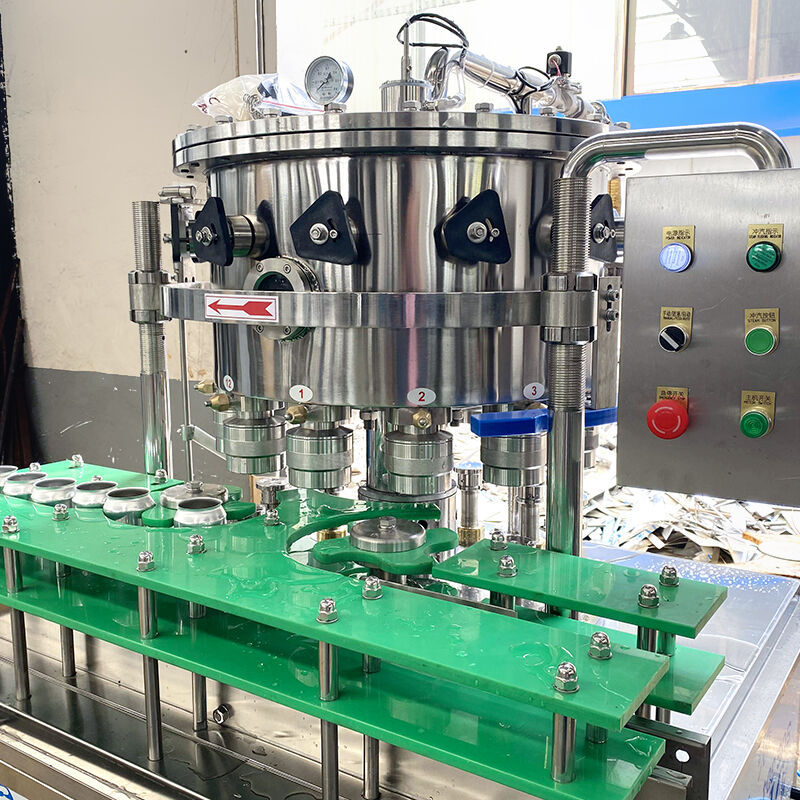
Modern beverage production demands unprecedented levels of precision, efficiency, and reliability to meet consumer expectations and regulatory standards. The beverage industry has witnessed remarkable growth, with global consumption of carbonated soft drinks and craft beer reaching new heights annually. This surge in demand places immense pressure on breweries and soda plants to optimize their production processes while maintaining consistent product quality. Can filling equipment represents a critical investment that can transform operational efficiency and product integrity across the entire manufacturing chain.
The transition from manual or semi-automated filling processes to precision can filling systems offers manufacturers substantial advantages in terms of product consistency, waste reduction, and overall profitability. Understanding the compelling reasons behind this investment helps decision-makers justify capital expenditure while positioning their facilities for long-term success in an increasingly competitive marketplace.
Enhanced Production Efficiency and Speed
Automated Processing Capabilities
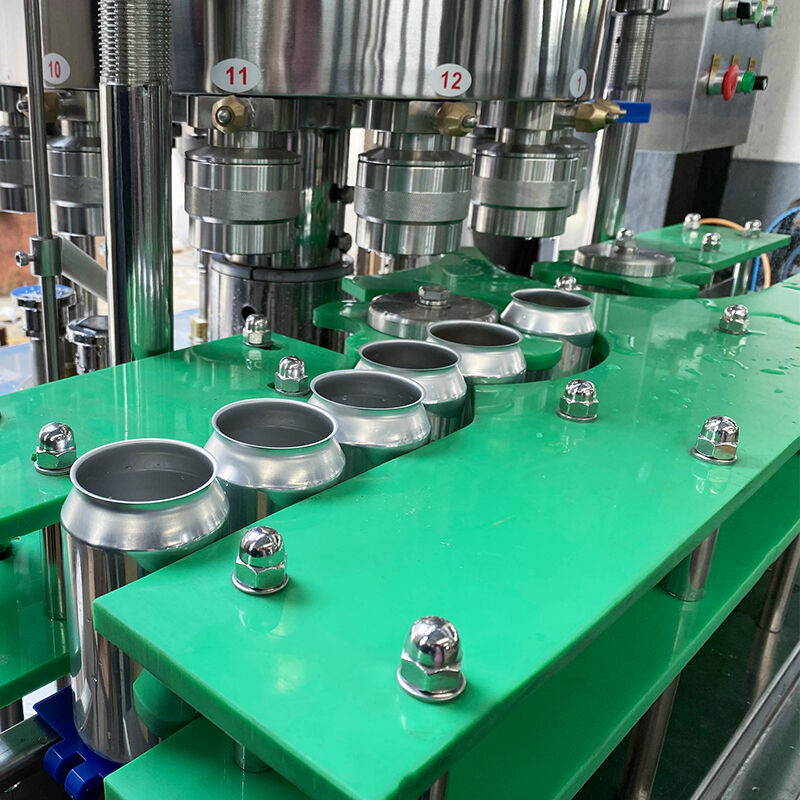
Precision can filling equipment dramatically increases production throughput compared to traditional manual methods. Modern automated systems can process thousands of cans per hour, with high-end models achieving speeds exceeding 2,000 cans per minute. This exponential increase in processing capability allows breweries and soda plants to meet growing market demand while reducing labor costs associated with manual filling operations.
The integration of advanced control systems enables seamless coordination between different production stages, from can feeding and rinsing to filling, capping, and quality inspection. This synchronized approach eliminates bottlenecks that commonly occur in semi-automated facilities, ensuring smooth product flow throughout the entire packaging line.
Reduced Downtime and Maintenance
Contemporary can filling equipment incorporates predictive maintenance technologies and robust engineering design that significantly reduces unplanned downtime. Built-in diagnostic systems continuously monitor critical components, alerting operators to potential issues before they result in production interruptions.
The modular design of modern filling systems allows for quick component replacement and routine maintenance without shutting down entire production lines. This approach maximizes operational uptime while minimizing the impact of scheduled maintenance on overall productivity levels.
Superior Product Quality and Consistency
Precise Volume Control
Precision can filling equipment utilizes advanced measurement technologies, including electronic flow meters and weight-based monitoring systems, to ensure accurate fill volumes within extremely tight tolerances. This level of accuracy is essential for maintaining brand reputation and regulatory compliance, particularly in markets with strict packaging standards.
Consistent fill levels directly impact product presentation and consumer satisfaction. Under-filled containers disappoint customers and may violate labeling regulations, while overfilling results in unnecessary product waste and increased raw material costs. Precision equipment eliminates these variations, delivering uniform product volumes that meet both consumer expectations and regulatory requirements.
Contamination Prevention and Hygiene
Modern can filling systems incorporate comprehensive sanitation features designed to maintain product integrity throughout the filling process. Closed-loop filling mechanisms minimize exposure to environmental contaminants, while automated cleaning-in-place systems ensure thorough sanitization between production runs.
These hygiene protocols are particularly crucial for beverage manufacturers operating under strict food safety regulations. The ability to maintain sterile conditions during high-speed production protects product quality while reducing the risk of costly recalls or regulatory violations.
Cost Reduction and Return on Investment
Material Waste Minimization
Precision can filling equipment significantly reduces product waste through accurate volume control and spillage prevention. Traditional filling methods often result in substantial beverage loss due to inconsistent filling patterns, equipment leaks, and manual handling errors. Advanced filling systems eliminate these sources of waste, translating directly into improved profit margins.
The reduction in material waste extends beyond the primary product to include packaging materials and utilities. Precise filling reduces the need for rework or product disposal, while efficient system design minimizes water and energy consumption during cleaning and operation cycles.
Labor Cost Optimization
Automated can filling systems require significantly fewer operators compared to manual or semi-automated alternatives. This reduction in labor requirements allows manufacturers to reallocate human resources to higher-value activities such as quality control, maintenance, and process optimization.
The skilled labor shortage affecting many manufacturing sectors makes automation particularly attractive for beverage producers. Precision equipment reduces dependence on specialized operators while improving overall workplace safety through reduced manual handling of heavy containers and exposure to potential hazards.
Scalability and Future-Proofing
Flexible Production Capabilities
Modern can filling equipment offers exceptional flexibility in handling various container sizes, product formulations, and production volumes. This adaptability enables manufacturers to respond quickly to market trends, seasonal demand fluctuations, and new product introductions without requiring significant equipment modifications.
The modular nature of contemporary filling systems allows for incremental capacity expansion as business growth demands. Companies can add additional filling heads, upgrade control systems, or integrate new technologies without replacing entire production lines, protecting their initial investment while accommodating future expansion plans.
Technology Integration and Industry 4.0
Precision can filling equipment serves as a foundation for implementing Industry 4.0 technologies, including data analytics, remote monitoring, and predictive maintenance systems. These capabilities provide valuable insights into production efficiency, quality trends, and equipment performance that support continuous improvement initiatives.
Integration with enterprise resource planning systems enables real-time production tracking, inventory management, and quality reporting that enhance overall operational visibility and decision-making capabilities. This technological foundation positions manufacturers to leverage emerging innovations in artificial intelligence and machine learning for further optimization opportunities.
Regulatory Compliance and Quality Assurance
Documentation and Traceability
Precision filling systems provide comprehensive documentation capabilities that support regulatory compliance and quality assurance programs. Automated data collection tracks critical parameters such as fill volumes, processing temperatures, and timing intervals for each production batch.
This detailed documentation enables rapid response to quality issues, facilitates regulatory inspections, and supports product recall procedures when necessary. The ability to demonstrate consistent adherence to established procedures strengthens relationships with regulatory agencies and customers alike.
International Standards Adherence
Modern can filling equipment typically incorporates design features and operational protocols that comply with international food safety and quality standards, including HACCP, FDA, and ISO requirements. This compliance capability is essential for manufacturers serving global markets or considering international expansion.
The built-in compliance features reduce the complexity and cost of maintaining certifications across multiple jurisdictions while ensuring consistent product quality regardless of production location or target market requirements.
FAQ
What factors should be considered when selecting can filling equipment for a brewery or soda plant?
Key factors include production volume requirements, container size flexibility, product characteristics such as carbonation levels, available floor space, integration with existing equipment, and budget constraints. Additionally, consider the supplier's technical support capabilities, spare parts availability, and training programs to ensure long-term operational success.
How long does it typically take to see return on investment from precision can filling equipment?
Return on investment timelines vary depending on production volumes, labor costs, and waste reduction achieved. Most facilities experience payback periods between 18 to 36 months through combined savings in labor costs, material waste reduction, increased throughput, and improved product quality. Higher-volume operations typically achieve faster returns due to greater impact from efficiency improvements.
What maintenance requirements should be expected with modern can filling systems?
Modern systems require regular preventive maintenance including daily cleaning cycles, weekly lubrication schedules, and periodic calibration of measurement systems. Most manufacturers provide comprehensive maintenance programs and training to ensure optimal performance. Predictive maintenance features help minimize unexpected downtime while extending equipment lifespan through proactive care.
Can existing production lines be upgraded with precision filling equipment?
Many existing production lines can accommodate precision filling equipment upgrades, though integration complexity depends on current infrastructure and layout constraints. Professional assessment by equipment suppliers helps determine feasibility and identifies necessary modifications. Modular system designs often enable phased implementation that minimizes production disruption during installation and commissioning phases.
Table of Contents
- Enhanced Production Efficiency and Speed
- Superior Product Quality and Consistency
- Cost Reduction and Return on Investment
- Scalability and Future-Proofing
- Regulatory Compliance and Quality Assurance
-
FAQ
- What factors should be considered when selecting can filling equipment for a brewery or soda plant?
- How long does it typically take to see return on investment from precision can filling equipment?
- What maintenance requirements should be expected with modern can filling systems?
- Can existing production lines be upgraded with precision filling equipment?