 EN
EN
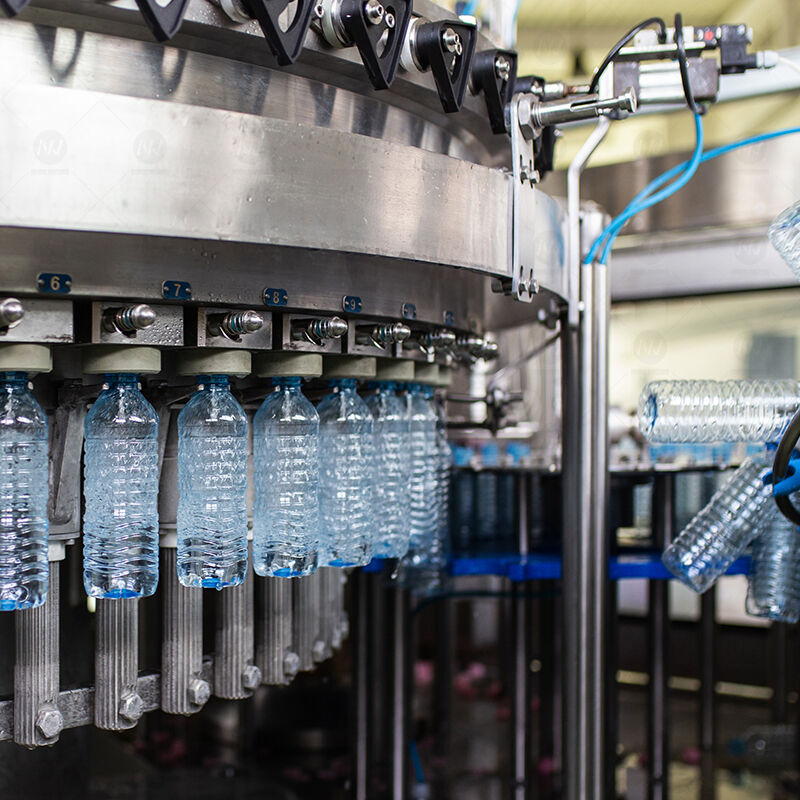
For small and medium businesses entering the plastic packaging industry, finding the right bottle blowing machine at a reasonable price point is one of the most critical investment decisions you will make. The machinery you choose directly determines your production capacity, operational efficiency, product quality, and ultimately your ability to compete in a market dominated by larger players with deeper pockets. Getting this decision right from the start can mean the difference between a profitable operation and one burdened with costly inefficiencies.
The good news is that the market for budget-friendly bottle blowing machine options has expanded significantly in recent years. Modern engineering and smarter manufacturing processes have made it possible for SMBs to access PET and PP bottle production technology that was once exclusively available to large-scale manufacturers. This article walks through the key selection criteria, technical considerations, and practical guidance you need to identify the best budget bottle blowing machine for your specific business size and production goals.
Understanding the Role of a Bottle Blowing Machine in SMB Operations
What a Bottle Blowing Machine Actually Does in Your Production Line
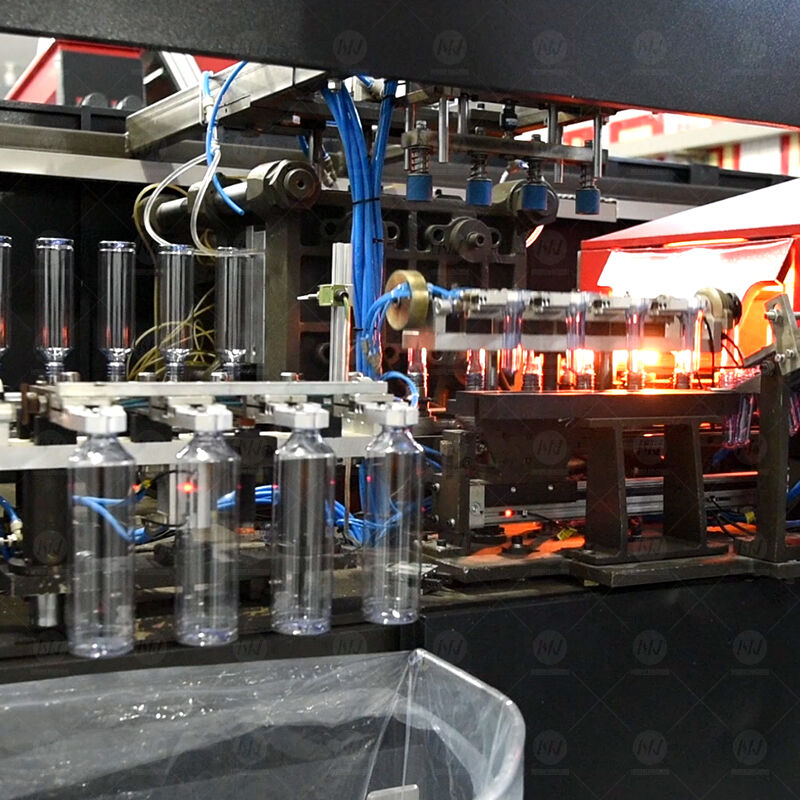
A bottle blowing machine is the piece of equipment responsible for transforming preforms — small, tube-shaped plastic pieces — into fully formed bottles of specific shapes and sizes. The process involves heating the preform to a precise temperature, then using air pressure to expand it inside a mold cavity until it takes on the desired bottle shape. This entire cycle happens rapidly and repeatedly, forming the backbone of any PET or PP bottle production operation.
For small and medium businesses, the bottle blowing machine often represents the central asset around which the entire production workflow is built. Input materials, mold designs, quality control protocols, and downstream packaging lines are all organized around the machine's output capacity and specifications. Understanding this central role helps explain why choosing the right machine model is so consequential, especially when working within a tight budget.
A well-chosen bottle blowing machine allows SMBs to produce bottles for beverages, personal care products, household chemicals, pharmaceutical packaging, and food condiments with consistent wall thickness, dimensional accuracy, and material clarity. The machine's precision and reliability determine whether your finished bottles meet customer and regulatory quality standards consistently over time.
Why Budget Positioning Matters Differently for SMBs Than for Large Enterprises
Large manufacturers can absorb the cost of high-end, multi-cavity bottle blowing machine systems because their production volumes justify the capital expenditure. For small and medium businesses, the calculus is fundamentally different. A budget bottle blowing machine must deliver acceptable quality and reliability without requiring the kind of upfront investment that strains working capital or delays other critical business development activities.
Budget positioning for SMBs also means considering total cost of ownership rather than just the sticker price. A low-cost bottle blowing machine that requires frequent part replacements, consumes excessive electricity, or demands specialized technicians for maintenance will erode its apparent cost advantage quickly. The best budget options are those that balance affordable acquisition cost with manageable ongoing operational expenses.
Additionally, SMBs often need more operational flexibility than large enterprises. A budget bottle blowing machine that allows for mold changeovers without extensive downtime gives smaller operations the ability to serve multiple product lines or clients without investing in separate machines for each bottle type. This versatility amplifies the value of a single well-chosen machine.
Key Technical Specifications to Evaluate When Choosing a Budget Bottle Blowing Machine
Cavity Count and Its Impact on Production Volume for Smaller Operations
One of the first technical decisions when selecting a budget bottle blowing machine is the number of cavities. Single-cavity machines are the most affordable entry point and are well-suited for very small operations or businesses just starting out. Two-cavity machines offer a meaningful step up in output without a proportional increase in cost, making them a popular choice for growing SMBs. Four-cavity and higher configurations begin to cross into mid-range pricing but dramatically increase hourly bottle output.
A bottle blowing machine with two cavities can typically produce between 1,000 and 2,000 bottles per hour depending on the bottle size and machine speed, which is sufficient for many small-volume production contracts. Businesses producing 500ml water bottles or similar common sizes in moderate quantities often find a two-cavity configuration hits the sweet spot between budget and output. As order volumes grow, upgrading to a higher-cavity bottle blowing machine becomes a natural and financially justifiable step.
It is also worth noting that cavity count affects maintenance complexity. More cavities mean more mold components to inspect, clean, and maintain. For businesses with limited technical staff, starting with a lower-cavity bottle blowing machine and scaling up once the team develops operational expertise is a sound strategy that protects both machine longevity and product consistency.
PLC Control Systems and Automation Features in Budget Models
Modern budget bottle blowing machine models increasingly come equipped with PLC (Programmable Logic Controller) systems, which automate critical process parameters such as heating temperature profiles, blowing pressure, cycle timing, and alarm monitoring. PLC integration makes it dramatically easier to maintain consistent bottle quality across long production runs and reduces the skill level required from machine operators, which is a significant advantage for smaller businesses with lean teams.
When evaluating a budget bottle blowing machine, check whether the PLC system allows for parameter storage and recall. This feature means that once your production team has dialed in the correct settings for a specific bottle design, those settings can be saved and reloaded instantly when switching back to that product. The time savings from this capability are substantial, particularly for businesses that run multiple bottle types across the same machine.
SMC pneumatic components are another feature worth looking for in a budget bottle blowing machine. SMC is a recognized standard for pneumatic reliability in industrial machinery, and machines built with SMC components typically demonstrate better valve consistency and longer service intervals compared to those using generic pneumatic parts. This directly affects uptime and reduces emergency maintenance costs over the life of the machine.
Production Capacity Planning for Small and Medium Businesses
Matching Machine Output to Your Current and Near-Future Demand
One of the most common mistakes SMBs make when purchasing a bottle blowing machine is either significantly over-specifying or under-specifying capacity relative to actual demand. Purchasing a machine with far more capacity than current orders require means paying for unused output potential, while under-buying creates bottlenecks that limit revenue growth the moment demand picks up.
A practical approach is to calculate your average monthly bottle requirement, then identify a bottle blowing machine with output capacity that covers that figure with approximately 20 to 30 percent headroom. This buffer accommodates seasonal demand spikes, production inefficiencies during operator learning curves, and some growth without requiring an immediate machine upgrade. Avoid the temptation to buy the smallest possible bottle blowing machine purely to minimize upfront cost if you have credible evidence of near-term demand growth.
For businesses producing 500ml water bottles specifically, production planning should also factor in bottle mold cycle times and energy consumption per cycle. A bottle blowing machine optimized for smaller containers like 500ml bottles will cycle faster than one designed for larger containers, meaning your effective daily output can be higher than the raw cavity count suggests when running appropriately sized molds.
Energy Efficiency as a Hidden Budget Factor
Energy consumption is frequently overlooked when comparing budget bottle blowing machine models, yet it is one of the most significant ongoing operational costs in bottle production. The heating system — which warms preforms before blowing — accounts for the majority of power consumption in any bottle blowing machine. Machines equipped with infrared heating systems with well-calibrated reflector arrangements consume meaningfully less energy than older or poorly engineered alternatives.
When comparing two similarly priced bottle blowing machine options, request the power consumption specifications in kilowatts and calculate the estimated annual electricity cost at your local energy rate. Even a difference of two to three kilowatts in power draw can translate into thousands of dollars in additional electricity expense over the life of the machine. For budget-conscious SMBs, this difference deserves serious attention during the purchasing decision.
Some budget bottle blowing machine models also offer servo motor technology rather than traditional hydraulic systems, which reduces energy consumption further while improving positioning precision and reducing maintenance requirements. While servo-equipped models may carry a slightly higher purchase price, the energy savings and reduced maintenance costs frequently justify the difference within the first two years of operation.
Evaluating Supplier Support and After-Sales Service for Budget Machines
Why After-Sales Support Is Especially Critical for SMB Buyers
For a large manufacturer running multiple production lines, a single bottle blowing machine going offline for two or three days is an inconvenience. For a small or medium business where that machine is the entire production line, the same event can mean missed delivery deadlines, lost customer contracts, and significant revenue disruption. This reality makes after-sales support quality one of the most important — and frequently underweighted — evaluation criteria when choosing a budget bottle blowing machine.
Before committing to any bottle blowing machine purchase, investigate the supplier's response time guarantees for technical support inquiries, their spare parts availability and lead times, and whether they offer remote diagnostic assistance via video or software-based tools. Suppliers that maintain a ready inventory of high-turnover wear parts like heating lamps, solenoid valves, and seals provide meaningfully better operational security than those who must manufacture parts to order.
Training support is equally important. The best budget bottle blowing machine is only as good as the team operating it. Suppliers who offer thorough commissioning support, written operational manuals in accessible language, and accessible technical hotlines help SMBs build internal competency faster. This reduces the long-term dependence on external technicians and contributes to lower total maintenance costs over time.
Mold Compatibility and Future Expansion Flexibility
A budget bottle blowing machine that locks you into proprietary molds or a single bottle format significantly limits your business flexibility. Before purchasing, confirm that the machine accepts standard industry mold dimensions or molds from multiple third-party manufacturers. This flexibility gives your business the freedom to expand your product line by ordering new molds without replacing the entire machine.
Mold changeover time is also worth evaluating. Some budget bottle blowing machine configurations allow mold changes in under 30 minutes with basic tools, while others require specialized equipment and hours of downtime. For SMBs producing multiple SKUs or serving diverse customer requirements, fast mold changeover is a genuine competitive advantage that keeps your operation agile and responsive to market demand.
Finally, consider whether the bottle blowing machine can accommodate anticipated future bottle sizes and shapes as your product range evolves. A machine purchased today to produce 500ml water bottles should ideally have the technical specifications to handle 1-liter or 2-liter formats if your business expands into those segments. This future-proofing perspective helps SMBs extract maximum long-term value from a single capital investment.
Making the Final Purchase Decision: Balancing Cost, Quality, and Business Fit
How to Compare Budget Bottle Blowing Machine Quotes Without Making Price the Only Factor
When you have narrowed down your shortlist of budget bottle blowing machine options, resist the natural impulse to simply choose the lowest-priced option. Instead, build a simple total cost of ownership comparison that includes purchase price, estimated annual energy costs, projected maintenance and spare parts expenditure, and estimated downtime costs based on the supplier's stated reliability metrics. This comparison almost always reveals that the cheapest machine at the point of purchase is not necessarily the most economical over a three-to-five year horizon.
Request references from existing customers using the same bottle blowing machine model, particularly businesses of a similar size and production profile to your own. Actual operational feedback from businesses that have run the machine for one or more years provides far more reliable decision-making input than manufacturer brochures or sales presentations. Focus your questions on actual uptime rates, ease of maintenance, part availability, and the quality of the supplier's technical support responses.
Also consider the availability of factory acceptance testing before shipment. For a bottle blowing machine investment of any size, requesting that the machine be tested and verified at the supplier's facility before dispatch provides important protection against receiving equipment that does not meet specifications. Even for budget purchases, this step is worth negotiating into the purchase agreement.
Practical Steps Before Finalizing Your Bottle Blowing Machine Investment
Before signing any purchase agreement for a bottle blowing machine, confirm that your facility has the correct power supply, compressed air capacity, and floor space to accommodate the machine and its associated safety clearances. Many budget bottle blowing machine installations are delayed or complicated by inadequate site preparation, which adds unexpected costs and delays the start of productive operation.
Verify the warranty terms in detail, specifically what components are covered, for what duration, and what the process is for making a warranty claim. A bottle blowing machine warranty that excludes wear parts or requires the machine to be returned to the manufacturer for repairs provides significantly less protection than a warranty covering on-site service and including commonly replaced components for at least one year.
Finally, plan your operator training program before the machine arrives. Having trained personnel ready to operate the bottle blowing machine from the first day of commissioning reduces startup waste, accelerates the ramp to full production speed, and helps your team identify and report any post-installation issues promptly. The investment in proper training pays dividends that extend throughout the entire operational life of the machine.
FAQ
What is a reasonable budget for a bottle blowing machine suitable for a small business?
Entry-level single or two-cavity bottle blowing machine models suitable for small business production typically range from a few thousand dollars to around twenty thousand dollars depending on specifications, automation level, and origin of manufacture. Two-cavity semi-automatic models often represent the most practical entry point, offering adequate production volume with manageable purchase and operating costs. It is important to budget for installation, training, tooling, and initial spare parts in addition to the machine purchase price itself.
Can a budget bottle blowing machine produce bottles that meet food and beverage safety standards?
Yes, a properly specified budget bottle blowing machine can produce PET or PP bottles that meet food and beverage contact material safety standards, provided the machine maintains correct processing temperatures, uses food-grade preforms, and is operated with properly maintained molds. Compliance depends on the quality of input materials and process control rather than solely on machine price. Buyers should confirm that the machine supports the temperature and pressure precision required to process food-grade preform materials correctly.
How often does a bottle blowing machine require maintenance in a small-scale operation?
A well-maintained bottle blowing machine in a small to medium scale operation typically requires routine maintenance checks on a weekly and monthly basis, including lubrication of moving parts, inspection of pneumatic connections, cleaning of mold surfaces, and checking of heating lamp output. More comprehensive servicing, including drive system checks and full pneumatic system inspection, is generally recommended every three to six months depending on operating hours. Following the manufacturer's maintenance schedule closely is the most effective way to extend machine life and prevent unplanned downtime.
Is a PLC-equipped bottle blowing machine significantly more expensive than a manual model at the budget level?
At the budget level, the price difference between a basic manually controlled bottle blowing machine and a PLC-equipped model has narrowed considerably as PLC technology has become more widely integrated into standard machine designs. The operational advantages of PLC control — including repeatable quality, easier parameter adjustment, and integrated alarm systems — generally justify the modest additional cost for most SMB applications. For businesses intending to run consistent production volumes, a PLC-equipped bottle blowing machine typically delivers a faster return on the incremental investment through reduced operator error and more consistent bottle quality.
Table of Contents
- Understanding the Role of a Bottle Blowing Machine in SMB Operations
- Key Technical Specifications to Evaluate When Choosing a Budget Bottle Blowing Machine
- Production Capacity Planning for Small and Medium Businesses
- Evaluating Supplier Support and After-Sales Service for Budget Machines
- Making the Final Purchase Decision: Balancing Cost, Quality, and Business Fit
-
FAQ
- What is a reasonable budget for a bottle blowing machine suitable for a small business?
- Can a budget bottle blowing machine produce bottles that meet food and beverage safety standards?
- How often does a bottle blowing machine require maintenance in a small-scale operation?
- Is a PLC-equipped bottle blowing machine significantly more expensive than a manual model at the budget level?