Auto Water Filling Machine - Advanced Automated Bottling Solutions for High-Speed Production

Requesting a Call:

+8615601563990

Online Support

[email protected]

WhatsApp

+86-15601563990

auto water filling machine

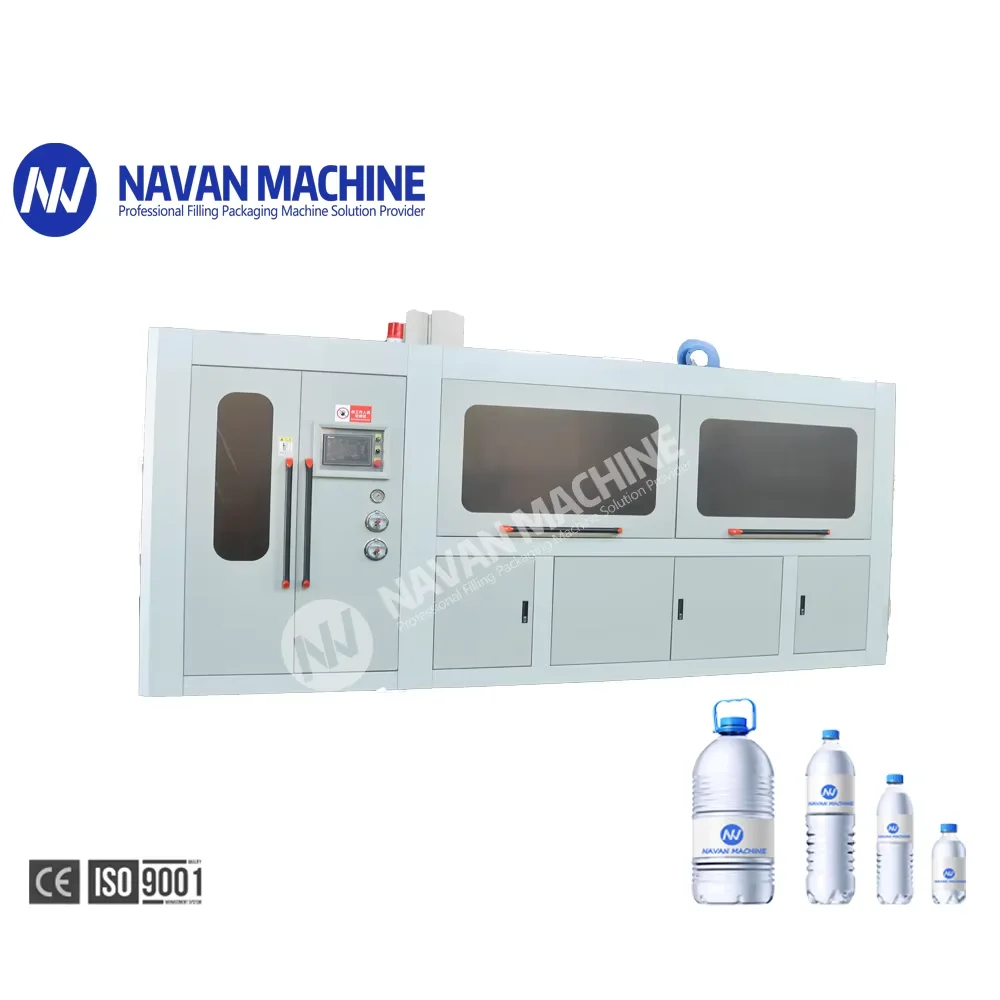
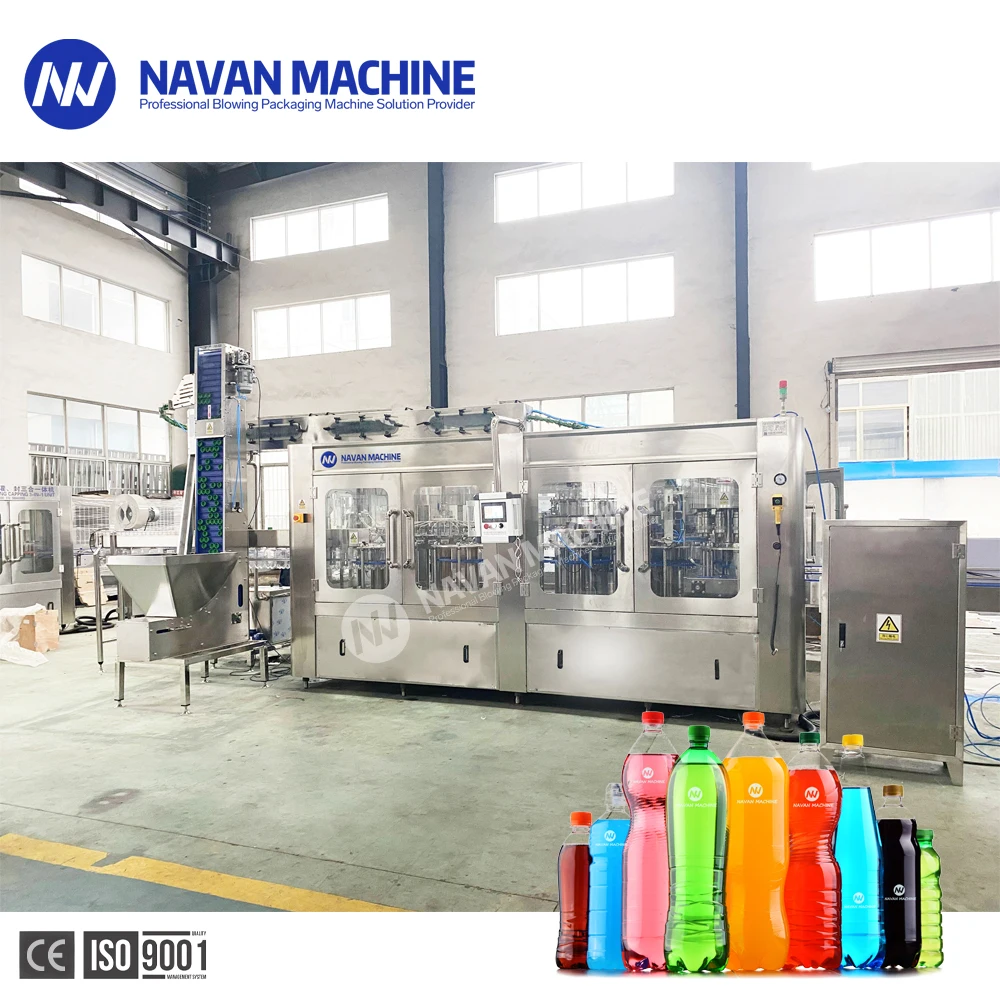
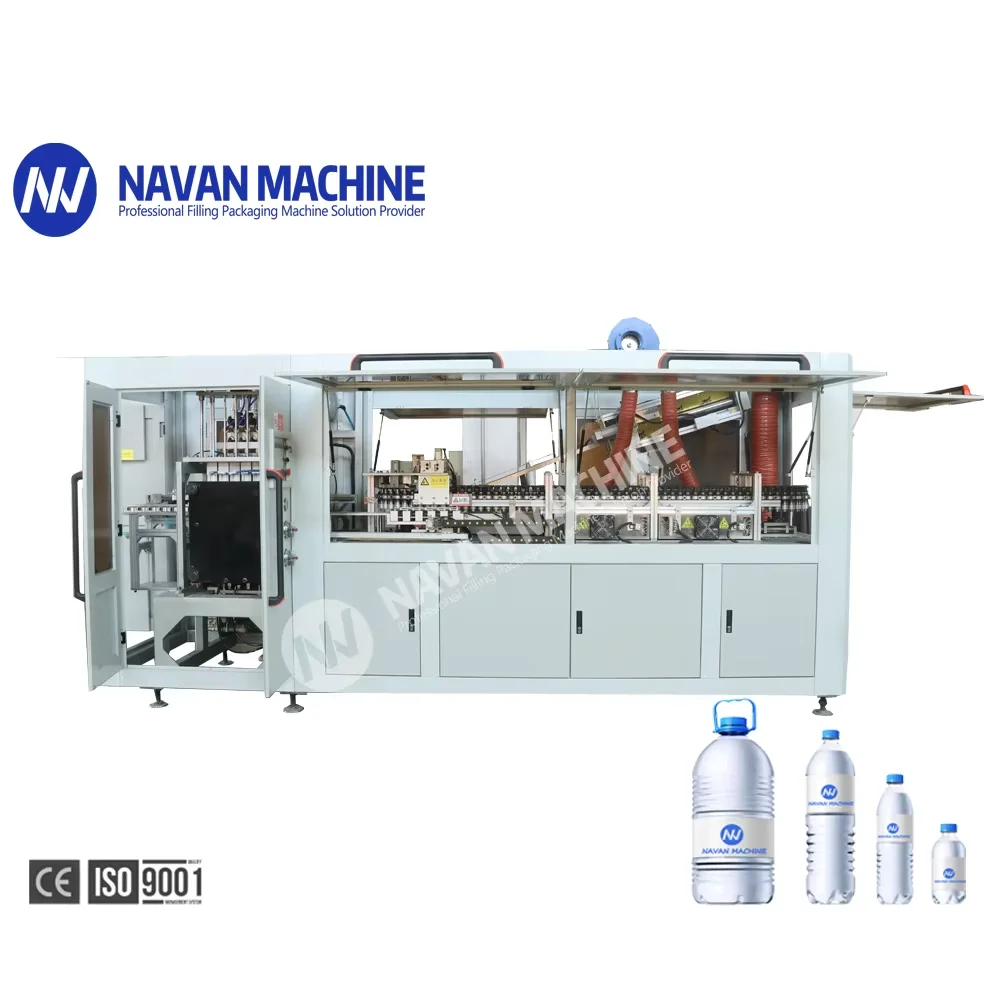
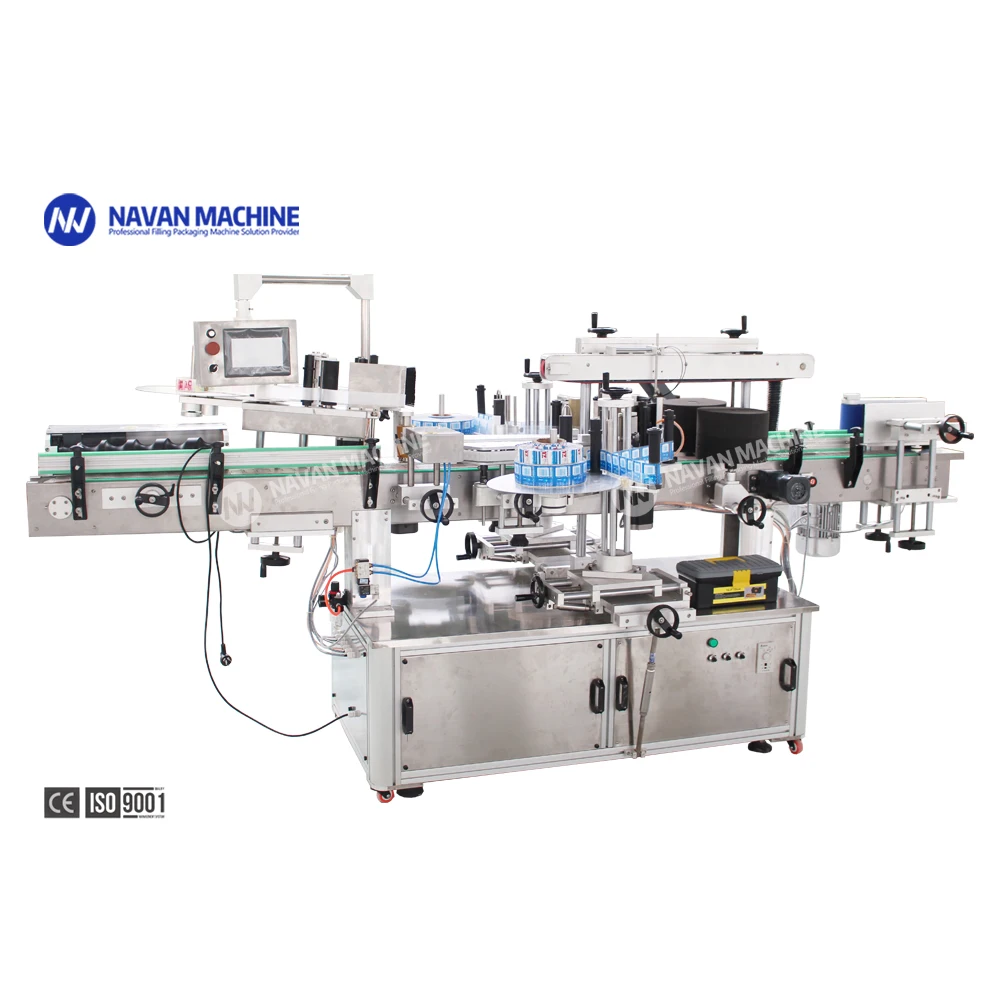
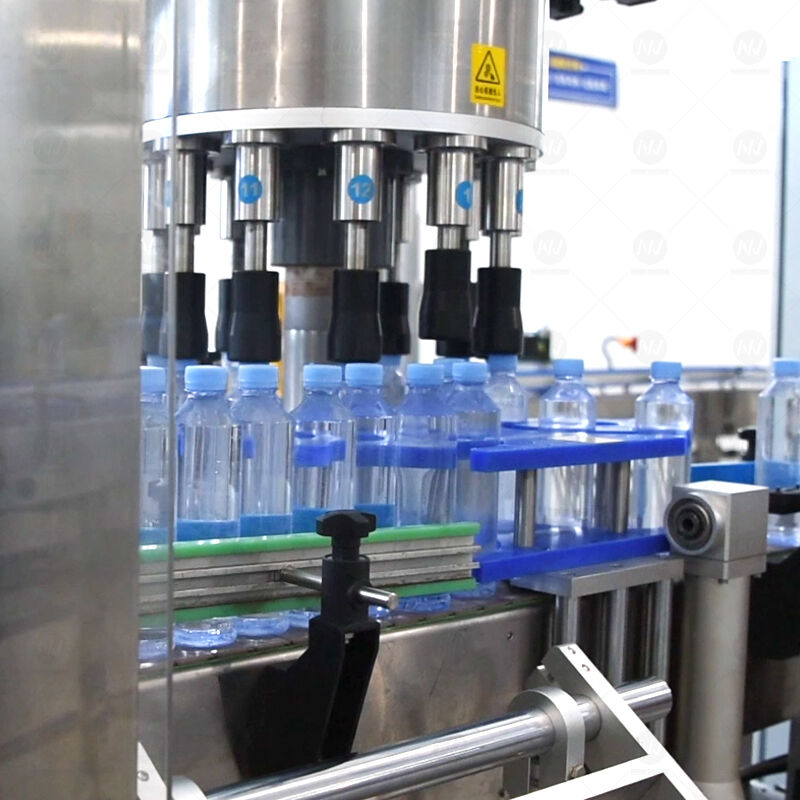
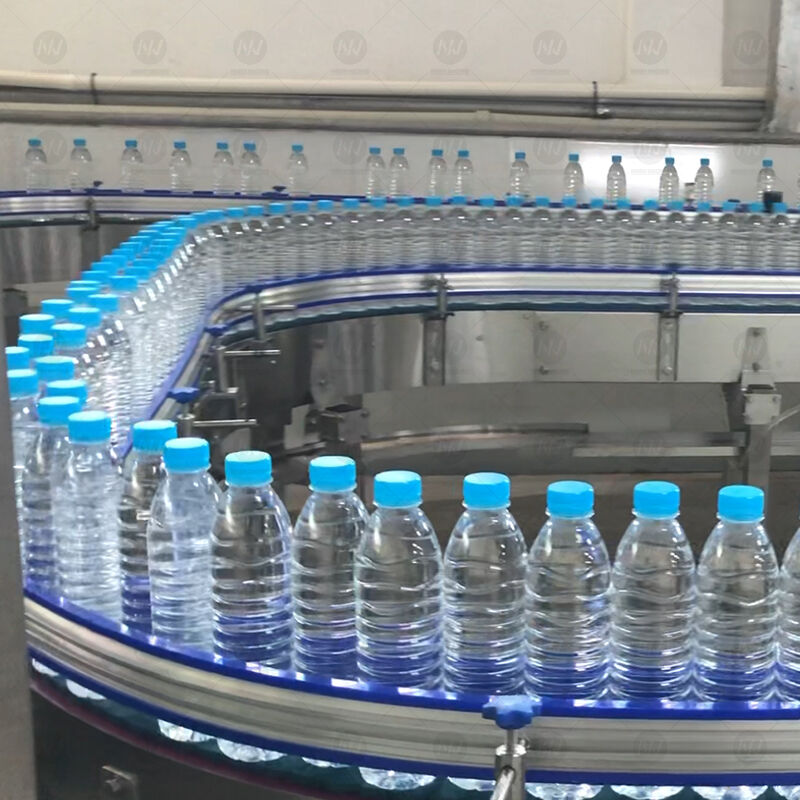
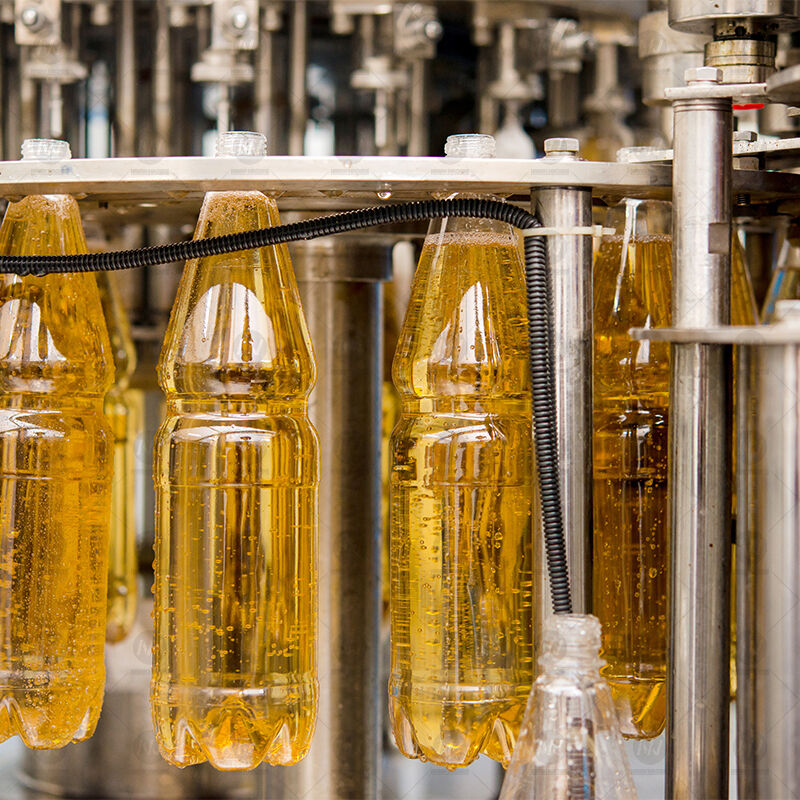
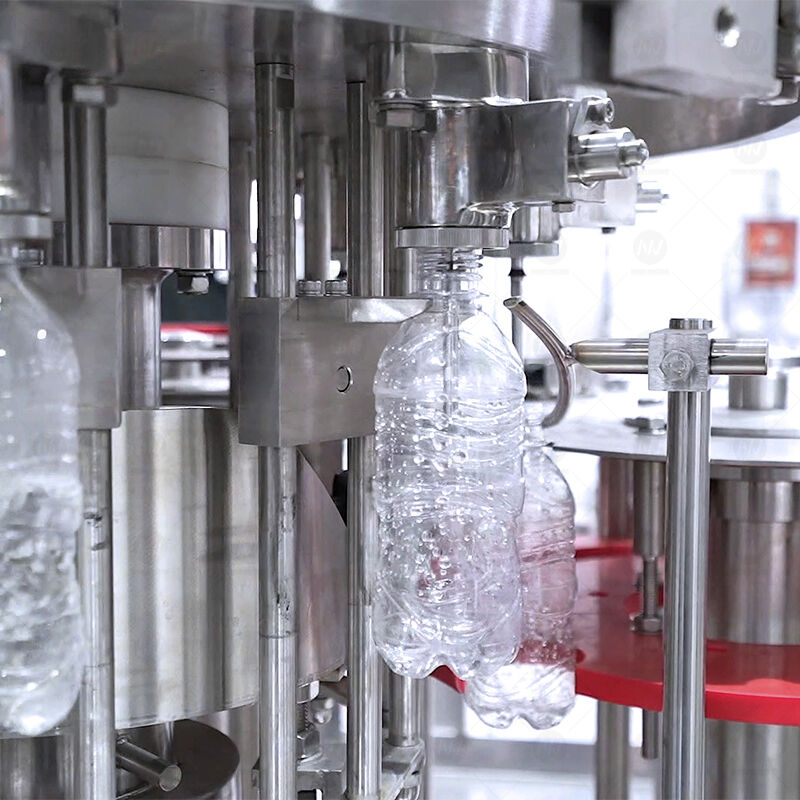
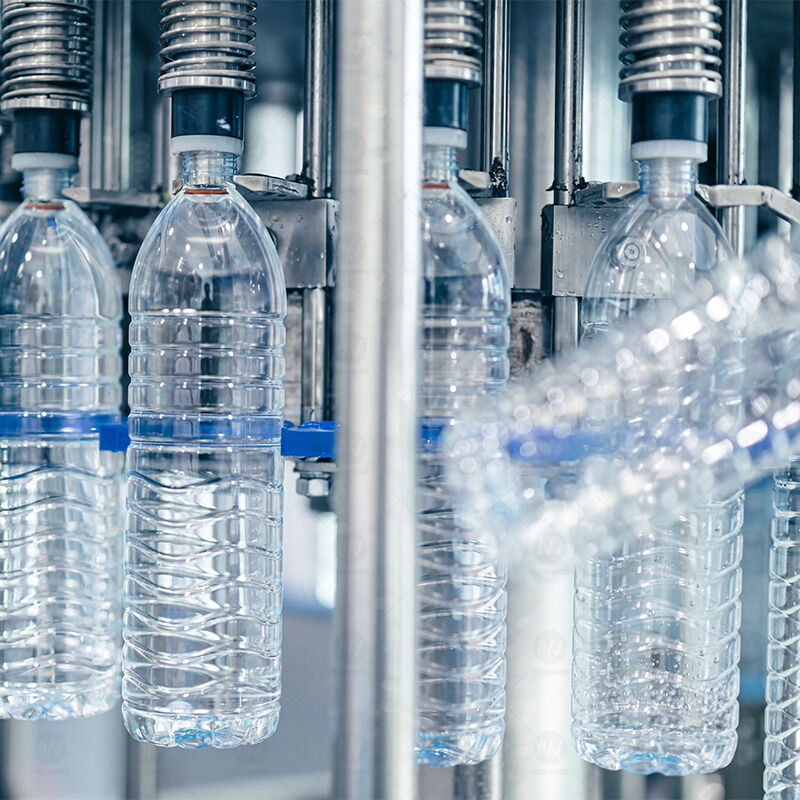
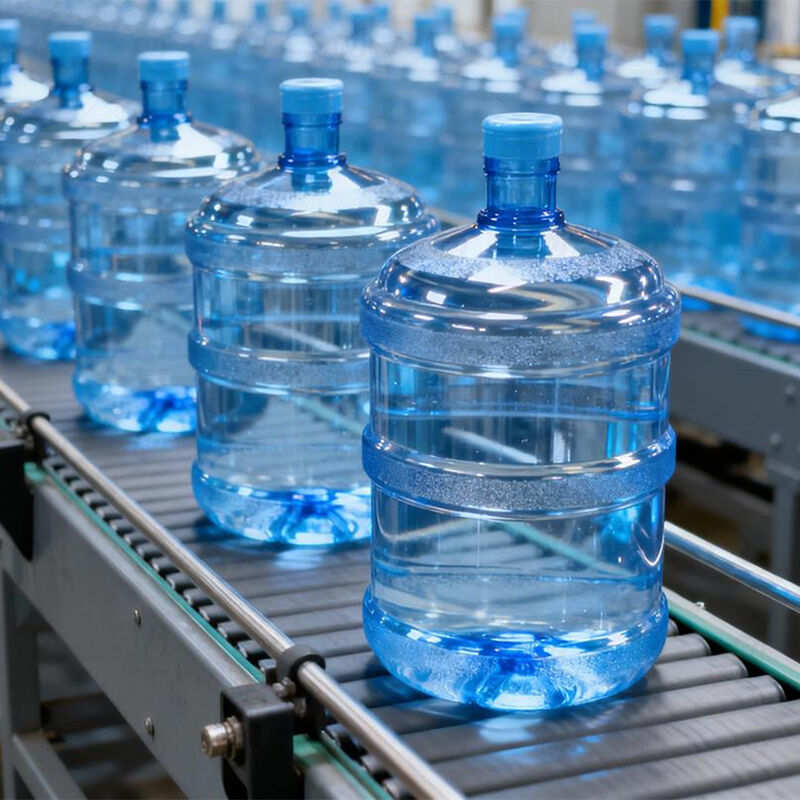
The auto water filling machine represents a revolutionary advancement in beverage production technology, designed to streamline the bottling process for water and other liquid products. This sophisticated equipment automates the entire filling procedure, eliminating manual labor while ensuring consistent quality and efficiency. Modern auto water filling machines incorporate cutting-edge technology to deliver precise volumetric control, maintaining accuracy within strict tolerances that meet industry standards. These machines feature multiple filling heads that work simultaneously, dramatically increasing production capacity compared to traditional manual methods. The core functionality centers around automated bottle handling, where empty containers are fed into the system through conveyor belts, positioned accurately under filling nozzles, and filled to predetermined levels before moving to the capping station. Advanced sensors monitor each step of the process, detecting bottle presence, liquid levels, and potential irregularities that could affect product quality. The technological framework includes programmable logic controllers that allow operators to adjust filling parameters, speeds, and volumes according to specific production requirements. Most auto water filling machines incorporate stainless steel construction to ensure hygiene standards and resist corrosion from cleaning chemicals. The filling mechanism typically employs gravity-fed or pressure-assisted systems, depending on the viscosity and characteristics of the liquid being processed. Quality control features include automatic rejection systems for improperly filled bottles, overflow protection, and contamination prevention measures. These machines excel in various applications including bottled water production facilities, beverage manufacturing plants, pharmaceutical liquid packaging, and food processing operations. The versatility extends to handling different bottle sizes and shapes, from small personal water bottles to large commercial containers, making the auto water filling machine an essential component in modern production environments where efficiency, consistency, and hygiene are paramount concerns for successful operations.

New Product Recommendations

The auto water filling machine delivers exceptional operational benefits that transform production efficiency and profitability for businesses across multiple industries. Speed represents the most immediate advantage, as these machines can fill hundreds or thousands of bottles per hour, far exceeding manual capabilities. This dramatic increase in throughput enables companies to meet growing market demands while reducing labor costs significantly. Consistency stands as another crucial benefit, as the auto water filling machine eliminates human error and variability that commonly occurs in manual operations. Every bottle receives exactly the same amount of liquid, ensuring uniform product quality that builds customer trust and brand reputation. Cost savings accumulate rapidly through reduced labor requirements, decreased waste from overfilling or spillage, and improved resource utilization. The precision control systems prevent product loss that typically occurs with manual filling methods, directly impacting profit margins. Hygiene improvements represent a critical advantage, particularly for food and beverage applications where contamination risks must be minimized. The enclosed filling environment and stainless steel construction create sanitary conditions that manual processes cannot match. Worker safety benefits emerge from reduced repetitive strain injuries and exposure to potentially hazardous liquids or cleaning chemicals. The auto water filling machine also provides enhanced flexibility, allowing quick changeovers between different bottle sizes and liquid types without extensive downtime. Quality control capabilities exceed manual inspection methods, as integrated sensors detect problems immediately and remove defective products from the production line. Maintenance requirements remain minimal due to robust engineering and quality components, ensuring reliable operation with predictable service intervals. Energy efficiency surpasses traditional methods through optimized motor systems and intelligent control algorithms that reduce power consumption. The compact footprint of modern auto water filling machines maximizes factory floor utilization while maintaining high production volumes. Documentation and traceability capabilities enable comprehensive production records for quality assurance and regulatory compliance. Integration possibilities with existing production lines create seamless workflows that optimize overall manufacturing efficiency. Return on investment typically occurs within months due to the combination of increased productivity, reduced labor costs, and improved product consistency that drives customer satisfaction and repeat business.

Tips And Tricks

How Does a Water Filling Line Maintain Hygiene and Product Purity?

31

Oct

How Does a Water Filling Line Maintain Hygiene and Product Purity?

Ensuring Safety and Quality in Beverage Production Systems The modern beverage industry faces an ever-growing challenge to maintain impeccable hygiene standards while meeting increasing production demands. At the heart of this challenge lies the wate...
View More
What Factors Should You Consider When Choosing a Bottle Filling Machine?

31

Oct

What Factors Should You Consider When Choosing a Bottle Filling Machine?

Essential Considerations for Industrial Bottle Filling Equipment Selecting the right bottle filling machine for your production line is a crucial decision that impacts efficiency, product quality, and bottom-line profitability. Whether you're expandi...
View More
What Are the Long-Term Benefits of Investing in Advanced Water Filling Lines?

31

Oct

What Are the Long-Term Benefits of Investing in Advanced Water Filling Lines?

Transforming Beverage Production Through Modern Automation The beverage industry is witnessing a revolutionary transformation as manufacturers increasingly turn to advanced water filling lines to streamline their operations. These sophisticated syste...
View More
What Technologies Ensure Freshness and Shelf Life in Beer Filling Systems?

31

Oct

What Technologies Ensure Freshness and Shelf Life in Beer Filling Systems?

Modern Innovations in Beer Filling Technology The brewing industry has witnessed remarkable technological advancements in beer filling systems, revolutionizing how breweries maintain product freshness and extend shelf life. Today's sophisticated beer...
View More

Get a Free Quote

Our representative will contact you soon.
Email
Name
Company Name
Message
0/1000

auto water filling machine

Precision Volume Control and Accuracy Technology

Precision Volume Control and Accuracy Technology

The auto water filling machine incorporates state-of-the-art precision volume control technology that revolutionizes liquid packaging accuracy and consistency. This advanced system utilizes sophisticated flow meters, electronic sensors, and programmable control units to ensure every bottle receives exactly the specified amount of liquid with minimal deviation. The precision technology operates through multiple measurement points that continuously monitor flow rates, liquid levels, and filling volumes in real-time. Electronic load cells beneath each filling station provide instant weight feedback, allowing the system to make micro-adjustments during the filling process to maintain perfect accuracy. The control algorithms process thousands of data points per second, compensating for variables such as temperature fluctuations, liquid viscosity changes, and bottle variations that could affect filling precision. This level of accuracy proves essential for regulatory compliance in industries where exact volumes are legally mandated, such as bottled water, pharmaceuticals, and food products. The technology prevents both underfilling, which leads to customer complaints and regulatory violations, and overfilling, which results in product waste and reduced profitability. Advanced calibration procedures ensure long-term accuracy maintenance, with automatic drift compensation that adjusts for normal wear and environmental factors. The precision control system also enables rapid changeovers between different product specifications without lengthy recalibration periods. Quality assurance benefits include comprehensive data logging that records every fill cycle, creating detailed production records for traceability and compliance auditing. The auto water filling machine achieves accuracy levels typically within plus or minus 0.5 percent of target volumes, far exceeding manual filling capabilities. This precision translates directly into cost savings through reduced product waste, improved customer satisfaction, and enhanced brand reputation. The technology also supports various container sizes and shapes without compromising accuracy, making it ideal for diverse production requirements. Maintenance of precision components remains straightforward through modular design that allows quick replacement of sensors and measurement devices when necessary.
High-Speed Multi-Head Filling Configuration

High-Speed Multi-Head Filling Configuration

The multi-head filling configuration represents the cornerstone of the auto water filling machine's exceptional productivity capabilities, featuring multiple synchronized filling stations that operate simultaneously to achieve remarkable throughput rates. This innovative design incorporates anywhere from four to forty-eight individual filling heads, depending on production requirements and machine specifications. Each head functions independently while maintaining perfect synchronization with the overall system timing, ensuring smooth bottle flow and optimal efficiency. The rotary design principle enables continuous operation where bottles enter the filling carousel, move through the filling zone, and exit seamlessly without stopping the production line. Advanced indexing mechanisms position bottles precisely under each filling head, maintaining consistent spacing and alignment throughout the process. The multi-head configuration dramatically reduces cycle times compared to single-head systems, enabling production rates that can exceed 10,000 bottles per hour for high-capacity models. Sophisticated control systems coordinate the timing of all heads to prevent bottlenecks and ensure uniform filling across all stations. The auto water filling machine benefits from redundancy built into the multi-head design, as individual heads can be taken offline for maintenance without stopping the entire production line. This feature proves invaluable for continuous operations where downtime costs are extremely high. Each filling head incorporates independent shut-off valves, level sensors, and quality control mechanisms that provide comprehensive monitoring capabilities. The design allows for easy adjustment of individual heads to accommodate different bottle heights or filling requirements within the same production run. Maintenance accessibility remains excellent due to the modular construction that permits quick access to individual components without dismantling the entire system. The multi-head configuration also enables specialized filling techniques such as bottom-up filling, foam prevention systems, and gentle handling for delicate products. Changeover procedures between different products or bottle sizes become efficient through standardized head designs and quick-disconnect fittings. The synchronized operation creates a mesmerizing production display while delivering consistent results that meet the most demanding quality standards and production schedules.
Automated Quality Control and Contamination Prevention

Automated Quality Control and Contamination Prevention

The integrated quality control and contamination prevention systems within the auto water filling machine establish unprecedented standards for product safety and consistency in liquid packaging operations. These sophisticated monitoring systems employ multiple inspection technologies including vision systems, weight verification, fill level detection, and contamination sensors that continuously evaluate product quality throughout the production process. Advanced camera systems capture high-resolution images of each bottle before, during, and after filling to detect foreign particles, improper seals, or packaging defects that could compromise product integrity. The contamination prevention framework begins with sterile air filtration systems that maintain positive pressure within the filling environment, preventing external contaminants from entering the production zone. Ultraviolet sterilization units treat both the liquid pathways and bottle surfaces, eliminating potential microbial contamination before filling occurs. The auto water filling machine incorporates Clean-in-Place systems that automatically sanitize all liquid contact surfaces between production runs, ensuring consistent hygiene standards without manual intervention. Metal detection systems identify any metallic contamination that might have entered the product stream, immediately ejecting affected bottles from the production line. Leak detection sensors monitor the filling area for spills or drips that could indicate equipment malfunctions or contamination risks. Temperature monitoring ensures product temperatures remain within specified ranges to prevent bacterial growth or product degradation. The quality control database logs all inspection results, creating comprehensive traceability records that support regulatory compliance and quality assurance programs. Automatic rejection systems remove defective products without operator intervention, maintaining production flow while ensuring only acceptable products reach packaging stages. Statistical process control algorithms analyze quality data trends to predict potential issues before they affect product quality. The contamination prevention protocols extend to bottle handling systems that sanitize containers immediately before filling through rinse stations using purified water or sanitizing solutions. Operator access controls limit human contact with sterile zones, reducing contamination risks from personnel. The comprehensive quality system provides real-time alerts for any deviations from established parameters, enabling immediate corrective actions that maintain product safety and consistency standards required by modern food and beverage regulations.

Get a Free Quote

Our representative will contact you soon.
Email
Name
Company Name
Message
0/1000

Get a Free Quote

Our representative will contact you soon.
Email
Name
Company Name
Message
0/1000
TopTop