Professional Sleeve Shrink Labeling Machine - Advanced Automated Packaging Solutions

Requesting a Call:

+8615601563990

Online Support

[email protected]

WhatsApp

+86-15601563990

sleeve shrink labeling machine

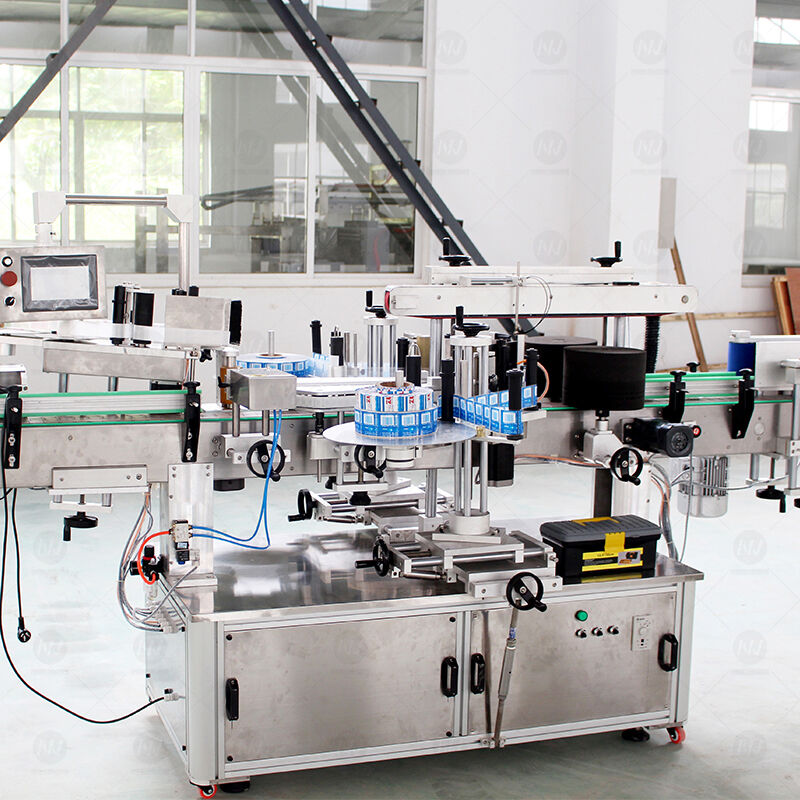
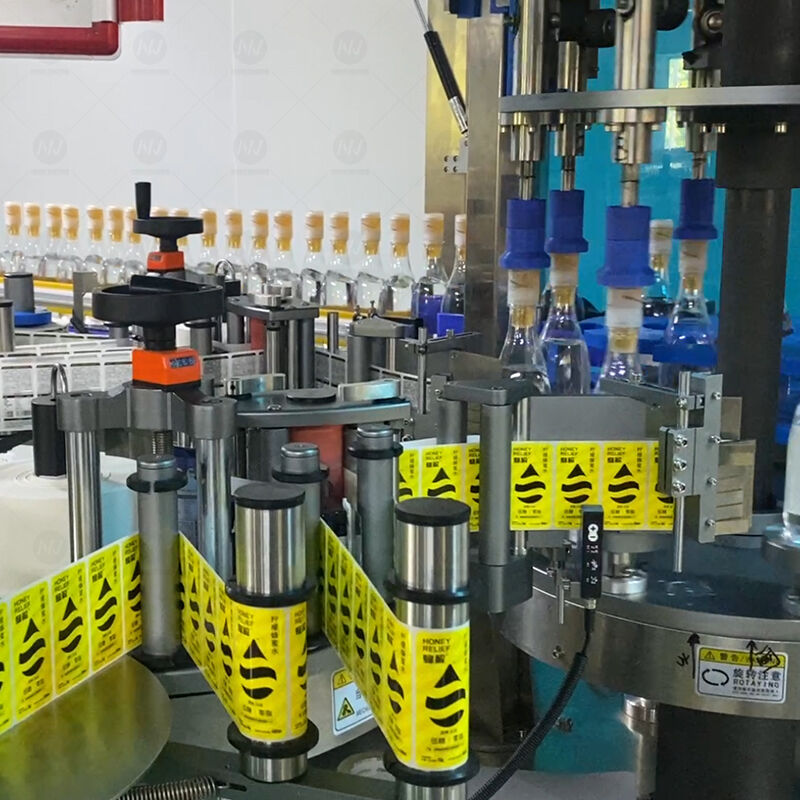
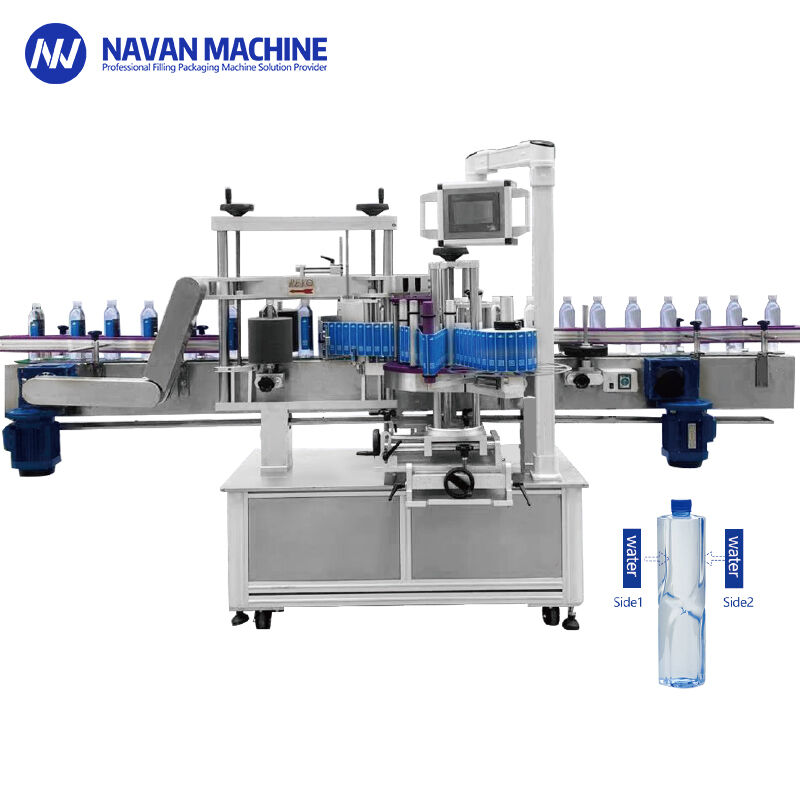
The sleeve shrink labeling machine represents a revolutionary advancement in product packaging technology, designed to apply heat-shrinkable labels seamlessly around containers of various shapes and sizes. This sophisticated equipment operates by placing pre-printed sleeve labels over products and utilizing controlled heat application to shrink the material, creating a tight, professional finish that conforms perfectly to the product's contours. Modern sleeve shrink labeling machines incorporate cutting-edge sensors, precision heating elements, and automated feeding systems that ensure consistent label placement and uniform shrinkage across production runs. The technology features advanced temperature control mechanisms that monitor heat distribution throughout the shrinking process, preventing overheating or incomplete shrinkage that could compromise label quality. These machines support multiple container formats, from cylindrical bottles to square containers, making them versatile solutions for diverse manufacturing environments. The automated conveyor systems integrated within these machines maintain optimal production speeds while ensuring proper label alignment before the shrinking phase begins. Contemporary models include touchscreen interfaces that allow operators to adjust parameters such as heating temperature, conveyor speed, and label positioning with remarkable precision. Safety features built into these machines include emergency stop functions, protective barriers around heating zones, and automatic shutdown protocols when irregularities are detected. The sleeve shrink labeling machine accommodates various label materials, including PVC, PET, and OPS films, each requiring specific temperature and timing configurations. Quality control mechanisms embedded in advanced models include vision systems that inspect label placement and detect potential defects before products leave the production line. Energy efficiency remains a critical design consideration, with modern machines incorporating insulation technologies and heat recovery systems that reduce overall power consumption. The modular construction of these machines allows for easy maintenance and component replacement, minimizing downtime and extending operational lifespan significantly.

New Product Releases

The sleeve shrink labeling machine delivers exceptional cost savings through reduced material waste and improved production efficiency compared to traditional labeling methods. This equipment eliminates the need for adhesives, which translates to lower ongoing operational costs and removes concerns about adhesive failure or contamination. The automated nature of these machines significantly reduces labor requirements, allowing manufacturers to allocate human resources to other critical production areas while maintaining consistent output quality. Speed advantages become immediately apparent as modern sleeve shrink labeling machines can process thousands of units per hour, dramatically outpacing manual labeling operations and increasing overall throughput capacity. Quality consistency represents another major benefit, as automated systems eliminate human error variables that often lead to crooked labels, inconsistent placement, or varying application pressure. The versatility of sleeve shrink labeling machines enables manufacturers to handle multiple product lines without requiring separate equipment investments, making them ideal for facilities producing diverse container types and sizes. Environmental benefits emerge from the elimination of adhesive waste and the recyclability of shrink sleeve materials, supporting corporate sustainability initiatives while maintaining operational efficiency. Maintenance requirements remain minimal due to the robust construction and simplified mechanical systems, reducing unexpected downtime and service costs over the equipment's operational lifetime. The professional appearance achieved through shrink sleeve application enhances product marketability, as labels conform perfectly to container contours without wrinkles, bubbles, or adhesive residue that can detract from visual appeal. Inventory management becomes simplified when using sleeve shrink labeling machines, as labels require less storage space compared to pressure-sensitive alternatives and demonstrate superior shelf life characteristics. Temperature resistance properties of shrink sleeves provide superior durability during storage and transportation, maintaining label integrity under varying environmental conditions that might compromise other labeling solutions. The seamless coverage provided by shrink sleeves offers enhanced tamper-evident properties, providing additional security features that protect product integrity and build consumer confidence in brand authenticity.

Tips And Tricks

How Does a Water Filling Line Maintain Hygiene and Product Purity?

31

Oct

How Does a Water Filling Line Maintain Hygiene and Product Purity?

Ensuring Safety and Quality in Beverage Production Systems The modern beverage industry faces an ever-growing challenge to maintain impeccable hygiene standards while meeting increasing production demands. At the heart of this challenge lies the wate...
View More
What Factors Should You Consider When Choosing a Bottle Filling Machine?

31

Oct

What Factors Should You Consider When Choosing a Bottle Filling Machine?

Essential Considerations for Industrial Bottle Filling Equipment Selecting the right bottle filling machine for your production line is a crucial decision that impacts efficiency, product quality, and bottom-line profitability. Whether you're expandi...
View More
What Are the Long-Term Benefits of Investing in Advanced Water Filling Lines?

31

Oct

What Are the Long-Term Benefits of Investing in Advanced Water Filling Lines?

Transforming Beverage Production Through Modern Automation The beverage industry is witnessing a revolutionary transformation as manufacturers increasingly turn to advanced water filling lines to streamline their operations. These sophisticated syste...
View More
How Does a Jam Filling Machine Handle Thick and Sticky Products Efficiently?

31

Oct

How Does a Jam Filling Machine Handle Thick and Sticky Products Efficiently?

Understanding Modern Industrial Jam Processing Equipment The food processing industry has witnessed remarkable technological advancements, particularly in the realm of handling viscous products. At the heart of efficient jam production lies the sophi...
View More

Get a Free Quote

Our representative will contact you soon.
Email
Name
Company Name
Message
0/1000

sleeve shrink labeling machine

Advanced Temperature Control Technology

Advanced Temperature Control Technology

The sophisticated temperature control technology integrated into modern sleeve shrink labeling machines represents the pinnacle of precision engineering, ensuring optimal shrinkage results across diverse production requirements. This advanced system utilizes multiple heating zones with independent temperature regulation, allowing operators to customize heat application based on specific label materials and container characteristics. The technology incorporates real-time temperature monitoring through strategically placed sensors that provide continuous feedback to the control system, automatically adjusting heating elements to maintain consistent temperatures throughout the shrinking process. This precision prevents common issues such as incomplete shrinkage, material distortion, or excessive heat exposure that could damage product contents or container integrity. The heating chamber design features advanced airflow management systems that distribute heat evenly around the entire container surface, eliminating hot spots that could cause uneven shrinkage or label distortion. Energy efficiency remains paramount in the design philosophy, with intelligent heating algorithms that optimize power consumption while maintaining optimal performance levels. The system includes programmable temperature profiles that can be stored and recalled for different product configurations, streamlining changeovers between production runs and reducing setup time significantly. Safety features integrated within the temperature control system include over-temperature protection, automatic cooling cycles, and emergency shutdown capabilities that protect both equipment and operators from potential hazards. The modular heating element design allows for easy maintenance and replacement without requiring complete system shutdown, minimizing production interruptions and extending equipment lifespan. Advanced insulation technologies surround the heating chambers, reducing heat loss to the surrounding environment and improving overall energy efficiency while maintaining operator comfort. The temperature control interface provides intuitive operation through graphical displays that show real-time heating zone status, historical temperature data, and predictive maintenance alerts that help prevent unexpected equipment failures.
Versatile Container Compatibility System

Versatile Container Compatibility System

The versatile container compatibility system built into sleeve shrink labeling machines demonstrates remarkable engineering innovation, accommodating an extensive range of container shapes, sizes, and materials without requiring significant reconfiguration or additional equipment investments. This adaptability stems from sophisticated mechanical systems that automatically adjust to different container dimensions through servo-controlled mechanisms and programmable positioning systems. The machine's conveyor system features adjustable guides and spacing mechanisms that seamlessly accommodate containers ranging from small cosmetic bottles to large industrial containers, providing manufacturers with unprecedented flexibility in production planning. Advanced sensor technologies detect incoming container dimensions and automatically configure the machine settings to optimize label placement and shrinkage parameters for each specific container type. The feeding system incorporates gentle handling mechanisms that prevent damage to delicate containers while maintaining precise positioning throughout the labeling process, ensuring consistent results regardless of container material or wall thickness. Quick-change tooling systems enable rapid transitions between different container formats, reducing changeover times from hours to minutes and maximizing productive uptime. The machine's software includes extensive container profile libraries that store optimal settings for hundreds of different container configurations, allowing operators to recall proven parameters instantly when switching between production runs. Stability mechanisms built into the conveyor system prevent container movement during the shrinking process, ensuring label alignment remains perfect even with lightweight or top-heavy containers that might shift under normal handling conditions. The versatile gripping systems accommodate containers with unusual shapes, including tapered designs, containers with handles, and products with complex geometries that challenge traditional labeling equipment. Material compatibility extends beyond container variations to include diverse label substrates, each requiring specific handling parameters that the system manages automatically through integrated material detection sensors. This comprehensive compatibility reduces the need for multiple specialized machines, providing significant capital cost savings while simplifying maintenance requirements and operator training programs.
High-Speed Automated Production Capabilities

High-Speed Automated Production Capabilities

The high-speed automated production capabilities of modern sleeve shrink labeling machines revolutionize manufacturing efficiency by delivering consistent output rates that far exceed traditional labeling methods while maintaining exceptional quality standards. These machines achieve remarkable throughput levels through sophisticated synchronization systems that coordinate label feeding, container positioning, and shrinking processes with precision timing that eliminates bottlenecks and maximizes equipment utilization. The automated feeding mechanisms utilize advanced vision systems and mechanical positioning devices to ensure perfect label placement on every container, regardless of production speed, maintaining quality consistency that manual operations cannot match. Intelligent control systems monitor production flow continuously, automatically adjusting machine parameters to compensate for variations in container arrival timing or minor dimensional differences that could affect labeling accuracy. The high-speed capabilities extend beyond simple throughput increases to include rapid changeover systems that minimize downtime between different product runs, allowing manufacturers to respond quickly to market demands and production schedule changes. Buffer systems integrated into the machine design accommodate temporary variations in upstream or downstream process speeds, preventing production interruptions that could affect overall manufacturing efficiency. Quality control mechanisms operate at full production speed, utilizing high-resolution cameras and advanced inspection algorithms to detect and reject defective products without slowing the production line. The automated systems include predictive maintenance capabilities that monitor component wear and performance degradation, scheduling maintenance activities during planned downtime to prevent unexpected equipment failures. Synchronization with upstream and downstream equipment occurs through advanced communication protocols that ensure seamless integration with existing production lines and warehouse management systems. Energy management systems optimize power consumption during high-speed operation, utilizing variable frequency drives and intelligent motor control systems that reduce operational costs while maintaining peak performance. The user interface provides real-time production monitoring with detailed analytics that help operators identify optimization opportunities and track key performance indicators that drive continuous improvement initiatives.

Get a Free Quote

Our representative will contact you soon.
Email
Name
Company Name
Message
0/1000

Get a Free Quote

Our representative will contact you soon.
Email
Name
Company Name
Message
0/1000
TopTop