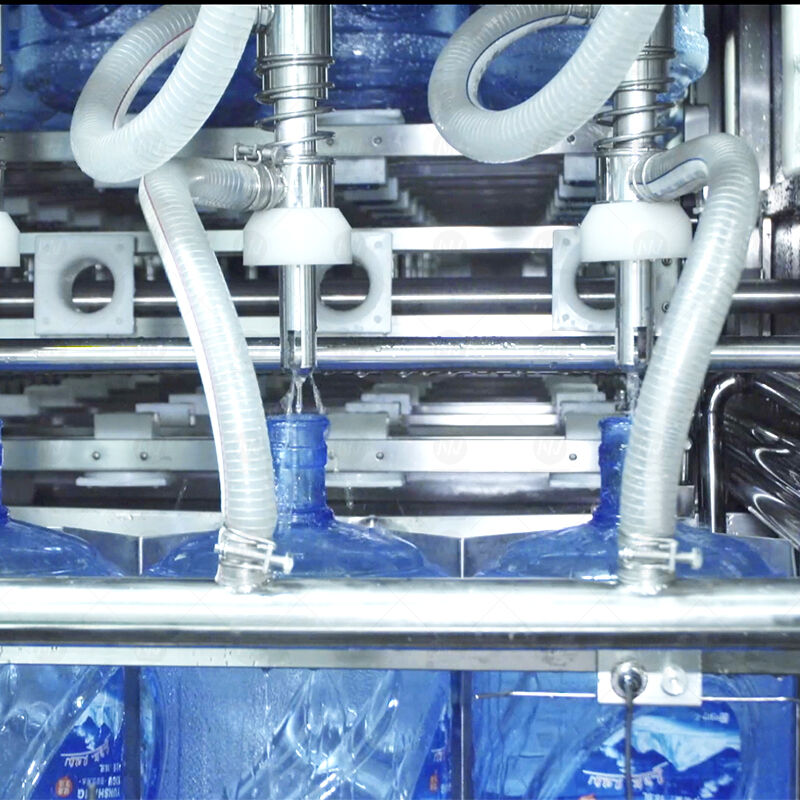
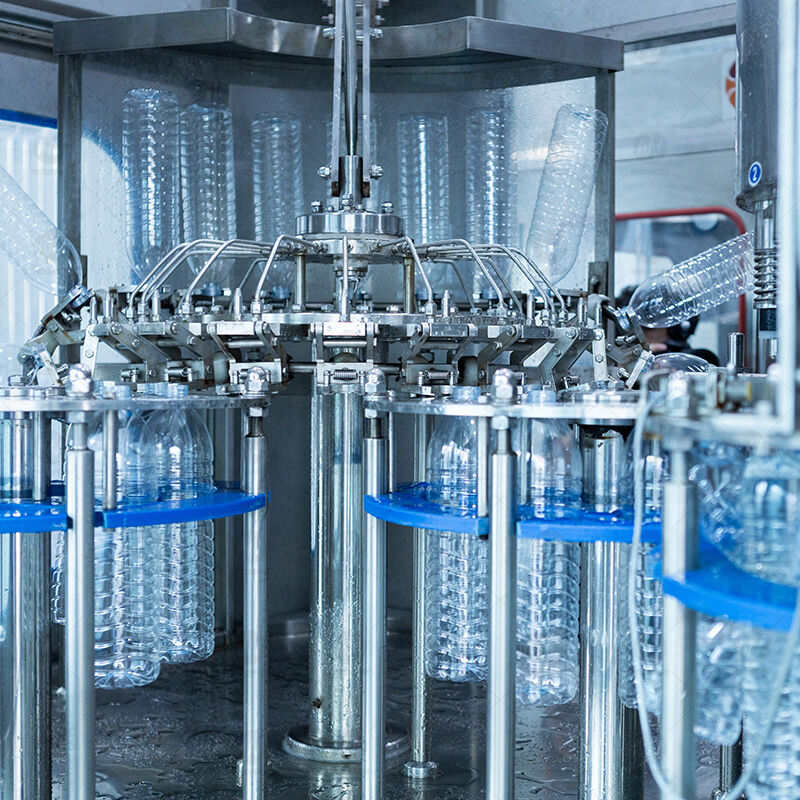
water bottle production machine
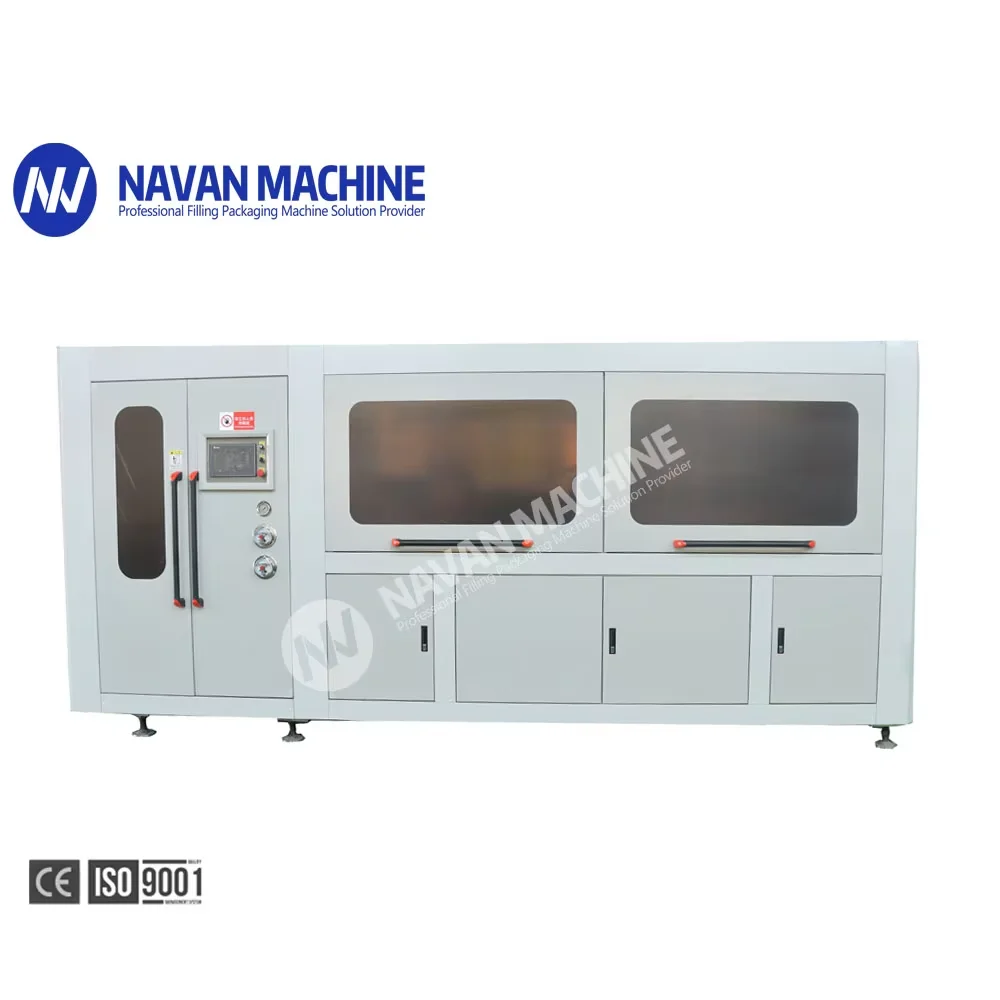
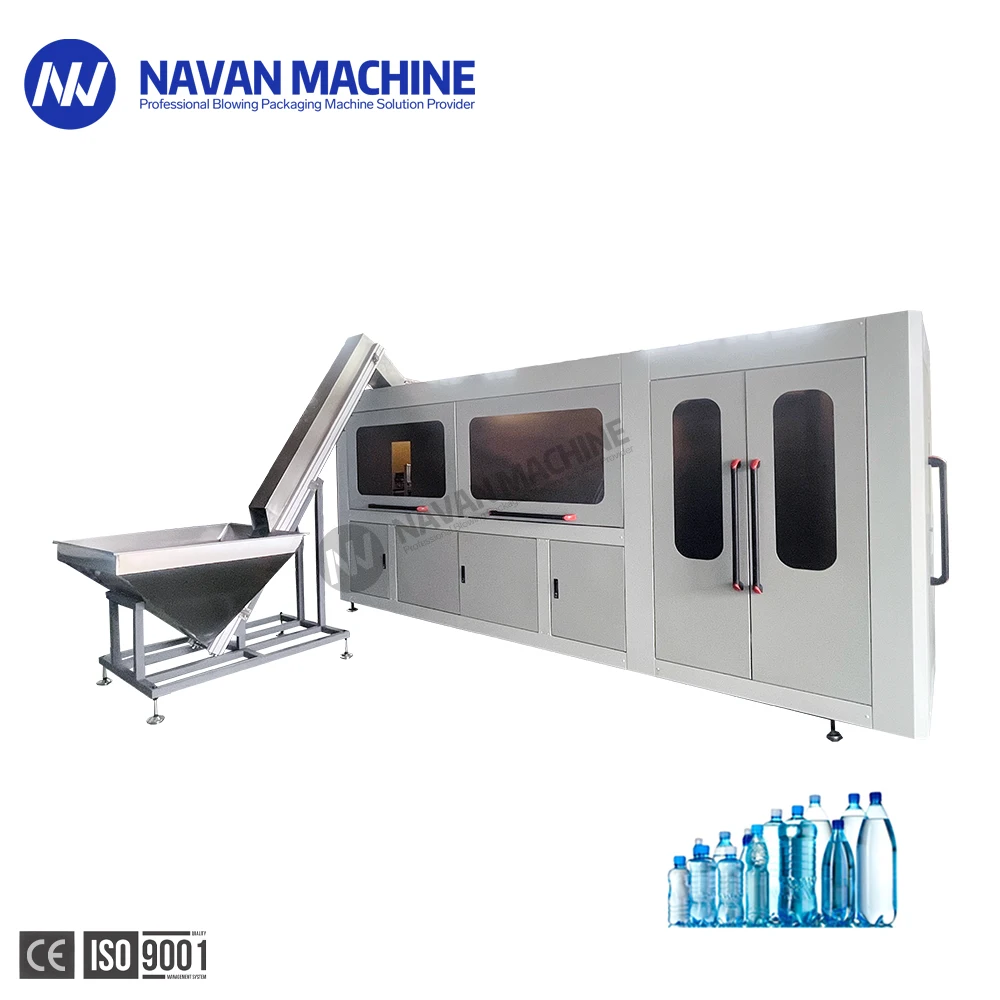
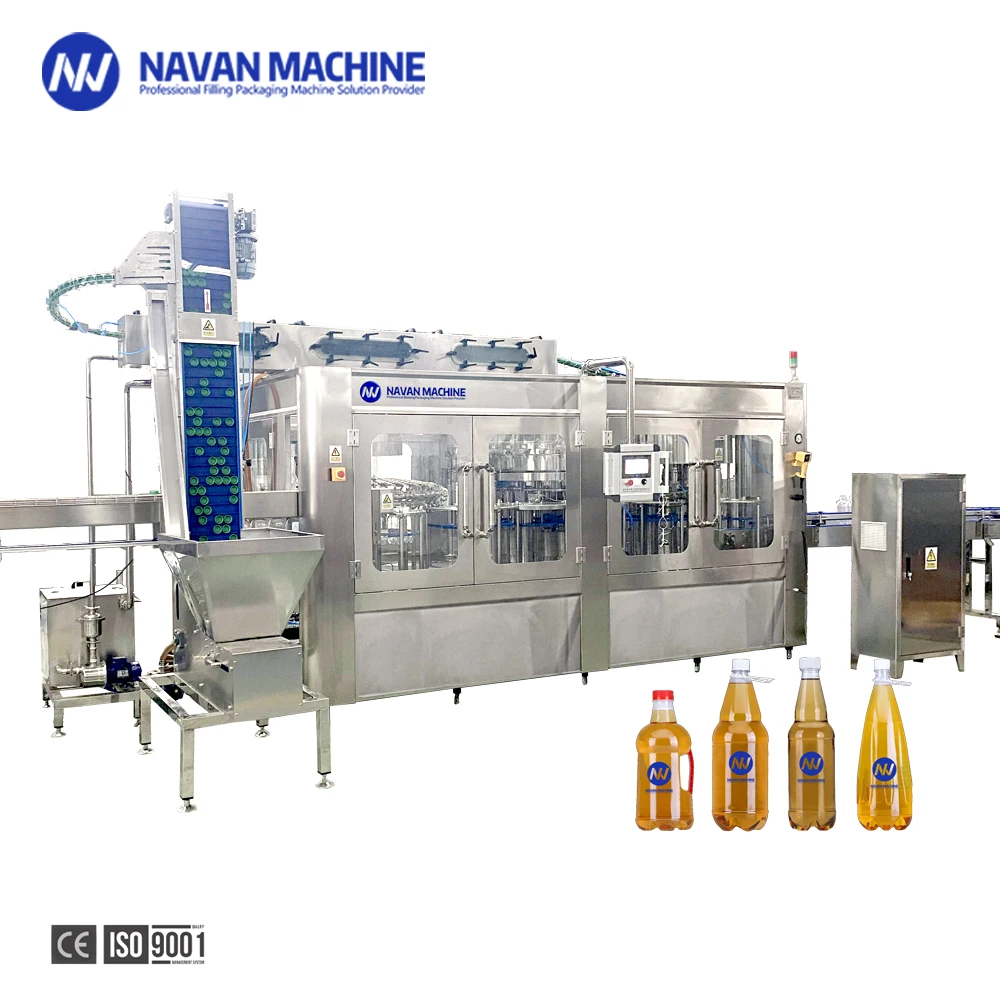
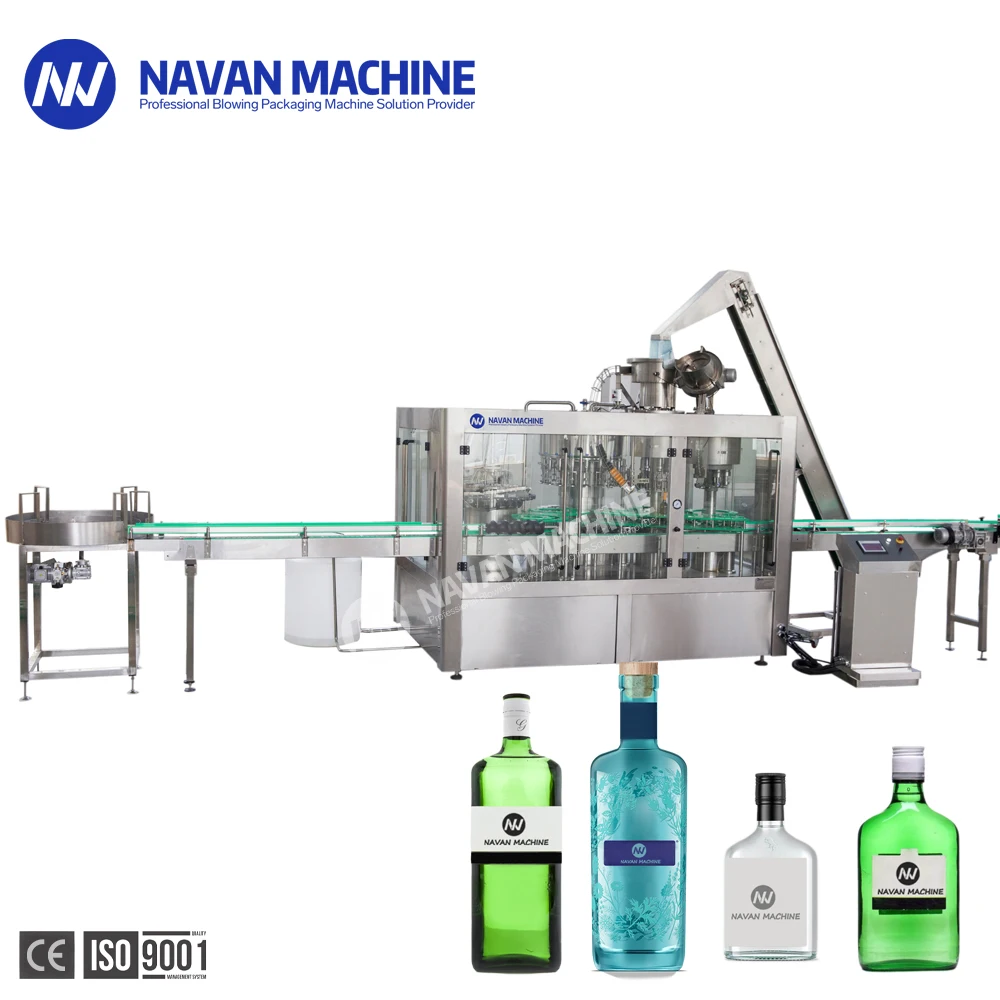
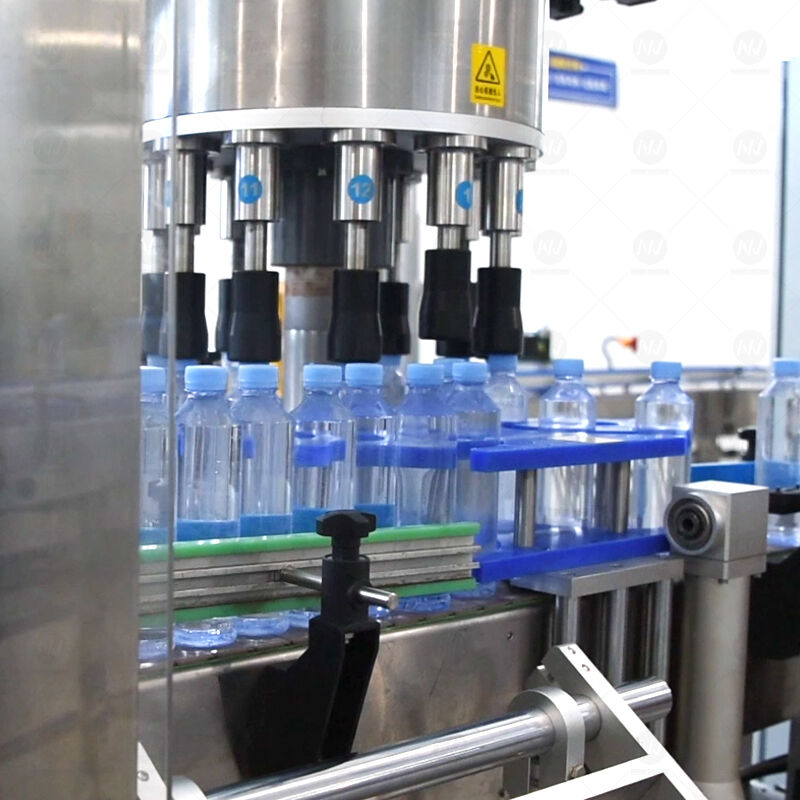
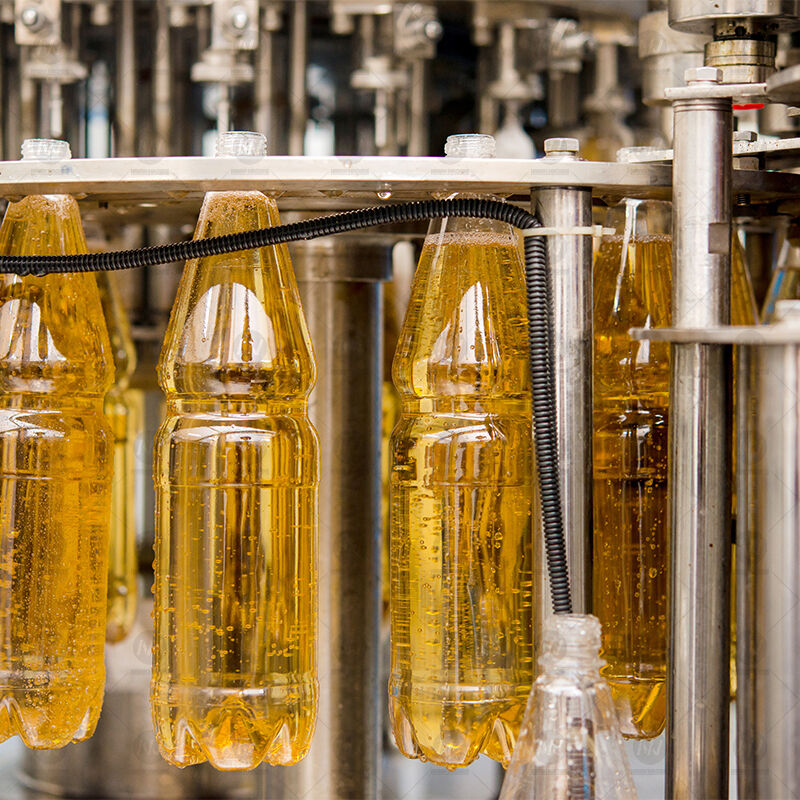
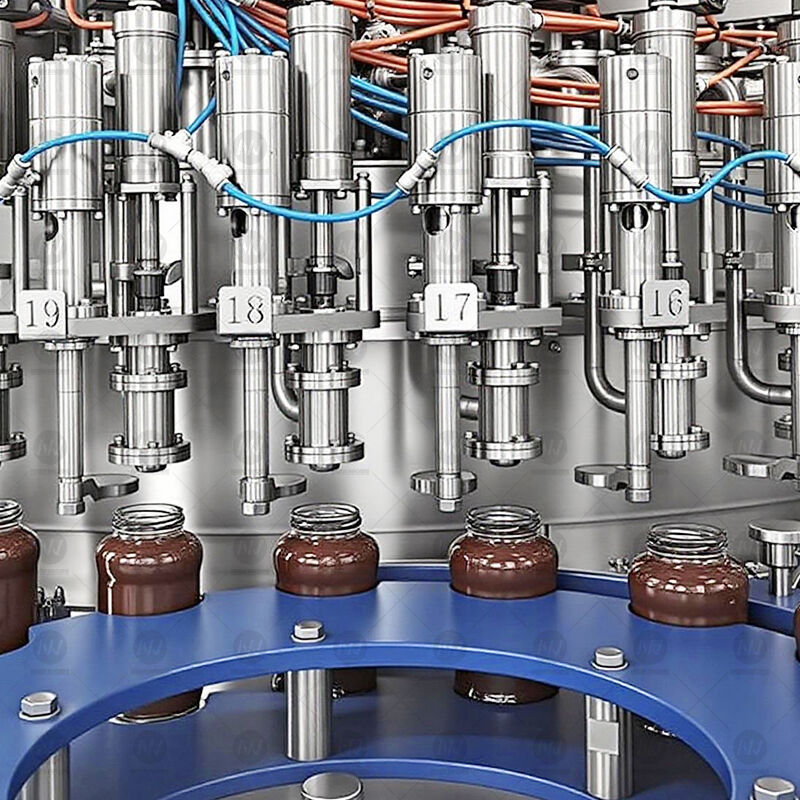
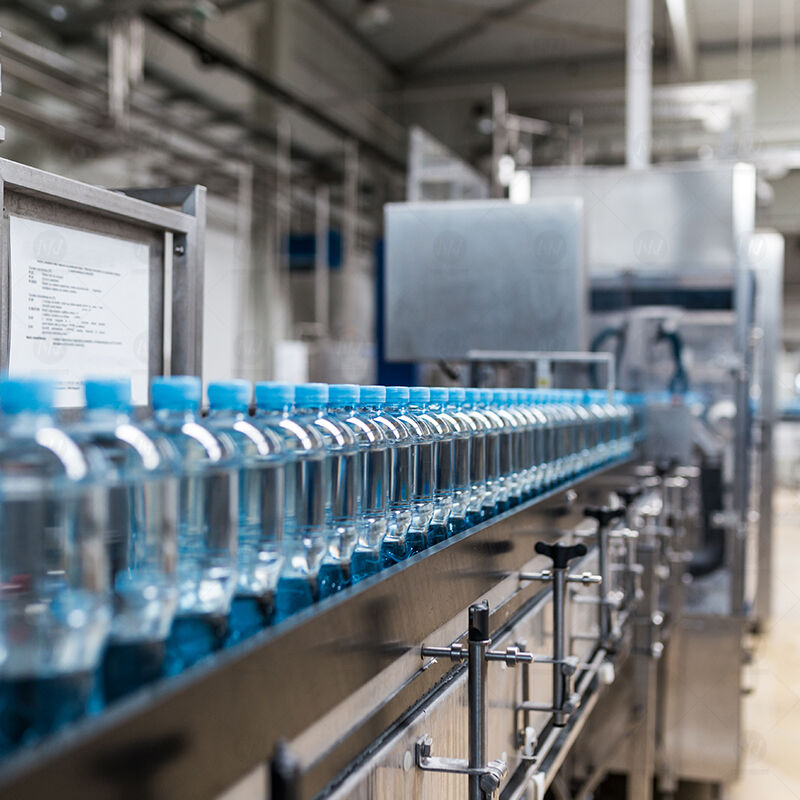
A water bottle production machine represents a sophisticated manufacturing solution designed to streamline the entire bottle production process from raw materials to finished products. These automated systems combine cutting-edge technology with precision engineering to deliver consistent, high-quality plastic bottles for various industries. The primary function of a water bottle production machine encompasses the complete transformation of plastic resin pellets into fully formed bottles through an integrated process that includes heating, molding, cooling, and quality inspection stages. Modern water bottle production machines utilize advanced injection molding or blow molding technologies, depending on the specific bottle design requirements and production volume needs. The technological features of these machines include programmable logic controllers that enable operators to customize bottle specifications, automated material handling systems that reduce manual labor requirements, and sophisticated temperature control mechanisms that ensure optimal plastic flow characteristics. Energy-efficient heating elements and precision cooling systems work together to maintain ideal production temperatures while minimizing energy consumption. The water bottle production machine incorporates real-time monitoring capabilities that track production metrics, detect potential issues before they impact quality, and maintain consistent output standards throughout extended production runs. These machines find extensive applications across diverse industries including beverage manufacturing, pharmaceutical packaging, cosmetic containers, and household product bottling. The versatility of water bottle production machines allows manufacturers to produce various bottle sizes, shapes, and designs while maintaining production efficiency and cost-effectiveness. Quality assurance features built into these systems include automated inspection protocols that verify dimensional accuracy, wall thickness uniformity, and surface quality standards. The integration of servo-driven mechanisms ensures precise movement control during all production phases, resulting in superior product consistency and reduced waste generation.

 EN
EN