Professional Wine Bottling Machine Solutions - Precision Filling & Automated Production

Requesting a Call:

+8615601563990

Online Support

[email protected]

WhatsApp

+86-15601563990

wine bottling machine

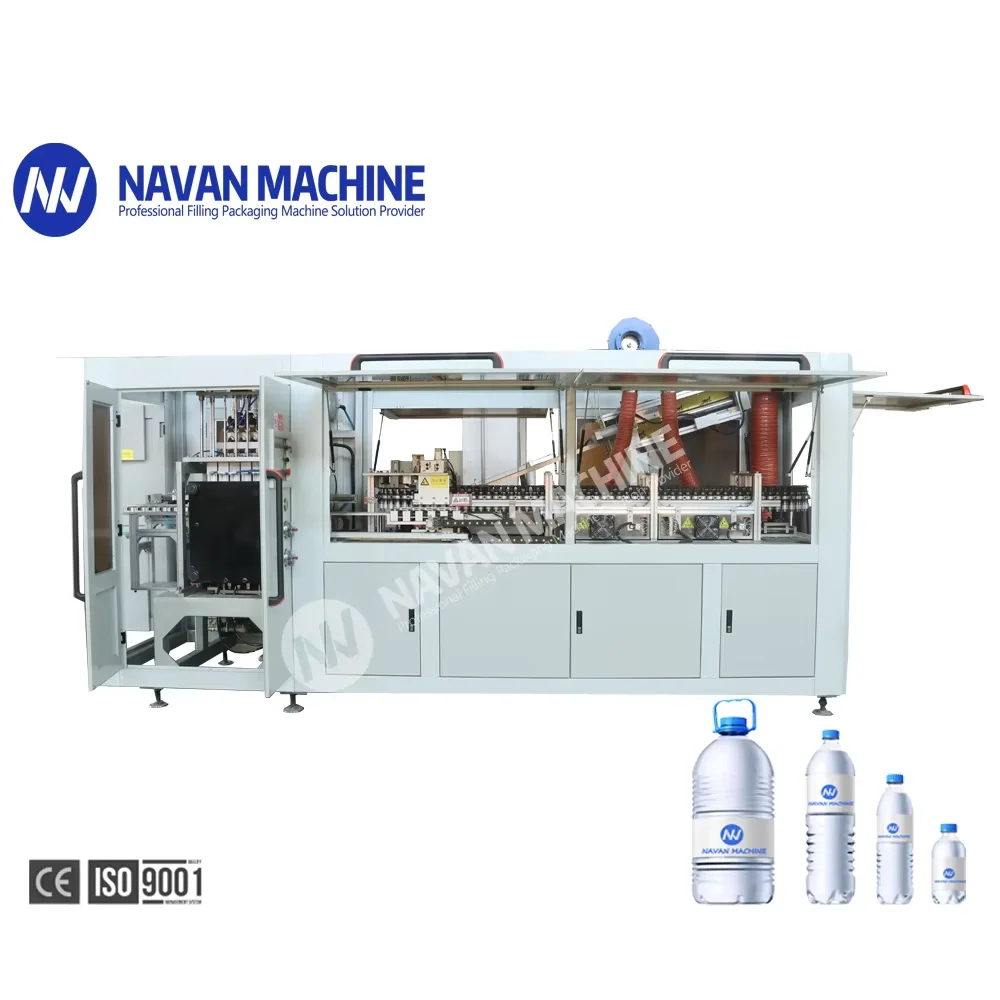
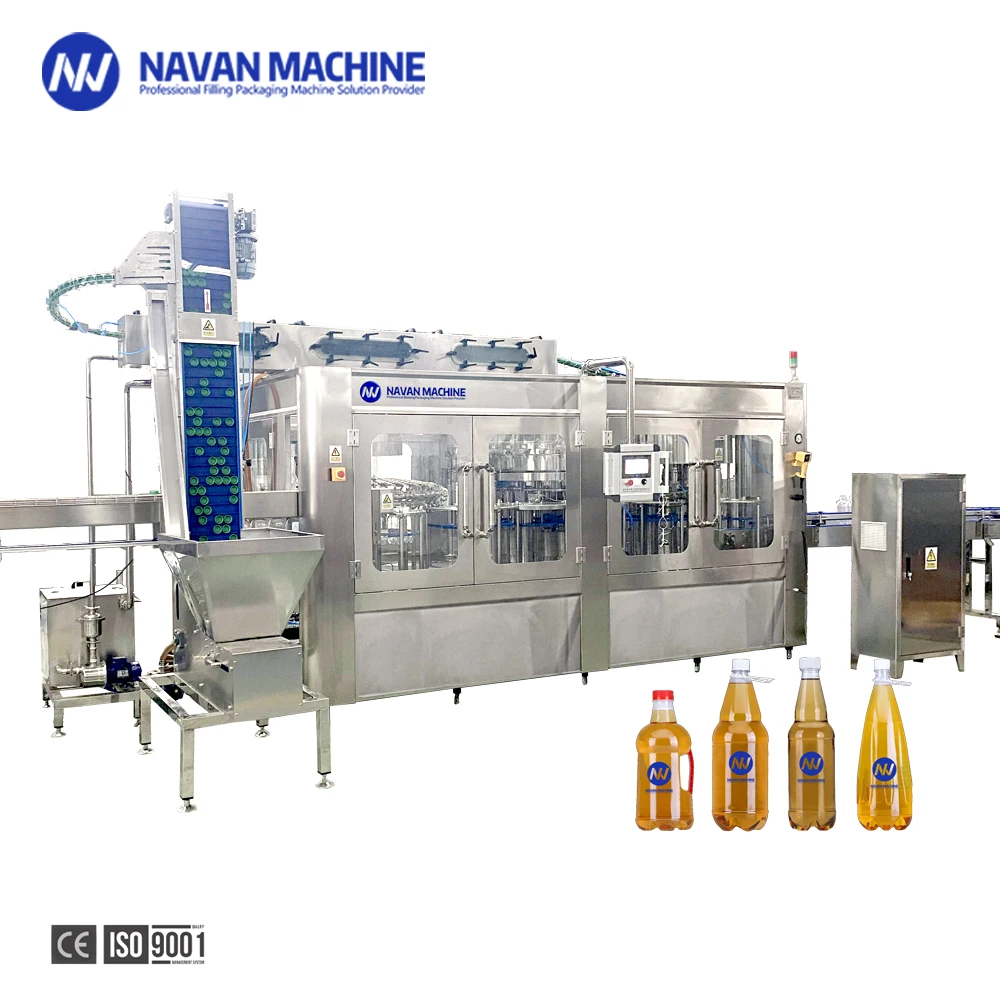
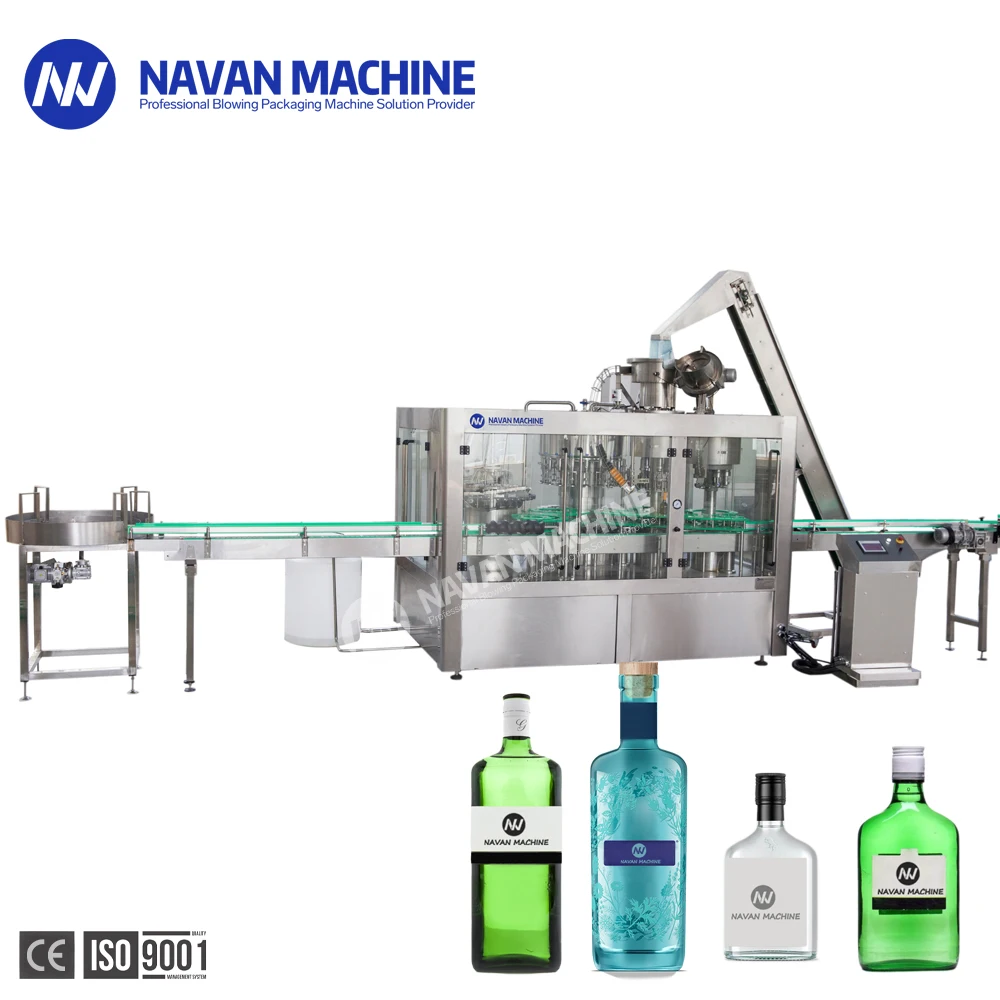
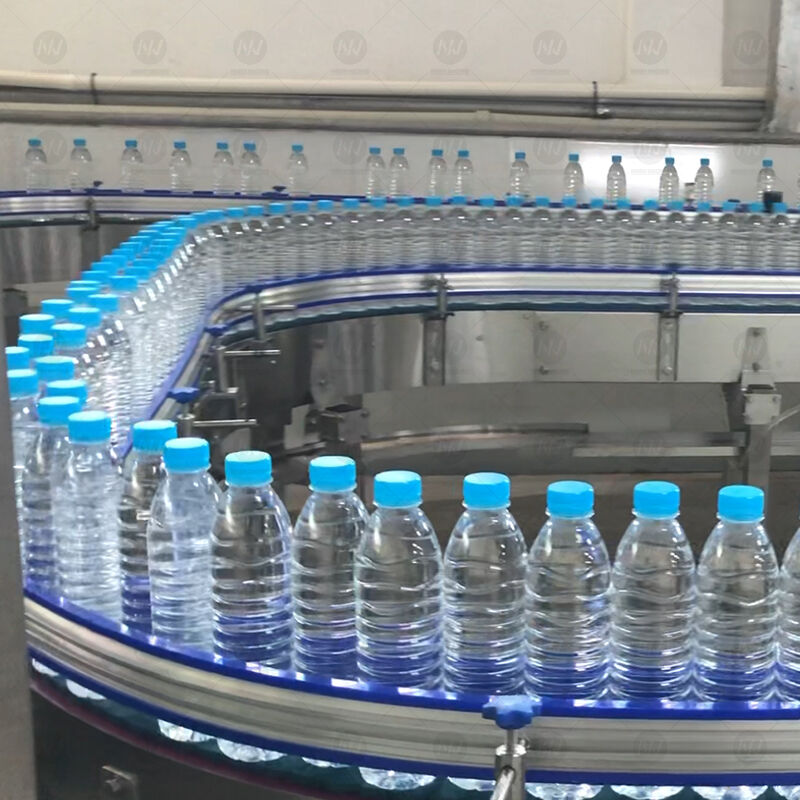
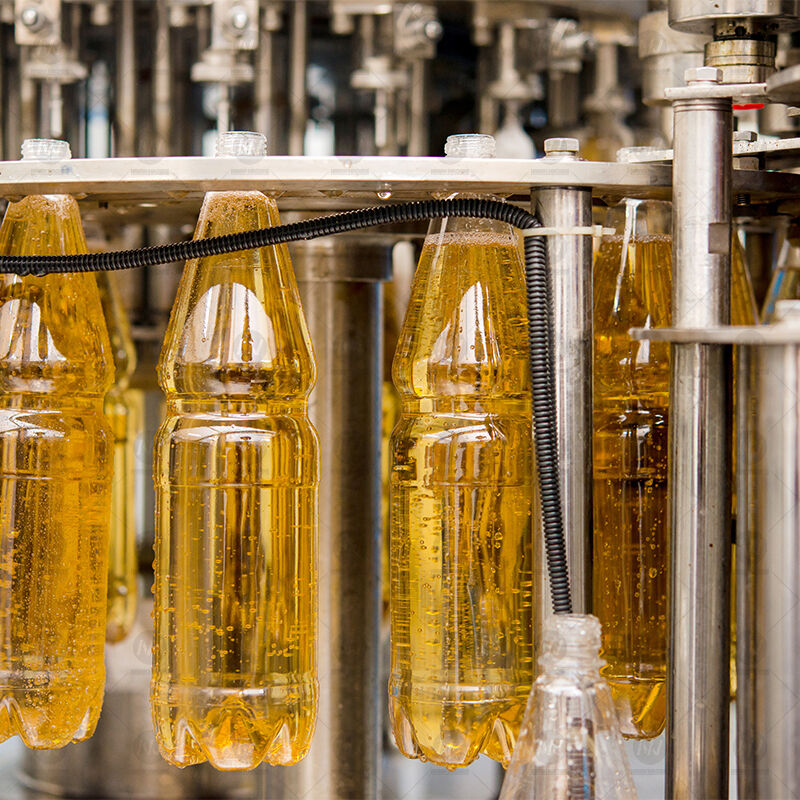
A wine bottling machine represents a crucial piece of equipment in the modern winemaking industry, designed to automate the complex process of filling bottles with wine while maintaining product integrity and quality. This sophisticated machinery combines precision engineering with advanced technology to deliver consistent, efficient bottling operations that meet the demanding standards of commercial wine production. The primary function of a wine bottling machine involves the systematic filling of glass bottles with wine at predetermined volumes, ensuring uniform product distribution across each container. These machines incorporate multiple operational stages, including bottle cleaning, wine filling, cork insertion, and cap application, all executed through automated sequences that minimize human intervention and reduce contamination risks. The technological features of modern wine bottling machines include programmable logic controllers that enable operators to customize filling parameters according to specific wine varieties and bottle specifications. Sensors monitor filling levels with remarkable accuracy, while pneumatic systems control the precise movement of bottles through various processing stations. Temperature control mechanisms maintain optimal wine conditions during the bottling process, preventing oxidation and preserving flavor profiles. Advanced filtration systems remove any remaining particles or sediments before the wine reaches the bottles, ensuring crystal-clear final products. The applications of wine bottling machines extend across various scales of wine production, from boutique wineries producing limited quantities to large commercial operations handling thousands of bottles daily. These machines accommodate different bottle sizes and shapes, making them versatile solutions for diverse product lines. Craft wineries benefit from smaller, more flexible wine bottling machines that can handle multiple wine varieties with quick changeover capabilities. Industrial wine producers rely on high-capacity systems that deliver exceptional throughput rates while maintaining consistent quality standards. The integration of these machines into existing production lines enhances overall operational efficiency and reduces labor costs significantly.

New Products

Wine bottling machines deliver exceptional operational efficiency that transforms production capabilities for wineries of all sizes. These automated systems significantly reduce the time required to complete bottling runs compared to manual methods, enabling producers to process larger volumes within shorter timeframes. The consistency delivered by wine bottling machines eliminates human error variables that commonly occur during manual bottling, ensuring every bottle receives the exact same volume of wine with identical filling accuracy. This precision directly translates to improved product quality and customer satisfaction, as consumers receive consistent products that meet their expectations every time. Cost reduction represents another significant advantage, as wine bottling machines minimize labor requirements while maximizing productivity output. Fewer workers are needed to operate these automated systems, reducing payroll expenses and eliminating the need for extensive manual training programs. The machines work continuously without breaks, fatigue, or performance variations, maintaining steady production rates throughout extended operating periods. Quality control benefits are substantial, as wine bottling machines incorporate advanced monitoring systems that detect and prevent defects before they reach consumers. These systems identify improperly filled bottles, damaged containers, or contamination issues, automatically rejecting defective products and maintaining high quality standards. The sealed, controlled environment provided by wine bottling machines protects wine from external contamination sources, preserving flavor integrity and extending shelf life. Hygiene standards are dramatically improved through automated cleaning cycles that sanitize all contact surfaces between production runs, ensuring compliance with food safety regulations. Flexibility represents a key advantage, as modern wine bottling machines can quickly adapt to different bottle types, wine varieties, and production volumes without extensive reconfiguration requirements. This adaptability allows wineries to respond rapidly to market demands and seasonal variations in production needs. The data collection capabilities of wine bottling machines provide valuable insights into production efficiency, helping operators identify optimization opportunities and track performance metrics over time. Maintenance requirements are generally minimal, with most systems designed for reliable long-term operation with routine preventive care. The return on investment for wine bottling machines is typically achieved within a reasonable timeframe through increased production capacity, reduced labor costs, and improved product quality that commands higher market prices.

Latest News

How Does a Water Filling Line Maintain Hygiene and Product Purity?

31

Oct

How Does a Water Filling Line Maintain Hygiene and Product Purity?

Ensuring Safety and Quality in Beverage Production Systems The modern beverage industry faces an ever-growing challenge to maintain impeccable hygiene standards while meeting increasing production demands. At the heart of this challenge lies the wate...
View More
What Are the Long-Term Benefits of Investing in Advanced Water Filling Lines?

31

Oct

What Are the Long-Term Benefits of Investing in Advanced Water Filling Lines?

Transforming Beverage Production Through Modern Automation The beverage industry is witnessing a revolutionary transformation as manufacturers increasingly turn to advanced water filling lines to streamline their operations. These sophisticated syste...
View More
What Technologies Ensure Freshness and Shelf Life in Beer Filling Systems?

31

Oct

What Technologies Ensure Freshness and Shelf Life in Beer Filling Systems?

Modern Innovations in Beer Filling Technology The brewing industry has witnessed remarkable technological advancements in beer filling systems, revolutionizing how breweries maintain product freshness and extend shelf life. Today's sophisticated beer...
View More
How Does a Jam Filling Machine Handle Thick and Sticky Products Efficiently?

31

Oct

How Does a Jam Filling Machine Handle Thick and Sticky Products Efficiently?

Understanding Modern Industrial Jam Processing Equipment The food processing industry has witnessed remarkable technological advancements, particularly in the realm of handling viscous products. At the heart of efficient jam production lies the sophi...
View More

Get a Free Quote

Our representative will contact you soon.
Email
Name
Company Name
Message
0/1000

wine bottling machine

Precision Filling Technology for Consistent Quality

Precision Filling Technology for Consistent Quality

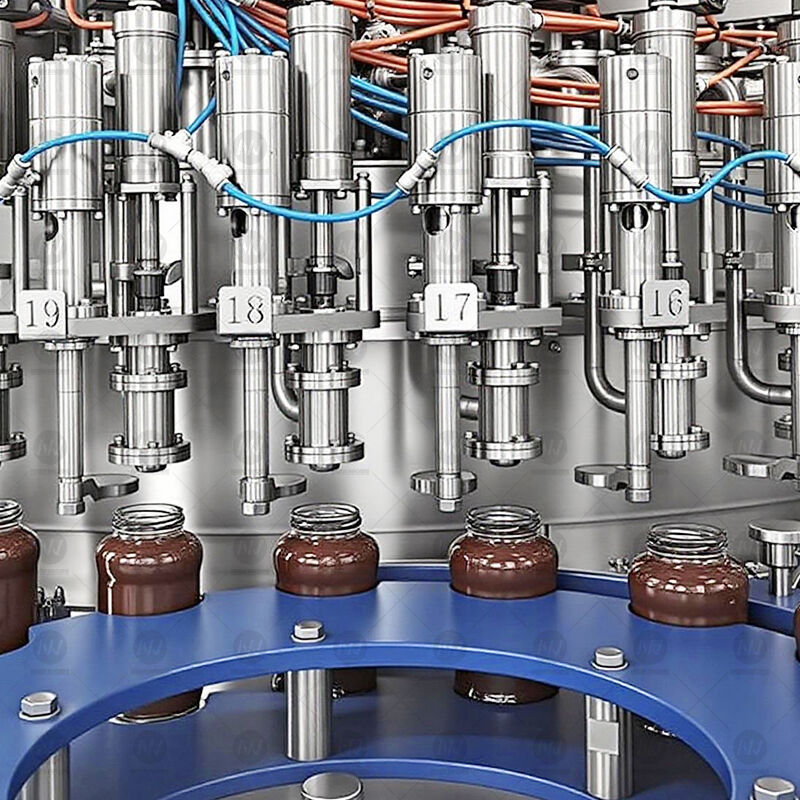
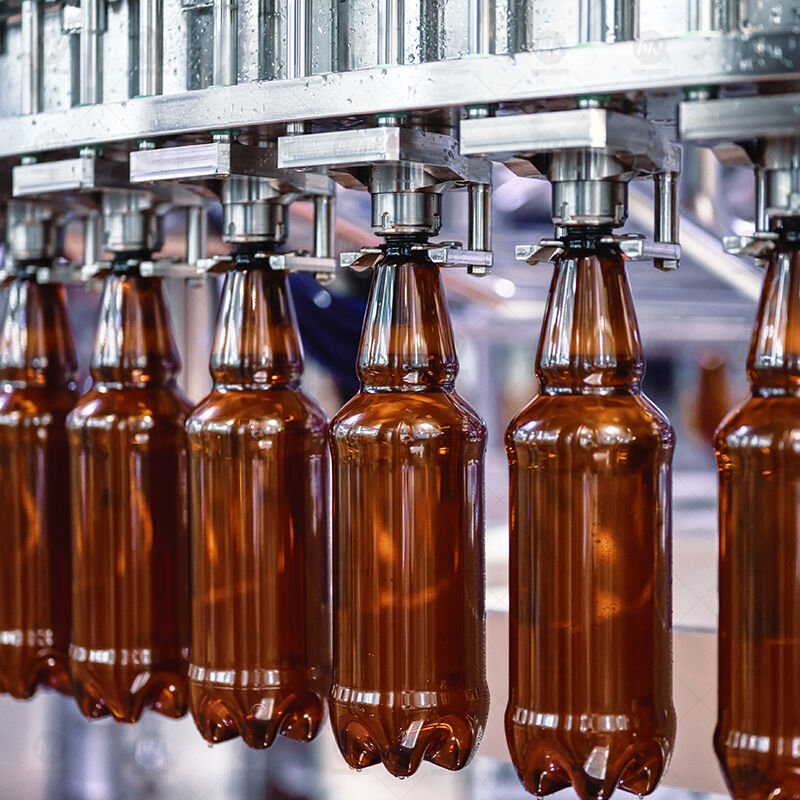
The precision filling technology integrated into modern wine bottling machines represents a revolutionary advancement that ensures exceptional consistency across every bottle produced. This sophisticated system utilizes advanced sensor technology and computerized controls to monitor and regulate the exact volume of wine dispensed into each container, eliminating the variations commonly associated with manual filling methods. The technology employs multiple measurement techniques, including weight-based monitoring and optical level detection, to guarantee that every bottle receives the precise amount specified by production parameters. This level of accuracy is crucial for maintaining brand consistency and meeting regulatory requirements that govern wine packaging standards. The precision filling system adapts automatically to different wine viscosities and temperatures, compensating for variations that might affect flow rates during the bottling process. Advanced algorithms calculate optimal filling speeds and pressure settings based on real-time feedback from sensors, ensuring gentle handling that preserves wine quality while maintaining efficiency. The system prevents overfilling and underfilling scenarios that can result in product waste or customer dissatisfaction, contributing to improved profit margins and enhanced reputation. Temperature-controlled filling environments maintain wine integrity throughout the bottling process, preventing oxidation and preserving delicate flavor compounds that define premium wine characteristics. The precision technology includes automatic calibration features that maintain accuracy over extended production runs, eliminating drift that might occur with manual adjustment methods. Quality assurance protocols built into the precision filling system provide comprehensive documentation of each bottle filled, creating detailed production records that support traceability requirements and quality control audits. This technological advancement enables wineries to achieve professional-grade bottling results regardless of their production scale, leveling the playing field between small craft producers and large commercial operations. The investment in precision filling technology pays dividends through reduced waste, improved customer satisfaction, and the ability to command premium prices for consistently high-quality products.
Automated Sanitization and Hygiene Control

Automated Sanitization and Hygiene Control

Automated sanitization and hygiene control systems built into wine bottling machines provide unparalleled protection against contamination while ensuring compliance with stringent food safety standards. These comprehensive systems eliminate the risk factors associated with manual cleaning procedures, delivering consistent sanitization results that protect product integrity and consumer health. The automated cleaning cycles utilize precisely controlled chemical solutions and water temperatures to remove all traces of wine residue, bacteria, and other potential contaminants from every surface that contacts the product. Programmable cleaning sequences ensure that all components receive appropriate sanitization treatment based on their specific requirements and contamination risks. The system monitors cleaning solution concentrations and contact times to guarantee effective sanitization without compromising equipment integrity or leaving chemical residues that might affect wine taste. Steam sterilization capabilities provide additional antimicrobial protection for critical components, achieving sterility levels that exceed industry standards for beverage production. Automated air filtration systems maintain clean environments around filling stations, preventing airborne contaminants from entering bottles during the filling process. The hygiene control system includes real-time monitoring of environmental conditions, tracking temperature, humidity, and particle levels to ensure optimal conditions for safe wine bottling operations. Validation protocols built into the sanitization system provide documented proof of cleaning effectiveness, supporting quality assurance programs and regulatory compliance requirements. The automated approach eliminates human error variables that can compromise sanitization effectiveness, ensuring consistent results regardless of operator experience or attention to detail. Rapid changeover capabilities allow the wine bottling machine to switch between different wine varieties while maintaining complete sanitization between products, preventing cross-contamination and flavor transfer issues. The comprehensive hygiene control system reduces the risk of product recalls and liability issues while protecting brand reputation through consistent product safety. Investment in automated sanitization technology demonstrates commitment to quality and safety that resonates with consumers and regulatory authorities, supporting market positioning for premium wine products.
Flexible Production Capacity and Scalability

Flexible Production Capacity and Scalability

Flexible production capacity and scalability features make wine bottling machines invaluable investments that grow with expanding business operations while accommodating varying production demands throughout different seasons and market cycles. These adaptable systems can efficiently handle small batch productions for limited edition wines while seamlessly scaling up for high-volume commercial runs without compromising quality or efficiency. The modular design philosophy incorporated into modern wine bottling machines allows operators to add or remove components based on current production requirements, optimizing equipment configuration for specific bottling projects. Variable speed controls enable precise adjustment of production rates to match available wine inventory, prevent bottlenecks in the production line, and coordinate with other processing equipment for optimal workflow management. Quick-change capabilities facilitate rapid transitions between different bottle sizes, shapes, and wine varieties, minimizing downtime and maximizing productive capacity utilization throughout diverse product lines. The scalability extends to future expansion plans, as wine bottling machines can be upgraded with additional modules or enhanced capabilities without requiring complete equipment replacement. This evolutionary approach protects initial investments while enabling wineries to respond to growth opportunities and changing market demands. Automated recipe management systems store multiple production configurations, allowing operators to recall specific settings for different products instantly without manual reconfiguration. The flexibility includes accommodation for various packaging requirements, from standard wine bottles to specialty containers, enabling wineries to diversify their product offerings and explore niche market opportunities. Production scheduling optimization features help maximize equipment utilization by efficiently organizing bottling runs based on wine availability, bottle inventory, and delivery commitments. Real-time production monitoring provides insights into capacity utilization and efficiency metrics, enabling data-driven decisions about production planning and equipment optimization. The scalable nature of wine bottling machines supports business growth strategies by eliminating production capacity constraints that might otherwise limit expansion opportunities. This flexibility ensures that the wine bottling machine investment continues delivering value as operations evolve, making it a strategic asset that supports long-term business success while adapting to changing industry requirements and consumer preferences.

Get a Free Quote

Our representative will contact you soon.
Email
Name
Company Name
Message
0/1000

Get a Free Quote

Our representative will contact you soon.
Email
Name
Company Name
Message
0/1000
TopTop