 EN
EN
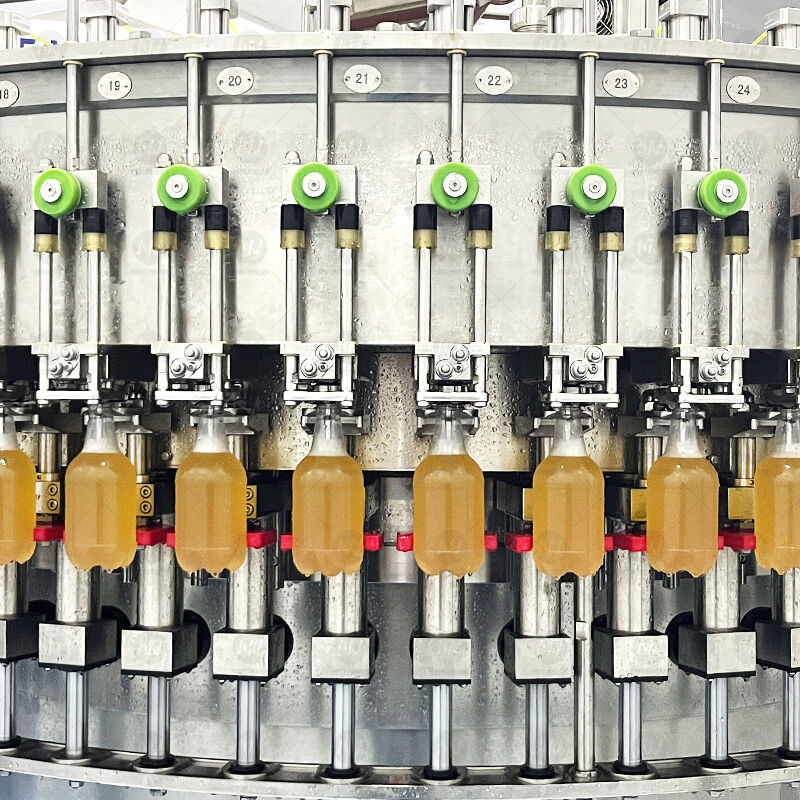
The global beverage industry continues to expand rapidly, with manufacturers seeking efficient and reliable production solutions to meet growing consumer demand. Modern beverage filling machines have evolved to incorporate advanced automation technologies, precision engineering, and versatile capabilities that accommodate various liquid types and container formats. These sophisticated systems play a crucial role in ensuring product quality, maintaining hygiene standards, and optimizing production efficiency across juice, soda, water, and specialty beverage manufacturing facilities worldwide.
Today's market offers an impressive array of automated filling solutions designed to handle diverse production requirements, from small-scale artisanal operations to large-scale industrial facilities. Understanding the key features, performance capabilities, and technical specifications of leading beverage filling machines becomes essential for manufacturers planning to upgrade their production lines or establish new bottling operations in 2025.
Essential Features of Modern Beverage Filling Technology
Advanced Automation and Control Systems
Contemporary beverage filling machines incorporate sophisticated programmable logic controllers (PLCs) and human-machine interfaces (HMIs) that enable precise control over filling parameters. These systems allow operators to adjust fill volumes, control flow rates, and monitor production metrics in real-time. The integration of servo-driven mechanisms ensures consistent accuracy across thousands of containers per hour, while touch-screen interfaces provide intuitive operation and comprehensive data logging capabilities.
Smart sensor technology plays a vital role in maintaining product quality and preventing contamination. Level sensors, pressure monitors, and temperature controls work together to ensure optimal filling conditions throughout the production cycle. Advanced models feature automatic cleaning-in-place (CIP) systems that reduce downtime and maintain sanitary conditions without manual intervention, supporting continuous production schedules in demanding manufacturing environments.
Versatile Container Handling Capabilities
Modern filling equipment demonstrates remarkable flexibility in accommodating various container types, sizes, and materials. Quick-change mechanisms allow manufacturers to switch between different bottle formats within minutes, supporting diverse product lines without extensive reconfiguration. Adjustable conveyor systems, variable-height filling heads, and adaptable capping mechanisms enable seamless transitions between glass bottles, plastic containers, and aluminum cans.
Precision gripper systems and gentle handling mechanisms minimize container stress and reduce breakage rates, particularly important when processing delicate glass bottles or thin-walled plastic containers. Integrated vision systems inspect container integrity before filling, rejecting damaged units and ensuring consistent product presentation in the marketplace.
Leading Beverage Filling Machine Categories
Gravity-Fed Filling Systems
Gravity-fed beverage filling machines represent the most widely adopted technology for non-carbonated beverages, including juices, teas, sports drinks, and flavored waters. These systems utilize atmospheric pressure differential to achieve consistent fill levels while maintaining gentle product handling. The simplicity of gravity-fed mechanisms reduces maintenance requirements and operational complexity, making them ideal for medium to high-volume production environments.
Advanced gravity fillers incorporate electronic fill-level control systems that automatically adjust timing parameters based on liquid viscosity and temperature variations. Multi-head configurations enable high-speed operation, with some models achieving filling rates exceeding 1,200 bottles per minute while maintaining accuracy within ±1ml tolerances.
Pressure-Based Filling Solutions
Pressure filling technology excels in handling carbonated beverages, where maintaining CO2 levels requires specialized equipment design. Counter-pressure fillers create a sealed environment during the filling process, preserving carbonation while preventing foaming and product loss. These systems feature pressure vessels, gas recovery mechanisms, and precise timing controls that ensure consistent carbonation levels across every container.
Isobaric filling principles allow manufacturers to handle highly carbonated products like sodas, energy drinks, and sparkling waters without compromising quality. Advanced models incorporate CO2 injection systems that can adjust carbonation levels during production, enabling manufacturers to create products with varying effervescence levels using the same equipment platform.
Top-Performing Beverage Filling Machine Models
High-Speed Rotary Filling Systems
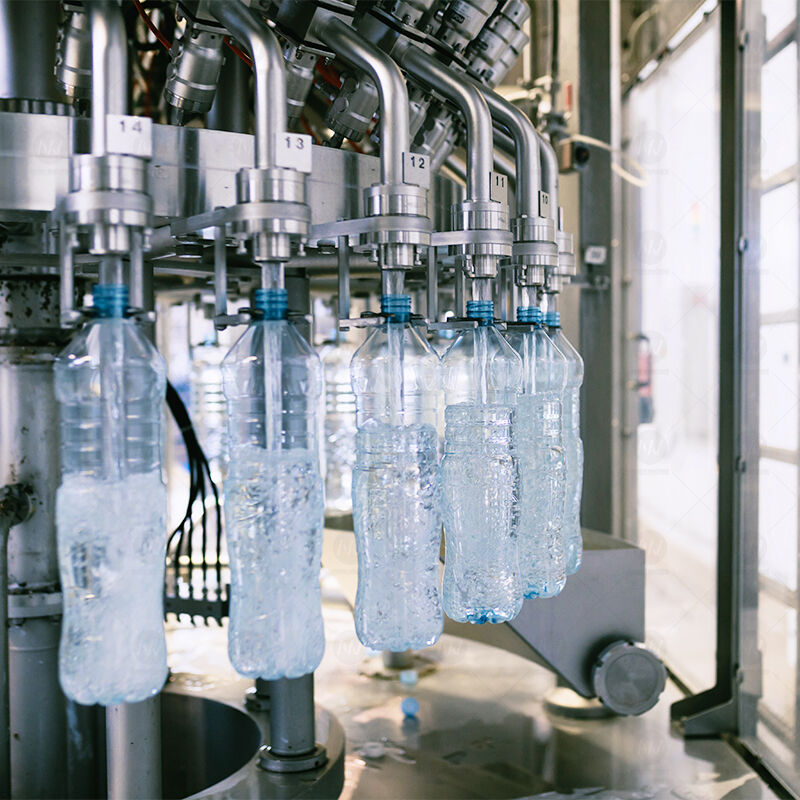
Rotary filling machines represent the pinnacle of high-volume beverage production technology, featuring continuous motion mechanisms that achieve exceptional throughput rates. These sophisticated systems incorporate multiple filling stations arranged in a circular configuration, allowing containers to move smoothly through filling, capping, and labeling operations without stopping. Premium rotary fillers can process up to 2,000 containers per minute while maintaining precise fill accuracy and minimizing product waste.
Electronic cam-driven systems provide superior motion control compared to traditional mechanical cam designs, enabling smoother operation and reduced wear on critical components. Servo-controlled filling valves respond instantaneously to electronic signals, ensuring consistent performance across varying production speeds and liquid characteristics. These machines excel in large-scale operations where continuous production and minimal downtime are essential for meeting market demand.
Compact Linear Filling Solutions
Linear beverage filling machines offer excellent performance for small to medium-scale production facilities, providing flexibility and affordability without compromising quality standards. These systems feature straight-line container handling with multiple filling heads positioned along the conveyor path. Modern linear fillers incorporate many of the same advanced technologies found in rotary systems, including servo-driven mechanisms, electronic controls, and automated cleaning capabilities.
Modular designs allow manufacturers to configure systems with varying numbers of filling heads, typically ranging from 4 to 24 stations depending on production requirements. Quick-change tooling enables rapid product changeovers, while compact footprints make these machines suitable for facilities with limited floor space. Some models achieve filling speeds of 300-600 containers per minute, making them ideal for craft beverage producers and regional bottling operations.
Specialized Applications and Industry Solutions
Aseptic Filling Technology
Aseptic beverage filling machines enable manufacturers to process heat-sensitive products while achieving extended shelf life without refrigeration. These sophisticated systems incorporate steam sterilization, sterile air filtration, and positive pressure environments that eliminate microbial contamination risks. Ultra-high temperature (UHT) processing combined with aseptic filling allows manufacturers to package fresh juices, dairy-based beverages, and protein drinks with shelf lives exceeding 12 months.
Sterile barrier technology isolates the filling environment from external contamination sources, while hydrogen peroxide sterilization systems sanitize containers immediately before filling. Advanced aseptic fillers feature automated validation systems that continuously monitor sterility parameters and provide comprehensive documentation for regulatory compliance. These capabilities are essential for manufacturers targeting international markets with strict food safety requirements.
Hot-Fill Processing Systems
Hot-fill beverage filling machines accommodate products that require thermal processing for preservation, including fruit juices, teas, and acidic beverages. These systems heat products to temperatures between 185-195°F before filling, creating conditions that eliminate harmful microorganisms while preserving nutritional content and flavor profiles. Specialized heat-resistant filling components and temperature-controlled environments ensure consistent processing throughout production runs.
Integrated cooling tunnels gradually reduce product temperature after filling and capping, preventing thermal shock that could damage containers or affect product quality. Advanced models incorporate precise temperature monitoring and control systems that maintain optimal processing conditions while minimizing energy consumption. These capabilities enable manufacturers to produce premium juice products with natural preservation methods rather than chemical additives.
Selection Criteria and Performance Considerations
Production Capacity and Scalability
Determining appropriate production capacity represents a critical decision factor when selecting beverage filling machines for 2025 operations. Manufacturers must consider current production requirements, anticipated growth projections, and market demand fluctuations to choose systems that provide optimal return on investment. Modern filling equipment offers various capacity ranges, from small-scale systems producing 500 bottles per hour to industrial-grade machines achieving 50,000+ units per hour.
Scalable designs allow manufacturers to expand production capabilities by adding filling heads, upgrading control systems, or integrating additional processing modules without replacing entire production lines. Modular construction principles enable cost-effective capacity increases that align with business growth, while standardized interfaces ensure compatibility between different system components and generations of equipment.
Quality Control and Validation Features
Advanced quality control systems integrated into modern beverage filling machines provide comprehensive monitoring and validation of critical processing parameters. Real-time weight checking systems verify fill accuracy for every container, automatically rejecting units that fall outside specified tolerances. Vision inspection systems examine containers for defects, proper cap placement, and label alignment before products enter case packing operations.
Statistical process control (SPC) capabilities enable operators to track performance trends, identify potential issues before they impact production, and maintain detailed records for regulatory compliance. Advanced models incorporate predictive maintenance algorithms that analyze equipment performance data to schedule maintenance activities proactively, minimizing unexpected downtime and ensuring consistent product quality throughout equipment lifecycle.
Installation and Operational Considerations
Facility Integration and Layout Planning
Successful implementation of beverage filling machines requires careful consideration of facility layout, utility requirements, and workflow optimization. Modern filling systems integrate seamlessly with upstream and downstream equipment, including bottle washing machines, pasteurization systems, labeling equipment, and case packing lines. Proper planning ensures smooth product flow while minimizing handling requirements and contamination risks throughout the production process.
Utility requirements for advanced filling equipment include compressed air systems, electrical power with appropriate voltage and phase configurations, water supplies for cleaning operations, and steam generation for sterilization processes. Climate-controlled environments help maintain consistent processing conditions, while proper ventilation systems manage humidity levels and prevent condensation that could impact product quality or equipment performance.
Training and Technical Support
Comprehensive operator training programs ensure manufacturing teams can maximize equipment performance while maintaining safety standards and product quality. Leading equipment manufacturers provide extensive training curricula covering operation procedures, maintenance requirements, troubleshooting techniques, and safety protocols. Hands-on training at manufacturing facilities or supplier locations helps operators develop proficiency with control systems and understand critical process parameters.
Ongoing technical support services include remote diagnostic capabilities, spare parts availability, and field service programs that minimize production disruptions. Advanced telemetry systems enable equipment manufacturers to monitor machine performance remotely, providing proactive support and identifying optimization opportunities that improve overall equipment effectiveness and reduce operating costs.
Future Trends and Technology Developments
Industry 4.0 Integration and Smart Manufacturing
The evolution toward Industry 4.0 principles drives significant innovations in beverage filling machine technology, incorporating Internet of Things (IoT) connectivity, artificial intelligence, and advanced analytics capabilities. Smart filling systems collect vast amounts of operational data that enable predictive maintenance, quality optimization, and energy efficiency improvements. Machine learning algorithms analyze production patterns to identify opportunities for performance enhancement and waste reduction.
Digital twin technology creates virtual representations of physical filling equipment, allowing manufacturers to simulate different operating scenarios, optimize maintenance schedules, and predict equipment behavior under various conditions. These capabilities support data-driven decision making and enable continuous improvement initiatives that enhance productivity and reduce operational costs throughout equipment lifecycle.
Sustainability and Environmental Considerations
Environmental sustainability increasingly influences beverage filling machine design and operation, with manufacturers prioritizing energy efficiency, water conservation, and waste reduction. Advanced systems incorporate variable frequency drives that optimize motor operation based on production requirements, reducing energy consumption during low-demand periods. Heat recovery systems capture thermal energy from pasteurization and cleaning operations, using recovered heat for other facility processes.
Water recycling systems minimize fresh water consumption during cleaning operations, while closed-loop cleaning circuits reduce chemical usage and waste generation. Lightweight container handling mechanisms and optimized motion profiles reduce mechanical stress and energy requirements, contributing to overall sustainability goals while maintaining high-performance production capabilities.
FAQ
What factors determine the optimal filling speed for beverage production lines
Optimal filling speed depends on several interconnected factors including product characteristics, container specifications, quality requirements, and downstream processing capabilities. Viscous products like thick juices require slower filling speeds to prevent foaming and ensure accurate fill levels, while thin liquids like water can be processed at higher speeds. Container materials and designs also influence maximum safe handling speeds, with glass bottles typically requiring more gentle handling than plastic containers. The most effective approach involves balancing production throughput with quality consistency and equipment longevity.
How do modern beverage filling machines handle different liquid viscosities
Advanced beverage filling machines incorporate adjustable flow control systems and variable timing parameters that accommodate liquids ranging from water-thin beverages to thick smoothies and protein drinks. Servo-controlled filling valves can modify opening and closing sequences based on product viscosity, while temperature control systems maintain optimal liquid flow characteristics. Some systems feature multiple filling modes programmed for specific product types, allowing operators to switch between different viscosity ranges with simple recipe changes through the control interface.
What maintenance requirements are typical for high-speed filling equipment
High-speed beverage filling machines require systematic preventive maintenance programs that include daily cleaning and sanitization, weekly lubrication of mechanical components, monthly inspection of wear parts, and quarterly comprehensive system evaluations. Critical maintenance tasks include seal replacement, valve calibration, conveyor alignment, and control system updates. Modern equipment incorporates automated monitoring systems that track component performance and alert operators to potential issues before they impact production, enabling proactive maintenance scheduling that minimizes unexpected downtime.
How do aseptic filling systems maintain sterile conditions during production
Aseptic beverage filling systems maintain sterile conditions through multiple integrated technologies including positive pressure environments, HEPA filtration, steam sterilization, and hydrogen peroxide sanitization. The filling chamber operates under sterile air pressure that prevents external contamination, while all product contact surfaces undergo continuous sterilization during operation. Container sterilization occurs immediately before filling using hydrogen peroxide vapor or rinses, and the entire system undergoes validation procedures that verify sterility levels meet regulatory requirements for extended shelf-life products.
Table of Contents
- Essential Features of Modern Beverage Filling Technology
- Leading Beverage Filling Machine Categories
- Top-Performing Beverage Filling Machine Models
- Specialized Applications and Industry Solutions
- Selection Criteria and Performance Considerations
- Installation and Operational Considerations
- Future Trends and Technology Developments
-
FAQ
- What factors determine the optimal filling speed for beverage production lines
- How do modern beverage filling machines handle different liquid viscosities
- What maintenance requirements are typical for high-speed filling equipment
- How do aseptic filling systems maintain sterile conditions during production