Professional Beverage Filling Equipment: Advanced Solutions for Efficient Liquid Packaging

Requesting a Call:

+8615601563990

Online Support

[email protected]

WhatsApp

+86-15601563990

beverage filling equipment

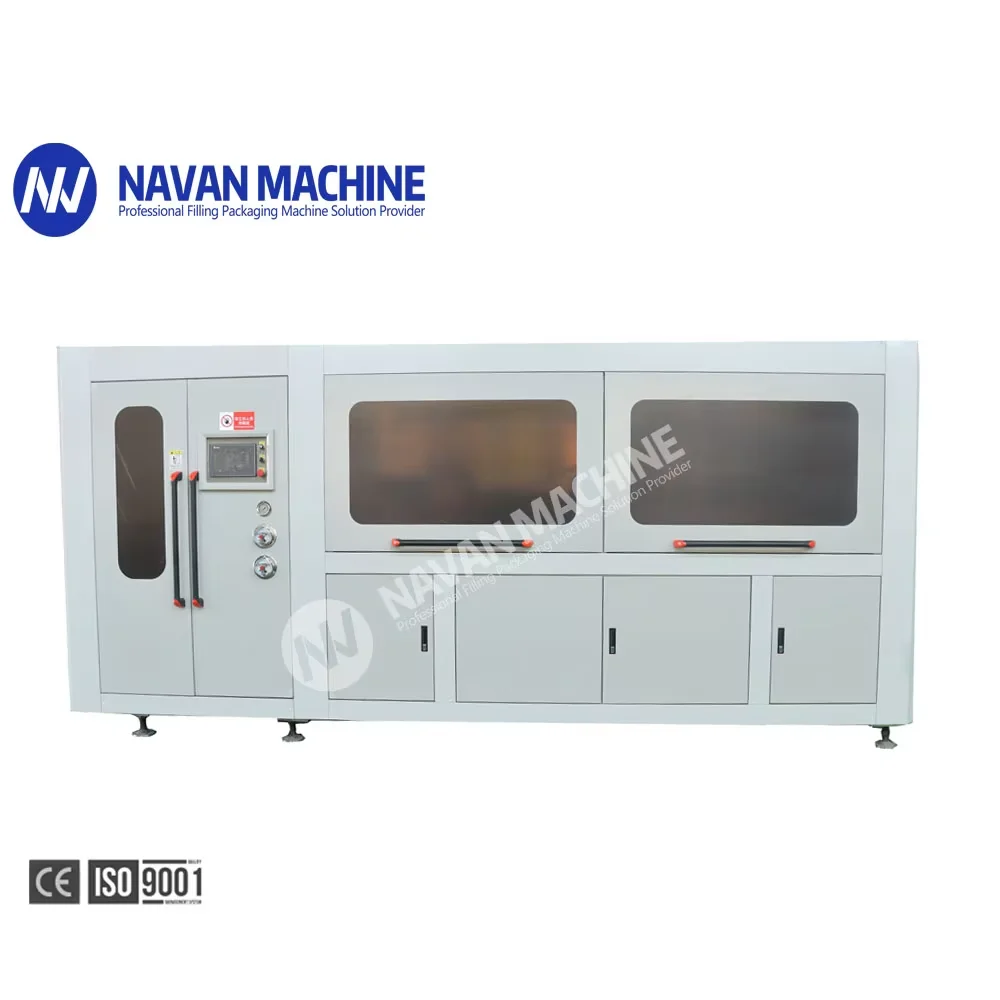
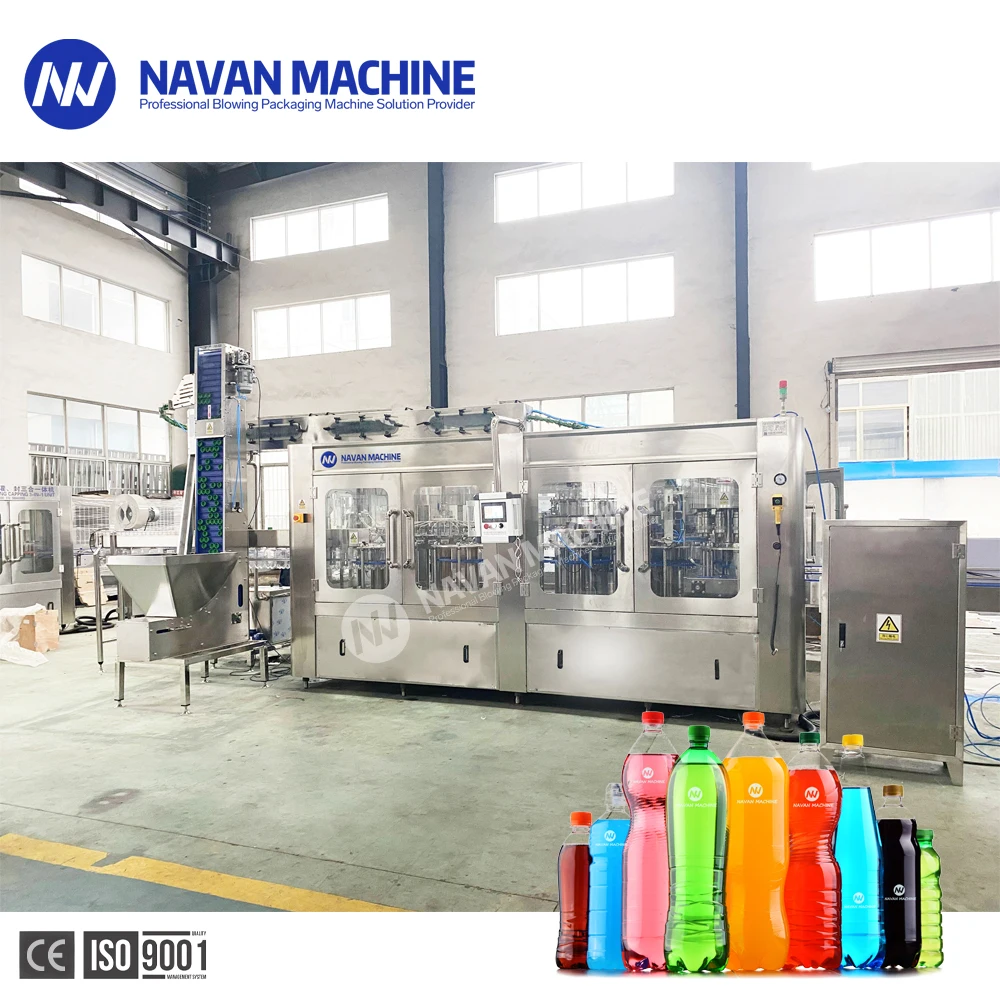
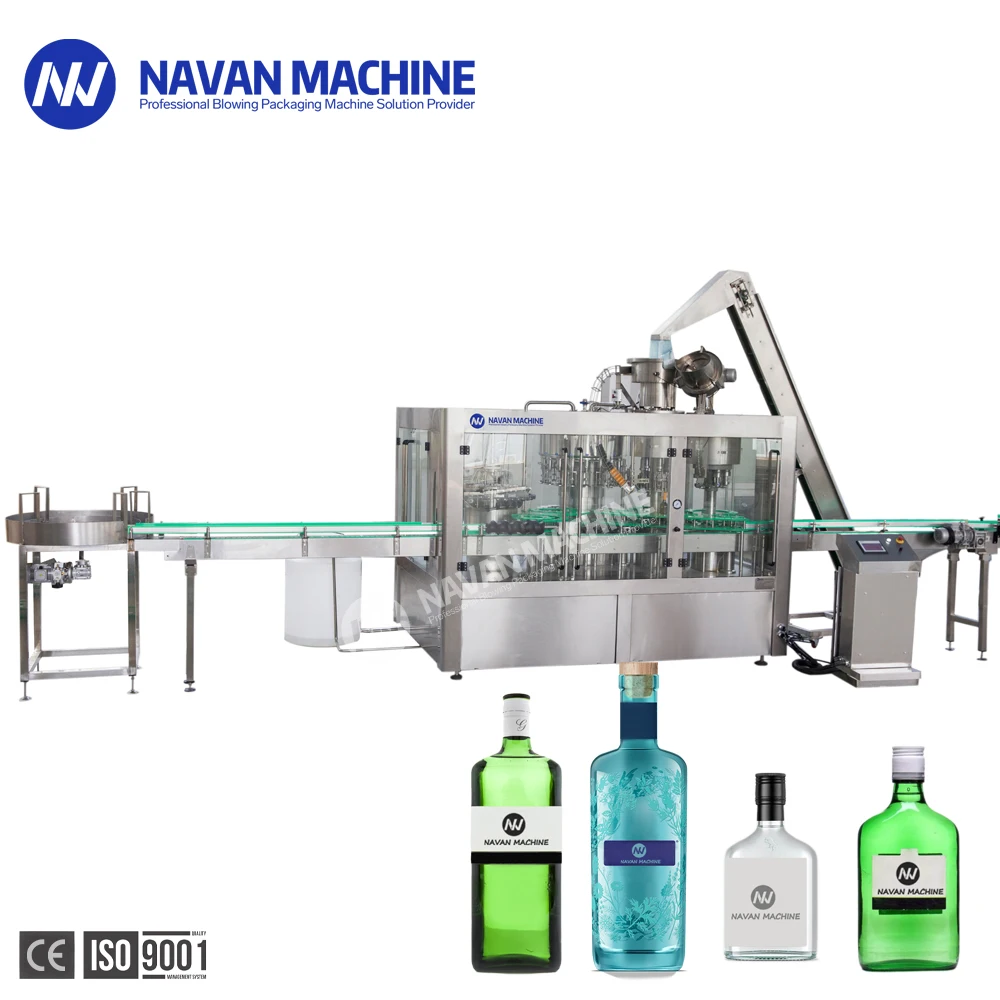
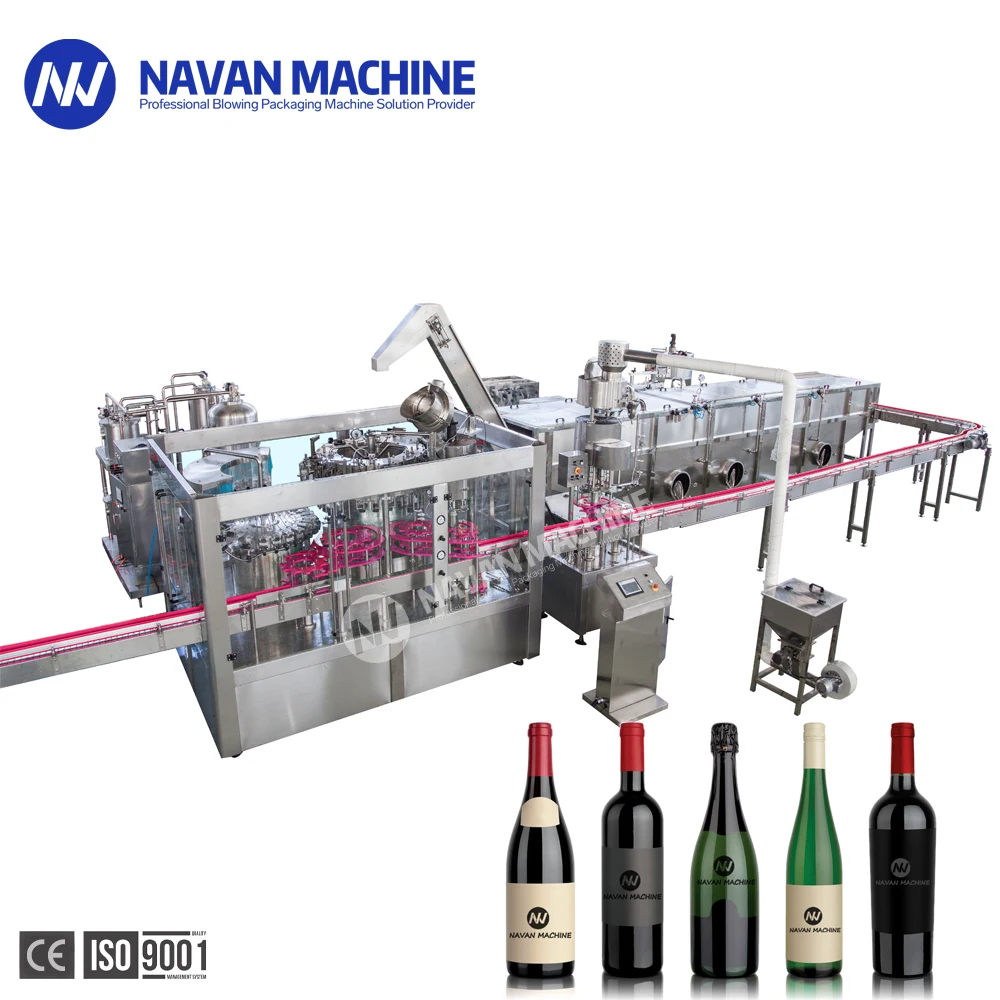
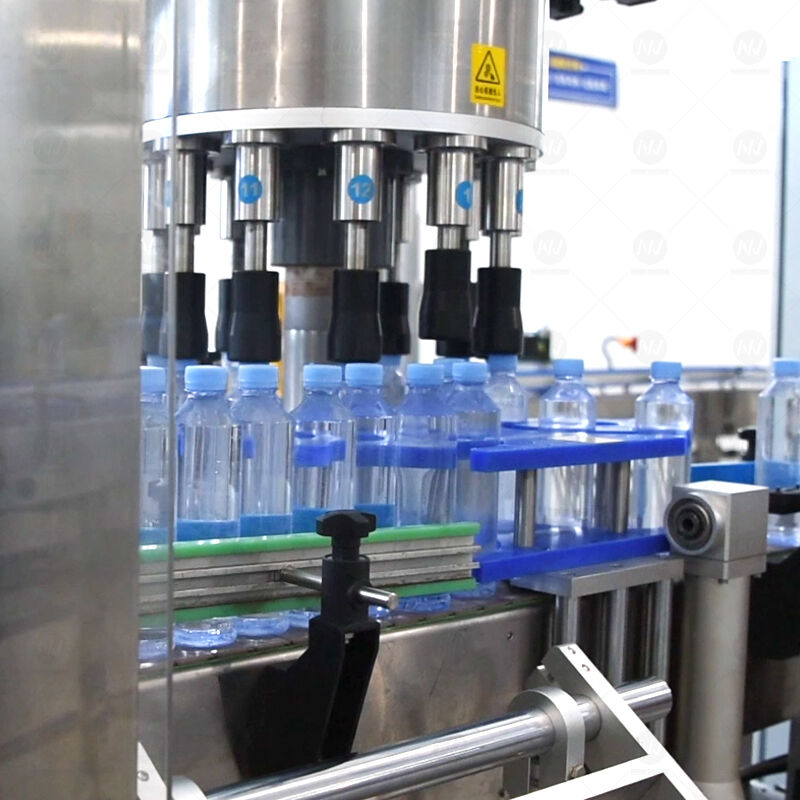
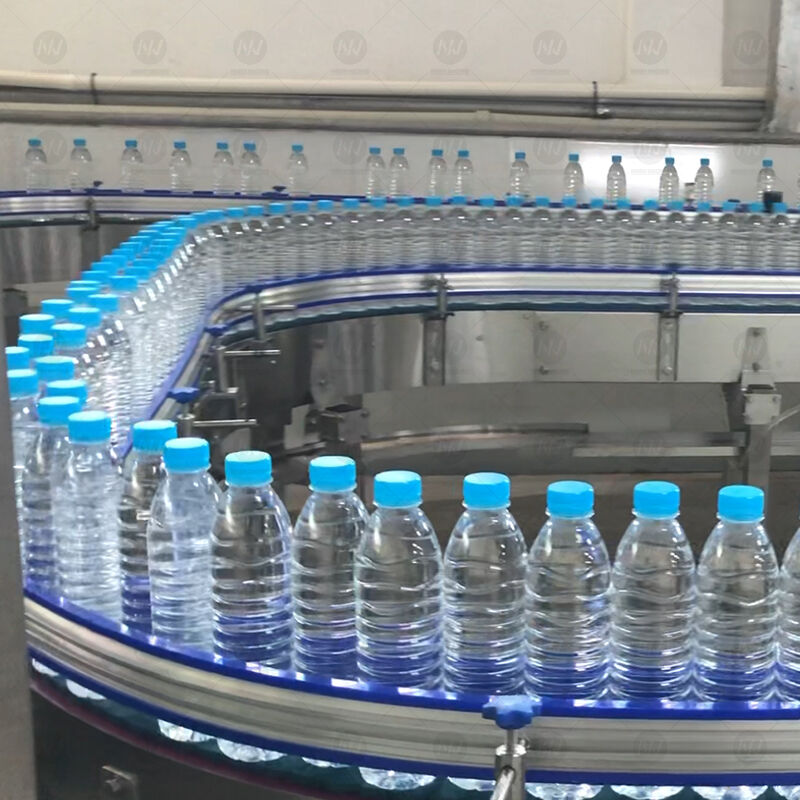
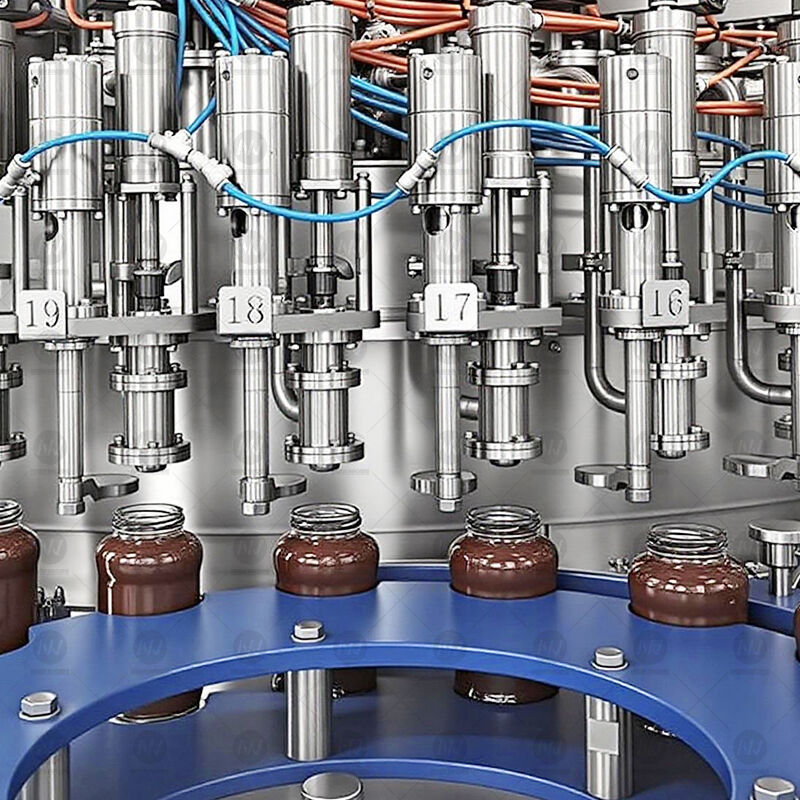
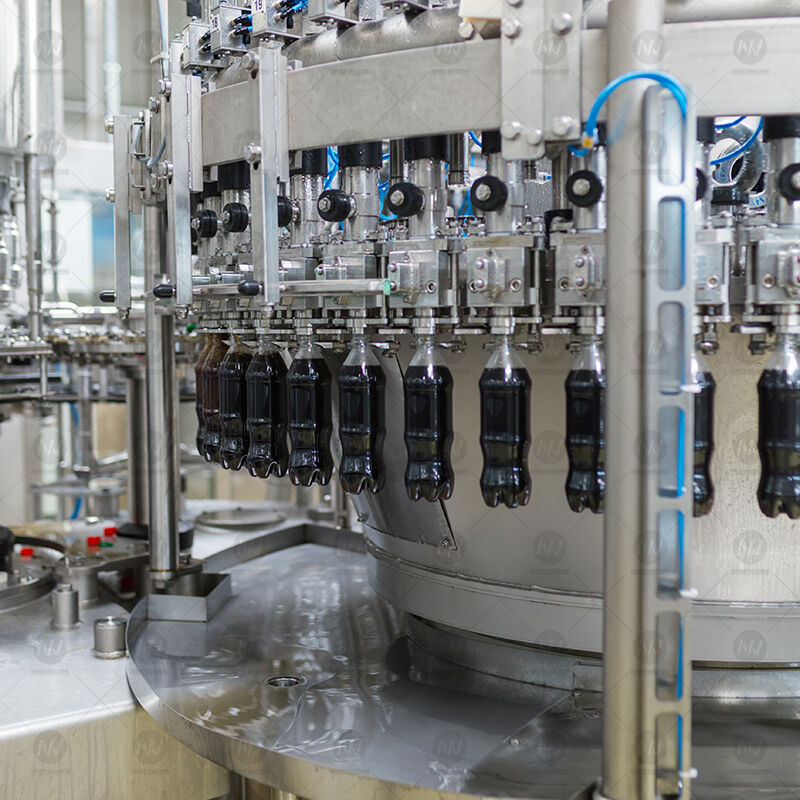
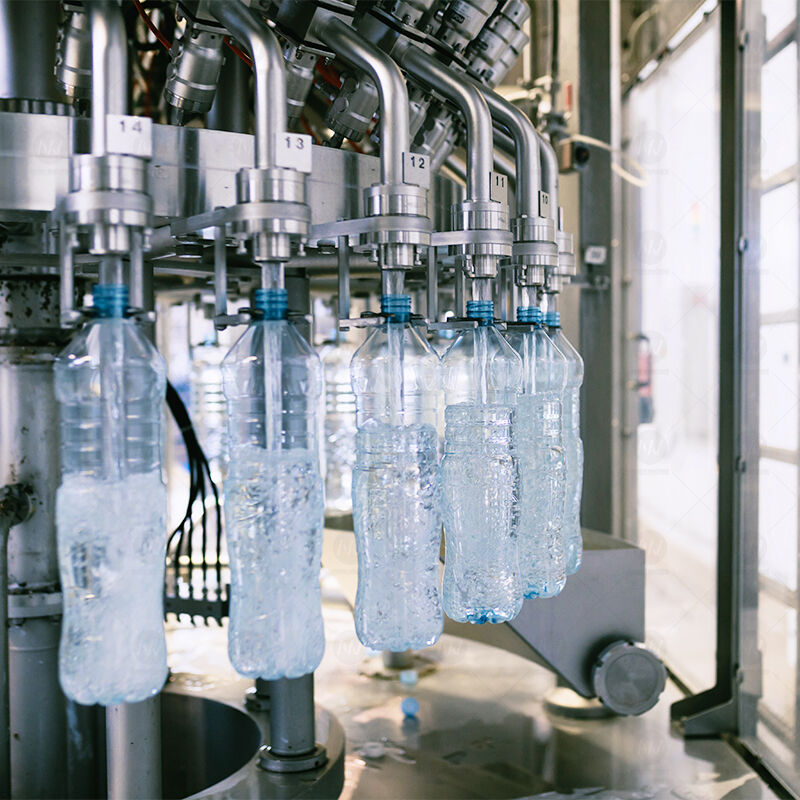
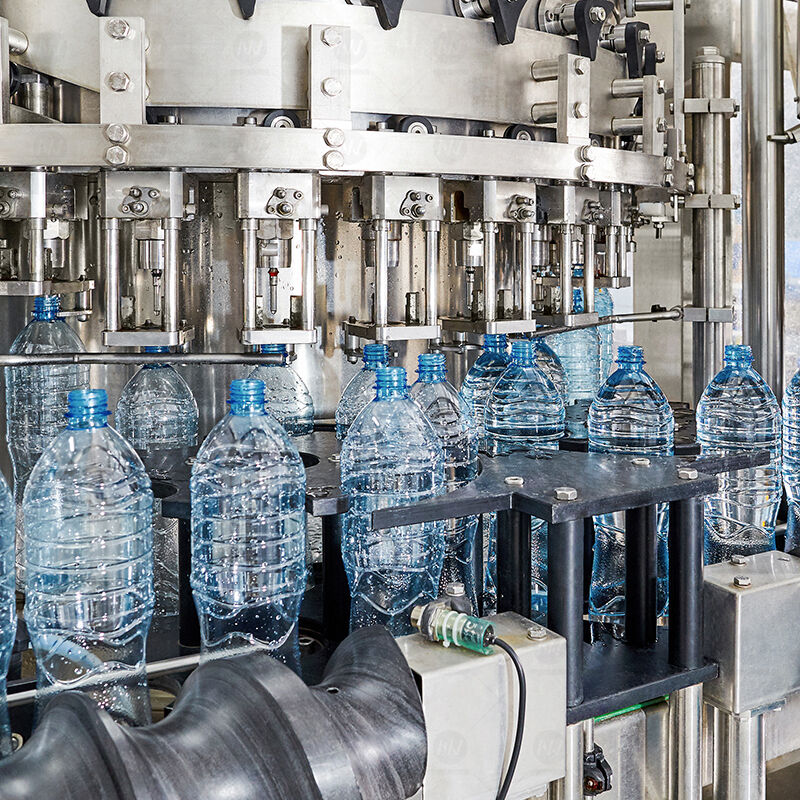
Beverage filling equipment represents a critical component in modern liquid packaging operations, designed to efficiently transfer various beverages into containers with precision and speed. This sophisticated machinery encompasses automated systems that handle everything from carbonated soft drinks and juices to water, dairy products, and alcoholic beverages. The primary function of beverage filling equipment centers on maintaining product integrity while maximizing production efficiency through controlled dispensing mechanisms. These systems incorporate advanced sensors and monitoring technology to ensure accurate fill levels, preventing both overfilling and underfilling scenarios that could impact profitability and customer satisfaction. Modern beverage filling equipment features multiple filling heads that operate simultaneously, dramatically increasing throughput capacity compared to manual operations. The technological architecture includes programmable logic controllers that allow operators to adjust parameters for different bottle sizes and beverage types instantly. Sanitation capabilities remain paramount in beverage filling equipment design, with clean-in-place systems that maintain hygiene standards without requiring complete disassembly. Temperature control mechanisms within the equipment preserve beverage quality during the filling process, particularly crucial for heat-sensitive products. The applications span across numerous industries including soft drink manufacturing, brewery operations, dairy processing facilities, and bottled water production. Integration capabilities allow beverage filling equipment to seamlessly connect with upstream and downstream processes such as bottle cleaning, capping, and labeling systems. Quality assurance features include reject systems that automatically remove improperly filled containers from the production line. The equipment accommodates various container materials including glass bottles, plastic containers, and aluminum cans through adjustable mechanisms. Production flexibility enables manufacturers to switch between different beverage products efficiently, minimizing downtime during changeovers while maintaining consistent output quality throughout extended operating periods.

New Products

Beverage filling equipment delivers substantial operational benefits that directly impact manufacturing efficiency and profitability for companies across the beverage industry. The automation capabilities eliminate manual labor requirements, reducing workforce costs while simultaneously increasing production speeds far beyond what human operators could achieve. This equipment processes thousands of containers per hour, enabling manufacturers to meet high-volume demand efficiently while maintaining consistent quality standards. The precision filling mechanisms minimize product waste by delivering exact volumes repeatedly, which translates into significant cost savings over large production runs. Error reduction represents another major advantage, as automated systems eliminate human mistakes that often occur during manual filling processes. The equipment maintains strict quality control through integrated monitoring systems that continuously verify fill levels and detect anomalies immediately. Contamination prevention features protect beverages from environmental exposure during the filling process, extending shelf life and preserving product quality that customers expect. Operational flexibility allows manufacturers to adapt quickly to market demands by switching between different beverage types and container sizes without extensive setup procedures. The consistent performance of beverage filling equipment ensures reliable production schedules, enabling companies to fulfill orders promptly and maintain customer relationships. Energy efficiency built into modern systems reduces operational costs while supporting sustainability initiatives that many companies prioritize. Maintenance requirements have been minimized through robust engineering and accessible component design, reducing downtime and service costs. The equipment integrates seamlessly with existing production infrastructure, allowing companies to upgrade their capabilities without completely restructuring their facilities. Safety features protect workers from potential hazards associated with high-speed machinery and chemical cleaning processes. Documentation capabilities provide detailed production records that support quality assurance programs and regulatory compliance requirements. The scalability of beverage filling equipment means companies can expand production capacity by adding modules rather than replacing entire systems, providing excellent return on investment as businesses grow and market demands increase.

Tips And Tricks

How Does a Water Filling Line Maintain Hygiene and Product Purity?

31

Oct

How Does a Water Filling Line Maintain Hygiene and Product Purity?

Ensuring Safety and Quality in Beverage Production Systems The modern beverage industry faces an ever-growing challenge to maintain impeccable hygiene standards while meeting increasing production demands. At the heart of this challenge lies the wate...
View More
What Factors Should You Consider When Choosing a Bottle Filling Machine?

31

Oct

What Factors Should You Consider When Choosing a Bottle Filling Machine?

Essential Considerations for Industrial Bottle Filling Equipment Selecting the right bottle filling machine for your production line is a crucial decision that impacts efficiency, product quality, and bottom-line profitability. Whether you're expandi...
View More
What Are the Long-Term Benefits of Investing in Advanced Water Filling Lines?

31

Oct

What Are the Long-Term Benefits of Investing in Advanced Water Filling Lines?

Transforming Beverage Production Through Modern Automation The beverage industry is witnessing a revolutionary transformation as manufacturers increasingly turn to advanced water filling lines to streamline their operations. These sophisticated syste...
View More
How Does a Jam Filling Machine Handle Thick and Sticky Products Efficiently?

31

Oct

How Does a Jam Filling Machine Handle Thick and Sticky Products Efficiently?

Understanding Modern Industrial Jam Processing Equipment The food processing industry has witnessed remarkable technological advancements, particularly in the realm of handling viscous products. At the heart of efficient jam production lies the sophi...
View More

Get a Free Quote

Our representative will contact you soon.
Email
Name
Company Name
Message
0/1000

beverage filling equipment

Advanced Precision Control Technology

Advanced Precision Control Technology

The precision control technology integrated into modern beverage filling equipment represents a revolutionary advancement that transforms how manufacturers approach liquid packaging operations. This sophisticated system utilizes electronic flow meters and servo-controlled valves to achieve filling accuracies within 0.5% tolerance, ensuring every container receives exactly the intended volume regardless of production speed or environmental conditions. The technology employs real-time feedback mechanisms that continuously monitor filling progress and make instantaneous adjustments to maintain consistency across thousands of containers per hour. Temperature compensation features automatically account for thermal expansion of liquids, maintaining volume accuracy even when beverage temperatures fluctuate during production. The control system interfaces with operator terminals through intuitive touchscreen displays that provide comprehensive production data and allow immediate parameter adjustments without stopping the line. Recipe management capabilities store multiple beverage formulations and container specifications, enabling operators to switch between different products instantly while maintaining optimal filling parameters for each type. Statistical process control features generate detailed reports that track performance trends and identify potential issues before they impact production quality. The precision control technology also incorporates predictive maintenance algorithms that monitor component wear and alert operators when service is required, preventing unexpected breakdowns. Anti-foaming systems prevent excessive foam generation during carbonated beverage filling, eliminating waste and ensuring proper headspace in containers. Level detection sensors verify proper fill heights and automatically reject containers that do not meet specifications, maintaining quality standards throughout production runs. The technology adapts to various container shapes and sizes automatically, reducing changeover time and eliminating the need for manual adjustments. Integration with upstream and downstream equipment creates a synchronized production environment where filling speed matches conveyor systems and capping operations perfectly. This precision control technology ultimately delivers consistent product quality that builds consumer confidence while maximizing production efficiency and minimizing operational costs for beverage manufacturers seeking competitive advantages in demanding market conditions.
Hygienic Design and Sanitation Systems

Hygienic Design and Sanitation Systems

The hygienic design and sanitation systems incorporated into beverage filling equipment establish industry-leading standards for food safety and product quality that meet the most stringent regulatory requirements worldwide. These systems feature sanitary construction using food-grade stainless steel components with smooth surfaces that prevent bacterial accumulation and facilitate thorough cleaning between production runs. Clean-in-place technology eliminates the need for equipment disassembly during sanitation procedures, reducing labor costs and minimizing contamination risks associated with manual cleaning processes. The automated cleaning cycles utilize precisely controlled chemical concentrations and temperatures to ensure complete sterilization of all product-contact surfaces within predetermined timeframes. Validation systems document cleaning effectiveness through integrated sensors that monitor chemical residues and microbial levels, providing compliance evidence for regulatory inspections and quality audits. The equipment design incorporates sloped surfaces and drainage systems that prevent liquid accumulation in dead spaces where contamination could develop during extended production periods. Sterile air filtration systems maintain positive pressure environments that prevent airborne contaminants from entering the filling area during operation. Quick-disconnect fittings and sanitary connections enable rapid changeovers between different beverage types while maintaining sterile conditions throughout the transition process. The sanitation systems include programmable wash cycles customized for specific beverage characteristics, ensuring appropriate cleaning intensity for products ranging from clear water to viscous juices. Microbial monitoring capabilities provide real-time detection of potential contamination events, triggering automatic system responses that protect product integrity. Steam sterilization options offer additional sanitization methods for applications requiring the highest levels of microbial control. The hygienic design extends to operator interfaces and maintenance access points, ensuring that human interaction with the equipment does not compromise sanitary conditions. Traceability features document all cleaning activities and maintenance procedures, creating comprehensive records that support food safety management systems. This commitment to hygiene and sanitation not only protects consumer health but also extends product shelf life, reduces waste from contaminated batches, and maintains brand reputation in competitive beverage markets where quality and safety represent fundamental consumer expectations.
Flexible Production Capabilities and Efficiency

Flexible Production Capabilities and Efficiency

The flexible production capabilities and efficiency features of modern beverage filling equipment enable manufacturers to adapt rapidly to changing market demands while maximizing operational productivity and profitability. This adaptability stems from modular design concepts that allow companies to configure systems according to their specific production requirements and expand capacity incrementally as business grows. Quick-change mechanisms facilitate transitions between different container sizes and beverage types within minutes rather than hours, dramatically reducing downtime and increasing overall equipment effectiveness. The efficiency optimization includes variable speed controls that adjust filling rates automatically based on downstream processing capabilities, ensuring balanced production flow throughout the entire packaging line. Multi-format capabilities enable the same equipment to handle various container materials including glass bottles, PET containers, aluminum cans, and specialized packaging formats without requiring separate filling lines. Production scheduling integration allows the equipment to coordinate with enterprise resource planning systems, optimizing batch sizes and sequencing to minimize waste and maximize throughput. Energy management features monitor power consumption patterns and implement efficiency measures such as standby modes during planned breaks and automatic shutdown procedures after production completion. The flexible design accommodates seasonal production variations common in beverage manufacturing, allowing companies to scale operations efficiently during peak demand periods while maintaining cost-effective operation during slower seasons. Recipe storage capabilities maintain optimal filling parameters for hundreds of different products, ensuring consistent quality regardless of production volume or frequency. Batch tracking systems provide complete traceability from raw materials through finished products, supporting quality management and regulatory compliance requirements. Remote monitoring capabilities enable operators to oversee multiple production lines simultaneously and receive alerts about performance issues before they impact production schedules. The efficiency features include automatic rejection systems that remove defective containers without stopping production, maintaining line speed while ensuring quality standards. Predictive analytics capabilities analyze production data to identify optimization opportunities and recommend parameter adjustments that improve efficiency. This combination of flexibility and efficiency enables beverage manufacturers to respond quickly to market opportunities, maintain competitive pricing through operational excellence, and deliver consistent product quality that meets consumer expectations while building sustainable business growth in dynamic beverage markets.

Get a Free Quote

Our representative will contact you soon.
Email
Name
Company Name
Message
0/1000

Get a Free Quote

Our representative will contact you soon.
Email
Name
Company Name
Message
0/1000
TopTop