Professional Juice Bottling Machine Solutions - Advanced Automated Packaging Equipment

Requesting a Call:

+8615601563990

Online Support

[email protected]

WhatsApp

+86-15601563990

juice bottling machine

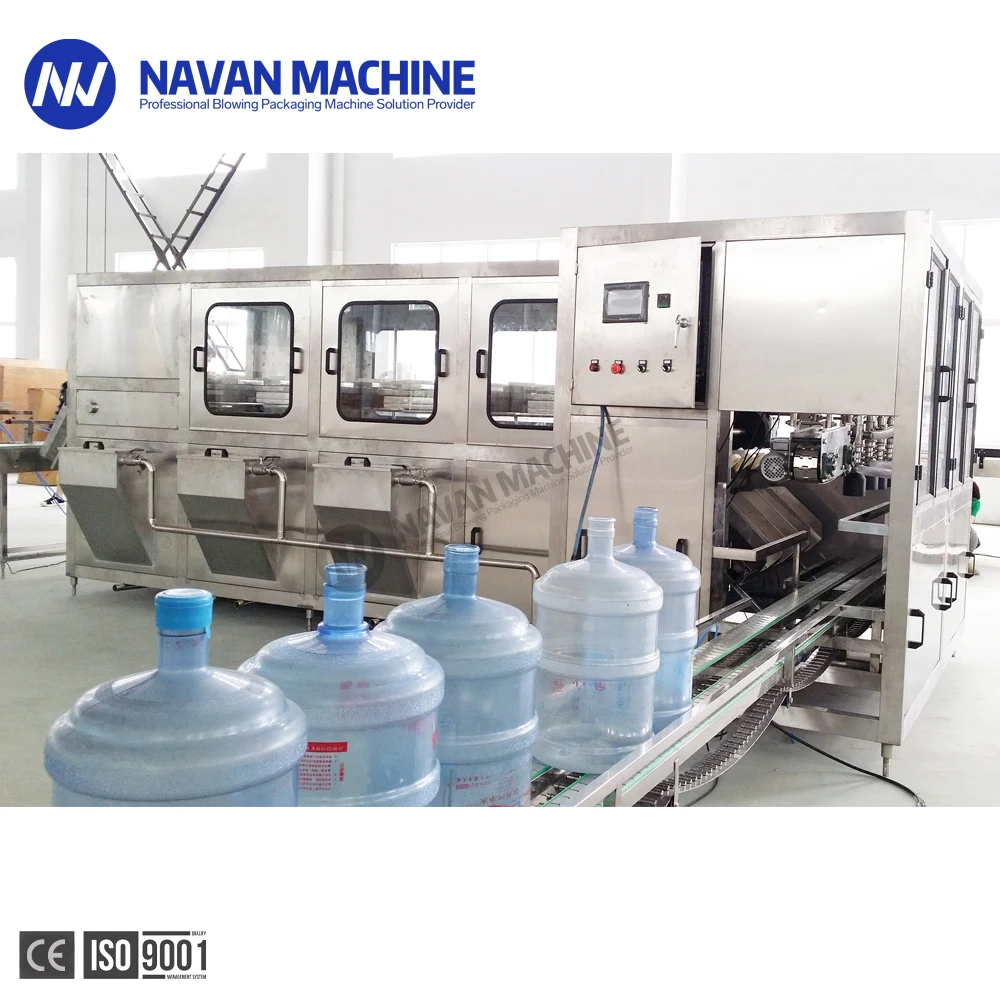
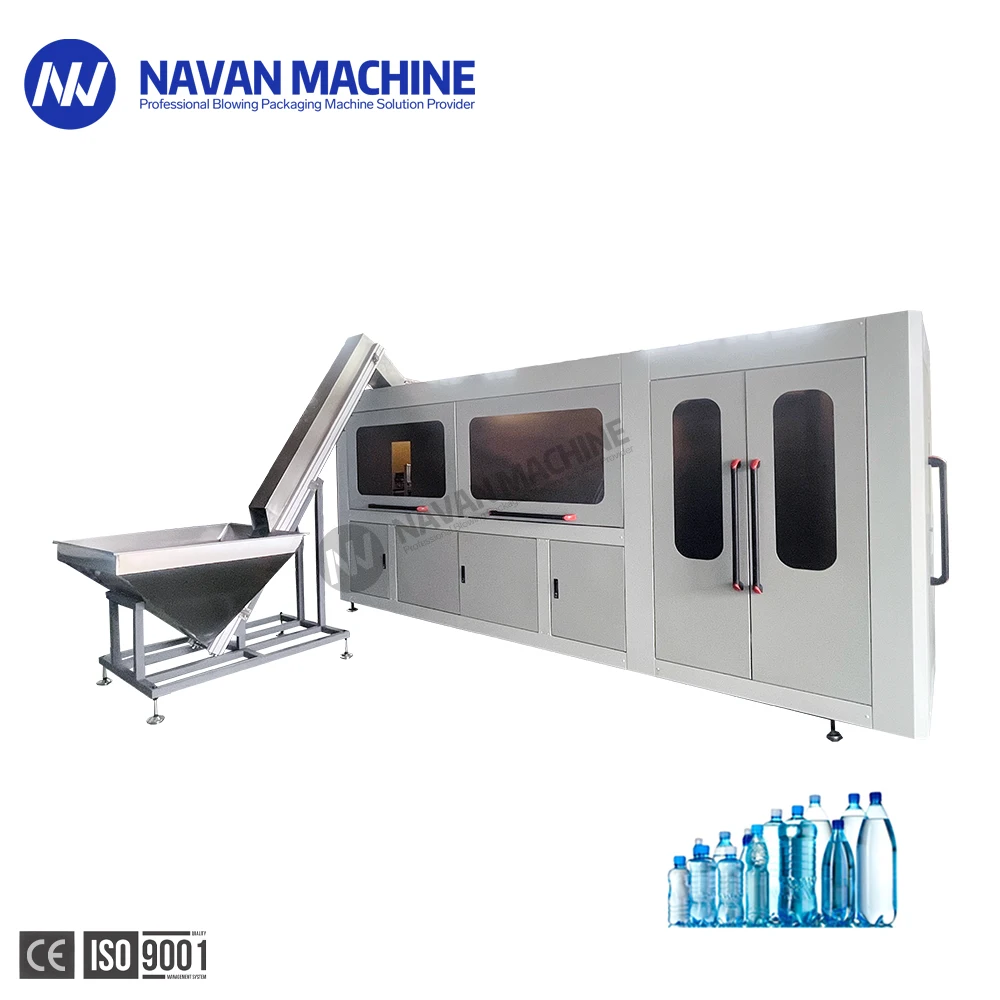
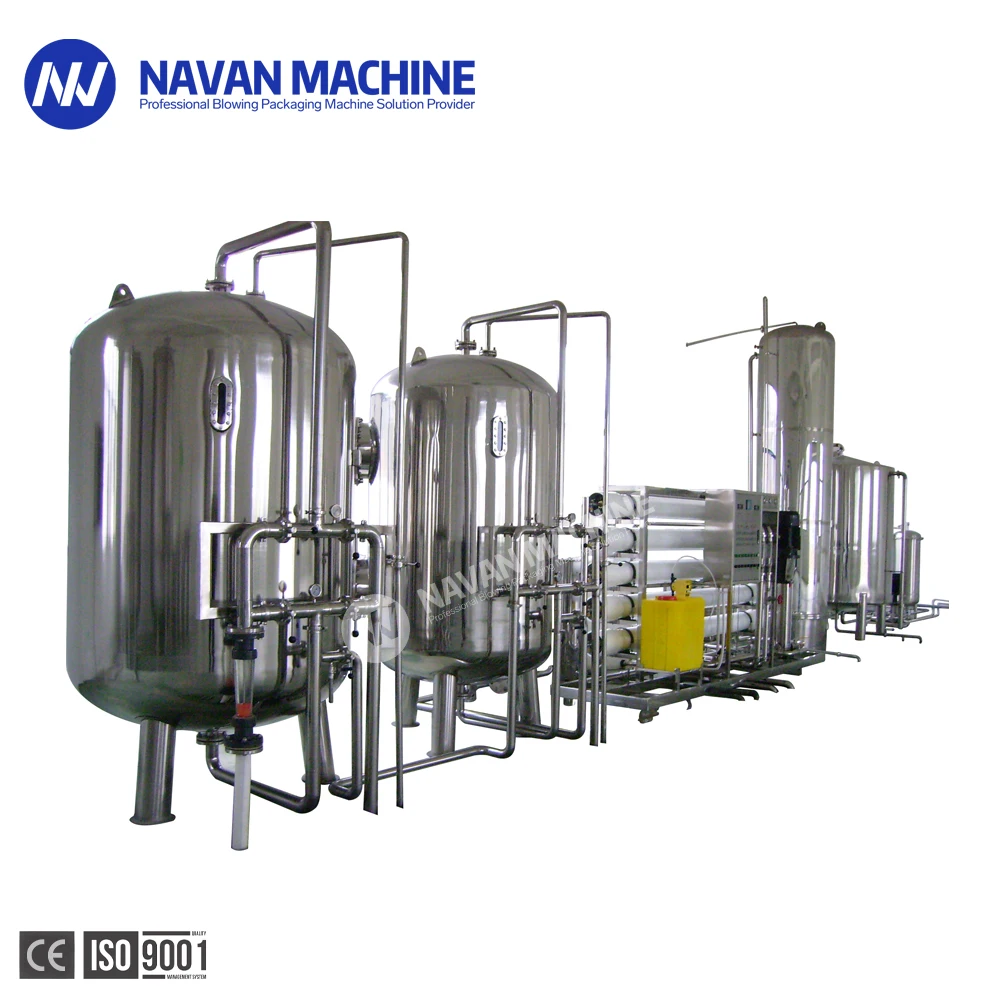
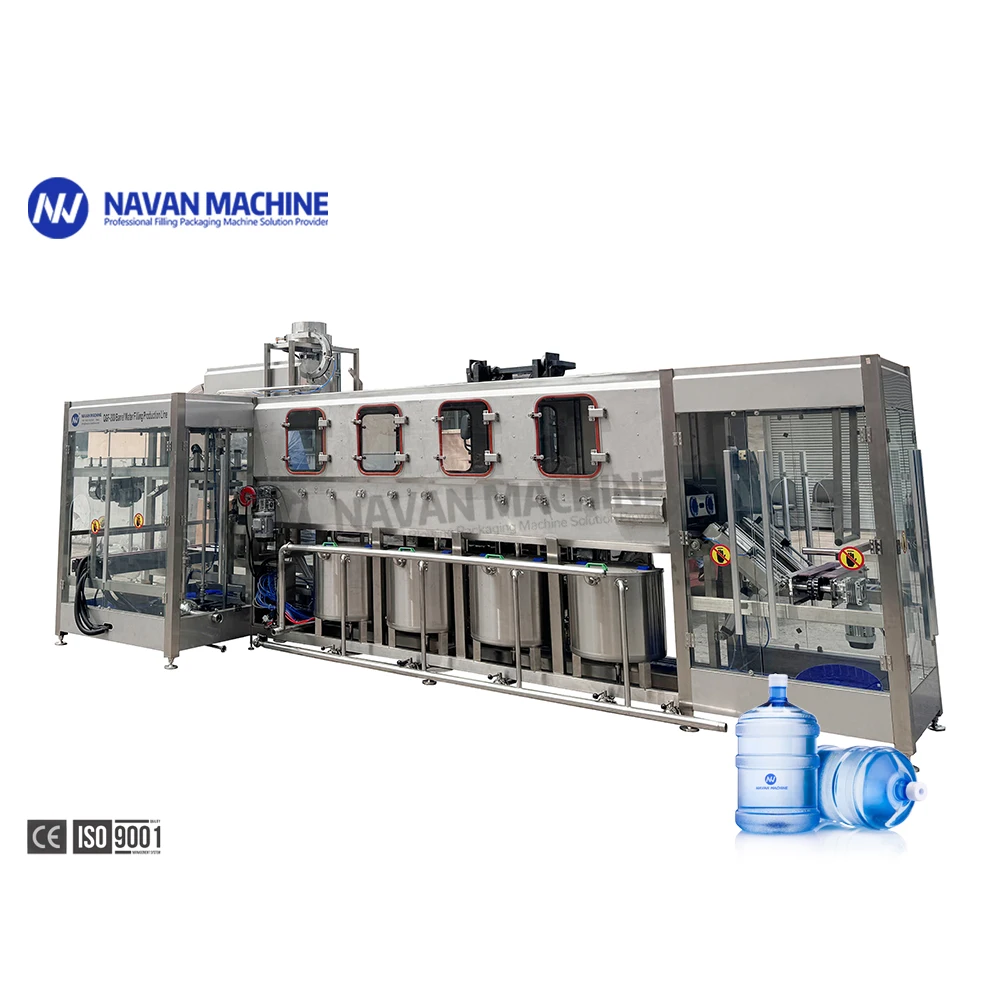
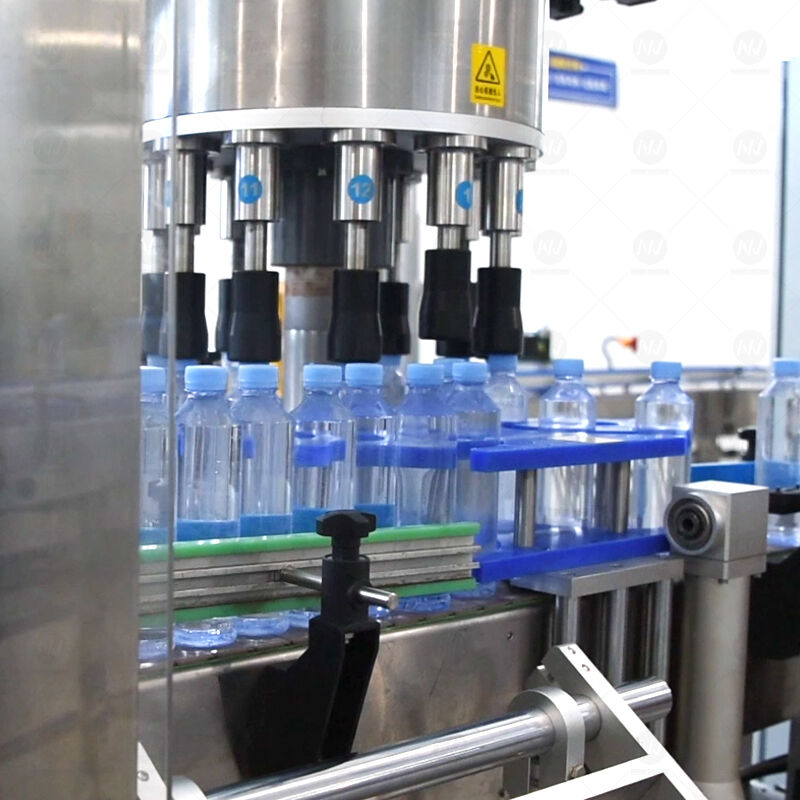
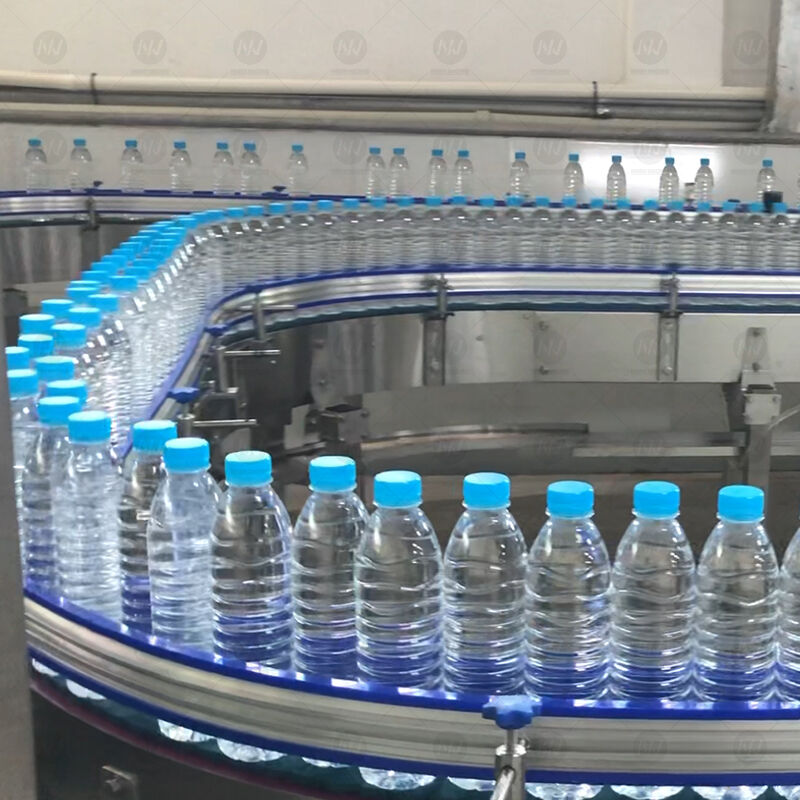
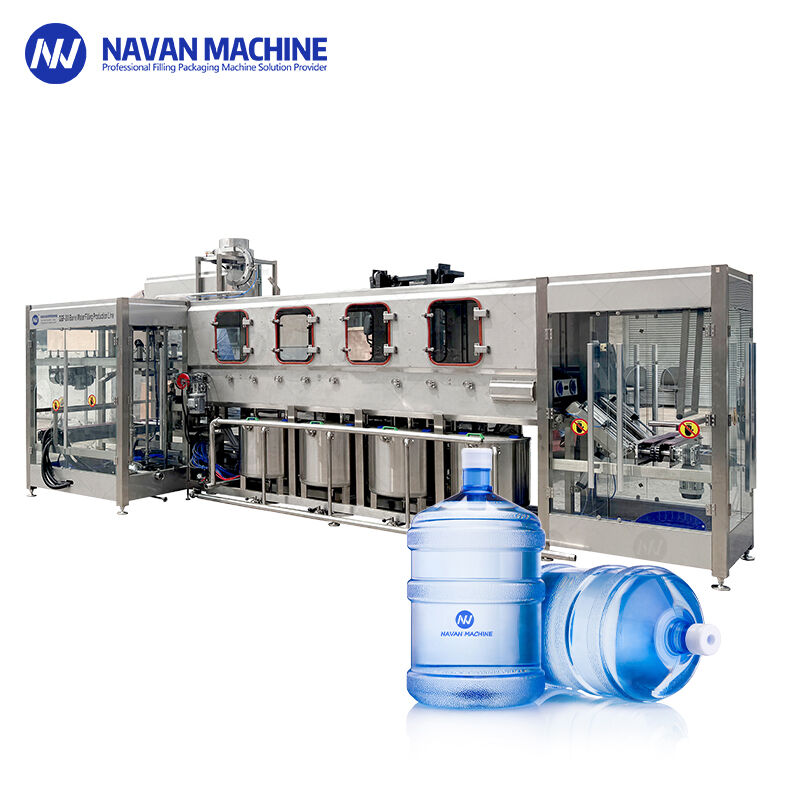
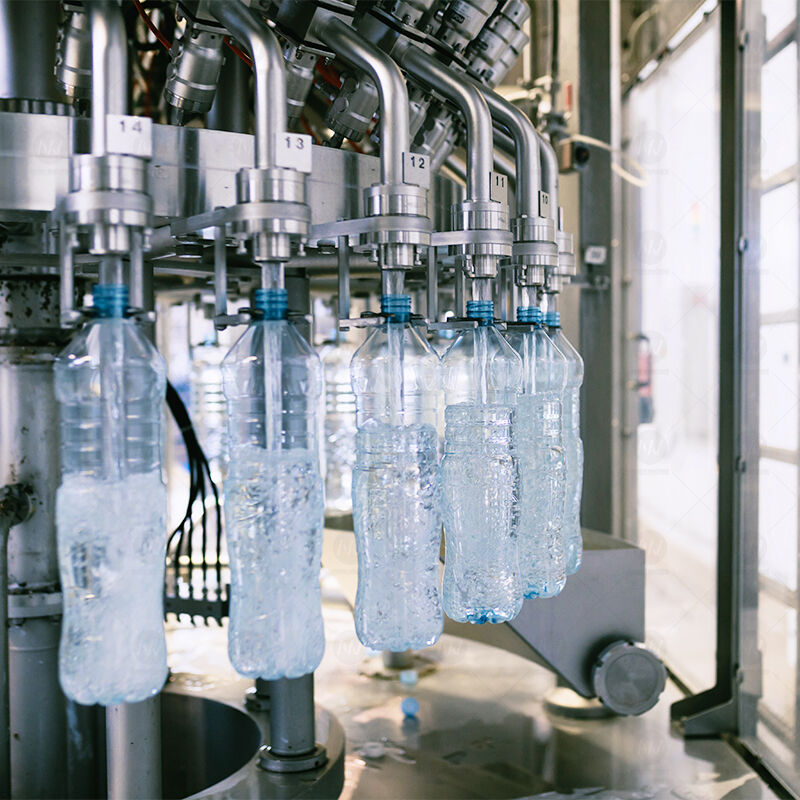
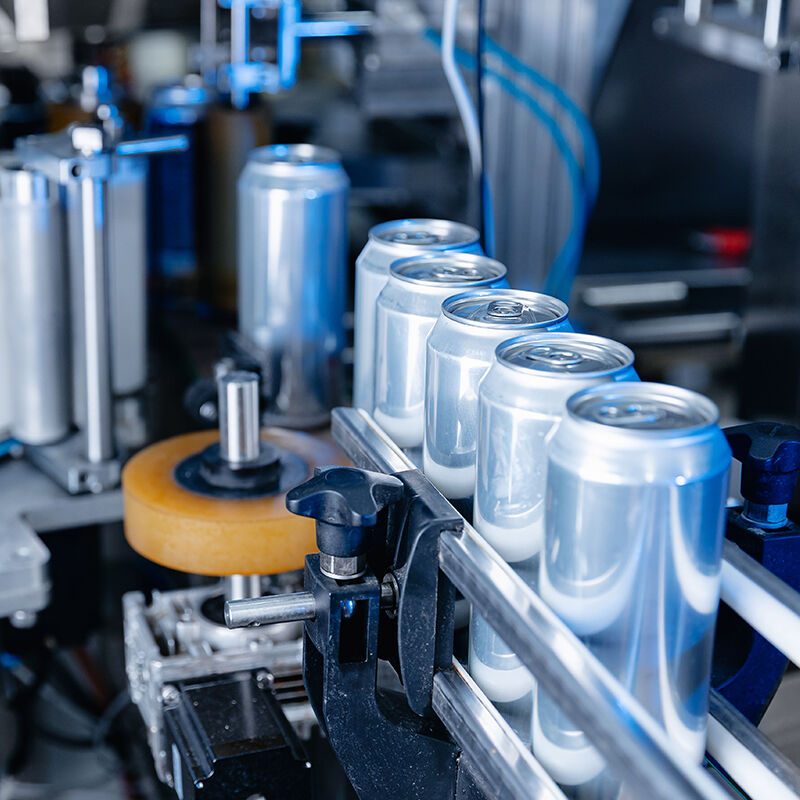
A juice bottling machine represents an essential piece of equipment in the beverage manufacturing industry, designed to efficiently package liquid products into containers with precision and speed. This sophisticated machinery combines multiple operational stages into a streamlined process, handling everything from bottle preparation to final sealing and labeling. The primary function of a juice bottling machine involves cleaning, filling, capping, and sealing bottles in a continuous automated sequence. Modern juice bottling machines incorporate advanced sensor technology that ensures accurate fill levels, preventing both underfilling and overflow situations. The equipment typically features stainless steel construction to meet food safety standards and resist corrosion from acidic fruit juices. Temperature control systems maintain optimal product integrity during the packaging process, while variable speed controls allow operators to adjust production rates based on demand. These machines accommodate various bottle sizes and shapes, from small single-serve containers to large family-size bottles. The technological framework includes programmable logic controllers that monitor every aspect of the bottling operation, providing real-time feedback and diagnostic information. Servo-driven mechanisms ensure precise movement of bottles through each station, while pneumatic systems control capping torque and sealing pressure. Quality assurance features include automatic rejection systems that remove improperly filled or damaged bottles from the production line. Applications span across fruit juice processing facilities, beverage manufacturing plants, and contract packaging operations. The juice bottling machine serves companies producing fresh juices, concentrated beverages, smoothies, and functional drinks. Integration capabilities allow seamless connection with upstream processing equipment and downstream packaging systems, creating comprehensive production lines that maximize efficiency and minimize manual intervention while maintaining consistent product quality throughout the entire bottling operation.

New Product Releases

The juice bottling machine delivers remarkable productivity improvements that directly impact your bottom line performance. These systems operate continuously for extended periods, producing thousands of bottles per hour compared to manual packaging methods that severely limit output capacity. Automated operations eliminate human error factors that commonly cause inconsistent fill levels, reducing product waste and ensuring every bottle meets exact specifications. Cost savings emerge from reduced labor requirements, as a single operator can manage multiple machine functions that would otherwise require several manual workers. The precision filling mechanism prevents overfilling, which translates to significant raw material savings over large production runs. Energy-efficient motors and optimized mechanical designs minimize power consumption while maintaining maximum throughput rates. Quality consistency becomes a major competitive advantage, as the juice bottling machine maintains uniform product presentation that enhances brand reputation and customer satisfaction. Advanced filtration systems protect product purity by preventing contamination during the bottling process, extending shelf life and reducing returns from quality issues. Versatility allows quick changeovers between different bottle sizes and product formulations, enabling manufacturers to respond rapidly to market demands without extensive downtime. Maintenance requirements remain minimal due to robust construction and self-diagnostic capabilities that identify potential issues before they cause production interruptions. The compact footprint optimizes factory floor space utilization, allowing manufacturers to install additional equipment or expand storage areas. Regulatory compliance becomes effortless as these machines meet stringent food safety standards and provide documentation trails required by health authorities. Return on investment typically occurs within the first year of operation through labor savings, increased production capacity, and reduced waste. Scalability options enable businesses to expand operations by adding modules or upgrading components without replacing the entire system. Integration with modern inventory management systems provides real-time production data that improves planning accuracy and reduces inventory carrying costs. Environmental benefits include reduced packaging waste through precise filling and recyclable component materials that support sustainability initiatives.

Practical Tips

How Does a Water Filling Line Maintain Hygiene and Product Purity?

31

Oct

How Does a Water Filling Line Maintain Hygiene and Product Purity?

Ensuring Safety and Quality in Beverage Production Systems The modern beverage industry faces an ever-growing challenge to maintain impeccable hygiene standards while meeting increasing production demands. At the heart of this challenge lies the wate...
View More
What Factors Should You Consider When Choosing a Bottle Filling Machine?

31

Oct

What Factors Should You Consider When Choosing a Bottle Filling Machine?

Essential Considerations for Industrial Bottle Filling Equipment Selecting the right bottle filling machine for your production line is a crucial decision that impacts efficiency, product quality, and bottom-line profitability. Whether you're expandi...
View More
What Are the Long-Term Benefits of Investing in Advanced Water Filling Lines?

31

Oct

What Are the Long-Term Benefits of Investing in Advanced Water Filling Lines?

Transforming Beverage Production Through Modern Automation The beverage industry is witnessing a revolutionary transformation as manufacturers increasingly turn to advanced water filling lines to streamline their operations. These sophisticated syste...
View More
How Does a Jam Filling Machine Handle Thick and Sticky Products Efficiently?

31

Oct

How Does a Jam Filling Machine Handle Thick and Sticky Products Efficiently?

Understanding Modern Industrial Jam Processing Equipment The food processing industry has witnessed remarkable technological advancements, particularly in the realm of handling viscous products. At the heart of efficient jam production lies the sophi...
View More

Get a Free Quote

Our representative will contact you soon.
Email
Name
Company Name
Message
0/1000

juice bottling machine

Advanced Precision Filling Technology

Advanced Precision Filling Technology

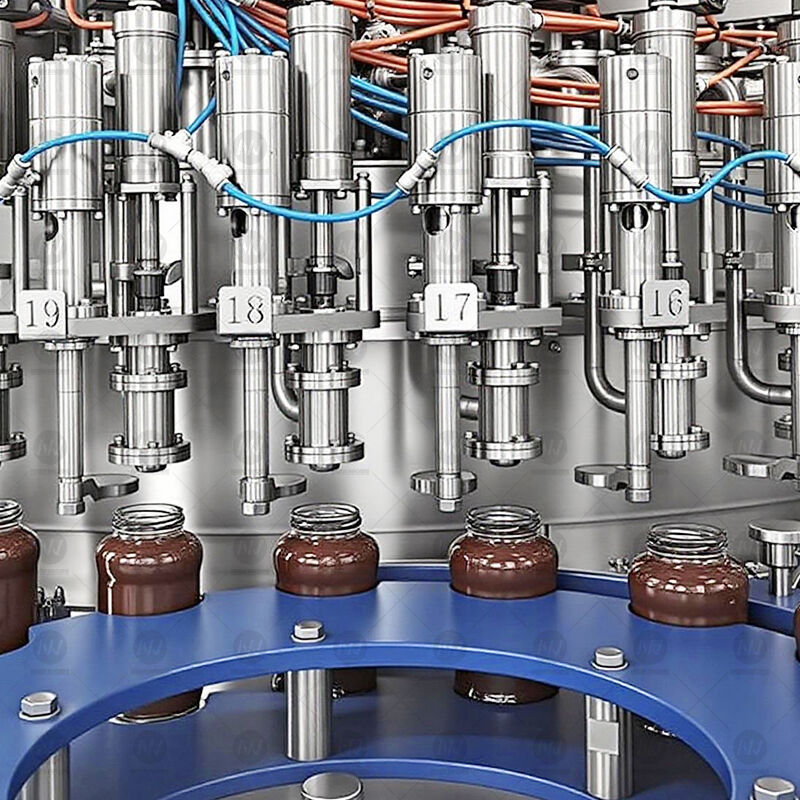
The heart of every modern juice bottling machine lies in its sophisticated precision filling technology, which represents a quantum leap forward from traditional bottling methods. This innovative system employs multiple sensors and servo-controlled mechanisms that work in perfect harmony to deliver exactly the right amount of product into each container. The technology utilizes weight-based or volumetric measurement systems that can detect variations as small as 0.1 milliliters, ensuring unprecedented accuracy across millions of bottles. Electronic flow meters continuously monitor product delivery rates, automatically adjusting valve timing to compensate for variations in product viscosity or temperature that could affect fill accuracy. The precision filling system incorporates anti-drip nozzles that prevent product waste and maintain clean bottle exteriors, eliminating the need for post-filling cleanup operations that slow production and increase costs. Temperature compensation algorithms adjust filling parameters based on ambient conditions and product characteristics, maintaining consistent results regardless of seasonal variations or facility conditions. Multiple filling heads operate simultaneously, each calibrated independently to ensure uniform performance across the entire production line. The system includes automatic purging capabilities that prevent cross-contamination when switching between different juice varieties or cleaning cycles. Advanced pressure control mechanisms prevent foaming in carbonated beverages while ensuring gentle handling of pulp-containing juices that require special care. Quality monitoring systems continuously track filling performance, generating detailed reports that help operators optimize production parameters and identify potential improvements. The filling technology accommodates a wide range of product viscosities, from thin apple juice to thick smoothies containing fruit pieces, without requiring manual adjustments or equipment changes. Emergency stop functions immediately halt operations if sensors detect any anomalies, protecting both product quality and equipment integrity. This precision filling technology delivers measurable benefits including reduced product waste, improved profit margins, enhanced customer satisfaction, and compliance with strict industry regulations governing package contents.
Integrated Quality Control Systems

Integrated Quality Control Systems

Modern juice bottling machines incorporate comprehensive integrated quality control systems that monitor every aspect of the packaging process to ensure consistent product excellence. These sophisticated systems employ multiple inspection technologies working simultaneously to detect and eliminate defective products before they reach consumers. Vision systems use high-resolution cameras and advanced image processing algorithms to examine bottle integrity, checking for cracks, chips, or dimensional irregularities that could compromise product safety or brand image. Fill level detection systems utilize laser technology or ultrasonic sensors to verify that each bottle contains the precise amount of product, automatically rejecting containers that fall outside acceptable tolerance ranges. Cap placement verification ensures proper sealing by checking cap alignment, thread engagement, and torque specifications that prevent leakage during transportation and storage. Label inspection systems verify correct placement, print quality, and adherence strength, ensuring that product information remains legible and attractive throughout the distribution chain. The integrated approach connects all inspection stations through a centralized control system that maintains detailed records of quality metrics, enabling continuous improvement initiatives and regulatory compliance documentation. Automatic rejection mechanisms remove defective products from the production line without interrupting overall operations, directing them to separate collection areas for analysis and disposal. Statistical process control algorithms analyze quality data in real-time, identifying trends that might indicate developing problems before they impact significant product quantities. Barcode verification systems ensure traceability by confirming that each bottle carries correct product identification codes essential for inventory management and recall procedures. Color consistency monitoring detects variations in product appearance that could indicate formulation issues or contamination problems requiring immediate attention. Temperature monitoring throughout the quality control process ensures that products maintain optimal conditions for maximum shelf life and nutritional value. The system generates comprehensive quality reports that document compliance with industry standards and customer specifications, providing valuable data for continuous improvement programs and certification audits. Integration with enterprise resource planning systems enables real-time quality data sharing across manufacturing, quality assurance, and management teams, facilitating rapid response to quality issues and enhanced decision-making capabilities.
Flexible Multi-Format Packaging Capability

Flexible Multi-Format Packaging Capability

The flexible multi-format packaging capability of modern juice bottling machines represents a revolutionary advancement that enables manufacturers to adapt quickly to changing market demands and consumer preferences. This sophisticated system accommodates an extensive range of container types, sizes, and materials without requiring extensive changeover procedures or specialized equipment modifications. The machine handles glass bottles ranging from small 200ml single-serve containers to large 2-liter family sizes, plastic bottles of various shapes and capacities, and specialty containers designed for premium product presentations. Quick-change mechanisms allow operators to switch between different bottle formats in minutes rather than hours, minimizing production downtime and maximizing equipment utilization rates. Adjustable conveyor systems automatically configure to accommodate different bottle heights and diameters, while variable spacing controls ensure proper handling throughout the packaging process. The flexibility extends to closure options, supporting standard screw caps, sports caps, flip-top closures, and tamper-evident seals without requiring separate capping equipment. Modular design principles enable manufacturers to reconfigure production lines for seasonal products or limited-edition offerings without major capital investments. Advanced programming capabilities store multiple format configurations in memory, allowing operators to recall specific settings instantly when switching between regular production runs. The system accommodates various labeling requirements, from simple product identification to complex multilingual labels required for international distribution. Fill volume programming adjusts automatically for different container sizes, maintaining accuracy across the entire range of supported formats. Capping force and torque specifications adjust based on closure type and container material, ensuring proper sealing without damaging delicate packaging materials. Integration with upstream and downstream equipment remains seamless regardless of format changes, maintaining production flow continuity throughout format transitions. Quality control parameters automatically adjust to match specific requirements for each container type, ensuring consistent inspection standards across all product variations. This flexibility enables manufacturers to respond rapidly to market opportunities, test new product concepts with minimal risk, and optimize production schedules by consolidating multiple products on single equipment lines, ultimately improving competitiveness and profitability in dynamic beverage markets.

Get a Free Quote

Our representative will contact you soon.
Email
Name
Company Name
Message
0/1000

Get a Free Quote

Our representative will contact you soon.
Email
Name
Company Name
Message
0/1000
TopTop