Professional Juice Filling Machine Solutions - Advanced Beverage Production Equipment

Requesting a Call:

+8615601563990

Online Support

[email protected]

WhatsApp

+86-15601563990

juice filling machine

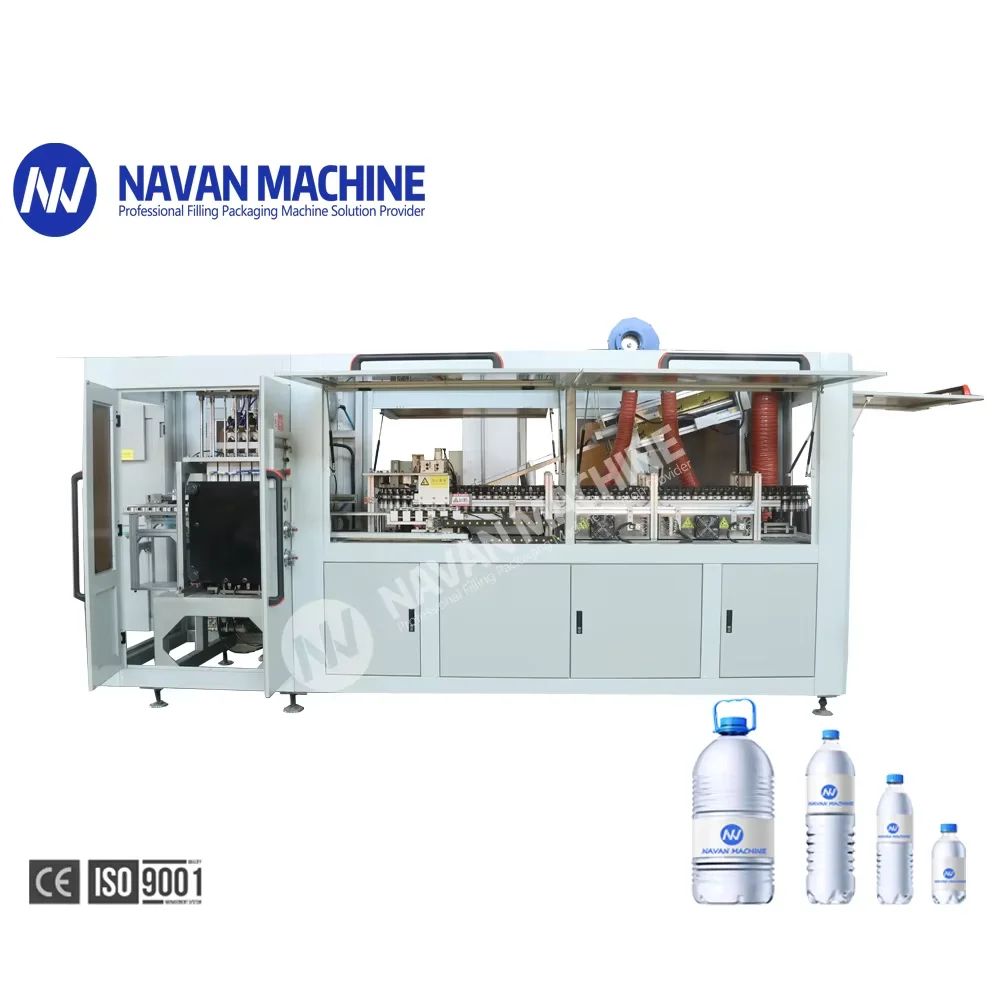
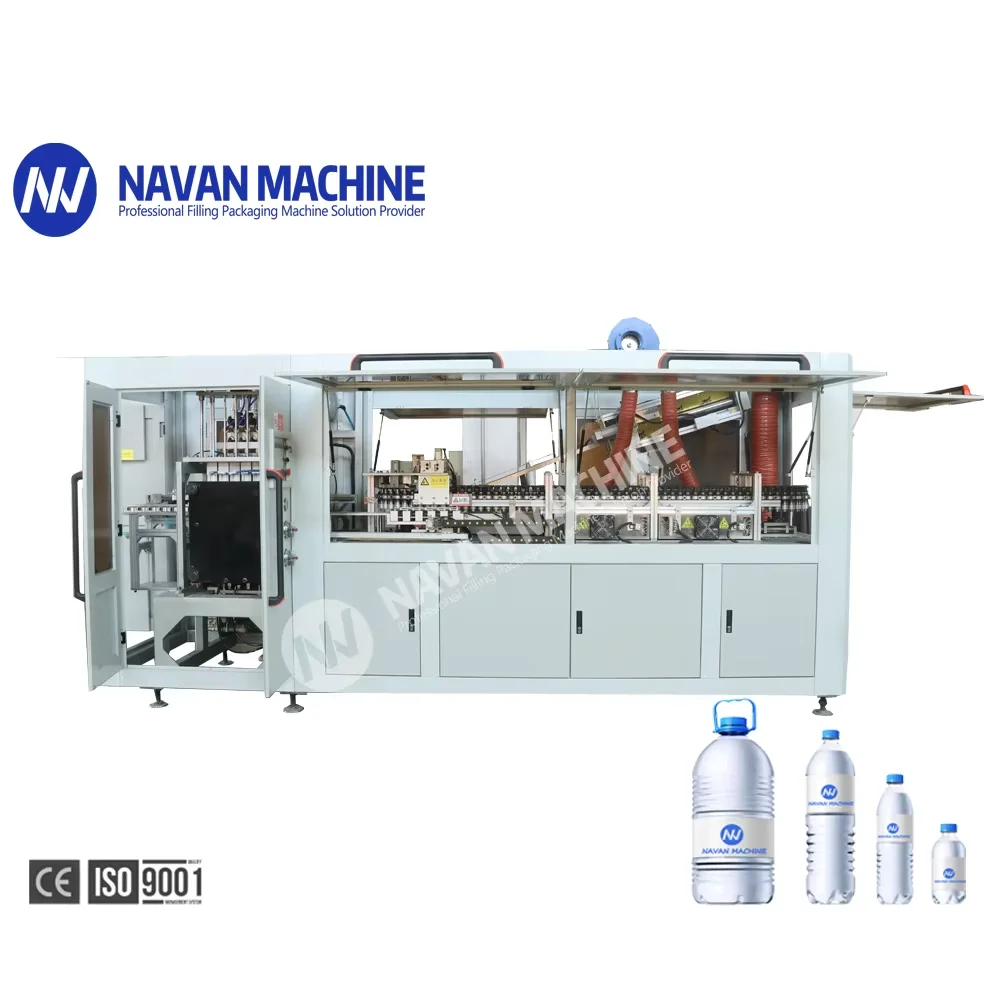
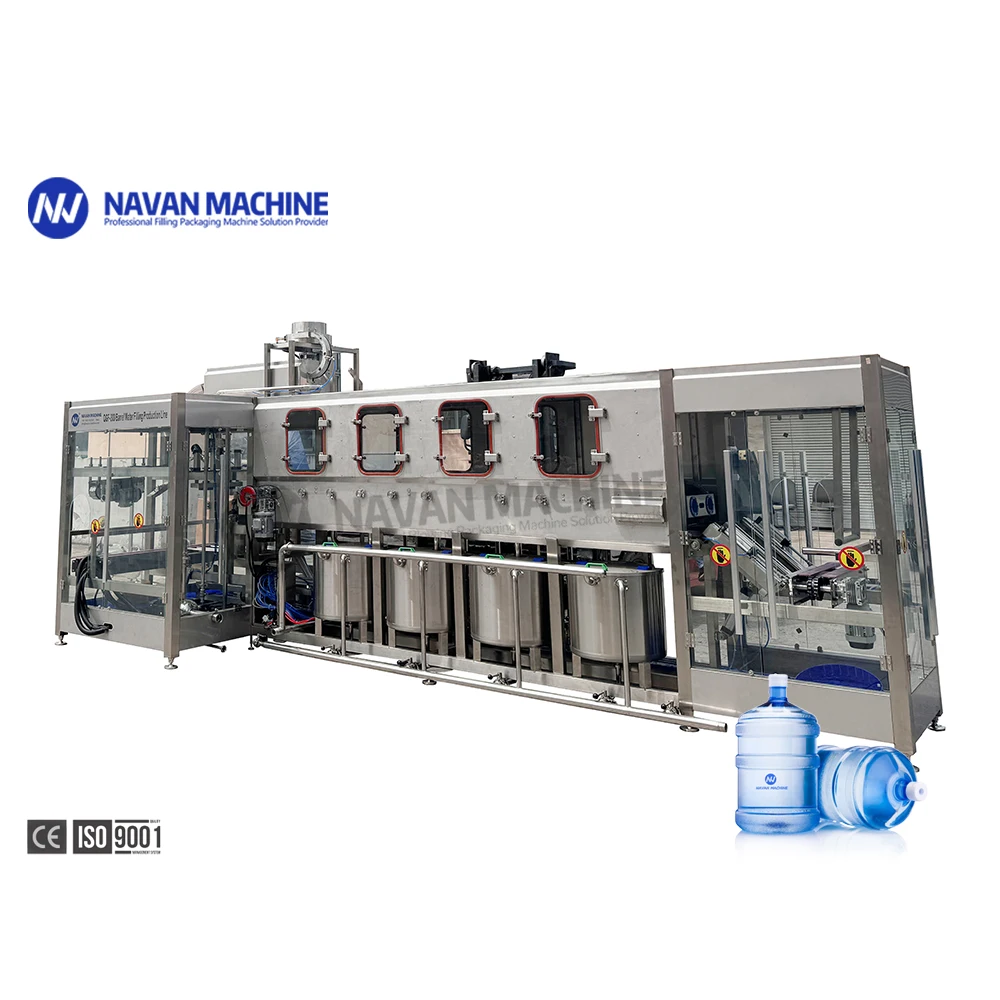
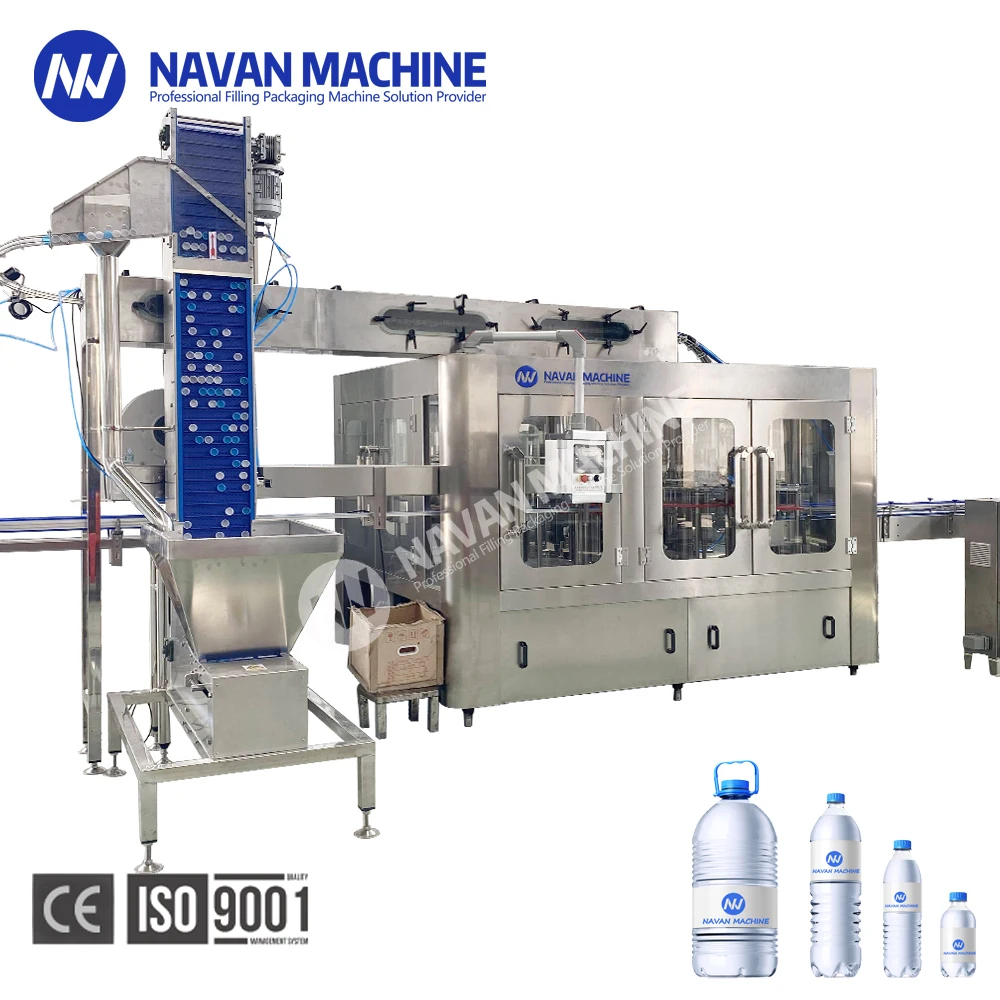
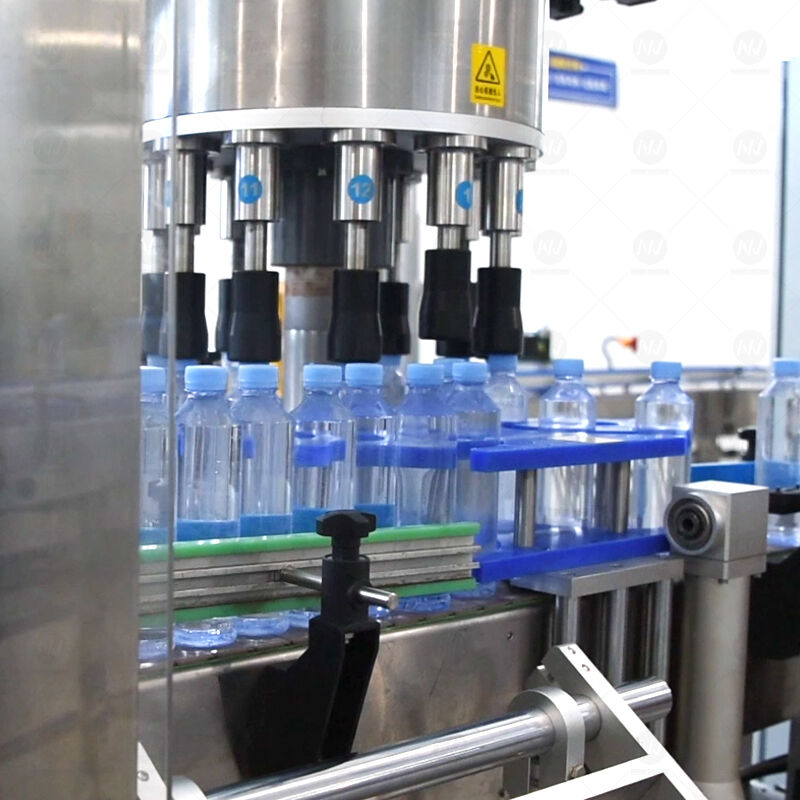
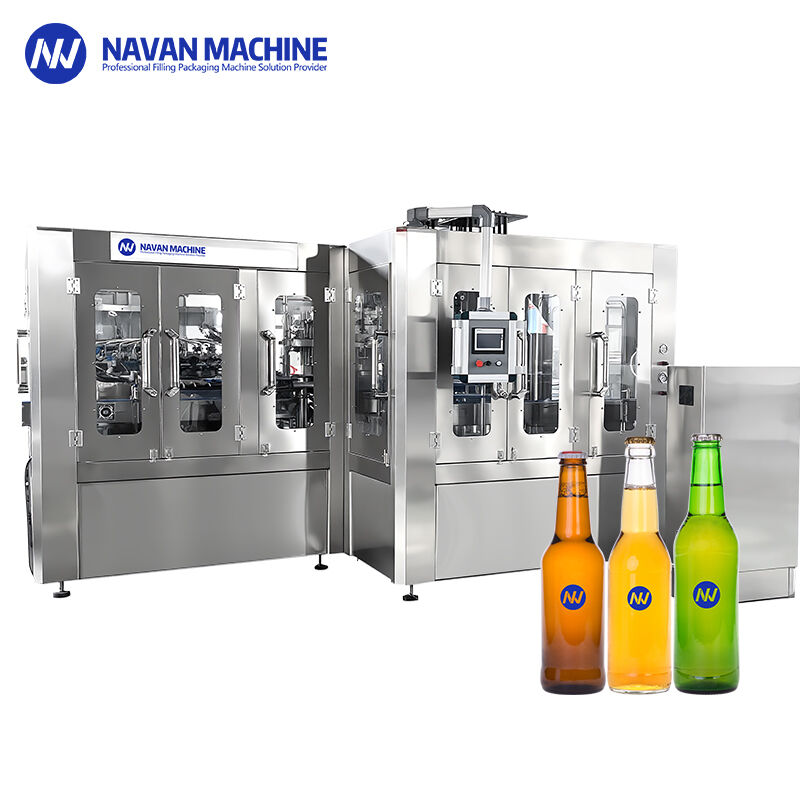
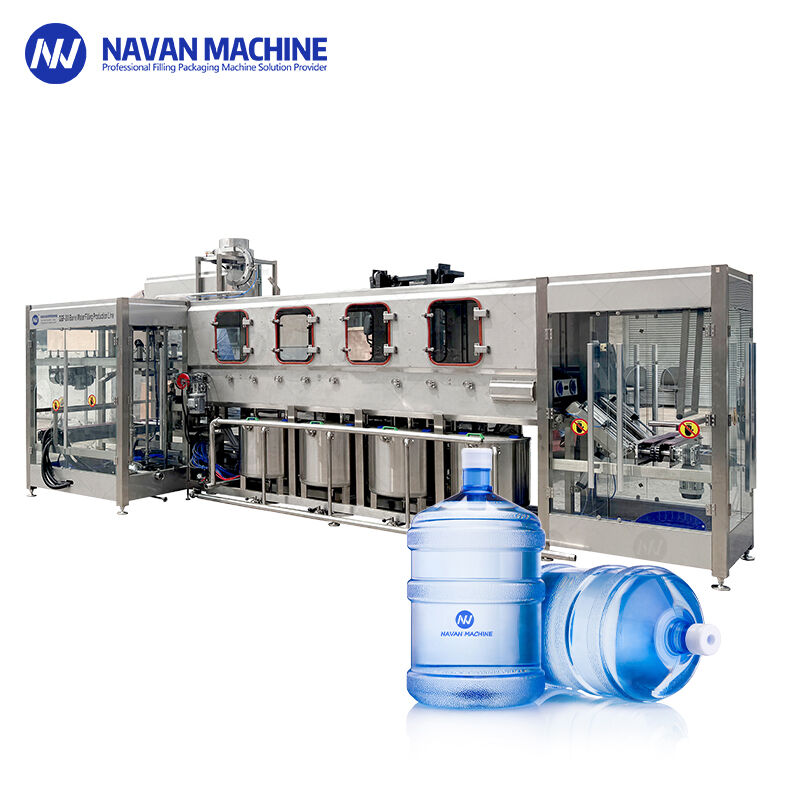
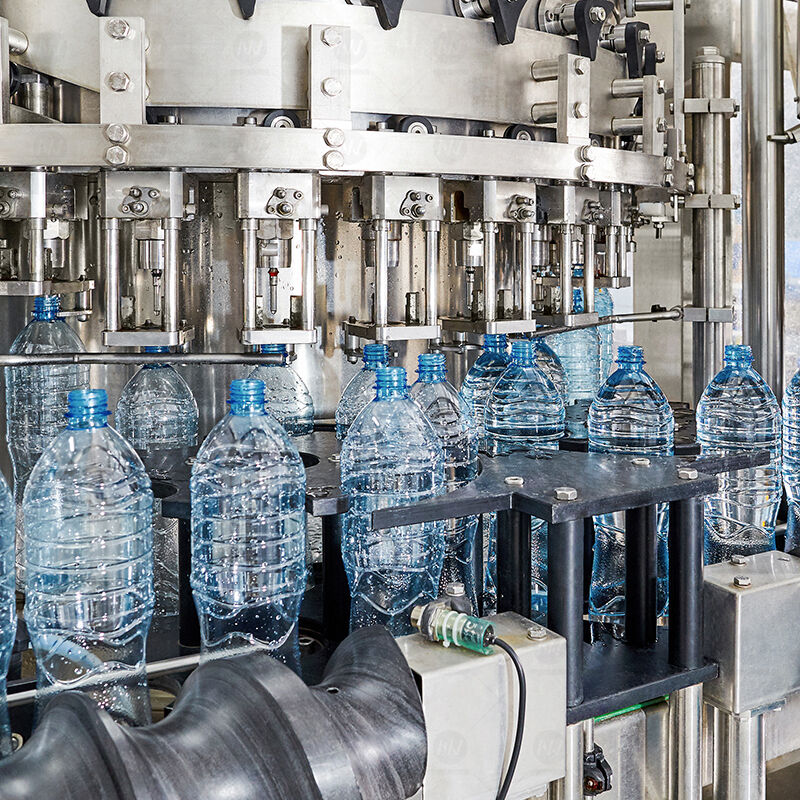
A juice filling machine represents a sophisticated automated solution designed to efficiently package various liquid beverages into containers with precision and speed. These industrial systems serve as the backbone of modern beverage production facilities, enabling manufacturers to maintain consistent quality while achieving high-volume output. The juice filling machine operates through a carefully orchestrated sequence of processes that begin with container handling and conclude with sealed, market-ready products. The primary function of a juice filling machine centers on accurately dispensing predetermined volumes of juice into bottles, cans, or cartons while maintaining strict hygiene standards. These systems incorporate advanced sensor technology to detect container presence, ensuring precise positioning before the filling process begins. The machine's control system coordinates multiple operations simultaneously, including container feeding, liquid dispensing, cap placement, and quality verification. Modern juice filling machines feature stainless steel construction throughout their liquid contact surfaces, preventing contamination and ensuring easy sanitization between production runs. The technological architecture includes programmable logic controllers that allow operators to adjust filling parameters for different product specifications and container sizes. Temperature control systems maintain optimal product conditions during the filling process, preserving flavor profiles and extending shelf life. Flow meters and pressure sensors continuously monitor filling accuracy, automatically adjusting dispensing rates to maintain consistent volumes across all containers. The versatility of juice filling machines enables processing of various beverage types, from thin fruit juices to thick smoothies and pulpy drinks. These systems accommodate multiple container formats, including glass bottles, plastic containers, aluminum cans, and flexible pouches. Production capacities range from small-scale operations handling hundreds of containers per hour to high-speed industrial lines processing thousands of units. Integration capabilities allow juice filling machines to connect seamlessly with upstream preparation equipment and downstream packaging machinery, creating comprehensive production lines that minimize manual intervention and maximize operational efficiency.

New Products

Investing in a juice filling machine delivers substantial operational benefits that directly impact your bottom line and product quality. The most significant advantage lies in the dramatic increase in production speed and consistency compared to manual filling methods. Modern juice filling machines process hundreds or thousands of containers per hour with unwavering precision, eliminating the human error factor that often leads to costly product waste and customer complaints. This automation translates into reduced labor costs as fewer workers are needed to achieve higher output levels, allowing your team to focus on quality control and other value-added activities. The precision filling capabilities ensure every container receives exactly the specified volume, minimizing product giveaway that can substantially erode profit margins over time. Hygiene and safety standards receive significant enhancement through automated filling processes that minimize human contact with the product. The enclosed filling environment reduces contamination risks while stainless steel construction and CIP (Clean-in-Place) systems maintain sanitary conditions throughout production runs. This controlled environment proves especially crucial for preserving the nutritional value and extending the shelf life of fresh juices and sensitive beverage formulations. Flexibility represents another key advantage as these machines adapt quickly to different product types and container sizes through programmable settings and modular design features. You can switch from filling small bottles to large containers or change from thin juice to thick smoothies with minimal downtime and setup adjustments. This versatility allows manufacturers to respond rapidly to market demands and seasonal variations without significant equipment investments. Quality control capabilities built into modern juice filling machines provide real-time monitoring and automatic rejection of substandard containers. Weight checking systems, fill level sensors, and vision inspection technology ensure only properly filled and sealed products reach consumers, protecting your brand reputation and reducing returns. The data collection features enable continuous process improvement and regulatory compliance documentation. Long-term cost savings emerge through reduced product waste, lower labor requirements, decreased contamination incidents, and improved production efficiency. The initial equipment investment typically pays for itself within months through these operational improvements, while the robust construction ensures years of reliable service with proper maintenance.

Latest News

How Does a Water Filling Line Maintain Hygiene and Product Purity?

31

Oct

How Does a Water Filling Line Maintain Hygiene and Product Purity?

Ensuring Safety and Quality in Beverage Production Systems The modern beverage industry faces an ever-growing challenge to maintain impeccable hygiene standards while meeting increasing production demands. At the heart of this challenge lies the wate...
View More
What Factors Should You Consider When Choosing a Bottle Filling Machine?

31

Oct

What Factors Should You Consider When Choosing a Bottle Filling Machine?

Essential Considerations for Industrial Bottle Filling Equipment Selecting the right bottle filling machine for your production line is a crucial decision that impacts efficiency, product quality, and bottom-line profitability. Whether you're expandi...
View More
What Are the Long-Term Benefits of Investing in Advanced Water Filling Lines?

31

Oct

What Are the Long-Term Benefits of Investing in Advanced Water Filling Lines?

Transforming Beverage Production Through Modern Automation The beverage industry is witnessing a revolutionary transformation as manufacturers increasingly turn to advanced water filling lines to streamline their operations. These sophisticated syste...
View More
How Does a Jam Filling Machine Handle Thick and Sticky Products Efficiently?

31

Oct

How Does a Jam Filling Machine Handle Thick and Sticky Products Efficiently?

Understanding Modern Industrial Jam Processing Equipment The food processing industry has witnessed remarkable technological advancements, particularly in the realm of handling viscous products. At the heart of efficient jam production lies the sophi...
View More

Get a Free Quote

Our representative will contact you soon.
Email
Name
Company Name
Message
0/1000

juice filling machine

Advanced Precision Control Technology

Advanced Precision Control Technology

The heart of every modern juice filling machine lies in its sophisticated precision control technology that revolutionizes beverage production accuracy and reliability. This cutting-edge system employs multiple sensors and measurement devices working in perfect harmony to ensure every container receives exactly the predetermined volume of product, regardless of production speed or environmental conditions. The technology begins with high-resolution flow meters that continuously monitor liquid dispensing rates with accuracy levels reaching 99.5 percent or higher. These precision instruments detect even minute variations in flow patterns and instantly communicate adjustments to the control system, maintaining consistent fill levels throughout extended production runs. Load cells integrated into the filling stations provide real-time weight feedback, creating a dual-verification system that cross-references volumetric and gravimetric measurements for maximum accuracy. The programmable logic controller serves as the central nervous system, processing data from multiple sources and making split-second adjustments to maintain optimal performance. Operators can easily program different filling parameters for various product types and container sizes through intuitive touchscreen interfaces, eliminating the guesswork and manual adjustments that plague traditional filling methods. The system automatically compensates for factors such as liquid temperature variations, foam formation, and container dimensional tolerances that could otherwise affect filling accuracy. Advanced servo motor drives provide precise control over filling valve operation, enabling smooth acceleration and deceleration cycles that prevent splashing and foam generation while maintaining high-speed operation. The technology also incorporates predictive maintenance features that monitor component performance and alert operators to potential issues before they impact production. This proactive approach minimizes unexpected downtime and extends equipment lifespan. Vision systems complement the precision control technology by verifying proper fill levels and detecting anomalies such as foam overflow or incomplete fills, automatically rejecting substandard products before they enter the packaging stream. The integration of Industry 4.0 connectivity enables remote monitoring and data analysis, allowing manufacturers to optimize performance across multiple production lines and facilities.
Comprehensive Hygiene and Sanitation Systems

Comprehensive Hygiene and Sanitation Systems

Maintaining impeccable hygiene standards throughout the juice filling process represents a critical success factor that modern filling machines address through comprehensive sanitation systems designed to exceed the most stringent food safety requirements. These advanced hygiene features protect product integrity while ensuring compliance with international food safety regulations and industry standards. The foundation of superior sanitation begins with the complete stainless steel construction of all product contact surfaces, utilizing food-grade materials that resist corrosion, prevent bacterial growth, and facilitate thorough cleaning procedures. The smooth, crevice-free design eliminates potential contamination harboring points while enabling effective sanitization between production runs and product changeovers. Clean-in-Place (CIP) technology represents the cornerstone of the sanitation system, allowing complete cleaning and disinfection of the entire filling circuit without disassembly or manual intervention. Automated CIP cycles utilize precisely controlled sequences of water rinses, caustic cleaning solutions, acid sanitizers, and final sterile water flushes that remove all product residues and eliminate harmful microorganisms. The system monitors cleaning solution temperatures, concentrations, and contact times to ensure optimal sanitization effectiveness while documenting all parameters for regulatory compliance and quality assurance purposes. Steam sterilization capabilities provide additional security for sensitive products requiring the highest hygiene standards, with superheated steam eliminating even the most resistant pathogens and spores. The enclosed filling environment features positive air pressure systems with HEPA filtration that prevent airborne contamination during the filling process. Laminar airflow patterns direct filtered air across critical zones, creating protective barriers around open containers and filling nozzles. UV sanitization systems provide continuous sterilization of air and surfaces within the filling chamber, adding an extra layer of microbial protection. Automated cleaning verification systems utilize conductivity sensors and other monitoring devices to confirm the effectiveness of cleaning cycles, ensuring no cleaning residues remain that could affect product taste or safety. The hygienic design extends to all mechanical components through the use of food-grade lubricants, sealed bearings, and washdown-rated electrical enclosures that withstand aggressive cleaning procedures without compromising operational integrity.
Exceptional Production Flexibility and Scalability

Exceptional Production Flexibility and Scalability

Modern juice filling machines excel in providing unprecedented production flexibility and scalability that enables manufacturers to adapt quickly to changing market demands while maximizing their return on investment through versatile operational capabilities. This adaptability proves essential in today's dynamic beverage industry where consumer preferences shift rapidly and seasonal variations create significant production challenges. The modular design philosophy underlying these systems allows manufacturers to start with basic configurations and expand capabilities as their business grows, avoiding the massive upfront investments traditionally associated with industrial filling equipment. Quick-change technology represents a fundamental advantage, enabling rapid transitions between different product types, container sizes, and production specifications with minimal downtime and operator intervention. Tool-free changeover systems allow operators to switch from small bottles to large containers or change from thin juices to viscous smoothies in minutes rather than hours, maximizing productive time and reducing labor costs. The filling machine accommodates an impressive range of container types including glass bottles, plastic containers of various shapes, aluminum cans, flexible pouches, and specialized packaging formats. This versatility eliminates the need for multiple dedicated filling lines, significantly reducing capital equipment requirements and facility space needs. Advanced servo-driven mechanisms automatically adjust container handling systems, filling heights, and capping configurations to match specific packaging requirements without manual mechanical adjustments. Product handling capabilities extend across the complete spectrum of juice consistencies, from crystal-clear filtered juices to thick smoothies containing fruit pieces and fiber. Variable speed pumping systems and adjustable filling valve designs prevent product degradation while maintaining consistent quality regardless of viscosity variations. The control system stores unlimited recipe configurations, allowing instant recall of optimized settings for different products and ensuring consistent results every time a specific formulation is produced. Capacity scalability enables manufacturers to increase production rates through additional filling stations or higher-speed operation without replacing the entire system. The expandable architecture supports growth from pilot plant scales to full industrial production volumes, protecting the initial investment while accommodating business expansion. Integration capabilities ensure seamless connection with upstream preparation equipment, downstream packaging machinery, and plant-wide control systems, creating comprehensive production solutions that optimize overall efficiency and reduce operational complexity while maintaining the flexibility to adapt to future requirements and market opportunities.

Get a Free Quote

Our representative will contact you soon.
Email
Name
Company Name
Message
0/1000

Get a Free Quote

Our representative will contact you soon.
Email
Name
Company Name
Message
0/1000
TopTop