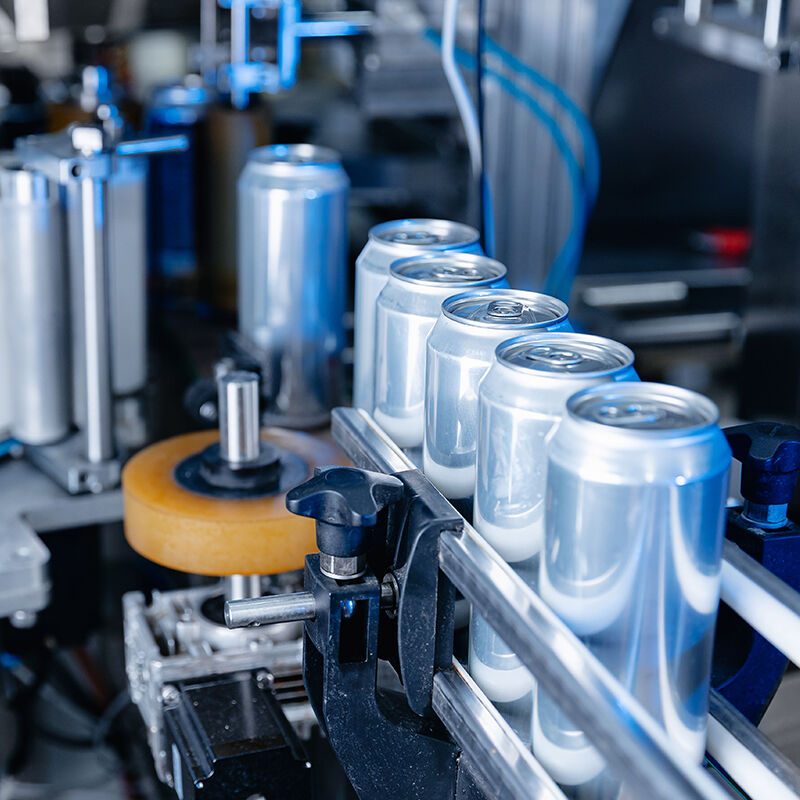
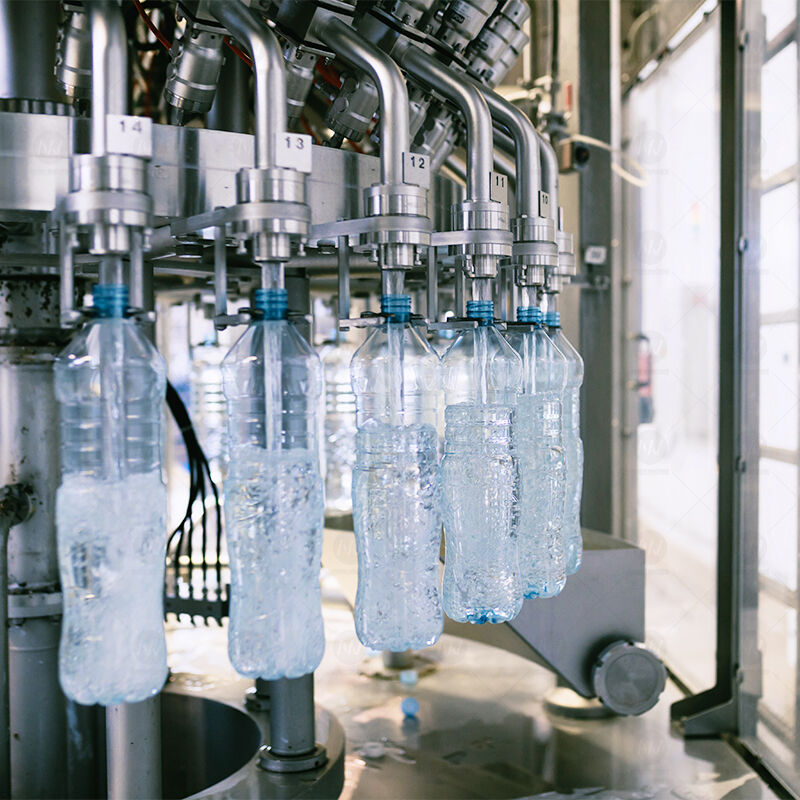
carbonated drink filling machine
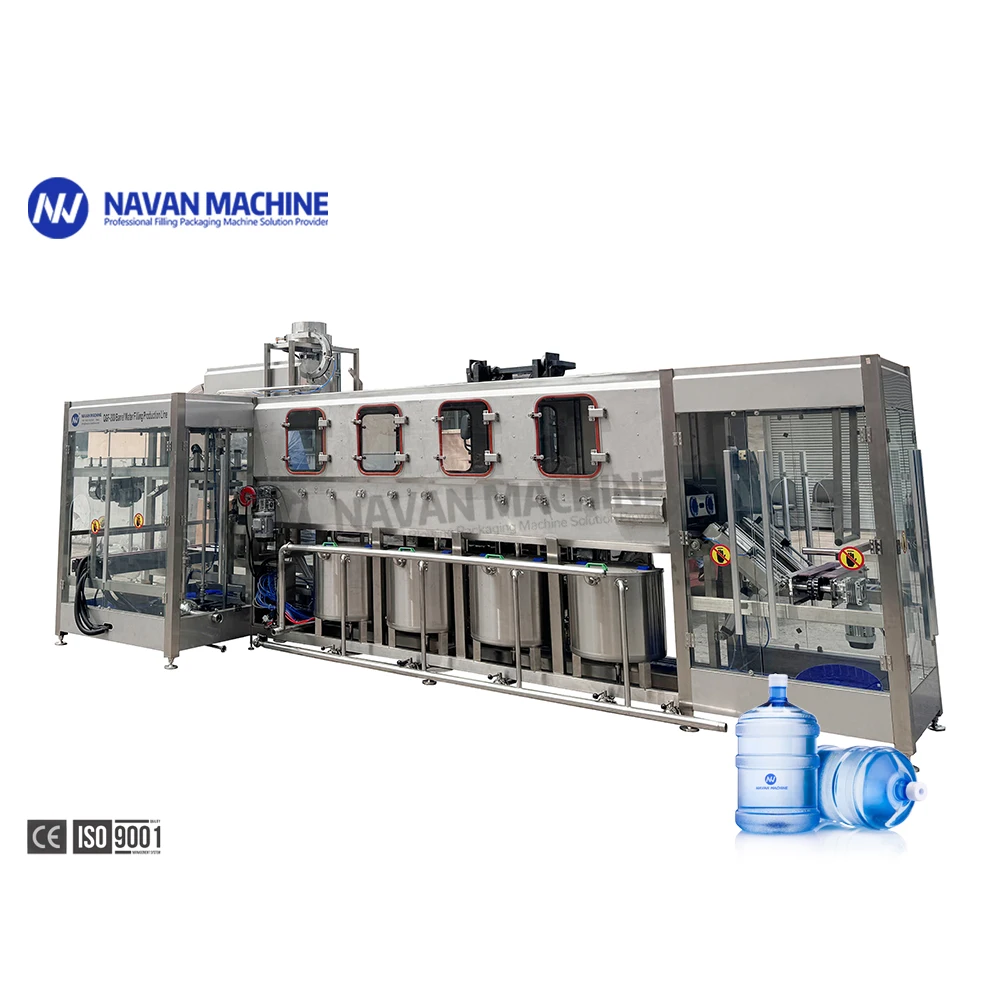
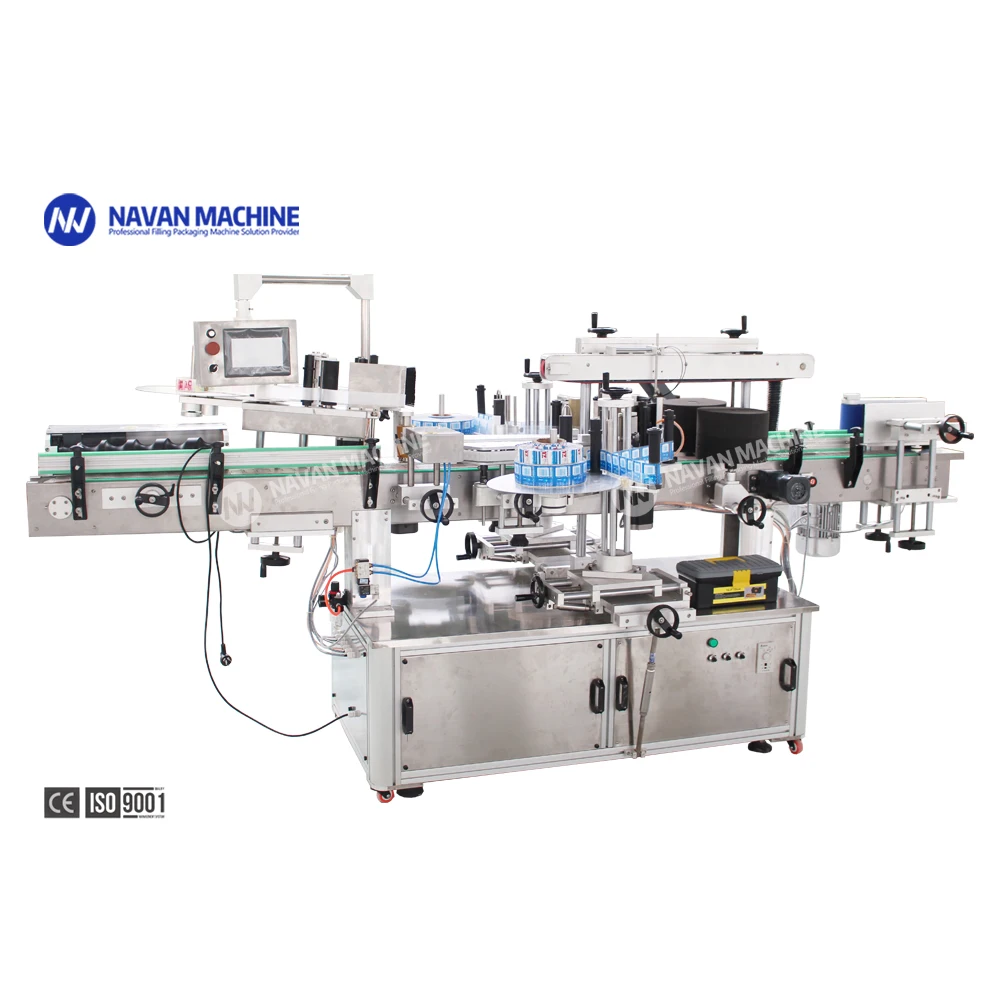
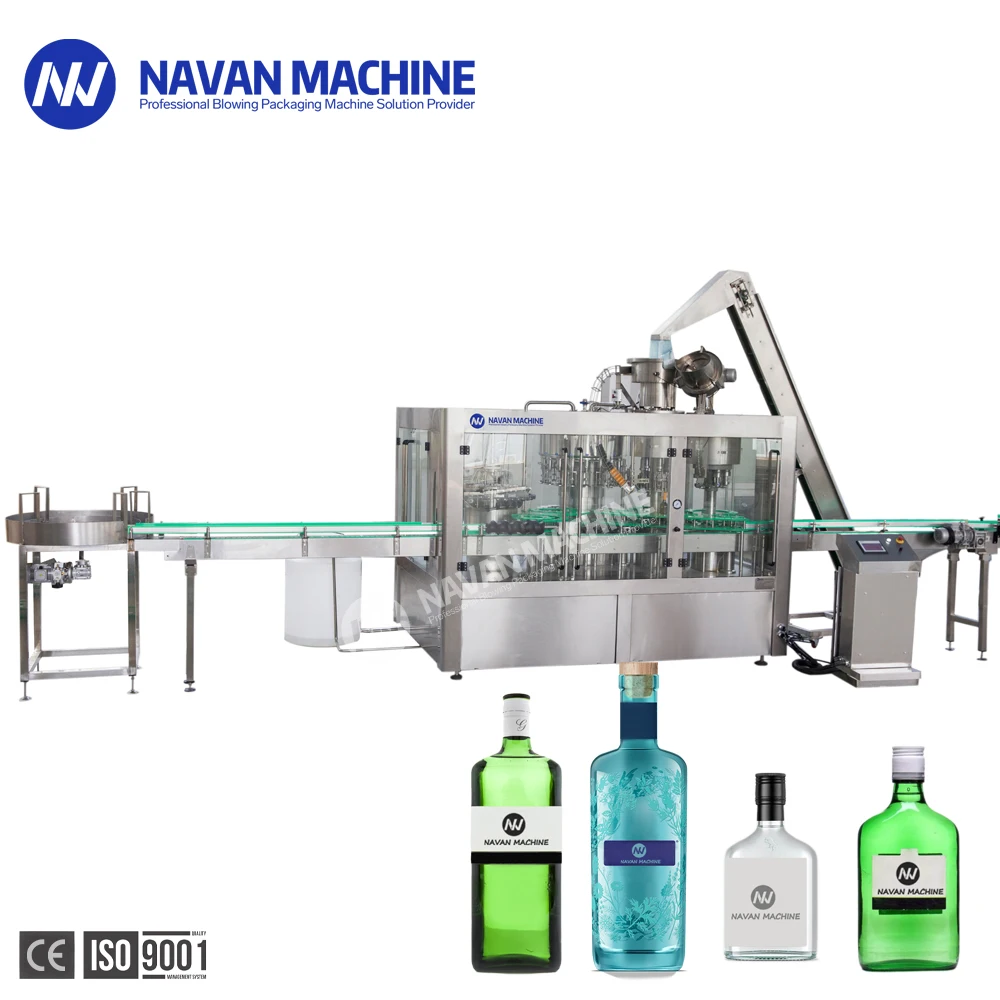
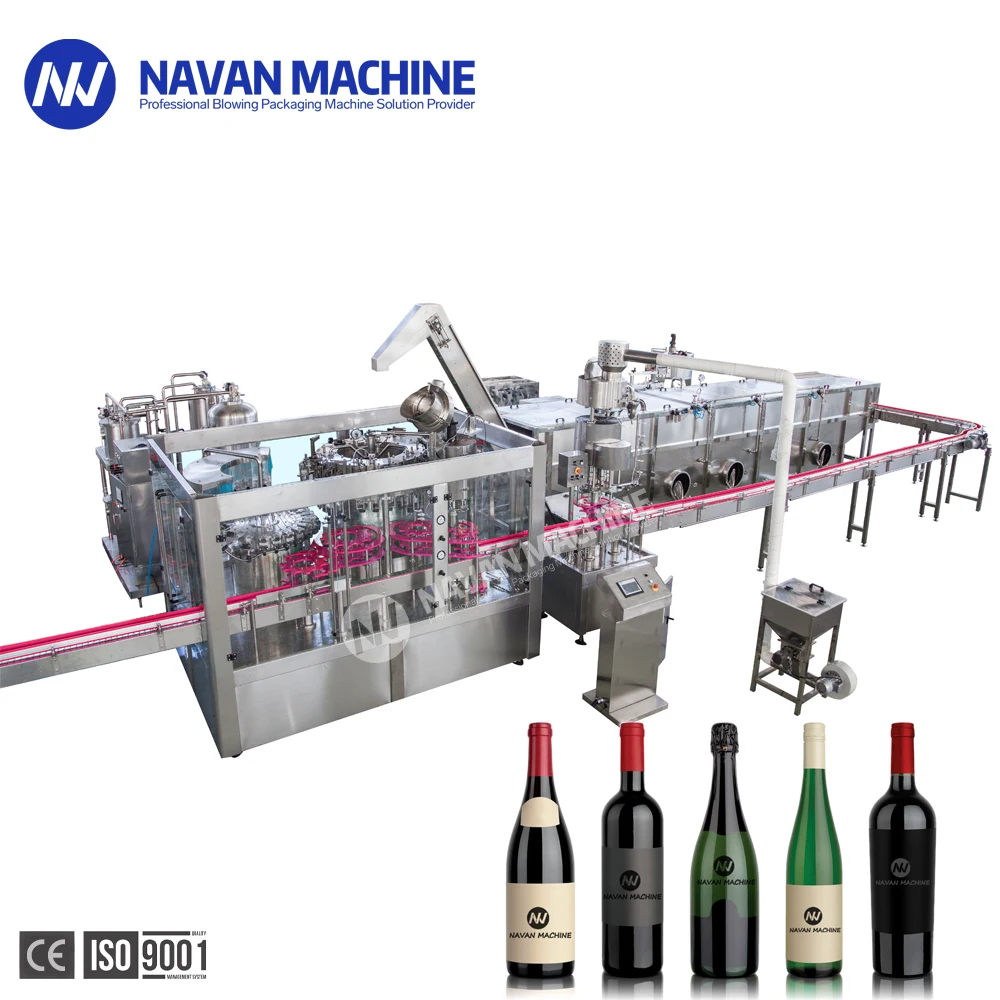
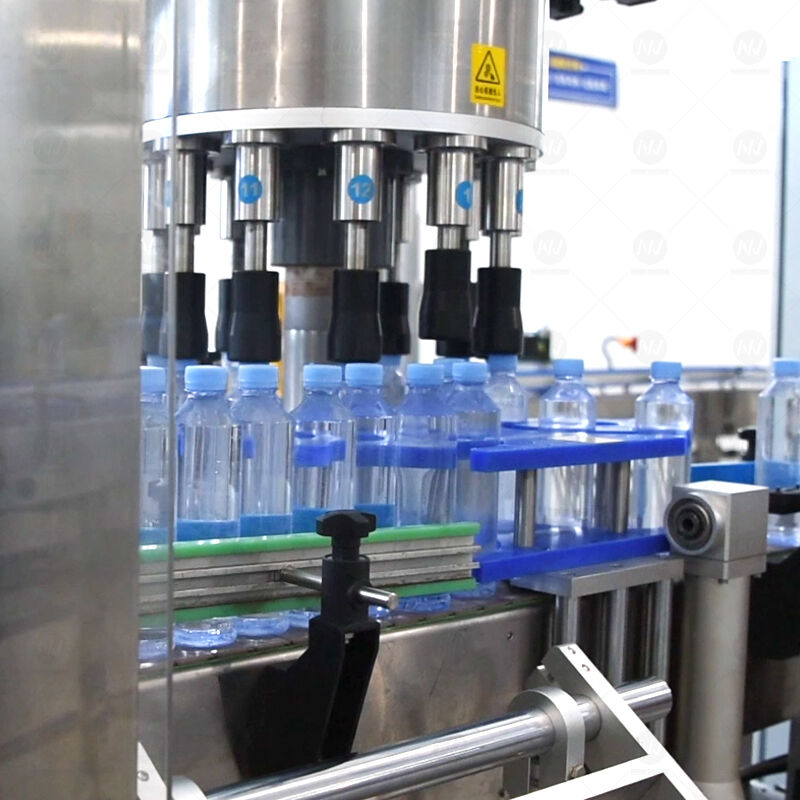
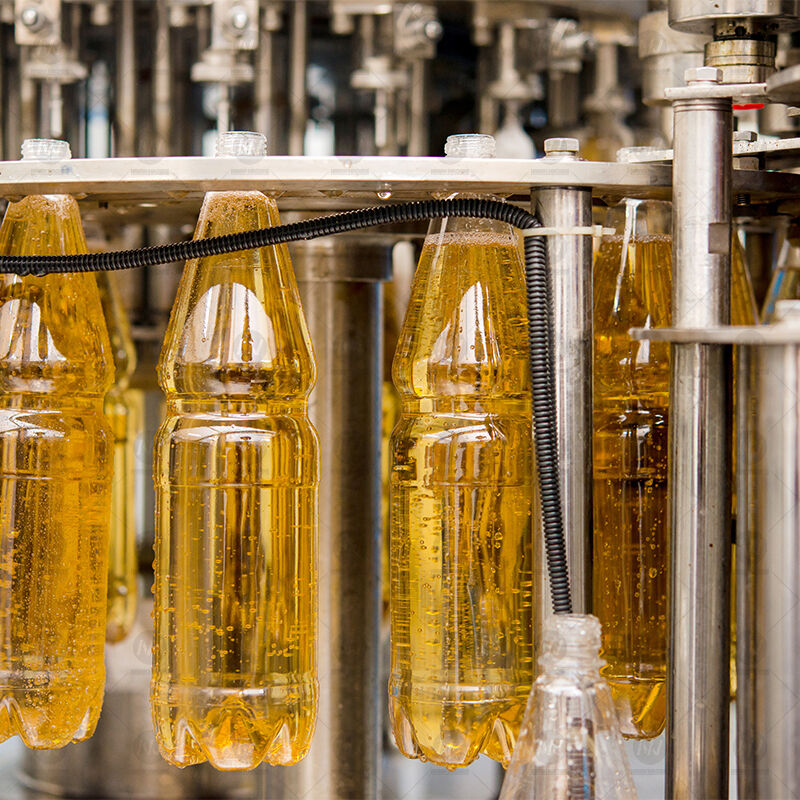
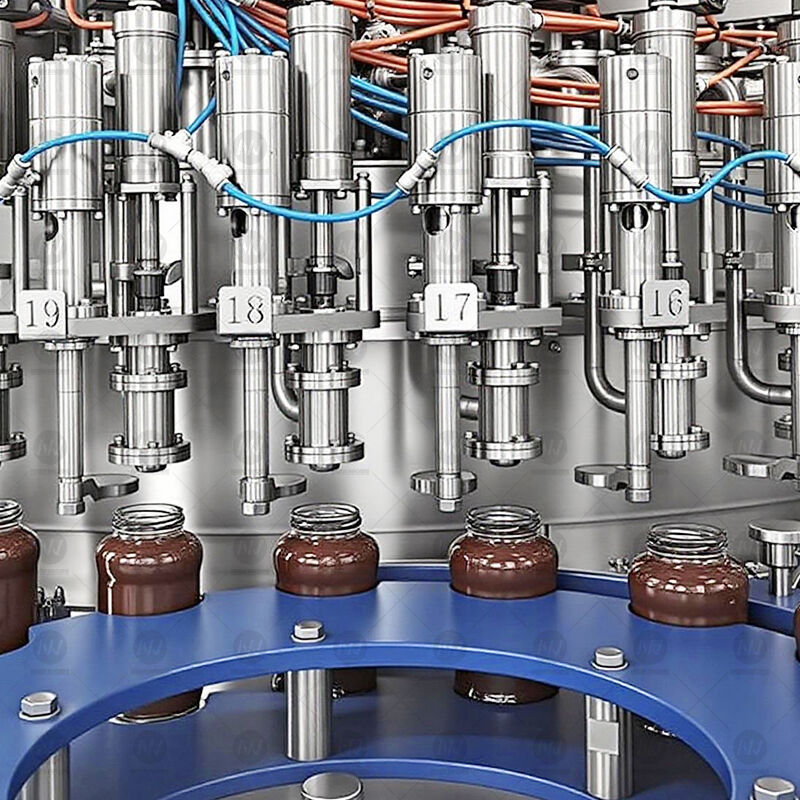
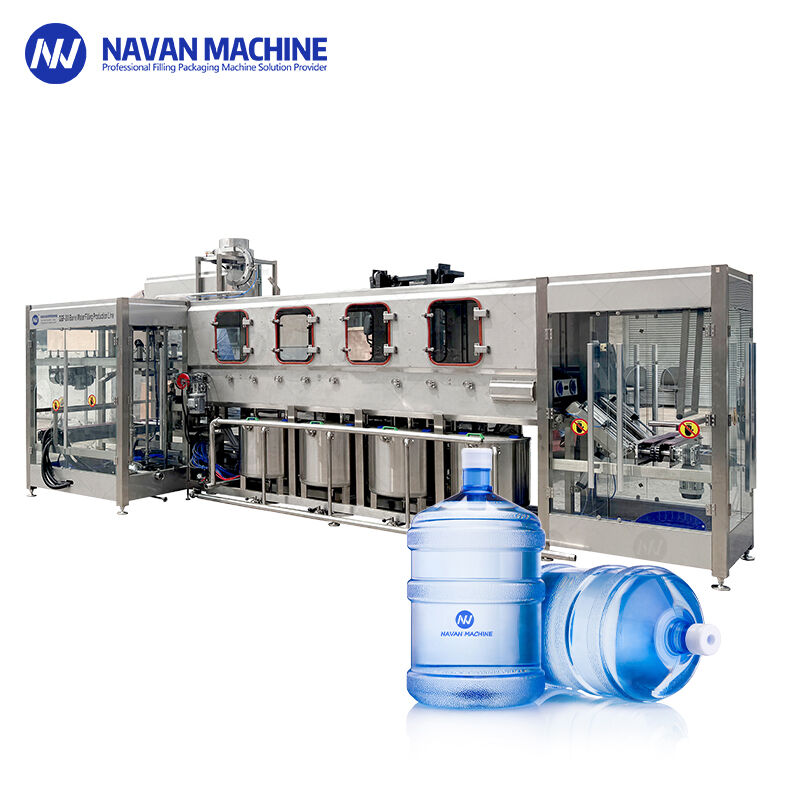
The carbonated drink filling machine represents a sophisticated piece of industrial equipment designed specifically for the efficient bottling of carbonated beverages such as soft drinks, sparkling water, beer, and energy drinks. This advanced machinery operates through a precise multi-stage process that maintains the integrity of carbonation while ensuring hygienic and accurate filling operations. The primary function of a carbonated drink filling machine involves the controlled dispensing of pressurized beverages into containers while preserving the CO2 content that gives these drinks their characteristic fizz and taste profile. Modern carbonated drink filling machines incorporate cutting-edge technology including pneumatic control systems, automated bottle handling mechanisms, and precision flow meters that guarantee consistent fill levels across thousands of bottles per hour. These systems feature counter-pressure filling technology, which creates an equilibrium between the pressure inside the bottle and the filling tank, preventing foam formation and CO2 loss during the filling process. The technological framework includes stainless steel construction for food-grade safety, programmable logic controllers for operational flexibility, and integrated cleaning-in-place systems that maintain sanitary conditions throughout production cycles. Variable speed drives allow operators to adjust production rates according to demand, while touch-screen human-machine interfaces provide intuitive control over all filling parameters. The carbonated drink filling machine applications span across various industries including large-scale beverage manufacturing plants, craft breweries, regional bottling facilities, and specialty drink producers. These machines accommodate different container types ranging from glass bottles to PET containers and aluminum cans, with quick changeover capabilities that minimize downtime between product runs. Quality assurance features include automatic reject systems for improperly filled containers, level detection sensors, and foam control mechanisms that ensure product consistency. The integration capabilities allow seamless connection with upstream processes like bottle rinsing and downstream operations such as capping and labeling, creating comprehensive production lines that maximize efficiency while maintaining the highest standards of beverage quality and safety.
 EN
EN