Bottle Making Machine Cost Guide 2024: Investment Analysis and ROI Benefits

Requesting a Call:

+8615601563990

Online Support

[email protected]

WhatsApp

+86-15601563990

bottle making machine cost

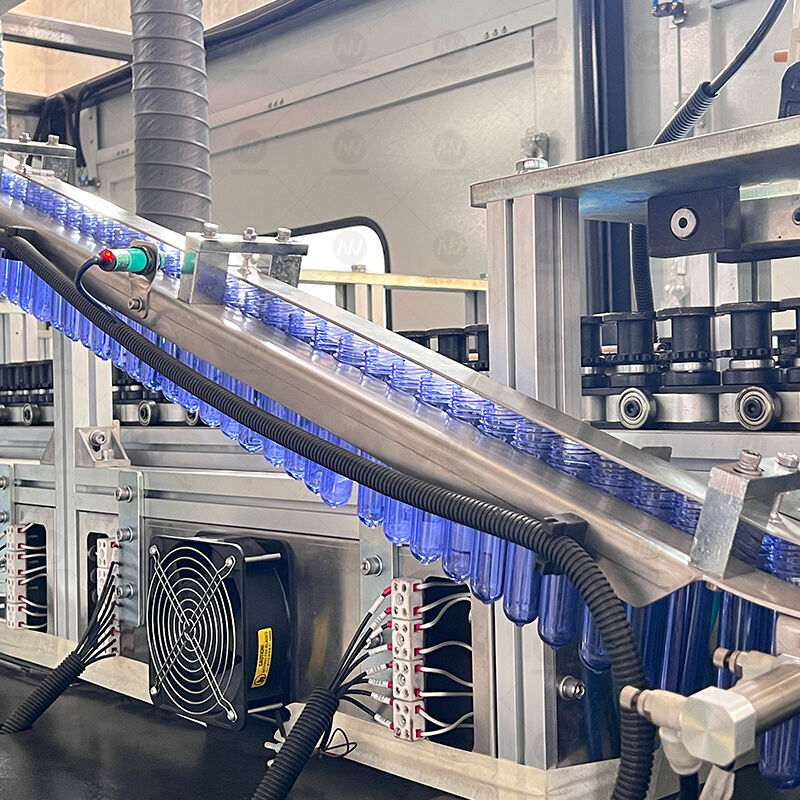
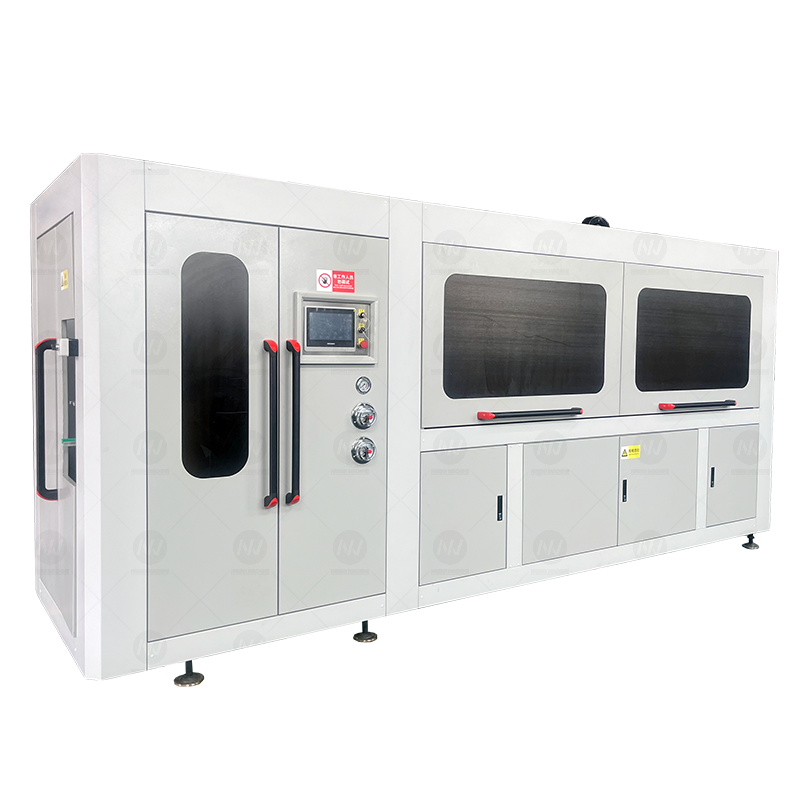
Understanding bottle making machine cost requires examining various factors that influence pricing in today's manufacturing landscape. These sophisticated pieces of equipment represent significant investments for businesses entering or expanding within the packaging industry. The bottle making machine cost varies considerably based on production capacity, technological sophistication, and intended applications. Modern bottle manufacturing systems incorporate advanced automation technologies that directly impact their market pricing. When evaluating bottle making machine cost, manufacturers must consider both initial purchase prices and long-term operational expenses. Entry-level machines designed for small-scale production typically start at lower price points, while industrial-grade systems capable of high-volume output command premium pricing. The bottle making machine cost encompasses several technological components including heating systems, molding mechanisms, cooling chambers, and quality control sensors. These machines primarily function through blow molding processes, where heated plastic materials are shaped into bottles through pressurized air injection. Advanced models feature programmable logic controllers that enable precise temperature regulation and cycle timing optimization. The technological features affecting bottle making machine cost include servo-driven systems for enhanced precision, touchscreen interfaces for simplified operation, and integrated quality inspection cameras. Production speeds significantly influence pricing, with faster machines incorporating more sophisticated drive systems and control electronics. Energy efficiency technologies also impact bottle making machine cost, as manufacturers increasingly demand equipment that reduces operational expenses through lower power consumption. Applications span numerous industries including beverage production, pharmaceutical packaging, cosmetics containers, and household product bottles. The versatility of modern bottle making machines allows production of various container sizes and shapes, from small pharmaceutical vials to large industrial containers. Material compatibility represents another cost factor, with machines capable of processing multiple plastic types commanding higher prices. Installation requirements, training programs, and warranty coverage contribute additional considerations when calculating total bottle making machine cost. Maintenance accessibility and spare parts availability affect long-term ownership expenses beyond initial purchase investments.

New Product Recommendations

The bottle making machine cost delivers exceptional value through multiple practical benefits that directly impact business profitability and operational efficiency. Companies investing in quality bottle manufacturing equipment experience immediate improvements in production consistency and output reliability. The automation capabilities inherent in modern bottle making systems eliminate human error variability, ensuring every produced container meets exact specifications without manual intervention requirements. This consistency translates into reduced material waste, as automated systems optimize plastic usage and minimize defective products that require disposal or recycling. Energy efficiency represents a major advantage justifying bottle making machine cost investments, with contemporary models consuming significantly less electricity compared to older manufacturing methods. Advanced heating systems incorporate heat recovery technologies that capture and reuse thermal energy, reducing overall power requirements and lowering monthly utility expenses. The precision control systems enable manufacturers to produce bottles with thinner walls while maintaining structural integrity, resulting in substantial material cost savings over high-volume production runs. Quality control integration provides real-time monitoring capabilities that detect and reject defective products automatically, preventing costly recalls and maintaining brand reputation standards. The scalability offered by modern bottle making equipment allows businesses to adjust production volumes based on market demand without requiring additional machinery investments. Flexible programming options enable rapid changeovers between different bottle designs, maximizing equipment utilization and reducing idle time between production runs. The durability of professional-grade bottle making machines ensures consistent performance over extended operational periods, minimizing unexpected downtime and maintenance interruptions. Predictive maintenance features incorporated into advanced systems alert operators to potential issues before equipment failures occur, preventing costly emergency repairs and production delays. The competitive advantage gained through efficient bottle production capabilities enables manufacturers to respond quickly to customer orders and market opportunities. Reduced labor requirements associated with automated bottle making processes lower ongoing operational costs while improving workplace safety by minimizing human interaction with hot materials and moving machinery. The environmental benefits achieved through optimized material usage and energy consumption help companies meet sustainability goals while reducing waste disposal costs and regulatory compliance expenses.

Practical Tips

How Does a Water Filling Line Maintain Hygiene and Product Purity?

31

Oct

How Does a Water Filling Line Maintain Hygiene and Product Purity?

Ensuring Safety and Quality in Beverage Production Systems The modern beverage industry faces an ever-growing challenge to maintain impeccable hygiene standards while meeting increasing production demands. At the heart of this challenge lies the wate...
View More
What Factors Should You Consider When Choosing a Bottle Filling Machine?

31

Oct

What Factors Should You Consider When Choosing a Bottle Filling Machine?

Essential Considerations for Industrial Bottle Filling Equipment Selecting the right bottle filling machine for your production line is a crucial decision that impacts efficiency, product quality, and bottom-line profitability. Whether you're expandi...
View More
What Are the Long-Term Benefits of Investing in Advanced Water Filling Lines?

31

Oct

What Are the Long-Term Benefits of Investing in Advanced Water Filling Lines?

Transforming Beverage Production Through Modern Automation The beverage industry is witnessing a revolutionary transformation as manufacturers increasingly turn to advanced water filling lines to streamline their operations. These sophisticated syste...
View More
What Technologies Ensure Freshness and Shelf Life in Beer Filling Systems?

31

Oct

What Technologies Ensure Freshness and Shelf Life in Beer Filling Systems?

Modern Innovations in Beer Filling Technology The brewing industry has witnessed remarkable technological advancements in beer filling systems, revolutionizing how breweries maintain product freshness and extend shelf life. Today's sophisticated beer...
View More

Get a Free Quote

Our representative will contact you soon.
Email
Name
Company Name
Message
0/1000

bottle making machine cost

Advanced Automation Technology Reduces Long-Term Operational Expenses

Advanced Automation Technology Reduces Long-Term Operational Expenses

The sophisticated automation technology integrated into modern bottle making machines represents a transformative advantage that significantly impacts the overall bottle making machine cost equation through substantial operational savings. These advanced systems incorporate servo-driven mechanisms that provide unprecedented precision in material handling, temperature control, and timing synchronization throughout the manufacturing process. The programmable logic controllers embedded within these machines enable operators to establish exact parameters for each production run, ensuring consistent quality while minimizing material waste and energy consumption. Real-time monitoring capabilities continuously track performance metrics, automatically adjusting operational variables to maintain optimal efficiency levels without requiring constant human oversight. The integration of artificial intelligence algorithms allows these systems to learn from production patterns and optimize processes autonomously, gradually improving efficiency over extended operational periods. Touch screen interfaces simplify machine operation, reducing training requirements and enabling operators to quickly adapt to different production specifications without extensive technical expertise. The predictive maintenance systems incorporated into advanced bottle making machines analyze operational data to identify potential issues before they result in equipment failures, preventing costly emergency repairs and unplanned production interruptions. These intelligent systems track component wear patterns, lubrication levels, and thermal cycles to schedule maintenance activities during planned downtime periods, maximizing equipment availability and production throughput. The automated quality control features eliminate the need for manual inspection processes, using high-resolution cameras and sensors to detect dimensional variations, surface defects, and structural irregularities in real-time. This comprehensive quality monitoring ensures that only products meeting exact specifications continue through the production line, preventing defective bottles from reaching packaging stages and avoiding costly product recalls. The energy management systems optimize power consumption by coordinating heating cycles, cooling processes, and mechanical operations to minimize peak demand charges while maintaining production schedules. These efficiency improvements directly reduce monthly utility expenses and contribute to lower environmental impact through reduced carbon footprint. The data logging capabilities provide detailed production reports that enable manufacturers to track efficiency trends, identify optimization opportunities, and demonstrate compliance with industry standards and regulatory requirements.
Exceptional Production Flexibility Maximizes Equipment Investment Value

Exceptional Production Flexibility Maximizes Equipment Investment Value

The remarkable production flexibility offered by contemporary bottle making machines delivers outstanding value that extends far beyond the initial bottle making machine cost through versatile manufacturing capabilities that adapt to diverse market requirements. These sophisticated systems accommodate multiple bottle designs, sizes, and configurations without requiring extensive retooling or equipment modifications, enabling manufacturers to respond rapidly to changing customer demands and market opportunities. The modular design architecture allows for easy reconfiguration of molding systems, enabling production of containers ranging from small pharmaceutical vials to large industrial bottles using the same base equipment. Quick-change tooling systems facilitate rapid transitions between different product specifications, minimizing downtime and maximizing productive operational hours throughout each manufacturing shift. The programmable parameters enable precise control over wall thickness distribution, ensuring optimal material usage while maintaining structural integrity requirements for each specific application. Advanced temperature profiling capabilities allow operators to establish different heating zones for various plastic materials, accommodating PET, HDPE, PP, and other polymer types without compromising production quality or efficiency. The multi-cavity mold options increase production capacity by manufacturing multiple bottles simultaneously, significantly improving output rates while maintaining consistent quality standards across all produced units. Variable speed control systems enable manufacturers to adjust production rates based on downstream packaging line capabilities, preventing bottlenecks and optimizing overall facility throughput. The integrated material handling systems accommodate different preform sizes and weights, automatically adjusting feeding mechanisms and positioning systems to ensure proper orientation and placement for each production run. Recipe management functionality stores multiple production profiles that operators can recall instantly, eliminating setup time and reducing the potential for configuration errors during product changeovers. The quality parameter customization allows manufacturers to establish different inspection criteria for various applications, ensuring that pharmaceutical containers meet stricter standards than general packaging requirements. Statistical process control integration provides real-time feedback on production variations, enabling immediate adjustments to maintain tight tolerances and prevent quality drift over extended production runs. The expandability features allow manufacturers to add supplementary equipment modules as business growth requires, protecting the initial bottle making machine cost investment while scaling production capabilities to meet increasing demand.
Superior Energy Efficiency and Environmental Performance Deliver Sustainable Operations

Superior Energy Efficiency and Environmental Performance Deliver Sustainable Operations

The exceptional energy efficiency and environmental performance characteristics of modern bottle making machines provide compelling justification for the bottle making machine cost through sustainable operational benefits that reduce long-term expenses while supporting corporate responsibility initiatives. These advanced manufacturing systems incorporate cutting-edge thermal management technologies that optimize energy consumption throughout the production process, utilizing heat recovery systems that capture and reuse thermal energy from cooling operations to preheat incoming materials. The precision temperature control algorithms minimize energy waste by maintaining exact thermal profiles required for optimal material processing, eliminating unnecessary heating cycles and reducing overall power consumption by up to thirty percent compared to conventional equipment. Variable frequency drive systems automatically adjust motor speeds based on production requirements, consuming only the energy necessary for current operational demands while reducing mechanical stress on equipment components. The insulation technologies integrated throughout heating zones and thermal processing areas prevent energy loss to surrounding environments, maintaining consistent temperatures with minimal supplemental heating requirements. Smart energy management systems monitor power consumption patterns and coordinate operational sequences to avoid peak demand charges, scheduling energy-intensive processes during off-peak utility rate periods whenever possible. The optimized material usage achieved through precise process control reduces plastic waste generation, minimizing environmental impact while lowering raw material costs and disposal expenses. Advanced recycling integration capabilities enable manufacturers to incorporate recycled content into production processes, supporting circular economy principles while reducing dependence on virgin materials. The reduced carbon footprint resulting from improved energy efficiency helps companies meet sustainability targets and regulatory requirements while potentially qualifying for environmental incentives and rebates. Water consumption optimization through closed-loop cooling systems minimizes fresh water requirements and reduces wastewater generation, addressing increasingly stringent environmental regulations. The elimination of volatile organic compounds through precise temperature control and material handling prevents air pollution while creating safer working environments for operational personnel. Noise reduction technologies incorporated into modern bottle making machines minimize acoustic pollution in manufacturing facilities, improving workplace conditions and ensuring compliance with occupational safety standards. The extended equipment lifespan achieved through advanced materials and precision engineering reduces the frequency of equipment replacement, minimizing manufacturing waste and supporting sustainable business practices. Comprehensive monitoring systems track environmental performance metrics, providing detailed reporting capabilities that demonstrate compliance with environmental standards and support corporate sustainability communication efforts.

Get a Free Quote

Our representative will contact you soon.
Email
Name
Company Name
Message
0/1000

Get a Free Quote

Our representative will contact you soon.
Email
Name
Company Name
Message
0/1000
TopTop